

Free Litchfield County Travel Guide & Mobile App
Explore Litchfield County with free travel guides. Discover regional history, expert tips, proposed trips, and audio guides on web or mobile app.


Explore Litchfield County’s historic towns, Housatonic valleys, wooded hills, farm-to-table food and four-season outdoor pursuits in north-west Connecticut.
Read more about Litchfield County
When is the best time to visit Litchfield County?
Best: June, August–September · 22–26°C| Month | High (°C) | Rainfall (mm) |
|---|---|---|
| January | 1 | 80 |
| February | 3 | 75 |
| March | 8 | 95 |
| April | 14 | 100 |
| May | 19 | 105 |
| June (best) | 24 | 105 |
| July | 27 | 110 |
| August (best) | 26 | 105 |
| September (best) | 22 | 100 |
| October | 17 | 95 |
| November | 10 | 95 |
| December | 4 | 90 |
Getting to and around Litchfield County
How to get there
Transportation
Top city travel guides in Litchfield County
The cities of Litchfield County, and the easiest places to base yourself.
-

-

-
-

-
-


Swipe for more cities
Destinations in Litchfield County
Resorts, valleys and scenic spots worth a trip of their own.
-

-

-
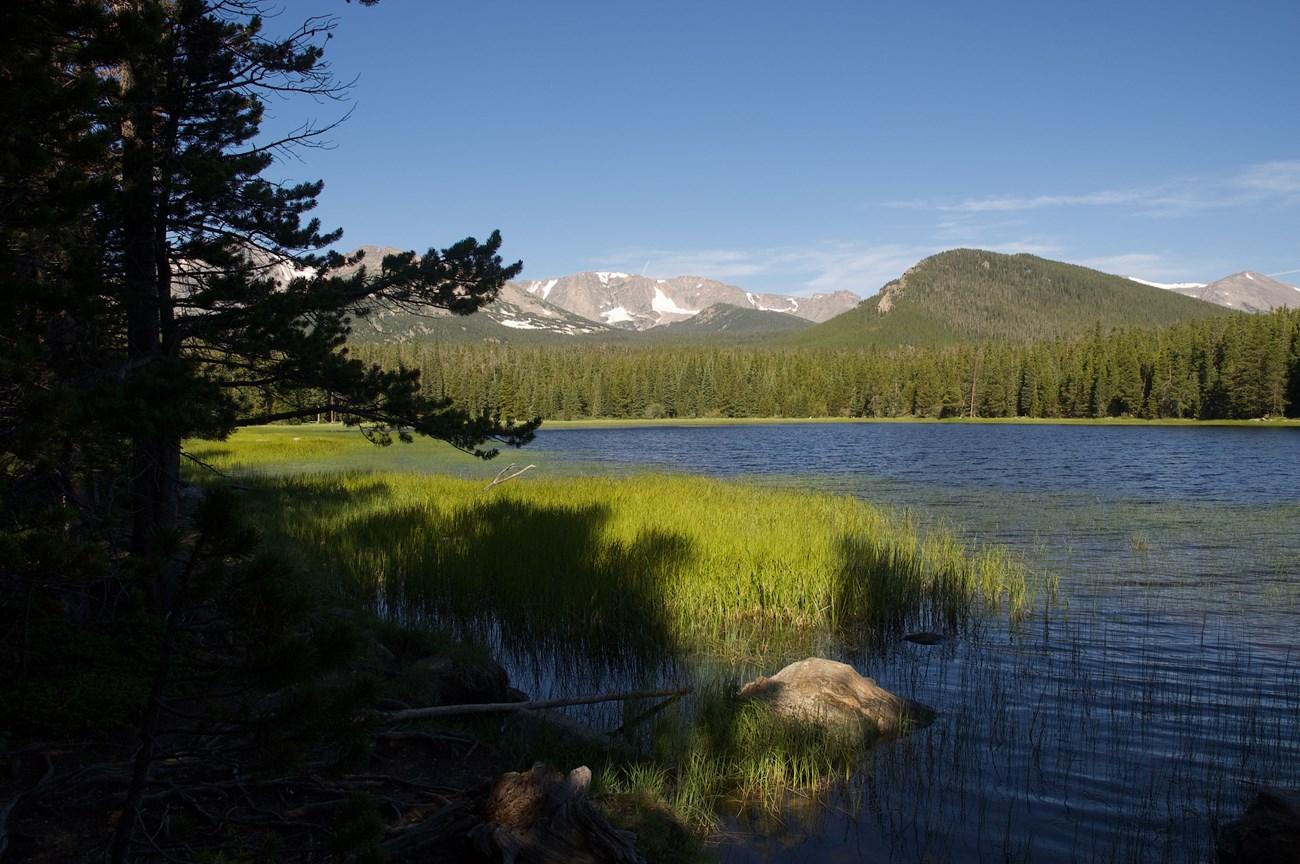 Bear Mountain State Park
 in New York combines Hudson Highlands trails, river views, Perkins Memorial Tower, wildlife exhibits, boating and historic scenery.
-

-

-


Swipe for more destinations
Best attractions in Litchfield County
Litchfield County’s attractions are spread through a landscape of village greens, wooded ridges, lakes and river valleys rather than concentrated in one resort centre. Historic Litchfield offers the Tapping Reeve House and Law School, the Litchfield History Museum and an exceptionally coherent collection of eighteenth- and nineteenth-century buildings. White Memorial Conservation Center near Litchfield combines natural-history interpretation with extensive trails, wetlands and wildlife habitat. In Washington, the Institute for American Indian Studies provides context on Native cultures, while Steep Rock Preserve offers walking routes beside the Shepaug River. Kent is a base for Kent Falls State Park, Macedonia Brook State Park and nearby Appalachian Trail sections. The northern towns bring Haystack Mountain State Park, Mohawk Mountain Ski Area and access to lakes and forest roads. Torrington contributes the Warner Theatre, the Hotchkiss-Fyler House Museum and the American Museum of Tort Law, while Thomaston is home to the Railroad Museum of New England. Gardens, farm visits, galleries, paddling, fishing, cycling and winter sports complete a visitor landscape shaped as much by open space as by formal attractions.
-
State park
Burr Pond State Park
Discover Burr Pond State Park, a tranquil haven in Torrington, CT, perfect for outdoor adventures, scenic hikes, and family picnics amidst stunning landscapes.
-
Nature preserve
White Memorial Conservation Center
Discover the serene beauty and educational experiences at the White Memorial Conservation Center, a perfect escape for nature lovers and families.
-
State park
Lovers Leap State Park
Discover breathtaking views and endless adventures at Lovers Leap State Park in New Milford, Connecticut - a must-visit for nature lovers and adventurers.
-
Rail museum
Railroad Museum of New England
Explore the rich history of railroads at the Railroad Museum of New England, where vintage trains and interactive exhibits await your discovery.


Best landmarks in Litchfield County
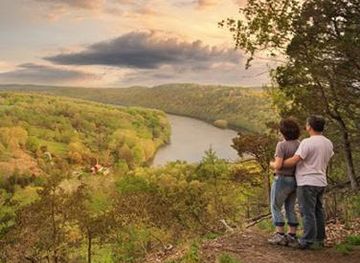
Litchfield’s historic town green, lined by churches, civic buildings and period houses, is among the county’s defining architectural scenes and expresses the importance the town acquired in the eighteenth century. The Tapping Reeve House and Law School is a particularly significant landmark of early American legal education. In western Litchfield County, the Housatonic River forms a geographical landmark, passing farms, wooded slopes and historic communities before continuing south through Connecticut. Kent Falls, protected within Kent Falls State Park, is one of the county’s most recognisable natural features, while the Appalachian Trail traces high ridges through the western and northern landscape. Haystack Mountain and its stone lookout tower represent the county’s upland character near Norfolk. The covered Bull’s Bridge in Kent, spanning the Housatonic, recalls an earlier era of local transport and bridge building. In Torrington, surviving industrial streets and mill-related structures along the Naugatuck valley point to the city’s manufacturing past, while the Unionville section of New Hartford and the villages around Salisbury and Lakeville retain the scale and materials of older rural settlement.
-
Historical landmark
Castle Craig
Discover Castle Craig, a historical landmark in Meriden, CT, offering breathtaking views, rich history, and beautiful hiking trails.
-
Scenic spot
Mohawk Overlook
Explore the breathtaking beauty of Mohawk Overlook, a scenic spot in Litchfield, CT, perfect for picnics and panoramic views.
-
Hiking area
Mohawk Mountain State Park
Explore Mohawk Mountain State Park, a paradise for hiking enthusiasts and nature lovers in Connecticut, offering breathtaking views and diverse outdoor activities.
-
Historical landmark
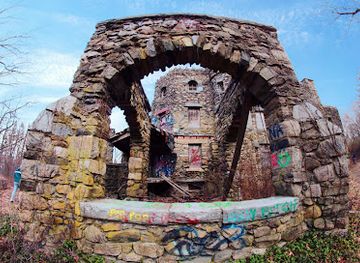
Hearthstone Castle
Discover the historical charm and architectural beauty of Hearthstone Castle, a captivating landmark nestled in the scenic landscapes of Danbury, Connecticut.


Explore Litchfield County on the map
Plan your trip on one map. See where the top cities, national parks and sights are, and book hotels and experiences in a few clicks.
Best hotels in Litchfield County
Best restaurants in Litchfield County
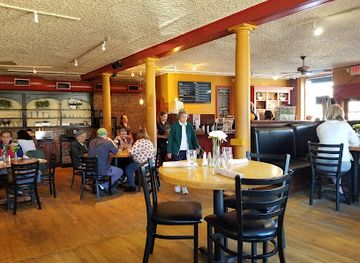
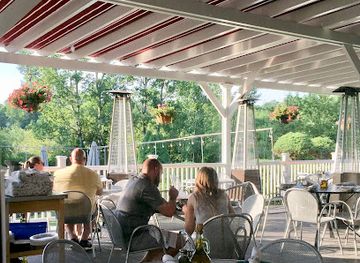
Food in Litchfield County is closely linked to its farms, orchards, dairies and small producers. Country inns, village restaurants, cafés, bakeries and contemporary dining rooms appear in towns such as Litchfield, Kent, Washington and New Milford, while Torrington provides a broader everyday restaurant scene. Menus commonly draw on New England traditions, seasonal vegetables, apples, pumpkins, dairy products, locally raised meat and freshwater or regional fish, alongside American and international cooking. Farm shops and roadside stands are useful for cheese, eggs, preserves, baked goods and prepared produce, particularly in late spring through autumn. Farmers’ markets vary by town and season, and cideries, breweries and small distilleries add to the county’s drinks culture. In rural areas, restaurants may be separated by considerable distances and evening choices can be limited on quieter weekdays, so checking arrangements and booking ahead is sensible. The strongest culinary experience comes from combining a market or farm stop with a restaurant that makes its setting and seasonal supply part of the meal.
-
American
@ the Corner
Experience vibrant American cuisine and creative cocktails at @ the Corner in Litchfield – where every meal tells a story.
-
New American
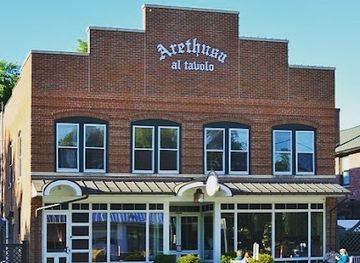
Arethusa al tavolo
Experience exquisite New American cuisine at Arethusa al Tavolo in Bantam, CT – where local ingredients meet culinary artistry.
-
Italian
DaCapo of Litchfield
Savor authentic Italian cuisine at DaCapo of Litchfield, where every dish is crafted with passion and tradition.
-
American
West Street Grill
Discover the rich flavors of American cuisine at West Street Grill in Litchfield – where every meal is an unforgettable experience.

Best bars in Litchfield County
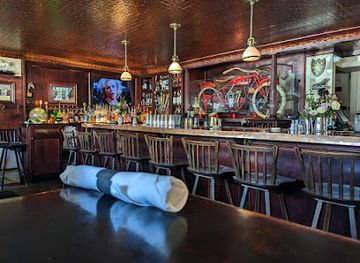
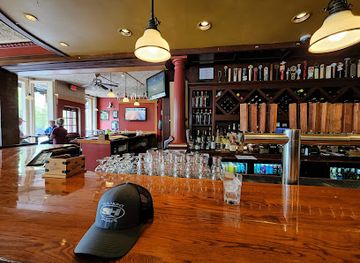
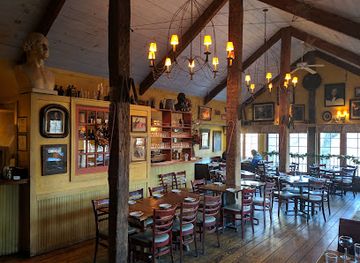
Evening life in Litchfield County is generally low-key and town-based rather than centred on large clubs. Historic taverns, neighbourhood pubs, restaurant bars, breweries and wine-focused establishments provide the main social settings, with the most varied choices in Torrington, New Milford, Litchfield, Kent and Washington. Some venues host live music, comedy or community events, while the Warner Theatre in Torrington adds performances that extend beyond nightlife in the narrow sense. Rural towns often become quiet after dinner, and smaller establishments may operate seasonally or on limited schedules. Beer from Connecticut producers, cider and locally influenced cocktails are widely represented, but an evening can just as easily mean a meal, theatre performance or conversation in an old inn. Visitors should arrange transport before heading into the countryside, as distances are substantial and public transport is limited. Autumn weekends and summer events can bring a noticeable increase in activity without changing the county’s generally measured pace.
-
American
The White Horse
Discover the perfect blend of modern American cuisine and local brews at The White Horse in New Preston, Connecticut.
-
American
@ the Corner
Experience the flavors of America at @ The Corner in Litchfield, where every meal is a delightful journey for the senses.
-
American
G.W. Tavern
Experience the essence of American comfort food at G.W. Tavern in Washington Depot, where quality meets hospitality in a cozy setting.
-
American
West Street Grill
Experience innovative American cuisine at West Street Grill, a culinary gem in Litchfield, Connecticut, perfect for food lovers and tourists alike.
Best nightclubs in Litchfield County
Evening life in Litchfield County is generally low-key and town-based rather than centred on large clubs. Historic taverns, neighbourhood pubs, restaurant bars, breweries and wine-focused establishments provide the main social settings, with the most varied choices in Torrington, New Milford, Litchfield, Kent and Washington. Some venues host live music, comedy or community events, while the Warner Theatre in Torrington adds performances that extend beyond nightlife in the narrow sense. Rural towns often become quiet after dinner, and smaller establishments may operate seasonally or on limited schedules. Beer from Connecticut producers, cider and locally influenced cocktails are widely represented, but an evening can just as easily mean a meal, theatre performance or conversation in an old inn. Visitors should arrange transport before heading into the countryside, as distances are substantial and public transport is limited. Autumn weekends and summer events can bring a noticeable increase in activity without changing the county’s generally measured pace.
-
Night club
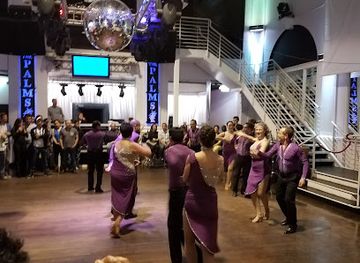
The Palms Night Club
Discover the excitement of Stamford's nightlife at The Palms Night Club, where music, dance, and vibrant energy come together for an unforgettable experience.
-
Night club
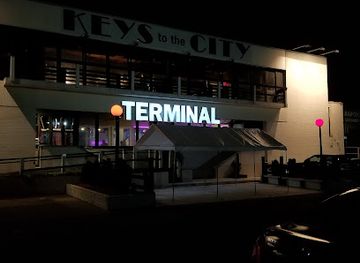
Terminal 110
Discover the energetic atmosphere of Terminal 110, New Haven's premier night club for live music and unforgettable nightlife experiences.
-
Night club
La Noche Bar & Lounge
La Noche Bar & Lounge: Your go-to destination for vibrant nightlife, great drinks, and unforgettable live music in Danbury, Connecticut.
-
Night club
Soirée Nightclub
Soirée Nightclub: Dive into Waterbury's vibrant nightlife with electrifying music and an unforgettable party atmosphere.

Best shops in Litchfield County
Shopping in Litchfield County centres on independent high streets, village stores, farm shops, galleries, antiques and seasonal markets rather than major shopping centres. Litchfield, Kent, Washington Depot, New Milford and Woodbury each have concentrations of small retailers, with different balances of books, homewares, clothing, art, antiques and gifts. Woodbury is particularly associated with the region’s long-standing antiques trade, although the experience ranges from specialist dealers to general vintage shops and should be approached as browsing rather than a guaranteed bargain. Farm stands and local food shops sell honey, maple products, preserves, cheese, baked goods, cider and seasonal produce. Galleries and craft studios offer paintings, ceramics, jewellery, textiles and woodwork, while Torrington provides a more conventional small-city retail setting. Market days and opening arrangements change with the season, especially in rural communities, so checking locally is worthwhile. Practical souvenirs include regional foods, handmade objects and books about Connecticut history or landscape rather than generic branded merchandise.
-
Grocery store
Stop & Shop
Explore the well-stocked Stop & Shop in Canaan, CT, where fresh produce and local goods await your culinary adventures.
-
Shopping mall
Litchfield Crossings
Explore Litchfield Crossings in New Milford: Your ultimate shopping destination in Connecticut featuring diverse stores and delightful dining.
-
Gift shop
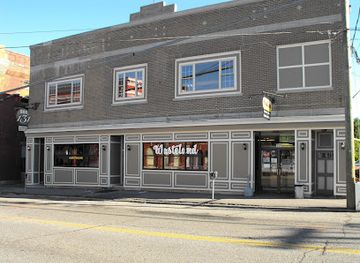
Wasteland Gift Shop
Explore Wasteland Gift Shop for unique gifts, body jewelry, clothing, and collectibles in Torrington, CT.
-
Shopping mall
Village Green Plaza
Explore Village Green Plaza: a vibrant shopping mall in Litchfield, Connecticut, offering diverse retail, dining, and community events for an unforgettable experience.

Get your free copy of our complete guide to Litchfield County, delivered straight to you.
Everything on this page, from attractions and restaurants to essentials and local phrases, in one PDF you can read offline, print or share.
Already have an account? Sign in
Your Litchfield County guide is ready.
We'll send it to · Not you? Sign out

Getting your guide ready…
We are putting together a fresh copy of the Litchfield County guide. This can take up to a minute.
This can take a few moments. If your browser asks, choose Allow so the download can start. You'll find the guide in your Downloads folder.
Nothing happened? Download it again
Sorry, the guide is taking longer than usual. Please try again in a minute, or get it by email instead.
Litchfield County essentials
Currency and Payment
Safety
Emergency Situations
Do's and Don'ts
Local Tips
From Eve
Local phrases worth knowing
You don't need to get them perfect. A few words go a long way, and locals appreciate the effort.
Basics
| English | Local | Say it |
|---|---|---|
| Hello | Hiya | [Hī-yuh] |
| Goodbye | See ya | [Sē yuh] |
| Yes | Yup | [Yuhp] |
| No | Nah | [Naw] |
| Please/You're welcome | Sure thing | [Shur thing] |
| Thank you | Thanks | [Thangs] |
| Excuse me/Sorry | Sorry 'bout that | [Sore-ee 'bout that] |
| How are you? | How ya doin’? | [Hau yuh doin'?] |
| Fine. And you? | Good. You? | [Guhd. Yuh?] |
| Do you speak English? | You speak English? | [Yuh speek Ing-lish?] |
| I don't understand | I don't get it | [I don't get it] |
Eating & Drinking
| English | Local | Say it |
|---|---|---|
| I'd like to see the menu, please | Can I see the menu? | [Kan I see the men-yoo?] |
| I don't eat meat | I’m not a meat eater | [I’m not a meet eeder] |
| Cheers! | Cheers! | [Cheerz!] |
| I would like to pay, please | Can I get the bill? | [Kan I get the bil?] |
Emergencies
| English | Local | Say it |
|---|---|---|
| Help! | Help! | [Help!] |
| Go away! | Get lost! | [Get lost!] |
| Call the Police! | Call the cops! | [Call the kops!] |
| Call a doctor! | Get a doctor! | [Get a dok-tor!] |
| I'm lost | I’m lost | [I’m lost] |
| I'm ill | I’m not feeling well | [I’m not feelin' wel] |
Shopping
| English | Local | Say it |
|---|---|---|
| I'd like to buy... | I wanna buy... | [I wanna buy...] |
| I'm just looking | Just browsing | [Just browsin'] |
| How much is it? | What’s the price? | [What’s the prīce?] |
| That's too expensive | That’s way too pricey | [That’s way too prīsee] |
| Can you lower the price? | Can you bring down the price? | [Kan you bring down the prīce?] |
Time & Numbers
| English | Local | Say it |
|---|---|---|
| What time is it? | What time ya got? | [What time ya got?] |
| It's one o'clock | It's one | [It's wun] |
| Half past (10) | Half past ten | [Haf past ten] |
| Morning | Morning | [Mornin'] |
| Afternoon | Afternoon | [Aft-er-noon] |
| Evening | Evening | [Eve-ning] |
| Yesterday | Yesterday | [Yes-ter-day] |
| Today | Today | [To-day] |
| Tomorrow | Tomorrow | [To-mor-row] |
| 1 | One | [Wun] |
| 2 | Two | [Too] |
| 3 | Three | [Three] |
| 4 | Four | [For] |
| 5 | Five | [Fīve] |
| 6 | Six | [Siks] |
| 7 | Seven | [Sev-en] |
| 8 | Eight | [Ait] |
| 9 | Nine | [Nīn] |
| 10 | Ten | [Ten] |
Transport & Directions
| English | Local | Say it |
|---|---|---|
| Where's a/the...? | Where’s the...? | [Where’s the...?] |
| What's the address? | What’s the address? | [What’s the ad-dress?] |
| Can you show me (on the map)? | Can you point it out? | [Can you point it out?] |
| When's the next (bus)? | When’s the next bus? | [When’s the nekst bus?] |
| A ticket (to ....) | A ticket to... | [A tik-it to...] |
History of Litchfield County
Indigenous Landscapes before European Settlement
Before English colonisation, the lands now within Litchfield County were used and inhabited by Indigenous communities, including peoples associated with the region’s river valleys and uplands. Lakes, streams and woodland provided routes, food and materials, while seasonal movement shaped relationships with the landscape. The Housatonic and Naugatuck watersheds were especially important corridors. European settlement altered land ownership, agriculture and ecology, and many Indigenous histories were later obscured in written accounts. Institutions such as the Institute for American Indian Studies in Washington help interpret Native cultures and continuing Indigenous presence rather than treating them solely as a subject of the past.
Colonial Settlement and the County’s Creation
English settlement expanded into north-western Connecticut during the eighteenth century, establishing farmsteads, village centres and roads across land that had previously been managed very differently. Litchfield was settled in the 1720s and became the county seat when Litchfield County was created in 1751. Town greens, Congregational meetinghouses, burial grounds and timber-framed houses record this period. Agriculture was central, but the county’s location between the Connecticut interior, the Hudson Valley and New England markets also encouraged local trade and the growth of court, religious and educational institutions.
Litchfield Law School and the Early Republic
Tapping Reeve established the Litchfield Law School in 1784, creating one of the first formal institutions of legal education in the United States. Students came from across the young republic to study in Litchfield, and the school’s influence extended through the lawyers who later shaped American law and government. Its surviving buildings and collections offer an unusually direct connection with the intellectual life of the early United States. The school also reflects the period’s contradictions, including the limited access available to women, enslaved people and many others outside the established legal and political order.
Iron, Brass and Rural Industry
Waterpower, timber and mineral resources supported ironworking in several parts of the county from the colonial period onward. In the nineteenth century, towns such as Torrington, Winsted and communities along the Naugatuck River developed more substantial manufacturing, including brass, hardware, tools, clocks and other metal goods. Small mills and larger factories connected rural production to national markets. Industrial growth brought wage labour, immigration and denser town centres, leaving a legacy of mill buildings, worker housing, rail corridors and museums that contrasts with the county’s present-day agricultural and conservation image.
Canals, Railways and the Connected County
Transport improvements transformed Litchfield County during the nineteenth century. Turnpikes and later railways linked inland towns with the Naugatuck valley, the Housatonic valley and larger commercial centres. The Housatonic Railroad helped connect western communities, while rail access supported manufacturing, farming and the movement of visitors. The arrival of rail also influenced the location and growth of towns such as New Milford and Winsted. Although many passenger services disappeared in the twentieth century, abandoned rights-of-way, bridges, stations and the Railroad Museum of New England preserve evidence of the infrastructure that once bound the county together.
Farms, Estates and the Conservation Movement
As industrial employment concentrated in particular towns, much of the county remained agricultural. In the late nineteenth and twentieth centuries, its hills, lakes and rural scenery increasingly attracted artists, summer residents and people seeking relief from metropolitan development. Philanthropic land purchases and conservation initiatives protected forests, wetlands and working landscapes. White Memorial Conservation Center, established through the vision of Alain and May White, became a major example of this approach. Today, protected areas, land trusts and farms continue to shape the county’s identity, balancing recreation and habitat protection with the pressures of development.
A Contemporary Cultural and Rural Economy
Modern Litchfield County is neither solely an agricultural district nor simply a historic retreat. Former industrial towns such as Torrington maintain cultural institutions and manufacturing legacies, while smaller communities support galleries, theatres, gardens, independent shops, farms and hospitality businesses. Conservation and outdoor recreation form an important part of the visitor economy, particularly around the Housatonic River, the Appalachian Trail and state parks. Seasonal tourism, second-home ownership and local food enterprises have brought investment, but the county continues to negotiate familiar rural concerns such as affordability, land use, transport and the survival of traditional farms.
Litchfield County in Photos
Browse through our photo collection highlighting the charm and character of the destination.
Neighbouring regions of Litchfield County
The closest regions to Litchfield County, if you have time for more than one.
-

-

-

-

-


Swipe for more regions
Explore more

Explore more of Connecticut
Discover Connecticut: A blend of charming coastal towns, rich history, and scenic landscapes, perfect for nature lovers, history buffs, and cultural enthusiasts.
Explore Connecticut