Big Tower Travel Guide
Free Guide: A 17th‑century fortress tower turned lighthouse and exhibition space, the Big Tower on Christiansø pairs Baltic panoramas with rich naval history and island atmosphere.


A brief summary of Big Tower
A 17th‑century fortress tower turned lighthouse and exhibition space, the Big Tower on Christiansø pairs Baltic panoramas with rich naval history and island atmosphere.
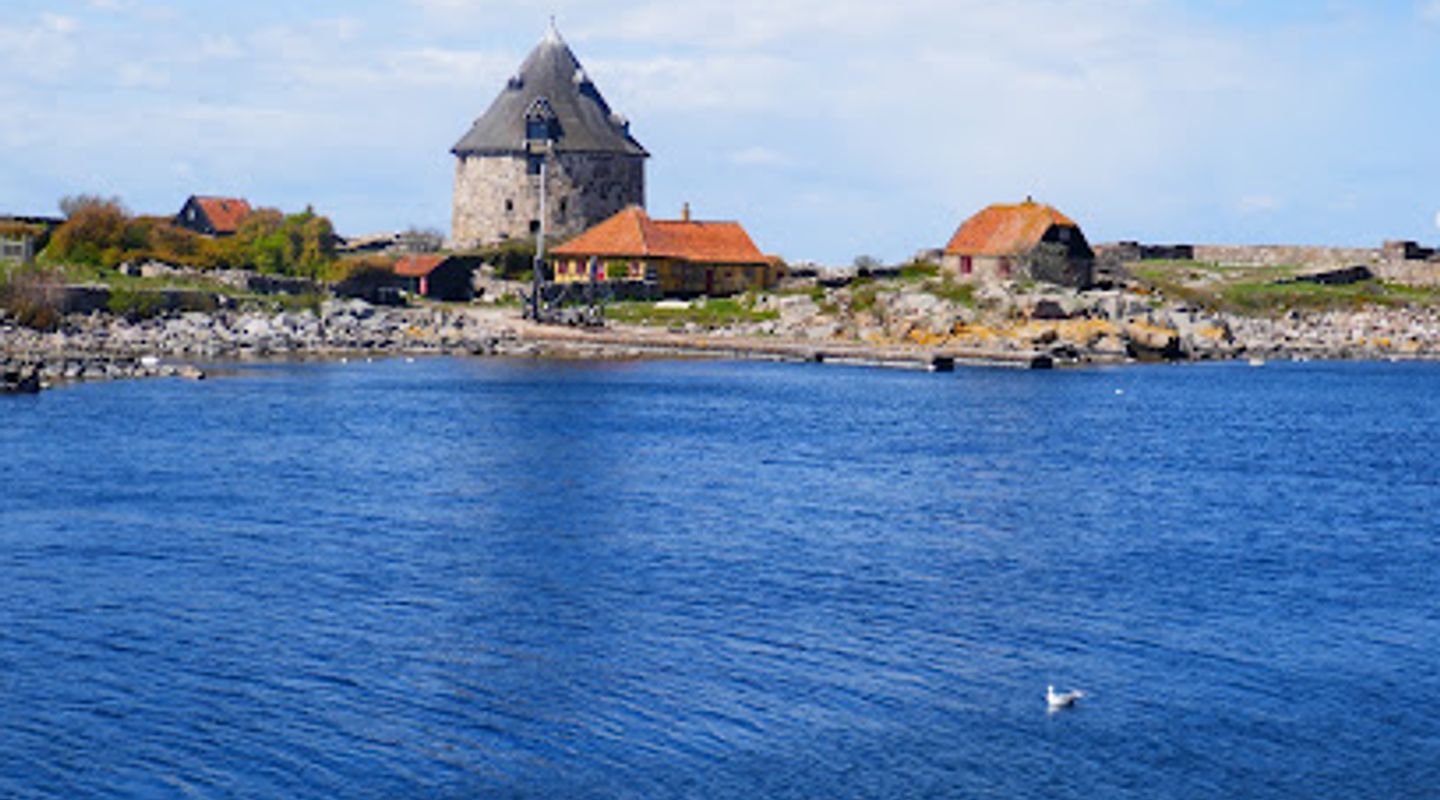
Rising above the tiny Baltic outpost of Christiansø, the Big Tower (Store Tårn) is a 17th‑century fortress tower turned atmospheric lighthouse and cultural space. Once part of Denmark’s easternmost naval stronghold, it now combines thick granite walls, sweeping sea views and contemporary exhibitions. Climb through centuries of military history to a lantern crowned with modern optics, and step out to feel the wind, watch seabirds wheel below and trace the line of the old fortifications encircling the island.
On-site amenities
 Restrooms
 Drink options
 Drinking water
 Food options
 Seating areas
 Picnic areas
 Trash bins
 Information boards
 Visitor centre
Opening hours
- Every day8 am–8 pm
Opening hours as listed on the venue’s Google Business Profile. Hours can change for services and special events, so check with the venue before you go.
- Address
- 3760 Gudhjem
- Website
Getting there
Ferry from Gudhjem, Bornholm
Bus plus on-foot transfer within Bornholm
Bicycle connection to Gudhjem harbor
Discover more about Big Tower
A Baltic Stronghold on the Edge of Denmark
The Big Tower, or Store Tårn, anchors the skyline of Christiansø, a tiny granite island northeast of Bornholm that once formed the core of Denmark’s eastern naval fortress. Built in the late 17th century as part of the Ertholmene stronghold, the tower guarded vital shipping lanes in the Baltic. Its massive circular walls, pierced by narrow embrasures, evoke an era when cannons and signal flags ruled these waters, and the entire island operated as a self‑contained military community.From the ramparts around the tower you can still read the island’s defensive layout: low bastions hugging the shoreline, old gun positions facing the sea and the compact cluster of houses that once served officers, soldiers and craftsmen. The Big Tower was both lookout and symbol of royal power, a stone sentinel visible from far out at sea.
From Fortress Tower to Lighthouse Beacon
Around 1800 the Big Tower took on a new role when it was converted into a lighthouse to aid navigation rather than deter enemies. The upper structure was reworked to house a lantern, and for generations its beam has guided ships between Bornholm and the Swedish coast on dark or stormy nights. Inside, you encounter traces of this transition from garrison life to maritime service: steep internal stairs, storage spaces turned into workrooms and exhibits explaining how light technology developed from simple lamps to modern optics.The tower’s stone base retains its fortress character, with heavy masonry and echoing interiors, but higher up the mood shifts. As you climb, narrow windows widen into viewing slits and, near the top, the lighthouse room feels almost airy. The contrast between the rough, centuries‑old stonework and the clean lines of the lighthouse equipment underlines how the building has adapted to changing needs while keeping its historic core intact.
Exhibitions Inside the Granite Walls
Following a major restoration in the 21st century, the Big Tower has been carefully fitted out to host exhibitions and cultural events without overwhelming its historic fabric. Displays typically explore themes such as naval history, life on an isolated island community and the broader story of Ertholmene as a fortress. Archival images, models and artefacts reveal how the bastions, barracks, powder magazines and towers all worked together as a single defensive machine.In some seasons, the tower also serves as a venue for concerts, talks or art installations. The thick walls give performances an intimate acoustic, and contemporary works gain an extra charge from the surroundings: modern art and music unfolding in a space once shaped for war. At quieter times, interpretive panels allow you to explore at your own pace, tracing the lives of soldiers, lighthouse keepers and island families who passed through these rooms.
Views Across the Ertholmene Archipelago
One of the tower’s great rewards is the panorama from the upper levels. Looking out, you see the neighboring island of Frederiksø linked by a narrow bridge, with the smaller Little Tower that now houses a museum about fortress life. Beyond lie low skerries and bird islands, protected areas where seabirds nest on bare rock and seals haul out on ledges. On clear days the horizon stretches towards Sweden and the Polish coast, emphasizing just how exposed and strategic this position has always been.From this height, the pattern of the island town becomes clear: rows of yellow‑washed barracks and houses, red roofs, the small harbor cupped between granite walls and the open Baltic on all sides. The vantage point makes the scale of Christiansø tangible—it is possible to walk around the main island in under an hour—yet the fortifications lend it the gravity of a much larger place.
Experiencing Island Life Around the Tower
Visiting the Big Tower is as much about atmosphere as it is about individual exhibits. Outside, the wind carries the sound of waves slapping against the rocks and the cries of eider ducks and other seabirds. Narrow paths lead from the tower along the curtain walls, past old cannon positions still occasionally used for ceremonial salutes. In summer, grasses and wildflowers push up against the granite, softening the martial outline of the fortress.Because the islands are a protected nature area as well as a heritage site, there is a strong sense of respect for both environment and history. Simple rules help safeguard nesting birds, fragile vegetation and the tranquility of the small permanent community. Time on Christiansø often feels compressed: a few hours circling the ramparts, exploring the towers and watching the changing light over the sea can leave a vivid impression of life lived at Denmark’s farthest maritime frontier.
Evendo Review Centre
 Google
Guest reviews
Best time to go
Quietest: Jan, Feb & Dec · before 7am or from 10pm
Busy times are Evendo estimates for a typical year, to help you plan. Actual crowds vary with events, school holidays and the weather.
Explore Big Tower on the map
A handpicked selection of must-see spots near Big Tower, mapped for you.
Get your free copy of our complete guide to Big Tower, delivered straight to you.
Everything on this page, from opening hours and how to get there to Eve’s tips and the best time to go, in one PDF you can read offline, print or share.
Already have an account? Sign in
Your Big Tower guide is ready.
We'll send it to · Not you? Sign out

Getting your guide ready…
We are putting together a fresh copy of the Big Tower guide. This can take up to a minute.
This can take a few moments. If your browser asks, choose Allow so the download can start. You'll find the guide in your Downloads folder.
Nothing happened? Download it again
Sorry, the guide is taking longer than usual. Please try again in a minute, or get it by email instead.
Other nearby places you may find interesting
The closest places of the same kind, if this one is not quite what you had in mind.
-
-
-
-
-


Swipe for more places
More to explore near Big Tower

 Best experiences near Big Tower
 Best hotels near Big Tower
 Best landmarks near Big Tower
 Best attractions near Big Tower
 Best shops near Big Tower
 Best restaurants near Big Tower
 Best bars near Big Tower
Do you manage this location?
Take control to get all the benefits, like improved information, better appearance, and stronger visibility across AI-powered discovery.
Explore more

Explore more of Bornholm
Explore Bornholm: Denmark's Baltic gem, offering stunning nature, rich history, and vibrant local culture. Perfect for nature lovers, history buffs, and food enthusiasts.
Explore Bornholm
Explore more of Denmark
Discover Denmark: A perfect blend of history, modern design, and the cozy concept of hygge. Explore vibrant cities, serene landscapes, and world-class cuisine.
Explore Denmark