
Louisenlund, Bornholm Travel Guide
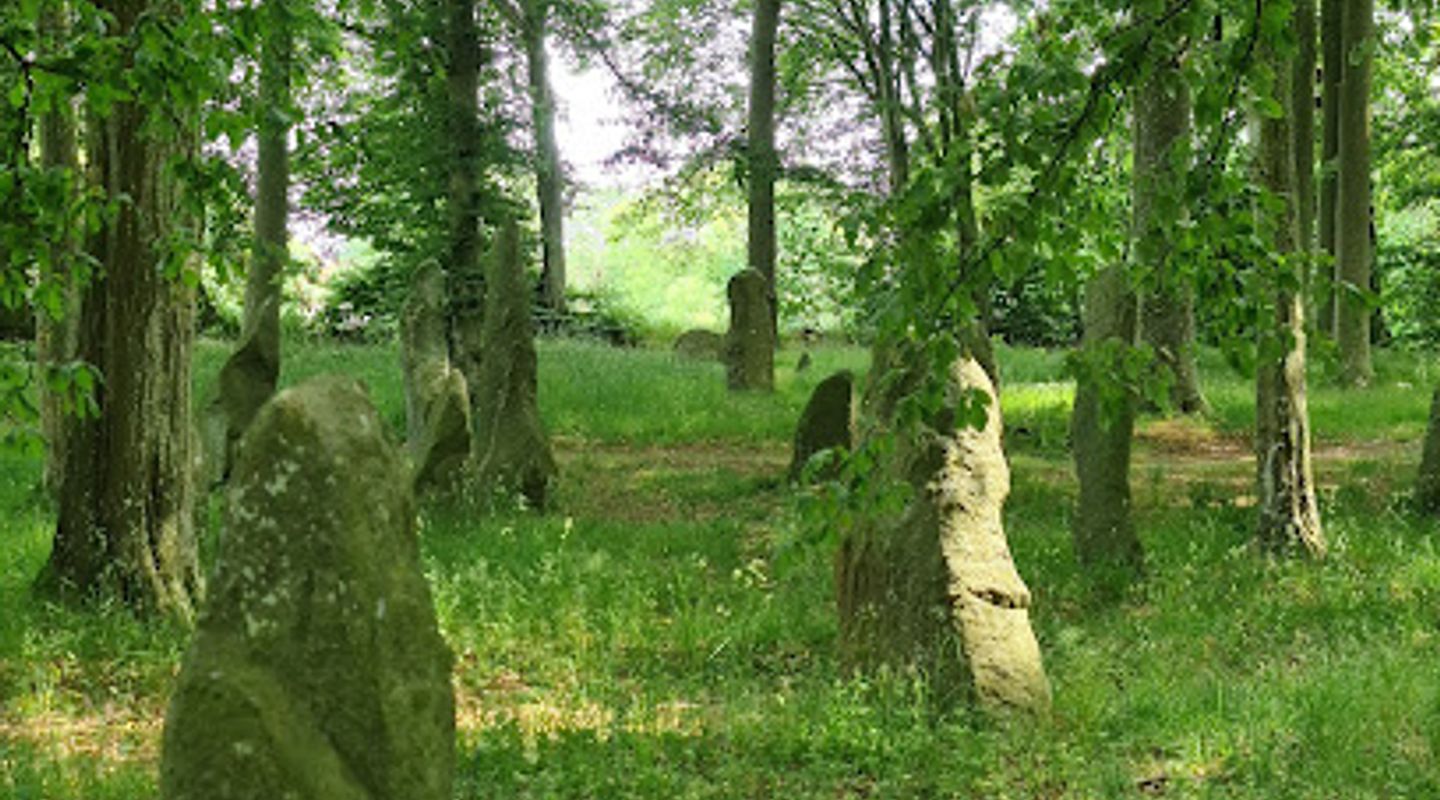
Over 50 ancient standing stones in a mystical woodland setting, revealing Bornholm's Neolithic ritual landscape.
Louisenlund Stone Circle is an ancient megalithic monument on Bornholm featuring over 50 standing stones arranged in a ceremonial landscape. Dating to the Neolithic period, this Bronze Age site represents one of the island's most significant prehistoric archaeological complexes. The stones are scattered across a natural woodland setting, creating an atmospheric gathering place that has drawn visitors for thousands of years. Today, it remains a powerful testament to Bornholm's deep connection to ancient sacred traditions and ritual practices.
A brief summary to Louisenlund
- Østermarie 3751, Østermarie, 3751, DK
- Click to display
- Duration: 1 to 3 hours
- Free
-
 Outdoor
- Mobile reception: 3 out of 5

Know before you go
Hi, I'm Eve. Here are a few practical things to know before exploring Louisenlund.
- Visit during dawn or dusk to experience the site's atmospheric quality and observe how light interacts with the stones across the landscape.
- Wear sturdy footwear and allow time to explore the woodland paths connecting the various stone groupings; the site is best experienced on foot at a leisurely pace.
- Bring binoculars or a camera with zoom capability to examine the details and markings on individual stones from a respectful distance.
- Combine your visit with other Neolithic sites on Bornholm, such as Rispebjerg Ring Fort and the standing stone at Hellig Hågen, to understand the broader prehistoric landscape.
- Check local weather conditions before visiting; the woodland can be muddy after rain, and visibility may be reduced in fog or heavy mist.
Do you manage this location?
Take control to get all the benefits, like improved information, better appearance, and stronger visibility across AI-powered discovery. Learn more about listing your business on Evendo
Activate your presenceOther nearby places you may find interesting
The closest places of the same kind, if this one is not quite what you had in mind.
Explore Louisenlund on the Map
A handpicked selection of must-see spots near Louisenlund, mapped for you.
Getting There
-
Car from Rønne
Drive northeast from Rønne toward Østermarie, approximately 25 kilometers, taking roughly 35–45 minutes via Route 16 and local roads. Parking is available near the site entrance. Standard vehicle access; roads are well-maintained year-round.
-
Bicycle from Østermarie
Cycle from Østermarie village, approximately 3–4 kilometers, taking 15–20 minutes on local cycling routes. Bornholm has an extensive network of dedicated cycle paths. Moderate fitness required; some gentle hills present.
-
Bus from Rønne
Take regional bus service from Rønne toward Østermarie, approximately 45–60 minutes depending on route and stops. Services operate year-round with reduced frequency in winter months. Confirm current schedules locally as routes may vary seasonally.
-
Guided Tour
Join organized heritage tours departing from Rønne or other island towns, typically 4–6 hours including multiple prehistoric sites. Tours include transportation and expert interpretation of Bornholm's Neolithic landscape. Available April through October; advance booking recommended.
For the on-the-go comforts that matter to you
-
 Information Boards
Discover more about Louisenlund
An Ancient Gathering Place Frozen in Stone
Louisenlund Stone Circle stands as one of Bornholm's most evocative prehistoric monuments, a landscape of over 50 standing stones that stretch across a natural woodland setting in the eastern part of the island. These menhirs, some reaching considerable heights, were erected during the Neolithic period and represent a sophisticated understanding of ceremonial space and astronomical alignment. The arrangement of the stones suggests they served multiple purposes: markers for seasonal gatherings, ritual centers, and possibly astronomical observatories aligned with celestial events. Walking among these ancient sentinels, visitors encounter a tangible connection to communities that inhabited this Baltic island thousands of years before written history.Neolithic Craftsmanship and Symbolic Meaning
The stones at Louisenlund were carefully selected and positioned, with many bearing evidence of deliberate shaping and placement. Archaeological investigation has revealed that the site was not constructed in a single phase but developed over centuries, with stones added and repositioned as the site's ritual significance evolved. The largest menhirs stand as focal points within the circle, while smaller stones create pathways and define sacred zones. The choice of granite and other local stone types reflects the builders' intimate knowledge of the landscape and their ability to transport and erect massive blocks without modern machinery. Each stone carries the marks of human intention and effort, making Louisenlund a profound expression of prehistoric engineering and spiritual vision.Ritual Significance and Seasonal Ceremonies
Evidence suggests that Louisenlund functioned as a ceremonial center where communities gathered for important seasonal events and rites of passage. The spatial arrangement of the stones creates natural gathering areas and sight lines that align with solar and lunar events, indicating that the builders possessed sophisticated astronomical knowledge. Excavations have uncovered artifacts including pottery, tools, and remnants of ritual fires, suggesting that ceremonies involving feasting, offerings, and communal gatherings took place here. The site's location within a forest clearing would have enhanced its sacred character, creating a liminal space between the cultivated settlements and the wild landscape beyond.Bornholm's Prehistoric Landscape
Louisenlund is part of a broader network of prehistoric sites that dot Bornholm, including other stone circles, burial mounds, and fortified settlements. This concentration of Neolithic and Bronze Age monuments indicates that the island was densely populated and held particular spiritual significance for ancient Baltic communities. The presence of similar megalithic sites across northern Europe suggests that Bornholm participated in a shared cultural tradition, with knowledge and practices flowing across maritime trade routes. The island's position in the Baltic made it a natural hub for exchange and communication, allowing ideas about ritual practice and monument building to spread and develop.Experiencing the Monument Today
Visiting Louisenlund offers a contemplative encounter with deep time. The woodland setting preserves much of the atmosphere that would have surrounded the site in antiquity, with the stones emerging from the forest floor as if still guarding their ancient secrets. The scale of the monument becomes apparent only when walking among the stones, experiencing the effort required to position such massive blocks and the intentionality behind their arrangement. The site invites slow exploration and reflection, allowing visitors to sense the continuity between past and present and to appreciate the enduring human impulse to mark sacred space and gather in community.












Your all‑in‑one travel companion app
Explore expert travel guides, compare and book tours, experiences, hotels, and more—all from the palm of your hand. Download now for seamless trip planning wherever your wanderlust takes you.


Explore More of Bornholm

Looking beyond Louisenlund? Discover Bornholm for broader travel guides, local hot-spots, and regional highlights.
Explore Bornholm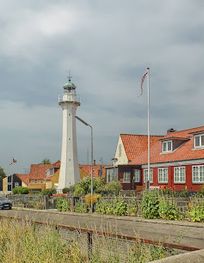
A slender white cast-iron lighthouse above Rønne’s harbour, once a vital guiding light and now a simple, elegant symbol of Bornholm’s maritime gateway.
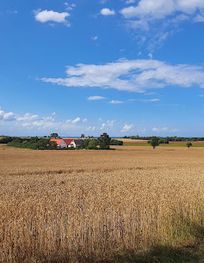
A 5,000-year-old Stone Age passage grave revealing Neolithic Bornholm's ancient burial traditions and architectural ingenuity.
