Big Tower, Bornholm Travel Guide
A 17th-century sea fortress tower reborn as a lighthouse and cultural beacon, with sweeping Baltic views from Denmark’s remote eastern outpost.
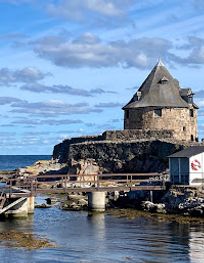
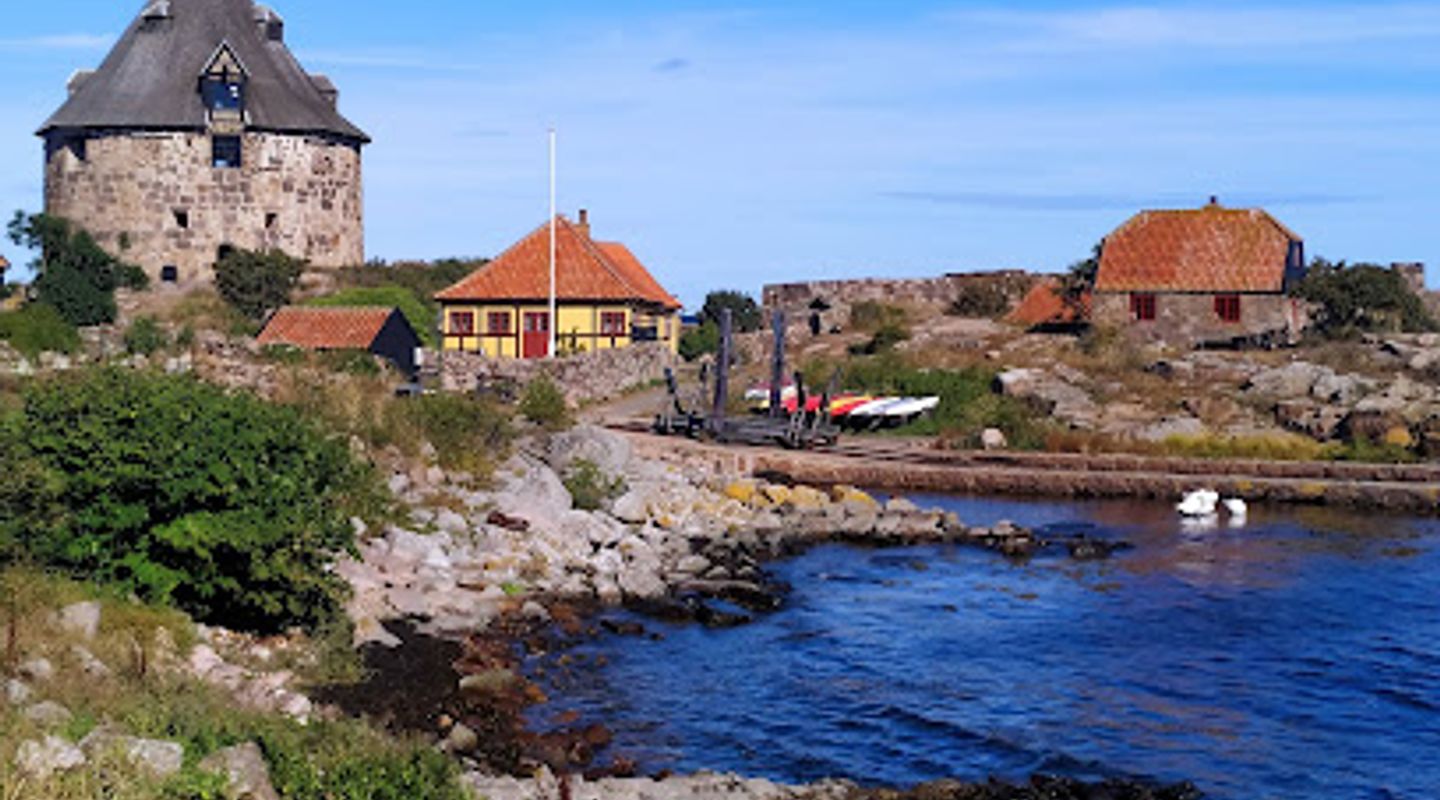
Rising above the tiny sea fortress of Christiansø, the Big Tower (Great Tower) is a 17th-century bastion turned lighthouse and cultural space. Built as part of Denmark’s oldest naval fortress, it once guarded Baltic trade routes and later guided ships with its beacon. After a careful renovation in 2017, the tower now hosts atmospheric exhibitions and events, while its upper levels offer evocative views over ramparts, red-roofed houses and the open Baltic Sea surrounding this remote island outpost.
A brief summary to Big Tower
- Gudhjem, 3760, DK
- Click to display
- Duration: 0.5 to 2 hours
- Mid ranged
-
 Mixed
Mixed
- Mobile reception: 3 out of 5
- Monday 8 am-8 pm
- Tuesday 8 am-8 pm
- Wednesday 8 am-8 pm
- Thursday 8 am-8 pm
- Friday 8 am-8 pm
- Saturday 8 am-8 pm
- Sunday 8 am-8 pm

Know before you go
Hi, I'm Eve. Here are a few practical things to know before exploring Big Tower.
- Combine your tower visit with the Little Tower museum on Frederiksø for a fuller picture of the sea fortress history; joint tickets are typically available.
- Wear sturdy shoes: interior stairs are relatively steep and outdoor paths can be uneven, especially around the ramparts and rocky shoreline.
- Bring a light jacket even in summer; the exposed island and tower top can be breezy and noticeably cooler than mainland Bornholm.
- Plan extra time to walk the ramparts after your visit; the most atmospheric views of the tower are from the bastions and harbour area below.
- Check locally for exhibition or concert schedules inside the tower, especially in summer, when cultural events add another dimension to the visit.
Do you manage this location?
Take control to get all the benefits, like improved information, better appearance, and stronger visibility across AI-powered discovery. Learn more about listing your business on Evendo
Activate your presenceOther nearby places you may find interesting
The closest places of the same kind, if this one is not quite what you had in mind.
Explore Big Tower on the Map
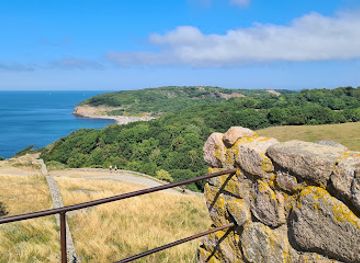
A handpicked selection of must-see spots near Big Tower, mapped for you.
Getting There
-
Ferry from Gudhjem (standard passenger service)
From Gudhjem on Bornholm, take the regular passenger ferry to Christiansø; the crossing usually takes about 55–60 minutes each way and runs at least once daily year-round, with more departures in summer. Tickets are typically in the range of 200–300 DKK per adult return, with discounts for children and off-season sailings. Sailings can be affected by strong winds or heavy seas, so checking same-day conditions and reserving in advance during peak months is strongly recommended.
-
Organised day trip via local operator
Several Bornholm-based operators bundle ferry transport from Gudhjem with a guided walk on Christiansø and entry to key sights, often including the Big Tower. These day trips generally last 4–6 hours in total, factoring in sailing time, and cost roughly 350–600 DKK per adult depending on inclusions. Group sizes, language options and schedules are fixed, and departures concentrate in the late spring to early autumn season.
-
Independent visit from elsewhere on Bornholm using bus plus ferry
If you are staying in towns such as Rønne or Nexø, you can travel by regional bus to Gudhjem in about 30–60 minutes, then connect with the Christiansø ferry. A combined bus and ferry journey typically takes 1.5–2.5 hours one way, with bus tickets in the range of 25–60 DKK depending on distance and the ferry ticket purchased separately. Bus services are regular but follow reduced timetables on weekends and public holidays, so align your outbound and return buses carefully with ferry departures.
For the on-the-go comforts that matter to you
-
 Restrooms
-
 Drink Options
-
 Drinking Water
-
 Food Options
-
 Seating Areas
-
 Sheltered Areas
-
 Trash Bins
-
 Information Boards
-
 Visitor Center
Discover more about Big Tower
Sea Fortress Sentinel Above the Baltic
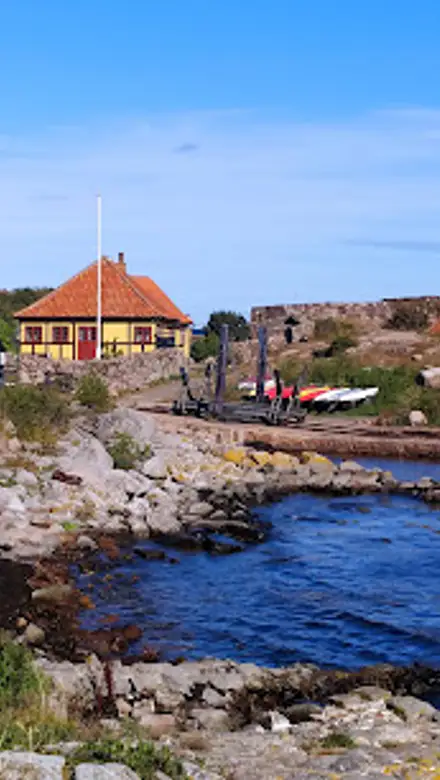
The Big Tower, often called the Great Tower, dominates the low profile of Christiansø, a tiny rocky island far off Bornholm’s northeast coast. Completed in the late 1600s as part of the Ertholmene sea fortress, it was built to watch over one of Denmark’s most strategic stretches of water. Massive stone walls, narrow openings and sturdy foundations still speak of a time when enemy ships and privateers were a real threat, and this remote outpost formed a shield for the kingdom.From the outside, the tower’s rounded bulk rises directly from the granite landscape, surrounded by ramparts, bastions and neat lines of yellow and red houses. The proximity of the sea is constant: gulls circle overhead, wind rattles rigging in the small harbour, and the salty tang of the Baltic reaches right up to the tower’s entrance.From Lighthouse Beam to Modern Renewal
In 1800 the Big Tower gained a new life as a lighthouse, guiding ships instead of defending against them. The lantern once threw its beam far across dark water, helping captains steer safely past reefs and shoals. When the naval fortress closed in the 1850s and the military presence faded, the tower slowly deteriorated, its interior ageing along with the rest of the former stronghold.A major restoration completed in 2017 transformed the structure without erasing its history. Today, the interior feels bright and carefully modernised, with discreet fittings and exhibition spaces set against bare stone. As you move between levels, you sense both the weight of centuries and the island’s decision to keep the tower as a living part of community life rather than a frozen relic.Exhibitions Inside the Old Walls
Within the tower you find changing cultural events, art shows and historical displays that interpret Christiansø’s past as a naval base and later as a small, tightly knit island society. Exhibits may explore life in a garrison town, the evolution of lighthouses, or the strategic importance of this easternmost outpost. Text, objects and atmospheric lighting all work within the curved masonry, creating an intimate feeling quite different from large mainland museums.Spaces are compact and linked by relatively steep stairs, a reminder that this was never designed as a public building. Narrow embrasures frame glimpses of the sea, while thicker interior walls hold traces of older fittings and adaptations. Even during an event or concert, you remain aware that you are standing inside a centuries-old defensive core.Views Across a Living Island Fortress
Climbing higher, the tower gradually reveals the layout of Christiansø and neighbouring Frederiksø. From the viewing levels you look down on complete 17th- and 18th-century fortifications, stone cottages, half-timbered houses and the sheltered harbour that links the two islands by a short bridge. Beyond the walls, the Baltic stretches towards the horizon, sometimes glassy and pale, sometimes dark and wind-streaked.On clear days, the contrast between the green interior gardens, rocky shoreline and open sea is striking. Cannons still line some bulwarks, and you can pick out the Little Tower on Frederiksø, which houses the island’s museum. The setting feels surprisingly self-contained: a miniature society with its own school, guesthouse, workshop yards and busy harbour, all clustered around the same stronghold that once guarded the realm.Part of a Protected Nature and Heritage Haven
The Big Tower stands within a protected area where fortress remains, village structures and surrounding wildlife all enjoy special status. The Ertholmene archipelago is state-owned and overseen as a heritage and nature reserve, and the islands host large bird colonies and frequent seal sightings just offshore. Walking between the tower and the shoreline, you move from thick walls and cobbled paths to low heather, grasses and sea-exposed rocks in just a few steps.This combination of robust military architecture, tiny community life and raw Baltic environment makes a visit feel both concentrated and varied. The tower itself is a focal point, but it is also a gateway: after stepping back out into the wind, you are drawn to explore ramparts, old prison buildings, jetties and quiet corners where the long story of this sea fortress continues to unfold.












Your all‑in‑one travel companion app
Explore expert travel guides, compare and book tours, experiences, hotels, and more—all from the palm of your hand. Download now for seamless trip planning wherever your wanderlust takes you.


Explore More of Bornholm

Looking beyond Big Tower? Discover Bornholm for broader travel guides, local hot-spots, and regional highlights.
Explore Bornholm