
Langelinieparken
Leafy lawns, harbour views and historic monuments meet along this elegant Copenhagen waterfront park, a green promenade linking the Little Mermaid with the city’s royal quarter.
Stretching along Copenhagen’s harbourfront in Indre By, Langelinieparken is a graceful blend of leafy park and waterfront promenade. Here manicured lawns, flower beds and shady trees frame views of cruise ships gliding into port, while paths lead past monuments like the Ivar Huitfeldt memorial and towards icons such as the Little Mermaid, Gefion Fountain and Kastellet fortress. It is an easygoing place for strolls, quiet breaks on benches and unhurried people-watching beside the Øresund.
A brief summary to Langelinieparken
- Langelinie 25, Langelinieparken, Copenhagen, Indre By, 2100, DK
- +4533663366
- Visit website
- Duration: 1 to 3 hours
- Free
-
 Outdoor
- Mobile reception: 5 out of 5
- Monday 12 am-12 am
- Tuesday 12 am-12 am
- Wednesday 12 am-12 am
- Thursday 12 am-12 am
- Friday 12 am-12 am
- Saturday 12 am-12 am
- Sunday 12 am-12 am
Local tips
- Aim for early morning or late afternoon for softer light, fewer crowds around the Little Mermaid and more atmospheric harbour views.
- Bring a light extra layer: the breeze off the Øresund can feel significantly cooler than in the nearby city streets, even on sunny days.
- Combine your walk through Langelinieparken with short detours to the Gefion Fountain and Kastellet fortress to get a fuller sense of the area’s history.
- If you plan to photograph the Ivar Huitfeldt memorial and harbour, a wide‑angle lens or phone panorama mode captures both monument and water in one frame.

For the on-the-go comforts that matter to you
- Restrooms
- Drink Options
- Drinking Water
- Food Options
- Seating Areas
- Trash Bins
- Information Boards
Getting There
-
Metro and walk from central Copenhagen
From central Copenhagen, take the M3 or M4 metro to Marmorkirken or Østerport, a ride of about 5–8 minutes with departures every few minutes. A single ticket typically costs around 20–30 DKK within the city zones. From either station, expect a pleasant 10–20 minute walk through the inner harbour area on mostly flat, paved paths that are suitable for wheelchairs and strollers, though it can be windy along the waterfront.
-
City bus connection
Several city buses run towards the harbourfront near Langelinieparken from hubs such as Nørreport and the City Hall area, with typical journey times of 15–25 minutes depending on traffic. Standard city bus tickets cost roughly 20–30 DKK and can be bought via ticket machines or mobile apps. Buses are low‑floor and generally accessible, but be aware that services thin out late at night and during some holidays.
-
Harbour bus by water
For a scenic approach, use Copenhagen’s harbour buses, which operate like regular public transport boats along the inner harbour. Trips from central stops such as Nyhavn or Knippelsbro to the northern harbour area usually take 15–25 minutes and cost about the same as a metro or bus ticket, around 20–30 DKK. Services run regularly in daytime and early evening, but can be less frequent in winter and in very bad weather when sailings may be reduced.
-
Bicycle from the city centre
Copenhagen’s dense cycle‑lane network makes it straightforward to reach Langelinieparken by bike from most central districts in around 10–20 minutes at an easy pace. You can use a rented city bike or a private bicycle; typical city bike rentals start at about 20–40 DKK per hour. Dedicated bike lanes lead almost the entire way, but the waterfront can be busy on sunny days, so expect slower speeds and mixed traffic with pedestrians near the park entrances.
Langelinieparken location weather suitability
-
 Clear Skies
-
 Hot Weather
-
 Cold Weather
-
 Mild Temperatures
-
 Any Weather
-
 Windy Conditions
Discover more about Langelinieparken
Harbourside green escape in the heart of Copenhagen
Langelinieparken unfurls along the eastern edge of central Copenhagen, where the city’s historic core meets open water. On one side you have lawns, trees and pockets of flower beds; on the other, the broad sweep of Copenhagen’s harbour, busy with ferries, sightseeing boats and, in season, towering cruise ships docking at Langelinie Pier. Paths wind gently between water and greenery, inviting unhurried walks, cycling and pauses on benches that look onto the sea. Although the address is firmly urban, the park feels surprisingly spacious. Grass slopes step down towards the quayside, and the air tends to be noticeably fresher, stirred by a constant breeze off the Øresund. It is a place where office workers slip away for a breather, families meander with prams, and visitors use the park as a soft, green approach to some of Copenhagen’s most photographed landmarks.History from royal promenade to public parkland
The story of Langelinie goes back to the 17th century, when this long strip of shoreline formed part of Copenhagen’s defensive zone and was closed to ordinary citizens. Later it evolved into an exclusive promenade and park for the city’s bourgeoisie, who paid a toll for the privilege of walking here while the wider public was kept out. Only in the mid‑19th century, after political upheaval, did the waterfront gradually open to everyone, setting the stage for the relaxed, democratic park you experience today. Industrial ambitions reshaped the shoreline in the 1890s, when a deep‑water quay was built to accommodate ever larger ocean‑going ships. The resulting Langelinie Pier remains one of Copenhagen’s main cruise terminals, and the sight of a gleaming liner towering above the tree line has become part of the park’s character. This blend of historic fortifications, genteel promenade and modern harbour engineering gives Langelinieparken a layered, slightly cinematic feel.Monuments, memorials and quiet corners
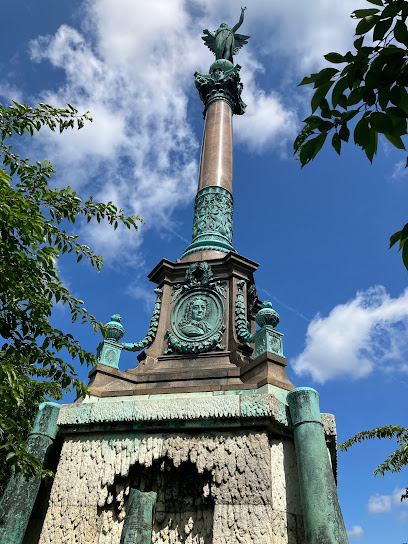
Within the park itself, the most striking vertical accent is the Ivar Huitfeldt memorial, a tall column crowned with a gilded victory figure. It commemorates Admiral Ivar Huitfeldt and his crew, who died in a naval battle during the Great Northern War. Set on a small rise and framed by trees, the column acts as a focal point and a popular photography subject, especially when late light catches the gold at the top. Scattered along the paths are further sculptures, smaller memorials and occasional pieces of modern art, giving even a casual stroll a gallery‑like quality. You might find yourself pausing by a bronze figure facing the sea, or a more abstract work partially hidden in shrubbery. Between these points of interest lie quieter patches of grass where people sprawl with books, children chase birds and couples lean against the low harbour wall watching boats trace lines across the water.Gateway to Copenhagen’s waterfront icons
Although Langelinieparken is pleasant in its own right, it also acts as a green corridor to some of Copenhagen’s headline sights. Following the waterfront south brings you to the dramatic Gefion Fountain, the city’s largest, with mythic oxen surging forward in bronze spray. Just beyond are the star‑shaped earthworks of Kastellet, one of northern Europe’s best‑preserved fortresses, whose ramparts offer more views back over the park and harbour. Perhaps the most famous neighbour sits roughly midway along the waterfront: the Little Mermaid statue perched on a rock just off the shore. While the sculpture itself is modest in size, the approach through trees and open lawns of Langelinieparken softens the experience, turning it into part of a longer walk rather than a single checklist stop. With Amalienborg Palace, the Marble Church and the inner harbour only a short distance away, the park is well placed as a starting point or pause on a broader exploration of Copenhagen’s royal and maritime quarter.Seasons, atmosphere and practical comforts
The character of Langelinieparken shifts with the seasons. In spring, flowering trees and beds give the park a pastel softness, while in summer the lawns can feel almost beach‑like as people stretch out towards the water. Autumn brings burnished colours to the avenues of trees and clearer views across the harbour; in winter, the exposed waterfront can be bracing, but low, cold light and the silhouettes of ships lend the area a stark beauty. Facilities are quietly woven into the landscape. Benches and informal seating spots line both paths and quayside, and you will often find simple food stalls or nearby cafés where you can pick up ice cream, coffee or a quick snack. The broad, mostly level surfaces make the area accessible for wheelchairs and prams, and there are opportunities to connect your visit with boat trips or walks further into the city’s historic centre without ever losing sight of the water. Whether you stay for half an hour or an entire afternoon, Langelinieparken offers a calm, maritime frame for experiencing Copenhagen outdoors.Iconic landmarks you can’t miss

Iver Huitfeldt Memorial
0.0 km
A soaring tribute to Danish heroism, the Iver Huitfeldt Memorial stands sentinel over Copenhagen’s harbor, blending history, artistry, and breathtaking waterfront views.
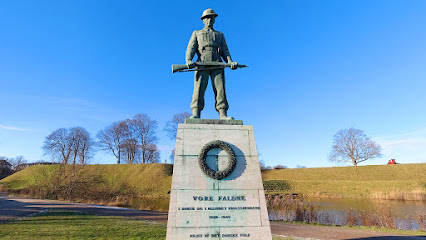
Our Fallen
0.3 km
A bronze tribute to World War II sacrifice, standing sentinel at Kastellet's gate since 1957.
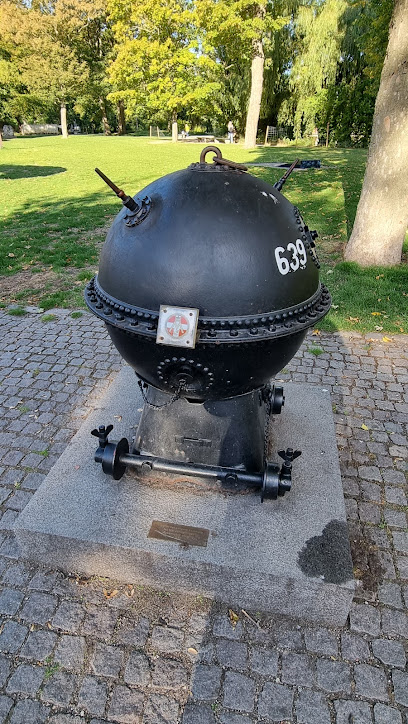
Horn mine
0.3 km
A disarmed World War II naval mine displayed in Churchill Park, turning a former weapon of the sea into a quiet reminder of conflict amid central Copenhagen’s greenery.
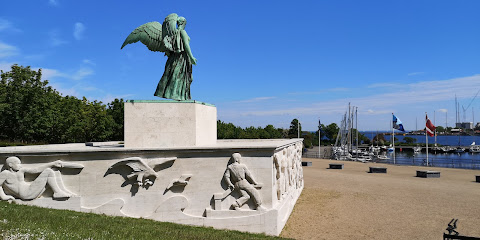
Maritime Monument
0.4 km
Honoring Denmark’s seafaring legacy, the Maritime Monument in Østerbro is a striking, evocative memorial nestled in the heart of Copenhagen’s leafy cityscape.
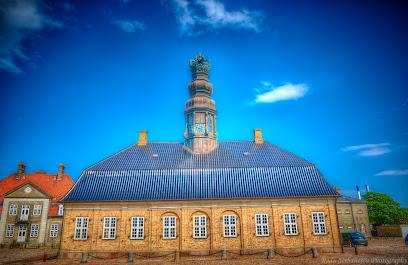
Nyholm Central Guardhouse
0.5 km
Discover Aarhus’s Latin Quarter, where historic charm meets a lively cultural scene, bustling cafés, artisan shops, and rich Danish heritage in the city’s oldest district.
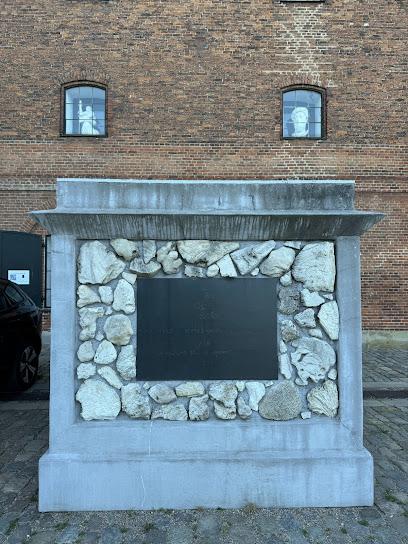
I am Queen Mary
0.5 km
A powerful harborfront monument honoring rebel leader Mary Thomas, confronting Copenhagen’s colonial past beside the historic West Indian Warehouse.
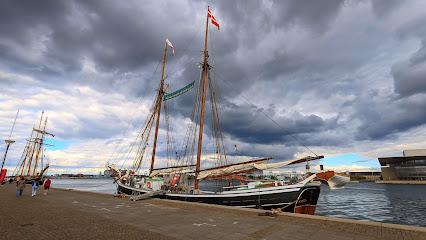
Larsens Pl.
0.7 km
Historic waterfront where Scandinavian dreams embarked for America, now a refined promenade of heritage and harbour views.
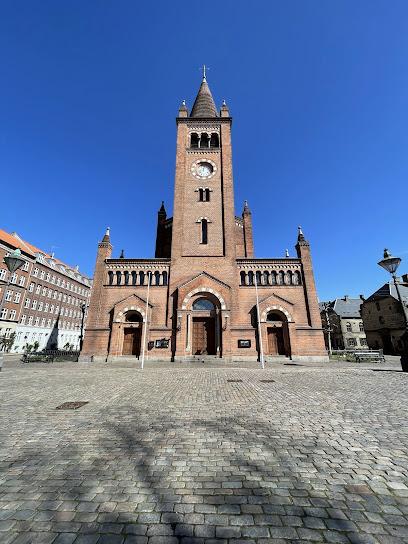
St. Paul's Church
0.9 km
Neo‑Romanesque red brick meets ochre-yellow naval housing at this calm parish church, giving Nyboder a quiet spiritual heart amid central Copenhagen.
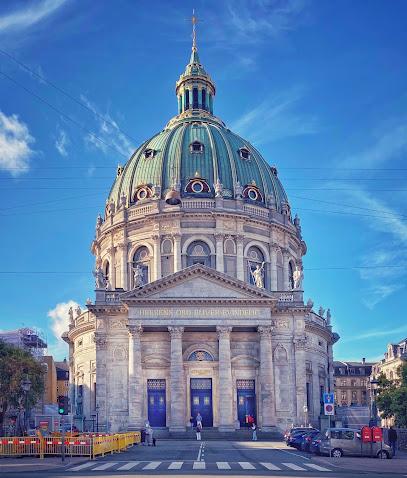
Frederik's Church
0.9 km
Copenhagen's iconic copper-domed masterpiece—a 145-year architectural triumph offering panoramic views and spiritual grandeur.
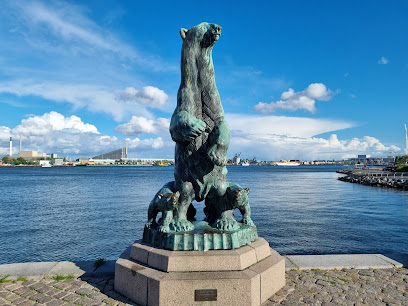
Langelinie
0.9 km
Discover Copenhagen's iconic waterfront promenade, home to the Little Mermaid, historic landmarks, and stunning harbor views, offering a captivating blend of culture and maritime charm.
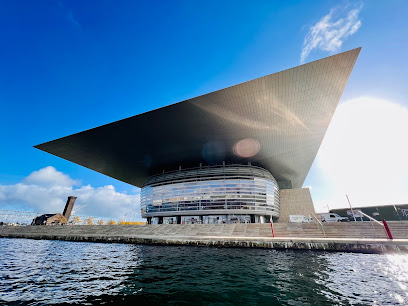
Copenhagen Opera House
1.0 km
An architectural landmark on Copenhagen’s harbor, the Opera House blends Scandinavian design with world-class performances and spectacular waterfront views.
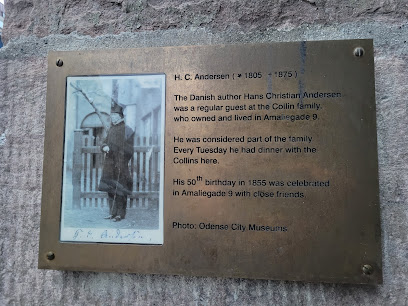
Hans Christian Andersen plaque
1.0 km
A modest plaque on elegant Amaliegade quietly marks Hans Christian Andersen’s presence amid the formal mansions and palace axis of Copenhagen’s Frederiksstaden.
The Kissing Stairs
1.1 km
Copenhagen's beloved waterfront amphitheatre where culture, community, and harbour views converge.
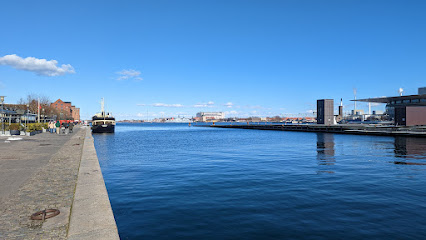
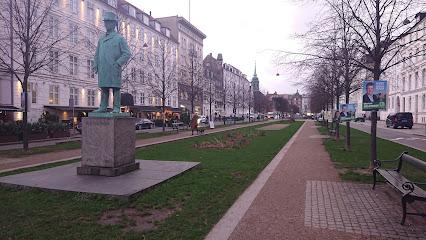
Sankt Annæ Pl.
1.1 km
Historic square blending royal heritage, climate innovation, and urban livability in central Copenhagen.
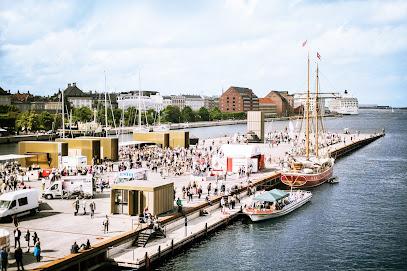
Ofelia Plads
1.2 km
Copenhagen's iconic waterfront plaza where culture, harbor views, and the famous kissing stairs meet the sea.
Unmissable attractions to see

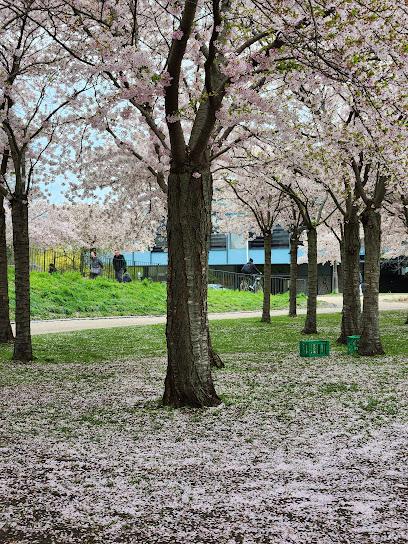
Langelinie Park
0.0 km
Explore Denmark's first public museum, showcasing the neoclassical masterpieces of Bertel Thorvaldsen in the heart of Copenhagen.
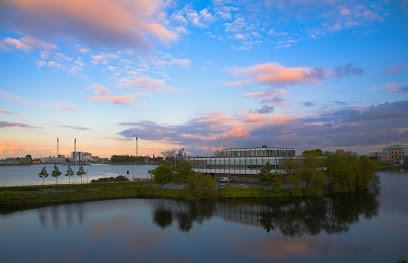
Langelinie Pavillonen
0.1 km
Experience modernist elegance and panoramic harbor views at Copenhagen's iconic Langelinie Pavillonen.
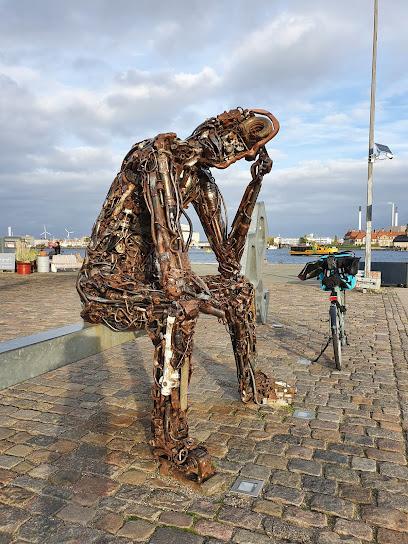
ZinkGlobal by Kim Michael
0.2 km
A contemplative scrap-metal thinker on Copenhagen’s harborfront, ZinkGlobal fuses recycled machinery with big ideas about the future and our industrial past.
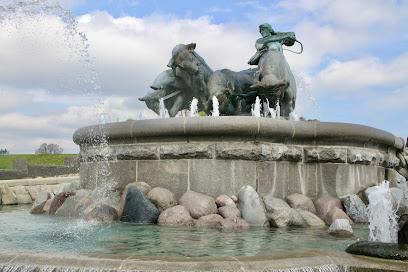
Gefion Fountain
0.2 km
Copenhagen’s creation myth cast in bronze, the Gefion Fountain hurls goddess, oxen and water into a powerful tableau beside the harbour and Churchillparken.
The Little Mermaid
0.2 km
Historic harbor district ablaze with color, culture, and canals—Nyhavn is Copenhagen’s most iconic and photogenic waterfront destination.

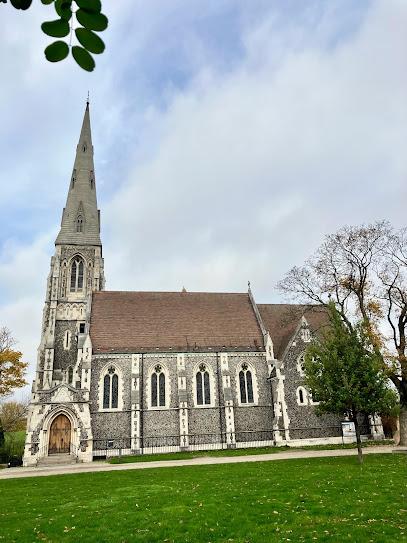
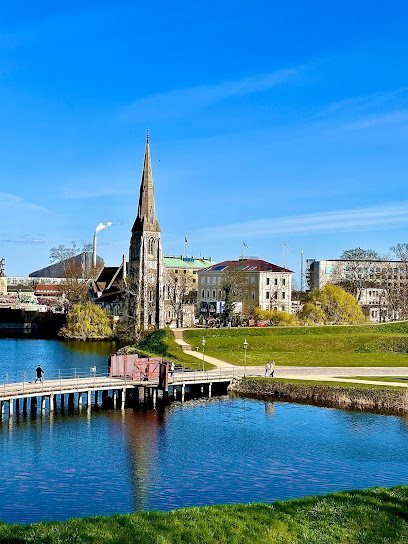
St Alban's Church
0.2 km
Step into history and legend at Kronborg Castle, a UNESCO World Heritage site famed as Hamlet’s ‘Elsinore,’ overlooking the spectacular Øresund Strait.
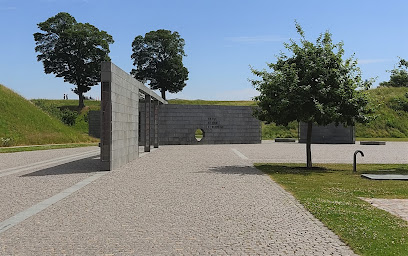
Monument to Denmark's international activities after 1948
0.3 km
A quiet, contemporary memorial within Copenhagen’s star-shaped fortress, honoring Denmark’s post‑1948 international missions with flame, stone and thoughtful space.
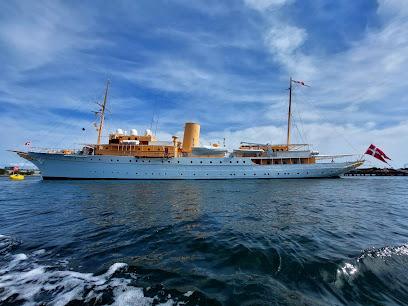
Kongeskibet Dannebrog
0.3 km
An elegant white royal yacht moored in Copenhagen’s harbour, Kongeskibet Dannebrog is a floating palace, naval vessel and living symbol of modern Danish monarchy.
Kastellet
0.3 km
Explore Rosenborg Castle, Copenhagen's Renaissance masterpiece housing Denmark's crown jewels and royal regalia.
Museum of Danish Resistance
0.4 km
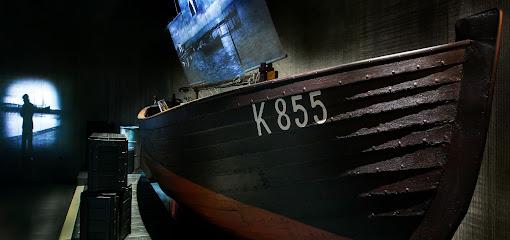
Go underground beneath Churchill Park to follow five real lives through Denmark’s World War II occupation, in an immersive museum of resistance, choices and courage.
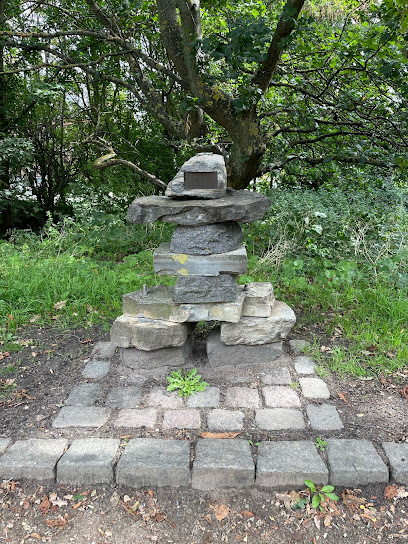
Inugsuk
0.4 km
Discover one of Europe's oldest and most innovative zoos, home to over 4,000 animals and award-winning habitats in the leafy heart of Frederiksberg, Copenhagen.
Designmuseum Danmark
0.6 km
Copenhagen’s temple of design, where rococo halls, iconic Danish chairs and a tranquil garden reveal how beautifully made objects shape everyday life.
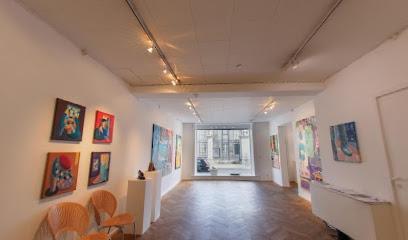
Bredgade Kunsthandel
0.6 km
Refined contemporary art gallery on Copenhagen’s Bredgade, where Danish and international works unfold in bright, minimalist rooms just steps from royal and design landmarks.
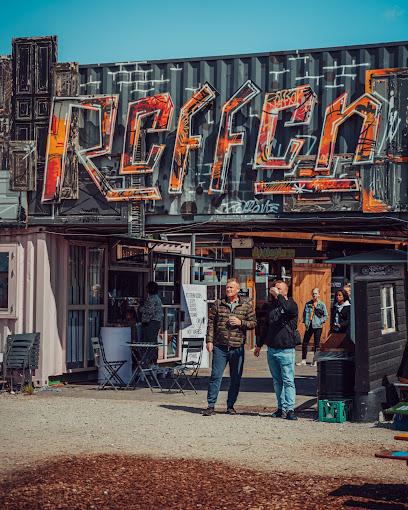
Reffen - Skøjteøen
0.6 km
Industrial harbour vibes meet global street food, live events and a glowing winter ice rink at Copenhagen’s most atmospheric container village.
Medicinsk Museion
0.7 km
Historic surgical academy turned cutting‑edge medical museum, where preserved bodies, instruments and contemporary science exhibitions reveal how we understand health and disease.
Essential places to dine

La Banchina
0.7 km
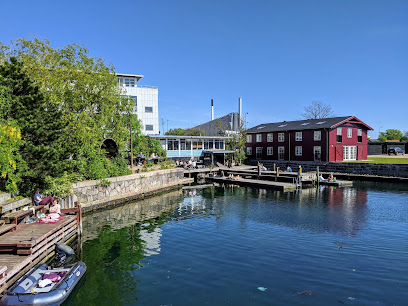
Tiny blue harbour house on Refshaleøen blending seasonal pescatarian cooking, natural wines, sauna culture and swims into one uniquely Copenhagen experience.
Veve
0.8 km
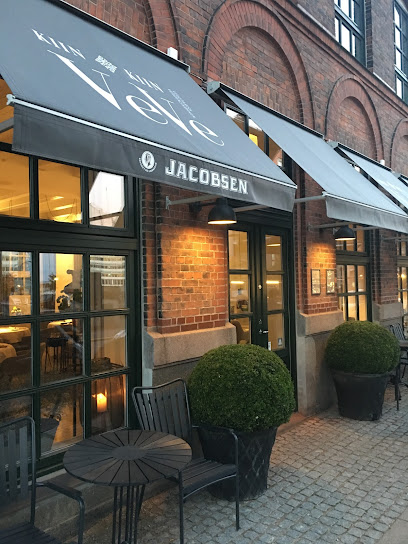
A destination for innovative, plant-based fine dining in Østerbro, where Nordic purity meets global flavors for an unforgettable vegetarian tasting menu experience.
Kokkeriet
1.0 km
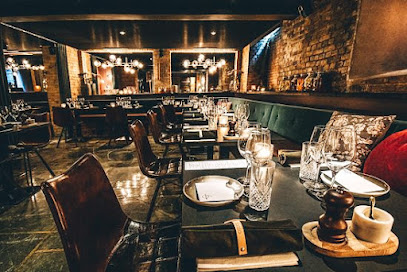
Intimate Michelin-starred townhouse in central Copenhagen, reimagining classic Danish cuisine as elegant modern tasting menus with curated wines and juices.
Alchemist
1.0 km
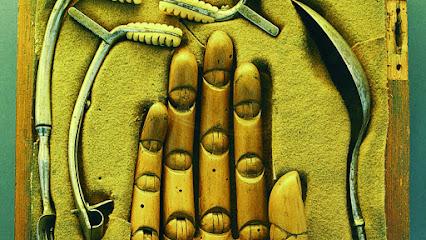
A boundary-pushing Copenhagen icon where fine dining, art installation and social commentary fuse into a five-hour, 50-course immersive experience under a vast projected dome.
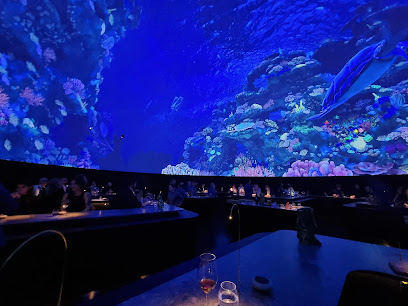
Aoc
1.1 km
Two Michelin stars of bold Nordic flavors in a historic 17th-century cellar.
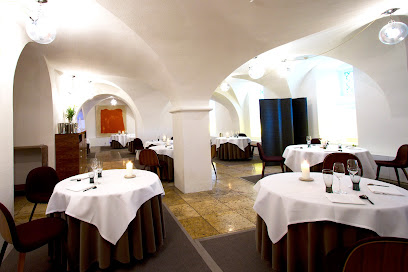
Restaurant Rebel
1.1 km
Seasonal Danish produce meets French technique at this relaxed, MICHELIN-recommended bistro on Store Kongensgade, where an open kitchen and inventive plates define the mood.
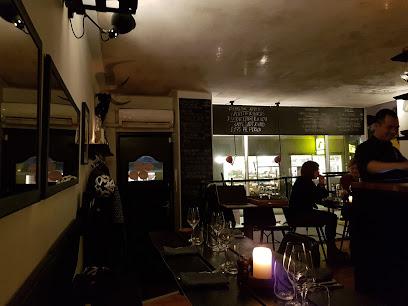
Noma
1.1 km
Boundary-pushing New Nordic tasting menus in an understated waterfront warehouse, where radical seasonality, fermentation and Danish warmth shape an immersive dining experience.
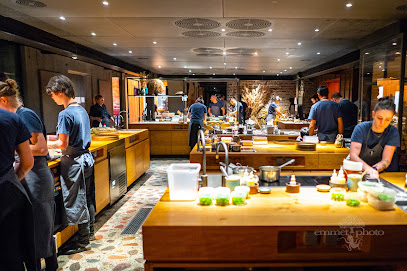
Restaurant Koefoed
1.2 km
Fine dining in a historic coal cellar celebrating Bornholm's culinary traditions and Danish gastronomy.
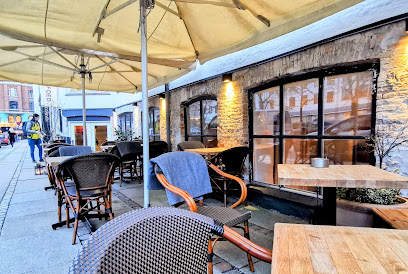
Restaurant Vita
1.2 km
Historic Danish dining in a former royal pharmacy, serving traditional smørrebrød and national classics.
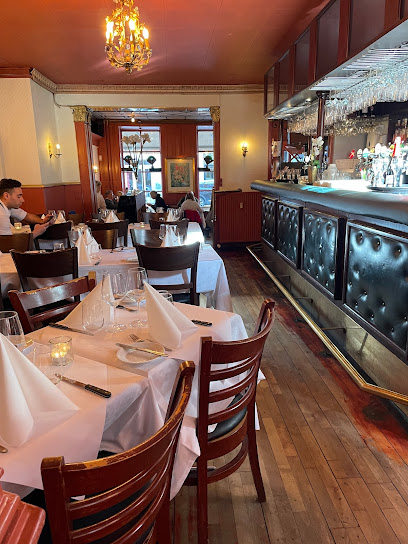
Den Lille Fede
1.3 km
Cosy, candlelit tasting-menu restaurant near Kongens Nytorv, where playful Nordic-inspired courses and thoughtful wine pairings turn dinner into an unhurried evening event.
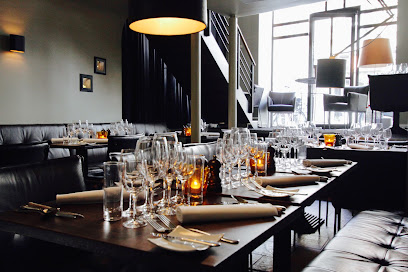
Khun Juk
1.3 km
Refined Thai dining tucked into Copenhagen’s iconic Nyhavn, where candlelit tables, fresh flowers and layered flavors turn dinner into an intimate evening event.
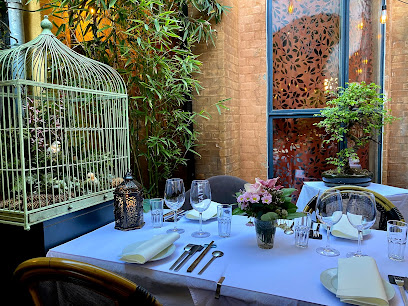
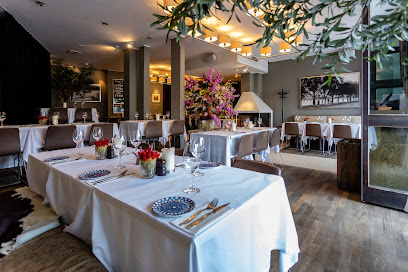
Dag H
1.3 km
Stylish Østerbro brasserie offering classic bistro plates, all-day dining, and a cosmopolitan terrace in Copenhagen’s embassy quarter.
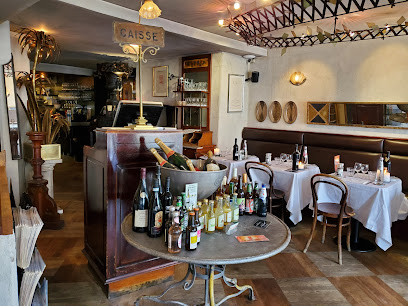
Skipperkroen
1.3 km
Harbourfront smørrebrød and seafood in an 18th‑century Nyhavn house, pairing classic Danish flavours with canal views from cosy rooms and a lively terrace.
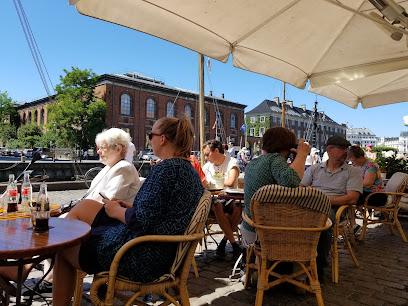
Cap Horn
1.3 km
Candlelit Nordic bistro in a historic Nyhavn townhouse, blending classic Danish seafood, canal views and cosy hygge from late morning to late evening.
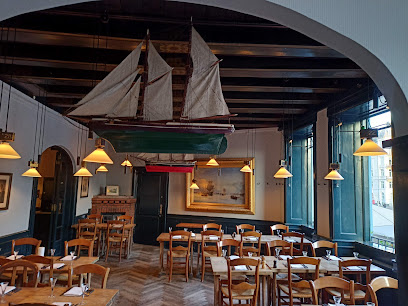
Nyhavns Færgekro
1.3 km
Classic Danish cooking and a famed herring buffet in a cozy canal-side tavern, set within one of Nyhavn’s colorful townhouses overlooking Copenhagen’s historic harbor.
Markets, malls and hidden boutiques

The Crown souvenir
0.4 km
Compact, colorful souvenir stop on elegant Amaliegade, perfect for picking up Danish flags, Little Mermaid trinkets and royal-themed keepsakes near Amalienborg.
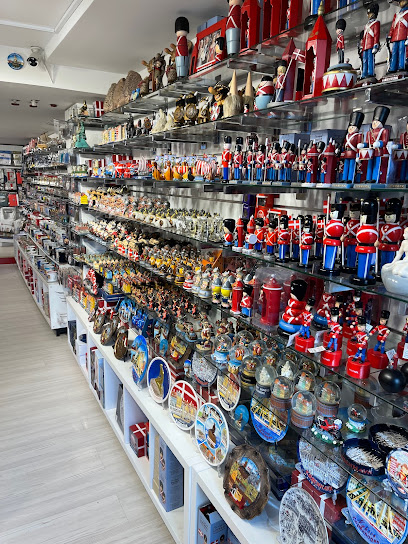
Royal Souvenir Shop
0.9 km
Compact and colourful, Royal Souvenir Shop on Bredgade distils Copenhagen into easy‑to‑pack gifts, from royal guards and Vikings to flags, mugs and playful keepsakes.
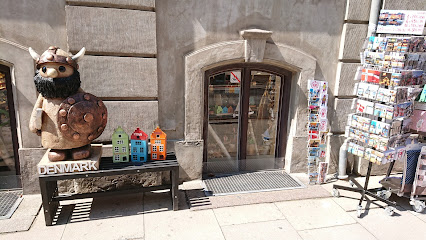
Maritime Antiques &
1.2 km
Atmospheric basement shop near Nyhavn where genuine maritime antiques share space with heritage-inspired clothing and rugged knitwear in a cosy, ship-like setting.
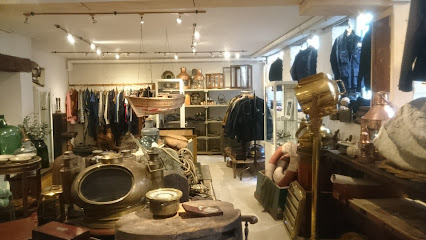
Copenhagenglass
1.3 km
Intimate glassblowing studio and shop near Nyhavn, where Danish maritime-inspired designs and hands-on sessions turn molten glass into memorable Copenhagen souvenirs.
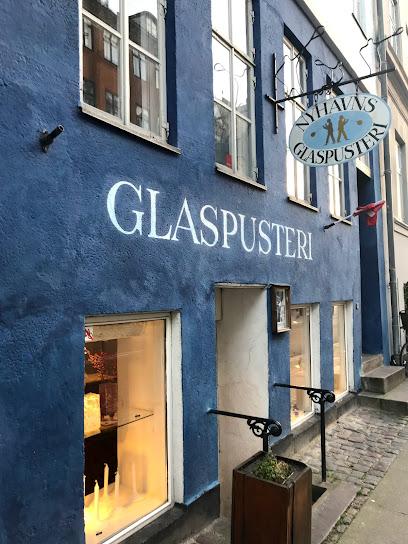
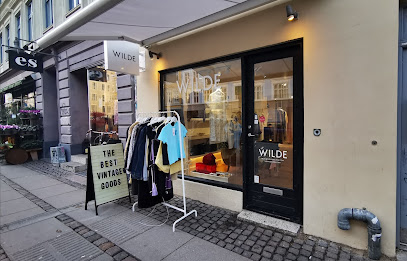
The Wilde Shop
1.3 km
A boutique vintage shop in Indre By, Copenhagen bringing together handpicked retro clothing, sustainable fashion, and curated Scandinavian style in a welcoming setting.
Zane
1.3 km
Intimate Copenhagen florist and design boutique on stylish Bredgade, blending seasonal blooms, Nordic homeware and thoughtful gifts in a cosy, lived-in space.
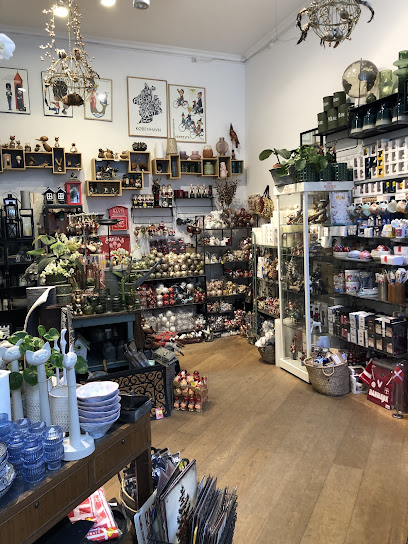
Copenhagen Souvenir & Design World of Memories
1.5 km
Denmark's largest souvenir chain with 14 locations offering over 2,000 authentic Danish keepsakes and contemporary design pieces.
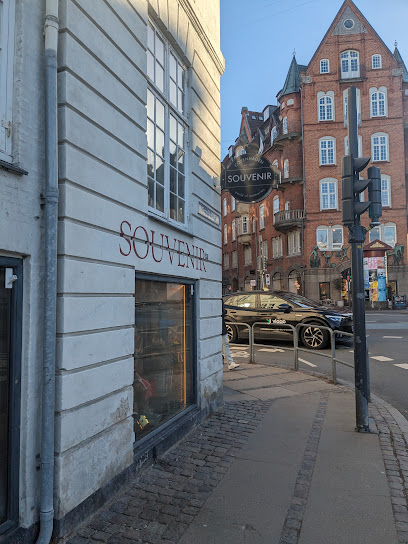
Viking Souvenirs
1.5 km
Authentic Danish and Viking-themed souvenirs in Copenhagen's historic city center.
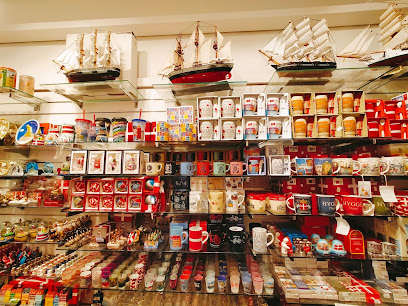
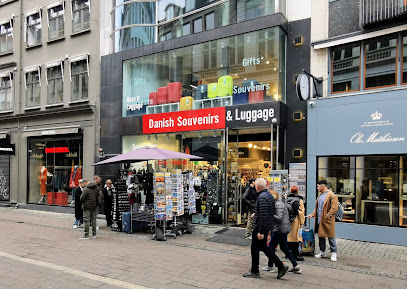
Danish Souvenirs & luggages
1.5 km
Central Strøget souvenir and luggage shop combining classic Danish mementos with practical travel gear, open long hours for convenient, last‑minute Copenhagen gifts.
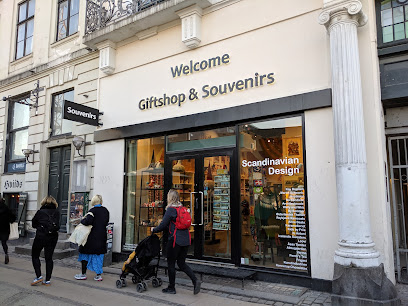
Welcome Giftshop & Souvenirs
1.5 km
Central Copenhagen’s cosy hygge boutique for Danish design, classic souvenirs, and easy last-minute gifts just off bustling Kongens Nytorv square.
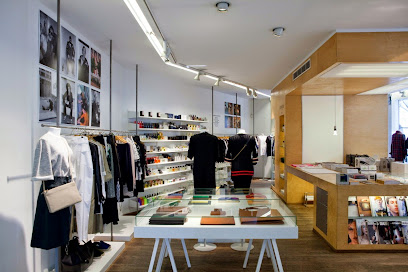
Storm - design art fashion
1.5 km
A pioneering Copenhagen concept store where avant-garde fashion, art, design objects and niche fragrances meet in a minimalist, gallery-like space on Store Regnegade.
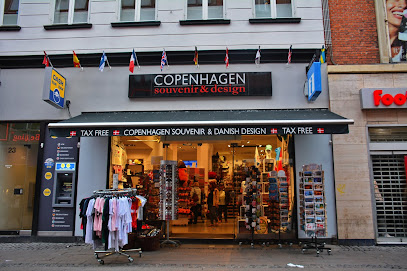
Copenhagen Souvenir & Design
1.5 km
Denmark's premier souvenir destination offering authentic Danish heritage, contemporary design, and quality gifts across seven city-center locations.
Henrik Vibskov Boutique
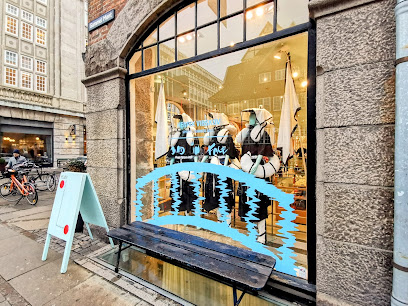
1.6 km
Step off the cobblestones of Gammel Mønt into Henrik Vibskov’s offbeat fashion laboratory, where avant‑garde silhouettes, artful interiors and curated design collide.
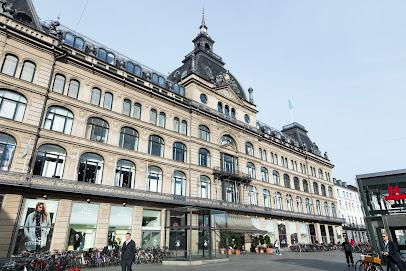
Magasin du Nord
1.6 km
Copenhagen’s classic department store: historic architecture, Nordic style, gourmet treats and relaxed cafés gathered under one elegant roof on Kongens Nytorv.
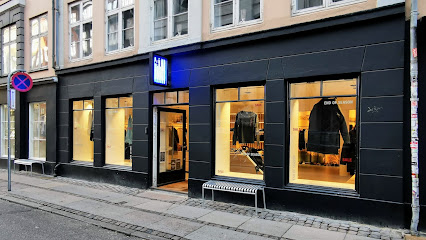
Norse Projects
1.6 km
Scandi-cool flagship store pairing minimalist Nordic design with functional, all-season clothing in a calm, gallery-like space in central Copenhagen.
Essential bars & hidden hideouts

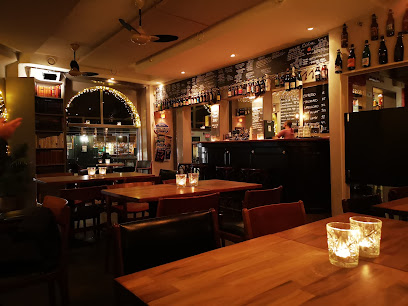
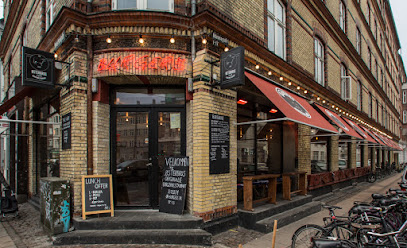
Black Swan
0.9 km
Craft-forward, cosy and unpretentious, Black Swan is Copenhagen’s inner-city local where rotating taps, serious cider and good conversation flow late into the night.
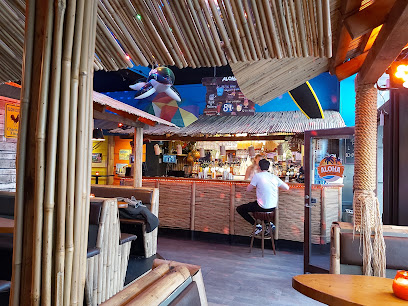
Aloha Beach Bar
1.4 km
Island-inspired cocktails, neon glow and late-night party vibes packed into a compact tropical bar just off Gothersgade in central Copenhagen.
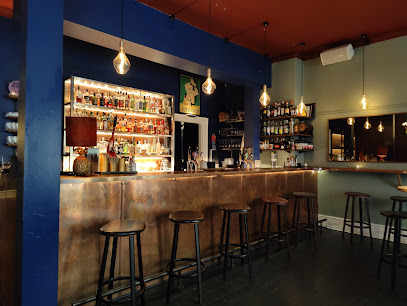
Bar Deco
1.4 km
Intimate Art Deco–inspired cocktail bar near Kongens Nytorv, pairing crafted drinks with moody lighting and a relaxed, grown‑up Copenhagen atmosphere.
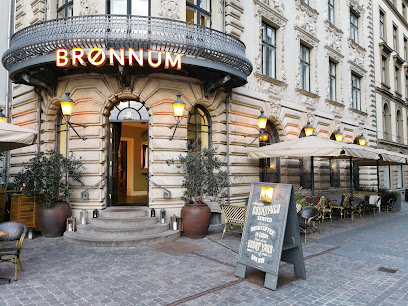
Brønnum
1.5 km
An opulent, multi‑room cocktail bar steps from Kongens Nytorv, where historic townhouse elegance meets contemporary mixology and candlelit late‑night conversation.
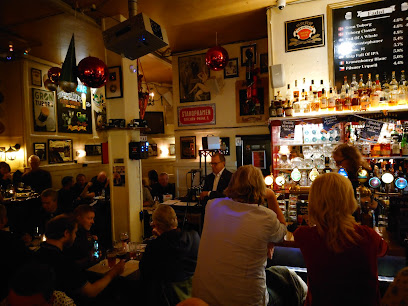
Trykbar
1.5 km
Cosy, central Copenhagen bar with a strong beer list, warm lighting and a laid-back, inclusive atmosphere that blends hygge with lively late-night energy.
Balthazar
1.5 km
A luxurious Champagne bar at Hotel d’Angleterre, pairing an extensive bubbles list and crafted cocktails with velvet-luxe interiors and a lively DJ-backed ambience.
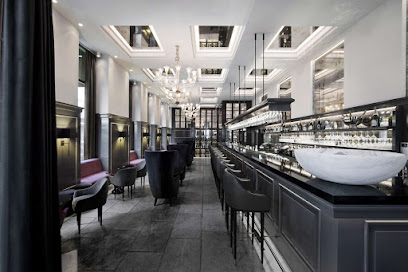
ROOTS Vin Bar & Butik - Østerbro
1.5 km
Explore the finest wines at ROOTS Vin Bar & Butik in Østerbro, Copenhagen – where every sip tells a story.
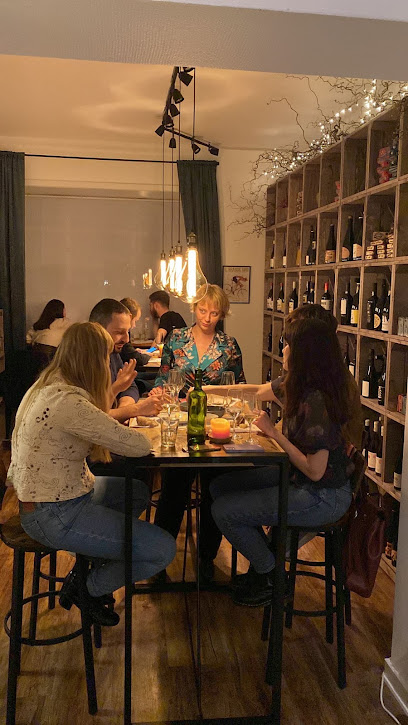
Chevy's
1.5 km
Discover the vibrant atmosphere of Chevy's in Østerbro, Copenhagen—where delicious drinks and good company create unforgettable nights.
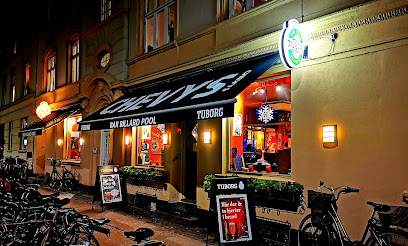
1105
1.6 km
Intimate, dimly lit cocktail bar in Copenhagen’s 1105 postcode, pairing dark, elegant interiors with carefully crafted Nordic-inspired drinks and classic mixes.
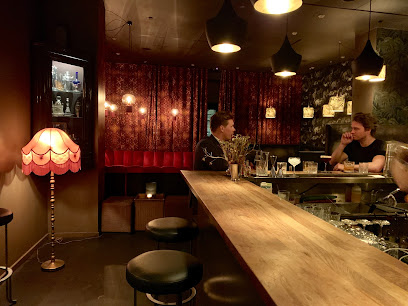
TATA Cocktail Bar
1.6 km
A velvet-draped, fireplace-warmed cocktail hideaway inside Hotel Sanders, where classic mixology, Danish design and theatre-inspired charm blend seamlessly.
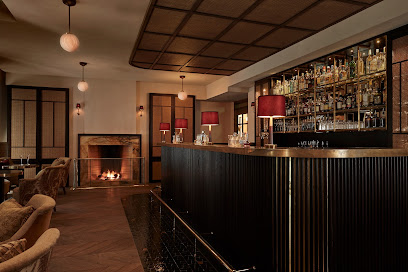
The Moose
1.6 km
Graffiti-plastered walls, infamous moose murals and cheap late-night beers make this smoky Indre By dive bar a gritty, unpolished slice of Copenhagen nightlife.
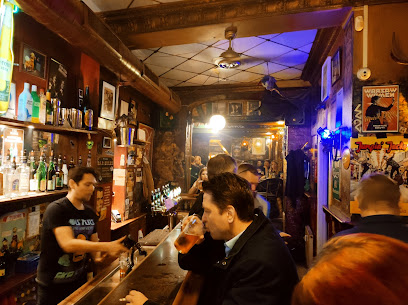
Søernes Ølbar
1.6 km
Discover Søernes Ølbar, a cozy craft beer haven by Copenhagen's lakes, offering an extensive selection of brews and breathtaking views.
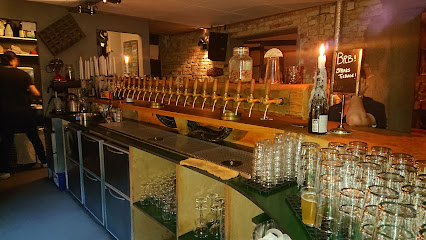
Østerbros Perle Pub
1.6 km
Experience the vibrant atmosphere of Østerbros Perle Pub in København Ø, where locals and tourists unite over drinks and laughter.
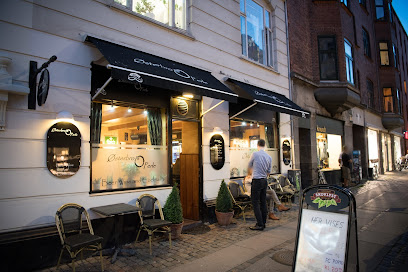
Charlie's Bar
1.6 km
Discover the enchanting atmosphere of Charlie's Bar, a cozy haven in Copenhagen offering a diverse drink selection and a vibrant local vibe.
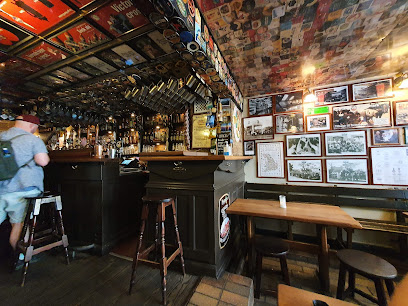
ØB
1.6 km
Experience the best of Copenhagen's nightlife at ØB, where great beer, tasty burgers, and a lively atmosphere come together.
Nightclubs & after hour spots

Culture Box
1.1 km
Discover the heartbeat of Copenhagen's nightlife at Culture Box, where music, art, and dance create an unforgettable experience.
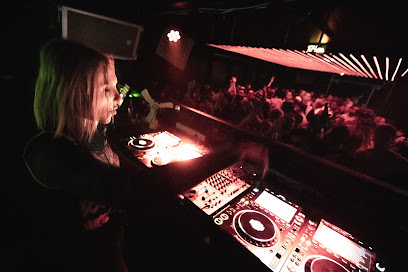
Mini Bar
1.4 km
Discover the vibrant nightlife of Copenhagen at Mini Bar, a premier night club offering eclectic tunes and a lively atmosphere for unforgettable nights.
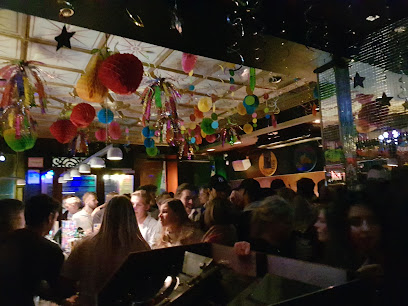
Lusso
1.5 km
A compact, high-end Copenhagen nightclub with champagne-forward table service, dim lighting and a stylish late-night crowd just steps from Kongens Nytorv.
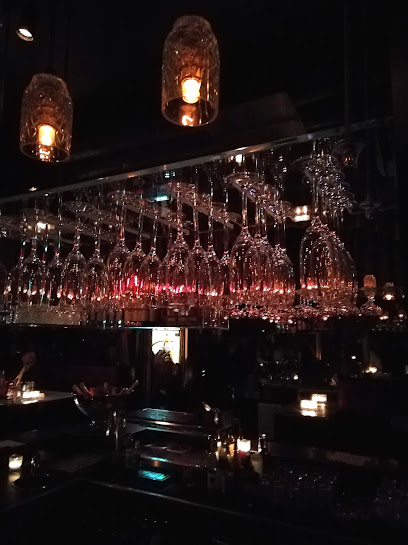
The Zoo
1.6 km
Intimate late-night nightclub on Sværtegade in Copenhagen’s historic center, blending a compact dance floor, DJ-driven beats and a casual, social bar atmosphere.
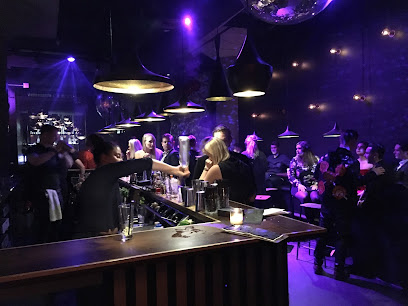
Operaen
1.9 km
Compact harbourfront nightclub near Copenhagen’s modern opera house, mixing DJ-driven beats, local crowds and late-night energy by the inner-city waterfront.
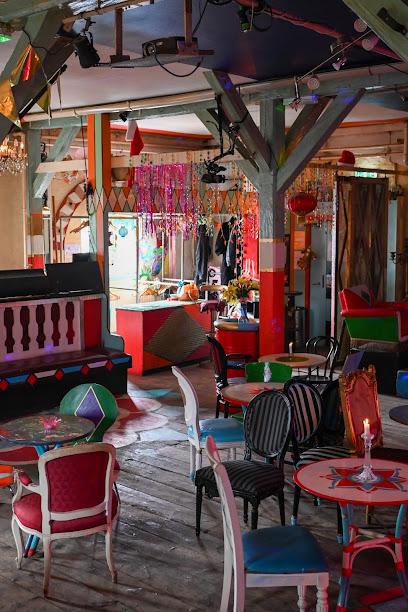
Mirage
2.0 km
Dive into the electrifying nightlife at Mirage, Copenhagen's premier night club for an unforgettable evening of music, dancing, and entertainment.

Arch
2.0 km
Discover the vibrant nightlife of Copenhagen at Arch, a premier night club offering electrifying music and an unforgettable atmosphere.

Chateau Motel
2.1 km
Discover the lively nightlife of Copenhagen at Chateau Motel, a top destination for cocktails and dancing in a vibrant atmosphere.
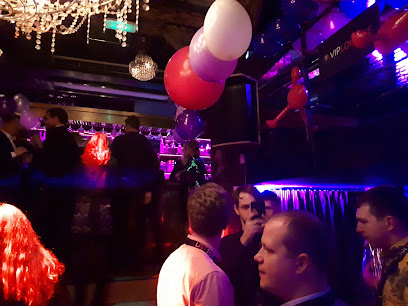
Hive
2.1 km
Copenhagen's premier high-end nightclub with cutting-edge design, VIP service, and immersive themed experiences.
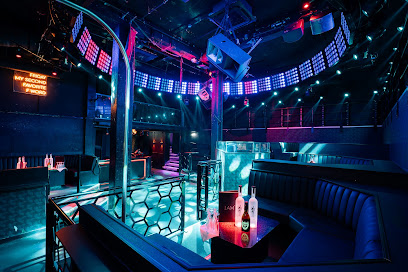
Rumors
2.2 km
Discover the heart of Copenhagen's nightlife at Rumors, where energetic vibes and unforgettable nights await you.
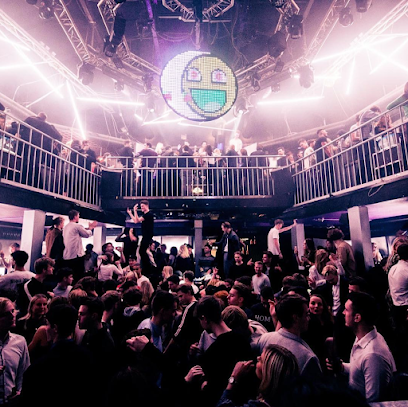
Mirror
2.2 km
Dive into the heart of Copenhagen's nightlife at Mirror, where the rhythm never stops and unforgettable memories are made.
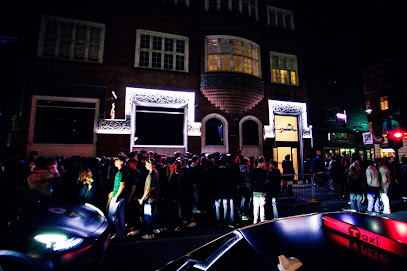
La Terraza
2.2 km
Compact nightclub on Studiestræde in Copenhagen’s old town, offering loud beats, straightforward drinks and an unpretentious late-night dance floor.
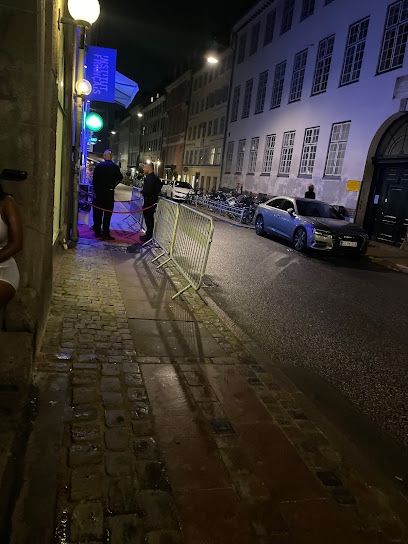
Miami Bar
2.2 km
Discover Copenhagen's nightlife at Miami Bar, where cocktails and dancing create unforgettable nights in a vibrant atmosphere.
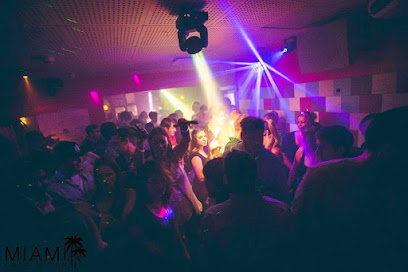
Zefside
2.3 km
Intimate cocktail den turned late-night dance spot, Zefside blends crafted drinks, DJ beats and canal-side charm in the heart of central Copenhagen.
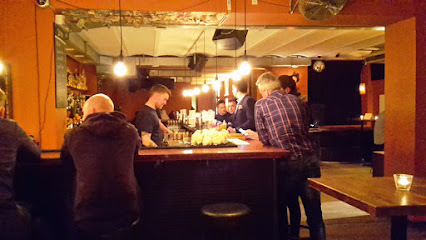
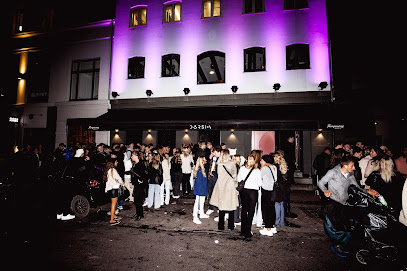
Dorsia
2.3 km
Central Copenhagen nightclub with late‑night DJs, cocktails and an image‑conscious crowd packed into a dark, modern interior off busy Kattesundet.
For the vibe & atmosphere seeker
- Relaxing
- Tranquil
- Scenic
- Fun-filled
- Unique
- Casual
For the design and aesthetic lover
- Modern Designs
- Rustic Designs
For the architecture buff
- Parks & Gardens
- Viewpoints
- Landmarks
- Heritage Neighborhoods
For the view chaser and sunset hunter
- Iconic Views
- Panoramas
- Waterfront
- Sunrise Spots
- Sunset Spots
For the social media creator & influencer
- Instagrammable
- Photo Spots
- Selfie Spots
- Reel-Friendly
- Architectural Shots
- Colorful Backdrops
For the eco-conscious traveler
- Low Impact
- Public-Transport Accessible
- Leave-No-Trace Critical
- Locally Managed
For the kind of experience you’re after
- Mindfulness
- Photowalk
- Adventure Photo Shoot
- Nature Escape
- Roadtrip Stop
- Day Trip
For how adventurous you want the journey to be
- Easy Access
Location Audience
- Family Friendly
- Senior Friendly
- Child Friendly
- Teen Friendly
- Solo Friendly
- Couple Friendly
- Solo Female Friendly
- Vegetarian Friendly
- Vegan Friendly
- LGBT Friendly


