

Christianshavn, Copenhagen Travel Guide
Historic canals, colourful townhouses and a maritime spirit make Christianshavn Copenhagen’s most characterful island neighbourhood on the edge of the inner harbour.
Christianshavn is one of Copenhagen’s most atmospheric neighbourhoods, a former 17th‑century merchant town turned canalside enclave of cobbled streets, colourful townhouses and maritime charm. Laid out on islands east of the historic centre, it blends old warehouses, church spires and leafy ramparts with creative studios, cosy cafes and world‑class dining. From the iconic spiral tower of the Church of Our Saviour to the nearby free town of Christiania and the redeveloped naval area of Holmen, Christianshavn offers an engaging mix of history, everyday local life and waterside promenades ideal for slow wandering.
A brief summary to Christianshavn
- Copenhagen, Indre By, DK
- Duration: 1.5 to 6 hours
- Free
-
 Outdoor
- Mobile reception: 5 out of 5

Know before you go
Hi, I'm Eve. Here are a few practical things to know before exploring Christianshavn.
- Spend time wandering the smaller backstreets like Wildersgade and Sankt Annæ Gade, where the mix of gabled houses and cobbles feels especially atmospheric.
- Plan a visit to the Church of Our Saviour and its spiral tower on a clear day for wide harbour views; arrive early or later in the afternoon to avoid the longest queues.
- Combine a canalside coffee or drink with a quiet walk along the Christianshavn Ramparts to experience both the lively waterfront and the area’s green edge.
- If you explore nearby Christiania, respect local guidelines, especially around photography, and keep to clearly marked paths and public areas.
- Bring layers: breezes off the harbour can feel cool even in warmer months, particularly if you linger by the water in the evening.
Do you manage this location?
Take control to get all the benefits, like improved information, better appearance, and stronger visibility across AI-powered discovery. Learn more about listing your business on Evendo
Activate your presenceOther nearby places you may find interesting
The closest places of the same kind, if this one is not quite what you had in mind.
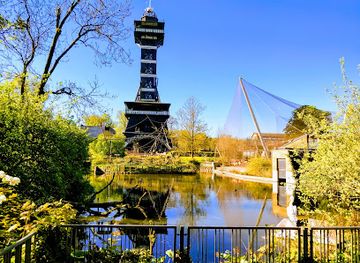

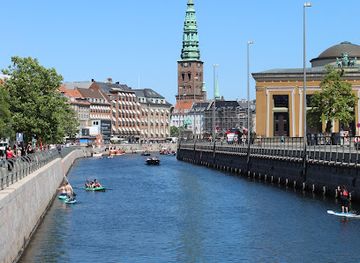
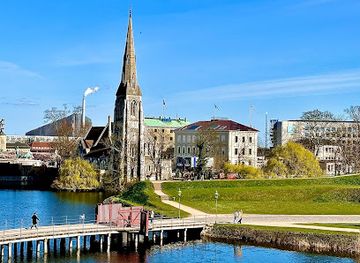
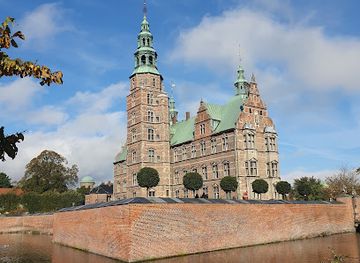
Explore Christianshavn on the Map
A handpicked selection of must-see spots near Christianshavn, mapped for you.
Unlock the Best of Christianshavn
Buy tickets
-
No tickets available
Book tours with entry


Getting There
-
Metro from central Copenhagen
From Copenhagen Central Station, take the M3 or M4 metro line toward the city centre and continue to Christianshavn Station, with trains running every few minutes throughout the day. The ride typically takes 5–8 minutes. A single ticket within the central zone usually costs around 20–25 DKK and covers transfers to buses and other metro lines within its validity period.
-
Bus from Rådhuspladsen area
From the city hall square area, use bus line 2A toward Refshaleøen or Christianshavn. The journey to Christianshavn Torv normally takes 10–15 minutes, depending on traffic. Standard city bus tickets cost roughly 20–25 DKK for the central zones and can be bought via ticket machines or mobile apps. Buses run frequently during the day, with reduced intervals late at night.
-
Bicycle from inner city
Cycling from the pedestrian shopping streets around Strøget to Christianshavn usually takes 5–10 minutes at an easy pace. The route uses dedicated bike lanes and includes a bridge crossing over the harbour, which can be breezy but is generally flat and suitable for most riders. Public bike‑share schemes in central Copenhagen typically charge a small unlocking fee and per‑minute rate, making this a flexible option for short visits.
-
Harbour bus along the inner harbour
Harbour buses connect various points along Copenhagen’s inner harbour, including stops near Christianshavn. Travel times vary between 10 and 25 minutes depending on where you board, but boats generally run several times an hour during the day. Tickets are integrated with the city’s public transport system, with prices similar to metro and bus journeys in the central zones, around 20–25 DKK for a single ride.
For the on-the-go comforts that matter to you
-
 Restrooms
-
 Drink Options
-
 Drinking Water
-
 Food Options
-
 Seating Areas
-
 Sheltered Areas
-
 Picnic Areas
-
 Trash Bins
-
 Information Boards
Discover more about Christianshavn
From King’s Canal Town to Characterful Quarter
Christianshavn began life in the early 1600s as a planned merchant town under King Christian IV, inspired by Dutch canal cities and strategically placed on low islands guarding Copenhagen’s harbour. Narrow basins were dug, ramparts raised and regular street grids laid out, creating a fortified trading hub separate from, yet closely tied to, the royal capital across the water.Over the centuries, warehouses, shipyards and modest dwellings for sailors and craftsmen filled the area. The district’s working‑class roots remained visible well into the 20th century, even as the city gradually expanded around it. Today, Christianshavn is fully part of central Copenhagen but still feels like a small town within the city, its historic street pattern and canals largely intact.Walk a few blocks in any direction and you sense this layered past: merchant houses with gabled roofs, solid brick churches, and stretches of former industrial land now transformed into cultural venues and contemporary homes. It is a place where history is not confined to a single monument, but spread gently through the everyday streetscape.Canals, Cobblestones and Maritime Atmosphere
The defining feature of Christianshavn is water. Long, straight canals cut through rows of 18th‑ and 19th‑century buildings, creating views that shift constantly with the light and weather. On calm days, façades and masts mirror in the surface, while small boats, kayaks and the occasional tour vessel glide between bridges.Cobbled lanes such as Wildersgade and Sankt Annæ Gade run parallel to the canals, lined with painted houses in soft pastels and deeper tones. Many ground floors host intimate cafes, wine bars or small shops, their windows glowing on dark winter afternoons and spilling onto pavement terraces in summer. The pace is unhurried; cyclists roll past, residents pause to chat, and the waterfront doubles as a social living room on sunny days.Toward the harbour, converted granaries and warehouses hint at the area’s trading heritage. Across the inner waterway, the former naval island of Holmen opens up with wide quays, modern cultural institutions and broader horizons, yet still under the same maritime spell.Cultural Landmarks and Everyday Spirituality
One of Christianshavn’s most striking landmarks is the Church of Our Saviour, whose baroque tower is wrapped by an external spiral staircase and crowned with a gilded figure. Its dark spire rises above the low roofs, serving as a constant point of orientation. Below, the churchyard and surrounding streets form a quiet pocket where the city’s buzz softens.The district is also closely associated with Christiania, the semi‑autonomous community occupying part of the old ramparts and military grounds. Although it has its own distinct character and rules, Christiania’s presence has shaped the wider neighbourhood’s reputation for alternative living, artistic experimentation and informal gathering spots along the water.Mixed in with these headline sights are smaller cultural addresses: local galleries tucked into side streets, rehearsal rooms and creative schools on Holmen, and occasional public art pieces near the quays. Rather than a single museum or square, Christianshavn offers culture woven into daily life.Dining, Drinks and Life by the Water
Despite its modest scale, Christianshavn is a notable destination for food and drink. Along the canals and around Christianshavn Torv, you find everything from traditional bodegas to refined Nordic restaurants. Some of Copenhagen’s most acclaimed kitchens are within walking distance, often housed in low, brick buildings or former industrial spaces where exposed beams meet sleek Scandinavian interiors.Casual options thrive too: coffee bars with a handful of seats, bakeries selling still‑warm pastries, and relaxed eateries that spill onto the canal edge in good weather. Street‑food markets and harbourfront pop‑ups appear nearby in season, adding to the sense that the water is an extension of the dining room.Even if you do not sit down for a full meal, it is easy to experience the culinary atmosphere simply by wandering, catching the scent of roasted coffee or grilled fish, and watching locals linger over drinks on the quays.Green Ramparts and Slow Explorations
Encircling much of Christianshavn is a series of old earthworks, known as Christianshavn Ramparts, once part of Copenhagen’s defences. Today, these grassy embankments and adjoining lakes form a green belt where paths curve between trees, viewpoints and historical buildings. It is a peaceful place for walking, jogging or sitting with a book, with occasional glimpses back toward the city’s spires.Within the interior of the district, most streets are relatively calm, making it easy to explore on foot or by bicycle. Short bridges knit Christianshavn to the rest of Copenhagen, yet the water in between preserves a subtle sense of separation. You can wander for an hour or more without losing the feeling of being in a distinct enclave.As daylight fades, lights reflected in the canals and the silhouette of the church tower give Christianshavn a quietly atmospheric quality. Whether you are tracing its history, seeking a scenic stroll or simply passing through between appointments, the neighbourhood rewards unhurried attention.Christianshavn in the Wider City Story
Christianshavn illustrates several of Copenhagen’s defining themes: a long maritime history, adaptive reuse of industrial sites, and a strong relationship between water, public space and everyday life. Former shipyards now host homes and cultural venues; canals once lined with trading vessels are shared by leisure boats and commuters; historic bastions have become informal parks.The district’s mix of polished and rough‑edged corners also reflects the city’s balance between design consciousness and informality. A Michelin‑starred kitchen can sit within a short walk of a simple corner bar; a quiet residential courtyard lies just beyond a busy canalfront café.For visitors, this makes Christianshavn both a destination and a lens: by walking its streets and waterfront, you glimpse how Copenhagen has grown from fortified harbour town to modern capital without losing its human scale or its close bond with the sea.












Your all‑in‑one travel companion app
Explore expert travel guides, compare and book tours, experiences, hotels, and more—all from the palm of your hand. Download now for seamless trip planning wherever your wanderlust takes you.


Explore More of Copenhagen
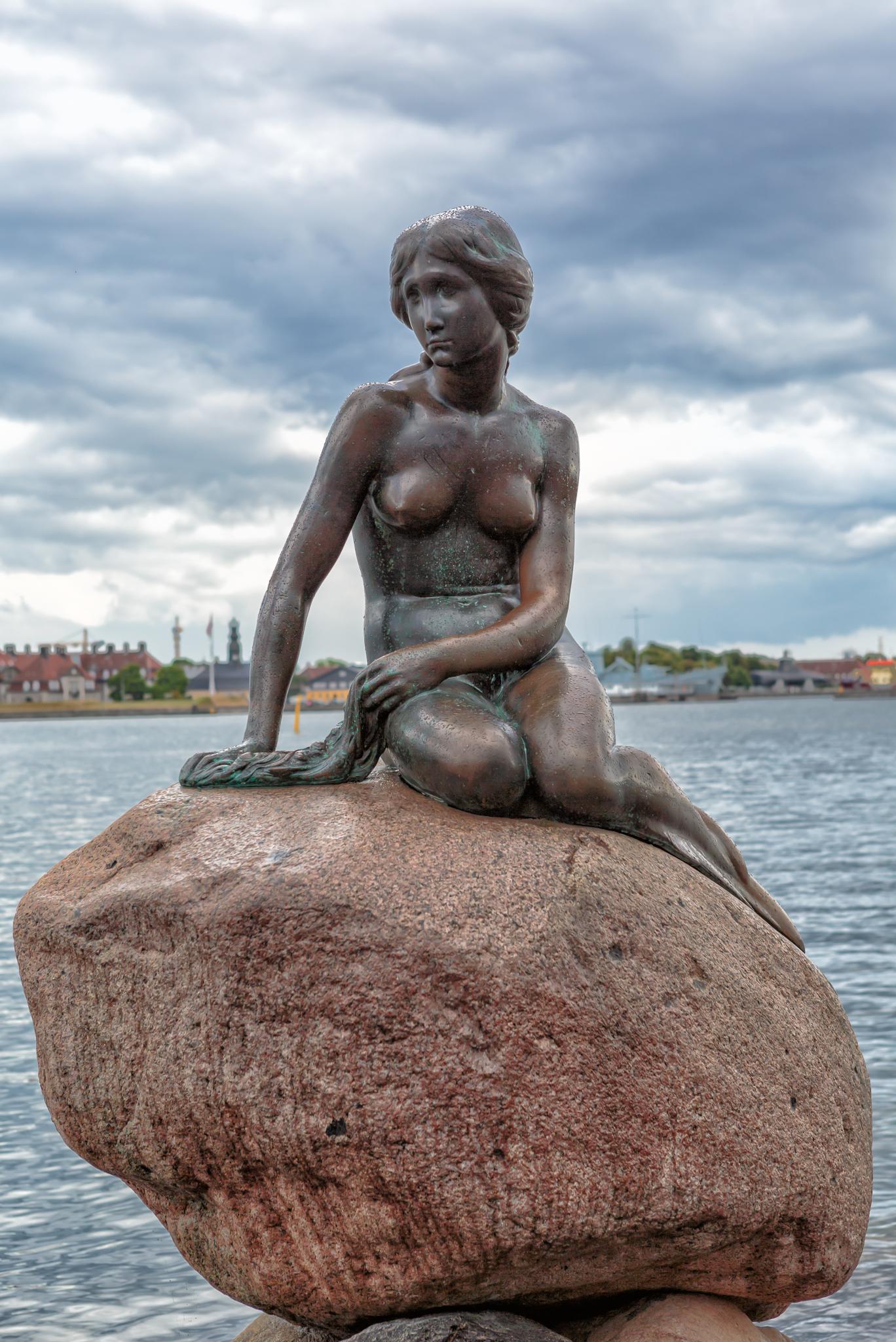
Looking beyond Christianshavn? Discover Copenhagen for broader travel guides, local hot-spots, and regional highlights.
Explore Copenhagen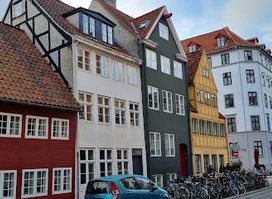
A narrow Christianshavn street where warehouses became homes, church bells echo over cobblestones, and Copenhagen’s maritime past meets everyday neighborhood life.

An intimate cultural hideaway inside an old copper bridge tower, offering harbor‑wide views, maritime character and small‑scale events above Copenhagen’s Knippelsbro.
