Øksnehallen, Copenhagen Travel Guide
Free Guide: A vast former cattle hall turned industrial-chic exhibition venue, Øksnehallen anchors Vesterbro’s cultural scene with big-scale fairs, art shows and conferences.


A brief summary of Øksnehallen
A vast former cattle hall turned industrial-chic exhibition venue, Øksnehallen anchors Vesterbro’s cultural scene with big-scale fairs, art shows and conferences.
Øksnehallen is a vast, historic exhibition hall in Copenhagen’s Vesterbro district, just off Halmtorvet and on the edge of the former Meatpacking District. Built in the early 1900s as a cattle hall and now part of DGI Byen, its more than 5,000–5,500 m² of open floor, cast-iron columns and tall roof lights host everything from design fairs and conferences to photo exhibitions and food markets. The raw industrial character, central location and flexible layout make it one of the city’s signature indoor event venues.
On-site amenities
 Restrooms
 Drink options
 Food options
 Seating areas
 Trash bins
 Information boards
Opening hours
- Mon9 am–4 pm
- Tue9 am–4 pm
- Wed9 am–4 pm
- Thu9 am–4 pm
- FriClosed
- SatClosed
- SunClosed
Opening hours as listed on the venue’s Google Business Profile. Hours can change for services and special events, so check with the venue before you go.
- Address
- Halmtorvet 11, 1700 København
- Phone
- Website
Getting there
Train and short walk from Copenhagen Central Station
City bus to Halmtorvet and Vesterbro
Bicycle from central Copenhagen
Taxi or rideshare within the city
Discover more about Øksnehallen
From cattle hall to cultural powerhouse
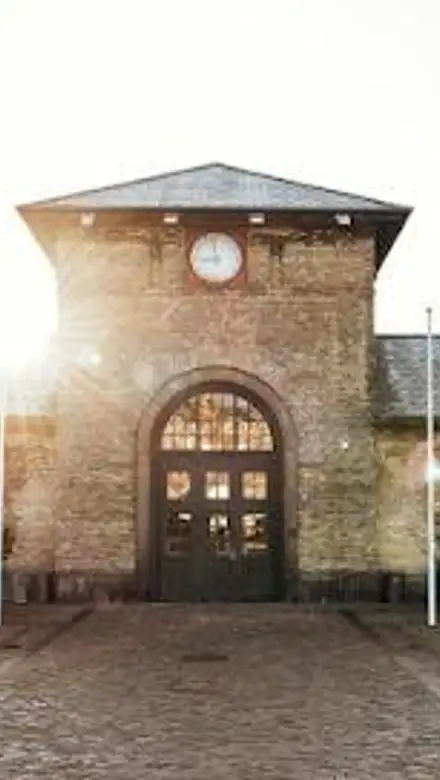
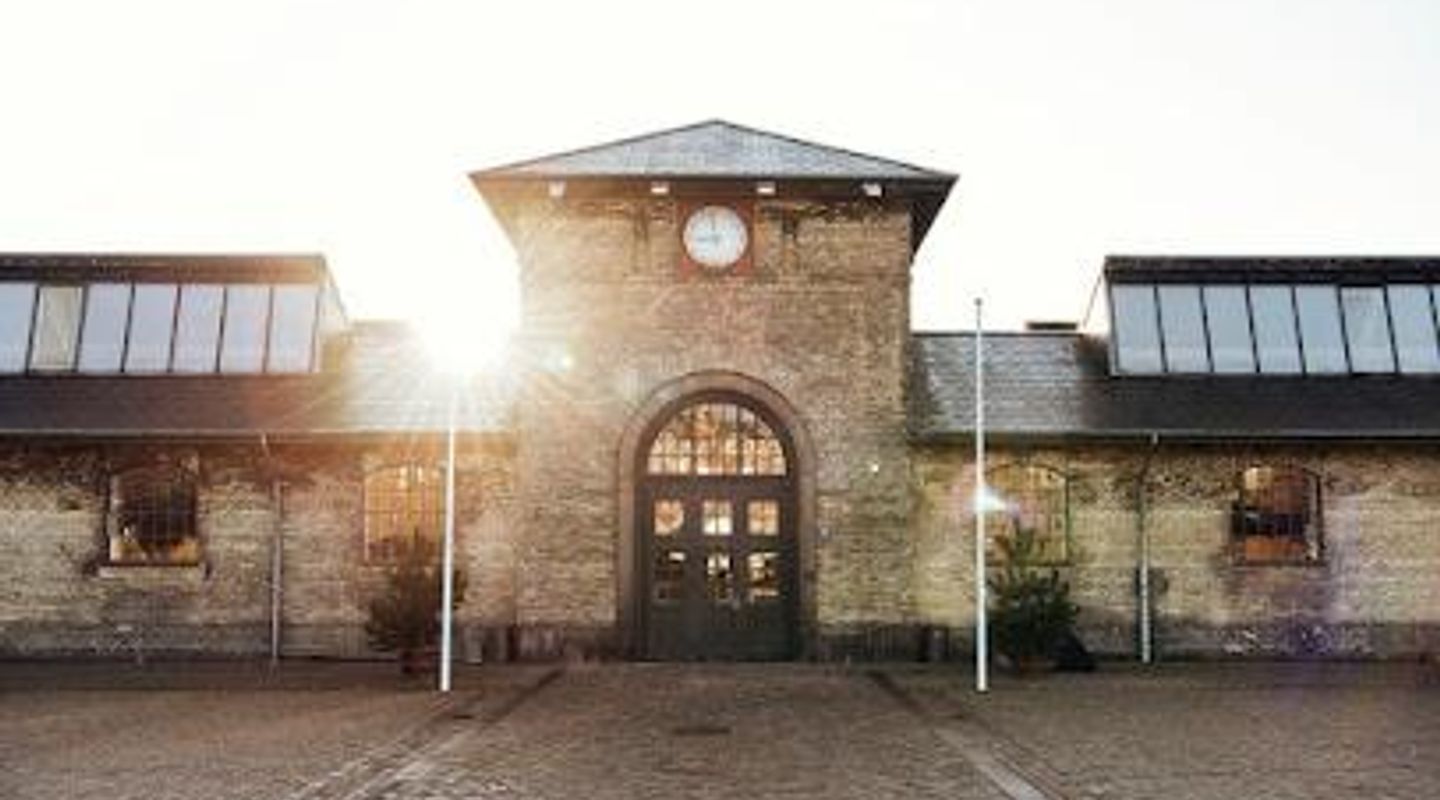
Standing on Halmtorvet, Øksnehallen is a striking reminder of Copenhagen’s industrial age. The hall was completed in the early 1900s as part of the city’s meat market complex, purpose-built to stable hundreds of head of slaughter cattle brought in from the countryside. Long, brick façades, high arched windows and a robust steel roof structure were engineered for function rather than show, yet more than a century later they lend the building a strong, dignified presence.Inside, the conversion from livestock hall to cultural venue has respected much of the original fabric. The floor is broad and uninterrupted, punctuated by sturdy columns that once framed cattle pens. Overhead, large roof lights spill natural daylight into the space, softening what could otherwise be an austere industrial interior. The result feels both monumental and surprisingly approachable.
A flexible stage for Copenhagen’s big events
Today Øksnehallen is one of Copenhagen’s largest single-room venues, offering over 5,000 square metres of column-lined floor for events. Organisers transform it into art and photography exhibitions, trade fairs, fashion shows, conferences, food festivals and design markets. The sheer scale means it can host many thousands of visitors over the course of an event without ever feeling cramped.The hall’s flexibility is one of its defining traits. Temporary walls, lighting rigs and stages can be installed to carve out smaller zones or dramatic central arenas. On one visit you might find sleek booths and conference seating; on another, long communal tables surrounded by food stalls or a maze of exhibition stands. Despite these changing layouts, the underlying character of brick, steel and daylight always anchors the experience.
Atmosphere among bricks, beams and daylight
What gives Øksnehallen its particular charm is the dialogue between its raw structure and the often polished worlds it hosts. Sunlight filters through the overhead windows, tracing patterns on the floor that shift during the day, while artificial lighting for events adds colour and drama after dark. The tall ceiling keeps acoustics lively, and the constant movement of people lends a sense of energy that suits fairs and shows.Yet there are quieter moments too. Arrive early for a design market or photography exhibition and you might have time to appreciate the fine brickwork, the rhythm of columns and the long vistas down the hall before the main crowds build. The contrast between the building’s past life as a working cattle hall and its current role as a platform for creativity and ideas adds a subtle layer of storytelling to any visit.
Anchored in Vesterbro and the Meatpacking District
Øksnehallen stands at Halmtorvet, on the edge of Vesterbro’s former Meatpacking District, an area that has itself undergone a transformation from industrial quarter to one of Copenhagen’s liveliest neighbourhoods. Outside the doors, broad urban squares and former warehouses now house eateries, bars, creative studios and cultural spaces. The hall forms part of the DGI Byen complex, which gathers a mix of sports, leisure and meeting facilities.This setting makes a visit to Øksnehallen easy to combine with exploring the surrounding streets. Between exhibition sessions or conference breaks, it is simple to step outside for a coffee, a quick meal or a walk among the characteristic white, brown and grey meatpacking buildings. The location near the city centre means the hall feels connected to Copenhagen’s broader urban life rather than tucked away as an isolated convention centre.
Planning your time inside the hall
Time spent at Øksnehallen depends heavily on what is on the calendar. A focused visit to a single exhibition might take an hour, while large trade fairs, festivals or multi-day conferences can fill half a day or more. The open plan encourages you to wander at your own pace, pausing at installations, stands or stages that capture your interest.Facilities are geared towards events rather than casual drop‑ins, so amenities such as food stalls, cafés and seating areas appear when there is a show or fair in progress and may not be present at quieter times. It is wise to check event information in advance to understand whether you are arriving to a bustling hall or a more sparsely programmed day. Whatever is on, the building itself—its history, architecture and sense of scale—provides a compelling backdrop to the activity within.
Evendo Review Centre
 Google
Guest reviews
Best time to go
Quietest: Jan, Feb & Mar · before 7am or from 10pm
Busy times are Evendo estimates for a typical year, to help you plan. Actual crowds vary with events, school holidays and the weather.
Explore Øksnehallen on the map
A handpicked selection of must-see spots near Øksnehallen, mapped for you.
Get your free copy of our complete guide to Øksnehallen, delivered straight to you.
Everything on this page, from opening hours and how to get there to Eve’s tips and the best time to go, in one PDF you can read offline, print or share.
Already have an account? Sign in
Your Øksnehallen guide is ready.
We'll send it to · Not you? Sign out

Getting your guide ready…
We are putting together a fresh copy of the Øksnehallen guide. This can take up to a minute.
This can take a few moments. If your browser asks, choose Allow so the download can start. You'll find the guide in your Downloads folder.
Nothing happened? Download it again
Sorry, the guide is taking longer than usual. Please try again in a minute, or get it by email instead.
Unlock the best of Øksnehallen
Skip-the-line tickets, guided tours with entry, and walking tours of the area, booked in a few clicks.

Other nearby places you may find interesting
The closest places of the same kind, if this one is not quite what you had in mind.
-
-

-
-
-


Swipe for more places
More to explore near Øksnehallen

 Best experiences near Øksnehallen
 Best hotels near Øksnehallen
 Best landmarks near Øksnehallen
 Best attractions near Øksnehallen
 Best shops near Øksnehallen
 Best restaurants near Øksnehallen
 Best bars near Øksnehallen
Do you manage this location?
Take control to get all the benefits, like improved information, better appearance, and stronger visibility across AI-powered discovery.
Explore more

Explore more of Copenhagen
Discover Copenhagen: A perfect blend of history, modernity, and vibrant culture, where picturesque canals, stunning architecture, and world-class dining await you.
Explore Copenhagen
Explore more of Denmark
Discover Denmark: A perfect blend of history, modern design, and the cozy concept of hygge. Explore vibrant cities, serene landscapes, and world-class cuisine.
Explore Denmark