Albue Fuglekøje Travel Guide
Free Guide: A preserved 1880s duck decoy museum showcasing Denmark's unique waterfowl hunting heritage on tranquil Fanø island.


A brief summary of Albue Fuglekøje
A preserved 1880s duck decoy museum showcasing Denmark's unique waterfowl hunting heritage on tranquil Fanø island.
Albue Fuglekøje is a historic duck decoy museum located on the island of Fanø in Denmark's Wadden Sea region. Built in 1880, this ingenious trap system once captured wild ducks for food using curved, netted channels extending from a central pond. Today it operates as a museum managed by the local hunting association, offering visitors insight into traditional waterfowl hunting methods and the natural beauty of Albue Bay.
On-site amenities
 Information boards
- Address
- Albuevej 41, 6720 Fanø
Getting there
Ferry from Esbjerg
Private vehicle via causeway
Bicycle from Fanø village
Guided tour from Fanø accommodation
Discover more about Albue Fuglekøje
A Ingenious Hunting Tradition Preserved
Albue Fuglekøje represents a fascinating chapter in Danish cultural heritage. Established in 1880, this duck decoy is one of only four ever constructed in Denmark, and Fanø was the sole location where multiple decoys were built. The structure exemplifies a sophisticated pre-industrial hunting method: a large artificial pond connected to curved, netted channels that funneled wild ducks into capture areas. This system operated until 1931, when the practice of capturing wild waterfowl for food was prohibited. Since 1952, the Fanø Hunting Association has maintained the site as both a functional demonstration and a museum, preserving this unique piece of Danish hunting history.
The Mechanics of Traditional Waterfowl Capture
The duck decoy's design reveals the ingenuity of 19th-century hunters. A central pond serves as the focal point, with curved pipes extending outward like tentacles, each covered with fine netting. Trained decoy ducks would lure wild birds into the channels, where they became trapped. The system required careful management and deep knowledge of bird behavior, making it as much an art as a practical tool. Visitors can observe the original infrastructure and understand how this method functioned within the broader context of rural Danish life and subsistence practices.
Tranquil Setting and Natural Surroundings
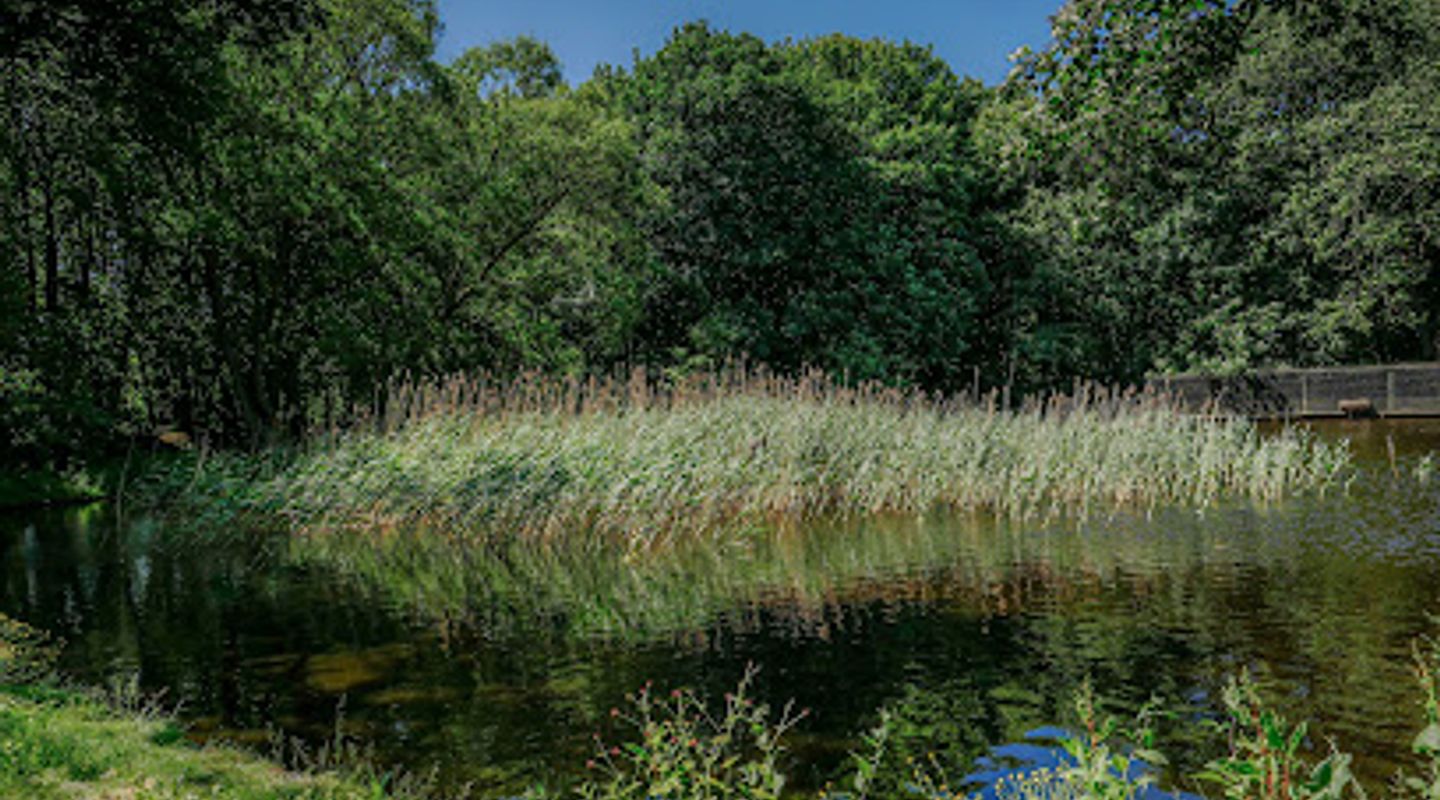
Albue Fuglekøje occupies a serene location at Albue Bay, nestled in peaceful natural surroundings that remain largely unchanged since its construction. The site sits close to Annesdalsbjerg, a nearby vantage point offering views across the wetland landscape. The Wadden Sea region is characterized by tidal flats, salt marshes, and shallow waters that attract migratory birds throughout the year. This environment, while beautiful and tranquil today, was historically crucial to the decoy's success—the same conditions that made Fanø attractive to wild waterfowl made it an ideal location for hunters seeking to exploit seasonal migrations.
A Window into Rural Heritage
The museum provides context for understanding life on Fanø during the 19th and early 20th centuries. Duck hunting was not merely sport but an important source of protein and income for island communities. The decoy system represents the intersection of necessity, innovation, and environmental knowledge. Exhibits and interpretive materials help visitors appreciate how rural Danes adapted to their landscape and developed specialized techniques suited to local conditions. The site remains open daily, welcoming those interested in maritime history, hunting heritage, and the cultural practices that shaped Denmark's coastal regions.
Seasonal Rhythms and Modern Conservation
Today, Albue Fuglekøje functions as both museum and nature observation point. The site's management by the Fanø Hunting Association ensures that traditional knowledge is preserved while the location serves educational purposes. The surrounding wetlands continue to attract migratory waterfowl, particularly during spring and autumn passages, making the site valuable for birdwatchers and nature enthusiasts. The decoy itself, though no longer used for its original purpose, stands as a testament to sustainable resource management practices and the deep connection between Danish communities and their natural environment.
Evendo Review Centre
 Google
Guest reviews
Best time to go
Quietest: Jan, Feb & Dec · before 7am or at 7pm
Busy times are Evendo estimates for a typical year, to help you plan. Actual crowds vary with events, school holidays and the weather.
Explore Albue Fuglekøje on the map
A handpicked selection of must-see spots near Albue Fuglekøje, mapped for you.
Get your free copy of our complete guide to Albue Fuglekøje, delivered straight to you.
Everything on this page, from opening hours and how to get there to Eve’s tips and the best time to go, in one PDF you can read offline, print or share.
Already have an account? Sign in
Your Albue Fuglekøje guide is ready.
We'll send it to · Not you? Sign out

Getting your guide ready…
We are putting together a fresh copy of the Albue Fuglekøje guide. This can take up to a minute.
This can take a few moments. If your browser asks, choose Allow so the download can start. You'll find the guide in your Downloads folder.
Nothing happened? Download it again
Sorry, the guide is taking longer than usual. Please try again in a minute, or get it by email instead.
Other nearby places you may find interesting
The closest places of the same kind, if this one is not quite what you had in mind.
-
-
-
-
-


Swipe for more places
More to explore near Albue Fuglekøje

 Best experiences near Albue Fuglekøje
 Best hotels near Albue Fuglekøje
 Best landmarks near Albue Fuglekøje
 Best attractions near Albue Fuglekøje
 Best shops near Albue Fuglekøje
 Best restaurants near Albue Fuglekøje
 Best bars near Albue Fuglekøje
Do you manage this location?
Take control to get all the benefits, like improved information, better appearance, and stronger visibility across AI-powered discovery.
Explore more

Explore more of Fanø
Discover Fanø, Denmark's hidden coastal gem, offering stunning beaches, charming villages, and rich wildlife, perfect for a tranquil getaway and nature adventures.
Explore Fanø
Explore more of Denmark
Discover Denmark: A perfect blend of history, modern design, and the cozy concept of hygge. Explore vibrant cities, serene landscapes, and world-class cuisine.
Explore Denmark