
Designmuseum Danmark
Copenhagen’s leading design museum, where iconic Danish objects, historic rococo architecture and a tranquil courtyard garden reveal how design shapes everyday life.
Housed in Copenhagen’s former Royal Frederik’s Hospital, Designmuseum Danmark is the city’s essential stop for lovers of Danish and international design. Inside the elegant 18th‑century rococo building you’ll find iconic chairs, ceramics, textiles, fashion and graphic design, alongside smart temporary exhibitions exploring sustainability and contemporary creativity. A leafy inner garden, design-focused café and shop complete a quietly inspiring urban escape.
A brief summary to Designmuseum Danmark
- Bredgade 68, Copenhagen, Indre By, 1260, DK
- Click to display
- Click to display
- Duration: 1.5 to 3 hours
- Mid ranged
-
 Indoor
- Mobile reception: 5 out of 5
- Tuesday 10 am-6 pm
- Wednesday 10 am-6 pm
- Thursday 10 am-8 pm
- Friday 10 am-6 pm
- Saturday 10 am-6 pm
- Sunday 10 am-6 pm

Know before you go
Hi, I'm Eve. Here are a few practical things to know before exploring Designmuseum Danmark.
- Aim for a weekday morning or late Thursday afternoon to enjoy calmer galleries and more space around the star pieces.
- Allow at least two hours if you are interested in furniture and lighting; the chair and lamp displays reward slow, close looking.
- Use the courtyard garden and café as a halfway break; it helps reset your eyes between dense exhibition sections.
- Remember that the shop and garden can be accessed without a full museum ticket if you only have time for a short design fix.
- Check current exhibitions in advance if you have children or teens; interactive or contemporary shows can be especially engaging for them.
Do you manage this location?
Take control to get all the benefits, like improved information, better appearance, and stronger visibility across AI-powered discovery. Learn more
Activate your presenceOther nearby places you may find interesting


Getting There
-
Metro and short walk from central Copenhagen
From central Copenhagen, take the M3 or M4 metro line to Marmorkirken Station, a journey of about 3–5 minutes from Kongens Nytorv. From the station, it is an easy, mostly flat 5–10 minute walk through Frederiksstaden to the museum, suitable for wheelchairs and strollers. Single metro tickets within the city centre typically cost around 20–25 DKK, and trains run every few minutes throughout the day.
-
City bus within Copenhagen
Several inner‑city bus routes run along or close to Bredgade and Store Kongensgade, placing you within a 5–7 minute walk of the museum in about 10–20 minutes of travel time from most central districts. Standard bus fares within the city centre are usually in the 20–25 DKK range per ride, and buses operate frequently during daytime and early evening. Low‑floor buses make this option convenient for visitors with limited mobility.
-
Cycling through the city centre
Copenhagen’s dense network of bike lanes makes cycling to the museum straightforward, with typical travel times of 5–15 minutes from central neighbourhoods such as Vesterbro, Nørrebro or Østerbro. You can use city bikes or rentals, which often cost roughly 20–40 DKK for a short ride depending on the scheme and duration. Bike parking stands are available near the museum entrance, and the route is generally flat but can be busy at peak commuting hours.
-
Taxi or ride-hail within Copenhagen
A taxi from major central hubs like Copenhagen Central Station or Kongens Nytorv will usually reach the museum in 10–20 minutes, depending on traffic through the inner city. Typical daytime fares for such a trip range roughly from 120–200 DKK, with surcharges in late evening or bad weather. Taxis can drop passengers close to the entrance on Bredgade, which is helpful for those who prefer to minimise walking.
For the on-the-go comforts that matter to you
-
 Restrooms
-
 Drink Options
-
 Drinking Water
-
 Food Options
-
 Seating Areas
-
 Sheltered Areas
-
 Picnic Areas
-
 Trash Bins
-
 Information Boards
-
 Visitor Center
Discover more about Designmuseum Danmark
Design at the Heart of Copenhagen
Designmuseum Danmark sits on Bredgade in the refined Frederiksstaden district, a short stroll from Amalienborg and Nyhavn, yet it feels like its own self‑contained design universe. Step through the main portal and you enter a sequence of calm galleries where objects are spaced, lit and displayed with almost obsessive care. The museum’s focus is Danish and international design and craft, with an emphasis on the 20th and 21st centuries, when the very concept of "design" came to define everyday life.Permanent displays trace the evolution of Nordic modernism, from early functional pieces to contemporary experiments in form and sustainability. Furniture, lighting, ceramics, glass, metalwork, textiles and fashion all appear here, not just as beautiful things to admire but as examples of how ideas about function, comfort and aesthetics have changed over time. It is a place where you can move from an iconic armchair to a minimalist lamp, then on to playful graphic design and intelligent everyday objects.From Royal Hospital to Temple of Design
Long before it became a museum, this four‑winged complex was the Royal Frederik’s Hospital, completed in 1757 as Denmark’s first modern public hospital. Commissioned under King Frederik V and designed by leading architects Nicolai Eigtved and Laurids de Thurah, it was laid out around a central garden to bring light and fresh air into the wards. The high windows, long corridors and rational room proportions you see today all grow from that original concern with wellbeing and function.When the hospital closed in the early 20th century, the design museum seized the chance to move into one of Copenhagen’s finest rococo buildings. Architects Kaare Klint and Ivar Bentsen led the conversion in the 1920s, turning sickrooms into galleries and installing carefully proportioned wooden display cases and benches that themselves became classics of Danish design. The former operating theatre is now an elegant assembly hall, and the great gates opening to Bredgade and Amaliegade still frame the building as a civic landmark.Icons, Chairs and Quiet Details
Many visitors come here to encounter the great names of Danish design in one place. Arne Jacobsen, Hans J. Wegner, Kaare Klint, Poul Henningsen and their peers appear through chairs, lamps and interiors that have travelled from experimental prototypes to global style references. A single room might hold stackable school chairs, sculptural lounge seating and a cluster of delicate pendant lamps, each revealing a different take on comfort, light and everyday use.One of the most memorable spaces is a gallery devoted entirely to chairs, transforming this familiar object into a kind of sculptural timeline. Elsewhere, cases of porcelain and faience show how pattern and colour evolved, while textiles and fashion explore how the body meets design. Contemporary exhibitions often tackle topics like circular materials, digital fabrication or the social role of design, making the museum feel as forward‑looking as it is historical.Courtyard Garden, Library and Café Culture
At the centre of the building lies Grønnegården, the historic quadrangle garden that once gave hospital patients sun and air. Today it is a tranquil green courtyard with trees, planting and outdoor seating, functioning as a small oasis away from the city’s traffic. In good weather it becomes an open‑air extension of the museum, used for installations, events and relaxed pauses between galleries.Around the garden, you will find a specialist library dedicated to design and decorative arts, a well‑curated shop filled with books, posters and objects, and a café that leans into seasonal, Scandinavian‑inspired food. Even without a ticket, several of these areas are accessible, turning the museum into a broader cultural hangout. The architecture, the objects and the way people use the space all reinforce the same idea: design is something you inhabit, not just something you look at.Planning Your Time Among the Exhibits
You can walk through the entire museum in about an hour, but design enthusiasts often linger much longer. The layout encourages wandering rather than strict routes, so you can dip into a gallery of Japanese craft, turn a corner into a room of mid‑century classics, or find yourself in a temporary exhibition on current design challenges. Benches and resting spots are integrated into many rooms, reflecting Kaare Klint’s belief that museum furniture should be as thoughtfully designed as anything on display.Because the museum attracts design professionals, students, families and casual visitors alike, the atmosphere shifts through the day. Mornings on weekdays tend to feel studious and quiet, ideal for close looking and sketching. Later afternoons and weekends are more animated, when workshops, talks and family activities often take place. Whatever the time, the building’s deep corridors, high ceilings and softly filtered daylight hold everything together in a calm, distinctly Danish frame.Explore the best of what Designmuseum Danmark has to offer













More about North Zealand
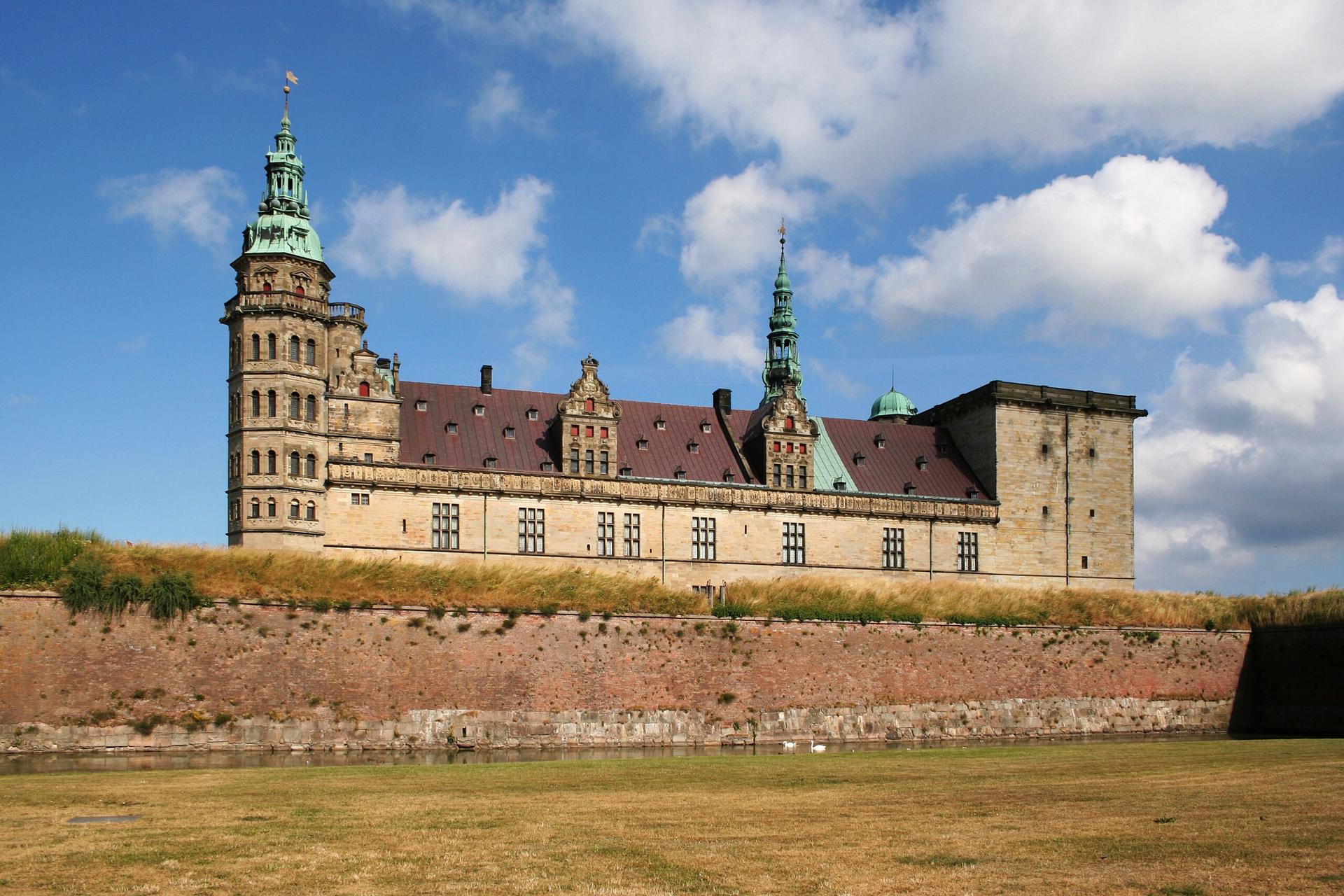
Explore North Zealand, Denmark's enchanting region of castles, beaches, and royal estates, perfect for history buffs, nature enthusiasts, and seaside lovers.
Tell me more about North Zealand
A dramatic bronze fountain at the heart of Amaliehaven, where modern sculpture, royal views and harbor breezes meet in a tranquil geometric garden.

An 18th‑century former hospital transformed into Denmark’s leading design museum, celebrating iconic chairs, everyday objects and the story of Danish Modern.
