

The Little Mermaid, North Zealand Travel Guide
A modest bronze mermaid on a harbor rock who carries more than a century of Danish fairy-tale history, art, and quiet longing on her small shoulders.
Perched on a granite rock along Copenhagen’s Langelinie promenade, The Little Mermaid is a small bronze statue with outsized symbolic power. Sculpted by Edvard Eriksen and unveiled in 1913 as a gift from brewer Carl Jacobsen, she was inspired by Hans Christian Andersen’s 1837 fairy tale of love and sacrifice. Just 1.25m tall, this wistful mermaid gazing toward the harbor has become an enduring icon of Copenhagen and Danish storytelling, drawing visitors day and night to the waterfront.
A brief summary to The Little Mermaid
- Langelinie, København Ø, København Ø, 2100, DK
- Duration: 0.5 to 1.5 hours
- Free
-
 Outdoor
- Mobile reception: 5 out of 5

Know before you go
Hi, I'm Eve. Here are a few practical things to know before exploring The Little Mermaid.
- Arrive early in the morning or in the evening to avoid the heaviest tour groups and enjoy clearer views of the statue and harbor.
- Walk a little further along Langelinie and around Kastellet to combine the statue with a scenic circuit of the waterfront and historic ramparts.
- Bring a zoom lens or be patient with your framing; getting close to the rock for photos can be tricky when the area is crowded.
- In cooler months, dress for wind off the water, which can make the harbor feel significantly colder than the rest of the city.
Do you manage this location?
Take control to get all the benefits, like improved information, better appearance, and stronger visibility across AI-powered discovery. Learn more about listing your business on Evendo
Activate your presenceOther nearby places you may find interesting
The closest places of the same kind, if this one is not quite what you had in mind.
Explore The Little Mermaid on the Map
A handpicked selection of must-see spots near The Little Mermaid, mapped for you.
Unlock the Best of The Little Mermaid
Buy tickets
-
No tickets available
Book tours with entry


Getting There
-
Metro and walking
From central Copenhagen, take the M3 or M4 metro line to Østerport Station; trains run every few minutes and the journey from the city center typically takes 5–10 minutes. From Østerport it is about a 15–20 minute mostly flat walk through parkland and along the waterfront, suitable for most visitors but less comfortable in heavy rain or strong wind. A single metro ticket within the city zones usually costs around 20–30 DKK.
-
City bus
Several city bus routes connect central Copenhagen with the area around Langelinie and Nordre Toldbod in roughly 15–25 minutes, depending on traffic. Buses stop a short walk from the statue on paved, level surfaces. Standard bus fares within the city are typically in the 20–30 DKK range, and services run frequently during the day, with reduced frequency late at night and on weekends.
-
Harbor boat or canal tour
Harbor and canal tours departing from the inner city often include a close-up view of The Little Mermaid from the water, with commentary. Tours usually last 60–90 minutes in total, passing several landmarks along the harbor. Prices commonly range from about 80–140 DKK per adult depending on operator and season, and boats are generally accessible via low steps, though wheelchair access can vary and is best checked in advance.
-
Walking from Nyhavn area
From the Nyhavn waterfront district, many visitors choose to walk to The Little Mermaid, following broad promenades and park paths along the harbor. The walk typically takes 25–35 minutes at a relaxed pace on mostly flat, paved terrain. It is an enjoyable option in dry weather, but wind exposure along the water can make it feel much colder in winter and early spring.
For the on-the-go comforts that matter to you
-
 Restrooms
-
 Drink Options
-
 Drinking Water
-
 Food Options
-
 Seating Areas
-
 Trash Bins
-
 Information Boards
Discover more about The Little Mermaid
A bronze fairy tale on the harbor
The Little Mermaid sits quietly on a rough granite boulder at the edge of Copenhagen’s harbor, waves lapping at the rock below her. Cast in bronze and only about 1.25 metres tall, she surprises many visitors with her modest size, yet her silhouette is instantly recognizable as the city’s unofficial emblem. Her bare back curves toward the city, while her face turns out to sea, as if caught between two worlds.Rather than a glittering fantasy figure, she appears almost human: pensive, compact, and slightly weathered by salt and wind. The surface of the bronze bears the soft patina of more than a century outdoors, adding to the impression of a character who has been watching the harbor’s ships, ferries, and cruise liners pass by since the early 1900s.From Hans Christian Andersen to Carl Jacobsen
The statue traces its origins to Hans Christian Andersen’s 1837 story, in which a young mermaid trades her voice for a chance at human love and an immortal soul. The tale is bittersweet and contemplative rather than triumphantly romantic, dwelling on sacrifice, unrequited longing, and the price of transformation. Those themes inform the statue’s quiet expression more than any dramatic gesture.In 1909, brewer Carl Jacobsen, moved by a ballet adaptation at the Royal Danish Theatre, decided to commission a permanent tribute. He funded the work as a gift to the city, asking sculptor Edvard Eriksen to bring Andersen’s heroine to life in bronze. The result, unveiled in August 1913 at Langelinie, was intended as a public artwork rather than a grand monument, blending into Copenhagen’s growing collection of sculptures in parks and along the waterfront.The sculptor, his muse, and a divided model
Eriksen created The Little Mermaid using two separate models. The face was based on ballerina Ellen Price, who had danced the role that had enchanted Jacobsen. When she declined to pose nude, Eriksen turned to his wife, Eline, to model the figure’s body. The finished statue merges these influences into a single, cohesive character: poised, youthful, and ambiguously caught mid-transformation.Her form hints at both human and marine origins. The upper body resembles a young woman seated on a rock, while the lower section melds into a subtle, scaled tail curled around the stone. This restrained design avoids theatrical flourishes; instead, it suggests the moment between sea and shore, childhood and adulthood, fantasy and the realities of the world above.Vandalism, resilience, and symbolism
Despite her calm demeanor, The Little Mermaid has faced a tumultuous history. Since the 1960s she has been decapitated, had an arm removed, been doused in paint several times, and even blown off her rock with explosives. These attacks have reflected everything from personal grievances to political protests, turning the statue into an inadvertent canvas for public statements.Each time, however, she has been repaired and reinstated on her harbor rock, underscoring Copenhagen’s determination to preserve this symbol. Copies and molds have helped restore damaged parts, ensuring continuity between the original 1913 work and the figure visitors see today. Her survival through repeated incidents adds a layer of resilience to her original story of endurance and sacrifice.Harbor setting and nearby landmarks
The statue’s setting at Langelinie is part of her appeal. She faces the entrance to the harbor, with open water stretching beyond and the star-shaped earthworks of Kastellet and the green spaces of Churchillparken just behind. The promenade itself is popular for gentle strolls, with benches, trees, and views across to the modern and historic buildings lining the water.From the mermaid’s rock, the urban landscape unfolds in multiple directions: moored boats, occasional naval vessels, and the soft outline of Copenhagen’s skyline. The location connects maritime history with literary heritage, making the statue feel like a natural waypoint between the city’s royal palaces, old fortifications, and contemporary waterfront developments.Experiencing the statue today
Visiting The Little Mermaid is an informal, open-air experience. There is no ticket or gate; travelers simply join the flow of people who pause along the shore to photograph the statue, listen to the waves, and read about her background on nearby information boards. At busier times, the rock may be framed by a cluster of cameras, yet the statue herself remains still and detached, continuing her silent vigil toward the sea.Many visitors spend only a brief time here, but those who linger notice the finer details: the texture of the bronze, the faint traces of earlier restorations, and the interplay of light on the water around the rock. In that quiet moment, the statue fulfills the role envisioned over a century ago—a small, contemplative figure bringing a beloved fairy tale into the physical fabric of Copenhagen’s harbor.












Your all‑in‑one travel companion app
Explore expert travel guides, compare and book tours, experiences, hotels, and more—all from the palm of your hand. Download now for seamless trip planning wherever your wanderlust takes you.


Explore More of North Zealand
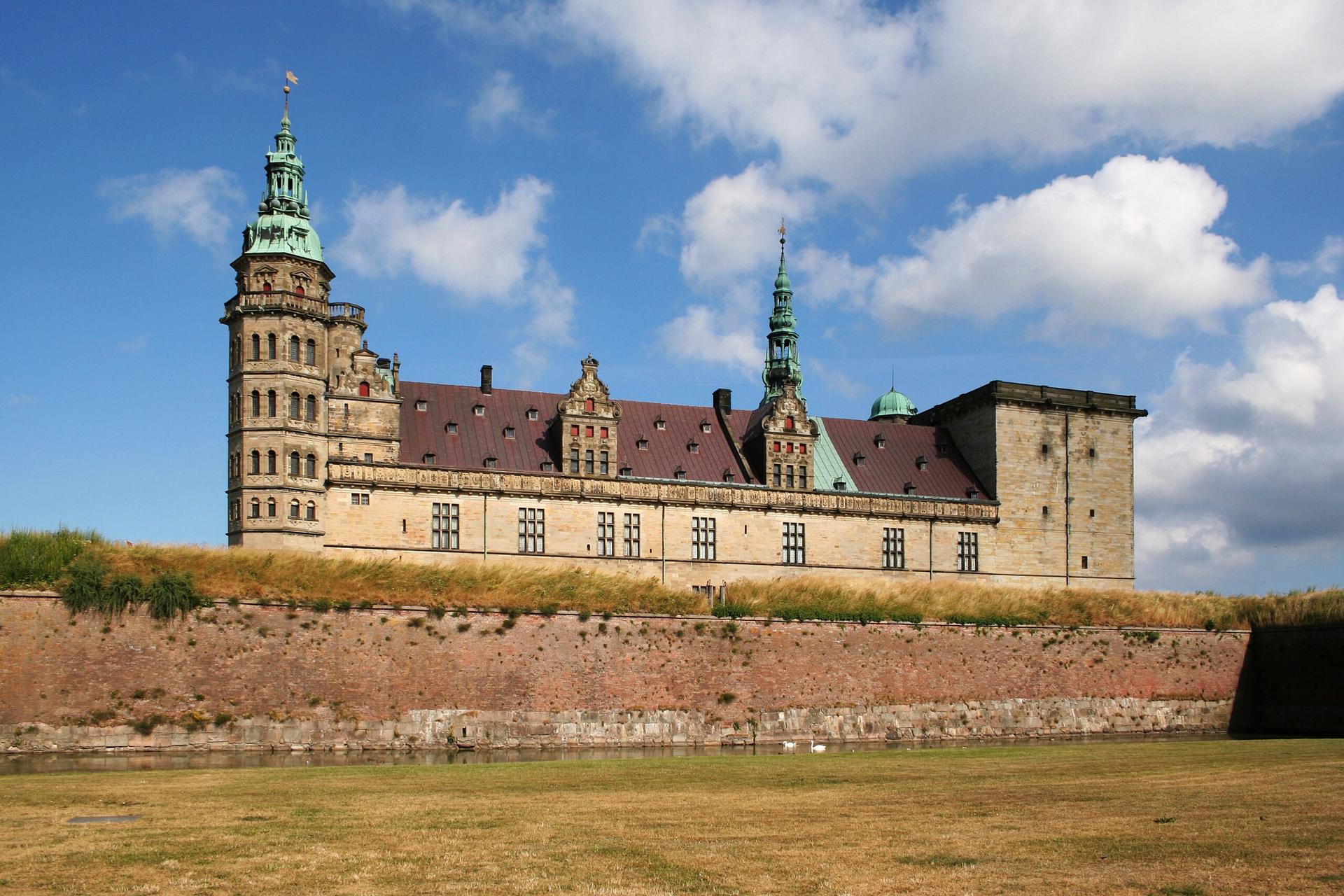
Looking beyond The Little Mermaid? Discover North Zealand for broader travel guides, local hot-spots, and regional highlights.
Explore North Zealand
A modern monument at Kastellet in Copenhagen honoring Denmark’s international peacekeeping and aid missions since 1948, set amid historic fortress surroundings.
Honoring Denmark’s seafaring legacy, the Maritime Monument in Østerbro is a striking, evocative memorial nestled in the heart of Copenhagen’s leafy cityscape.
