

Church of Our Saviour (Vor Frelsers Kirke)
Baroque brick, a spiraling golden spire, and a 400‑step climb to Copenhagen’s most memorable skyline views in the heart of Christianshavn.
The Church of Our Saviour in Copenhagen’s Christianshavn district is a baroque landmark crowned by a distinctive corkscrew spire with an external staircase. Consecrated in 1696 and completed with its famous tower in 1752, it pairs a Dutch baroque, Greek-cross interior with a dramatic 400-step climb to sweeping city panoramas. Inside, you find a richly carved altar, a historic 17th‑century organ supported by elephants, and the lingering sound of a 48‑bell carillon that chimes across the canals.
A brief summary to Church of Our Saviour
- Sankt Annæ Gade 29, Copenhagen, Indre By, 1416, DK
- Duration: 1 to 2.5 hours
- Budget
-
 Mixed
Mixed
- Mobile reception: 5 out of 5
Local tips
- Entry to the church nave is usually free, but climbing the tower requires a paid, timed ticket; book in advance in busy seasons to secure your preferred slot.
- Wear supportive footwear and pack light for the tower climb—stairs are steep and narrow, and bags can feel cumbersome on the exposed spiral section.
- If you are sensitive to heights, consider enjoying the interior and the square outside; the final 150 steps are outdoors with open railings and strong winds.
- Aim for clear weather for the best views, but remember that high winds, rain, or ice can temporarily close the tower for safety.
- Inside the nave, look for the carved elephants supporting the historic organ case, a playful reference to Denmark’s Order of the Elephant.

For the on-the-go comforts that matter to you
- Restrooms
- Seating Areas
- Information Boards
- Trash Bins
Getting There
-
Metro from central Copenhagen
From central Copenhagen, take the M1 or M2 metro line to Christianshavn Station, a journey of around 5–10 minutes from hubs such as Kongens Nytorv. Trains run every few minutes throughout most of the day. A single zone‑based ticket typically costs about 20–30 DKK depending on your starting point and can be bought from machines or via local transport apps. From the station it is a short, level urban walk through Christianshavn to the church, suitable for most visitors including those with strollers.
-
City bus within Copenhagen
Several city bus routes serve the Christianshavn area from inner Copenhagen in roughly 10–20 minutes, depending on traffic and your starting neighbourhood. Standard bus tickets use the same zone system as the metro, with prices usually around 20–30 DKK for a single adult fare. Buses are generally low‑floor and accessible, but they can be crowded during weekday rush hours. Expect a brief walk on paved streets from the nearest stop to the church.
-
Cycling through the city
Cycling to the Church of Our Saviour from central districts such as Indre By or Vesterbro takes about 10–20 minutes along Copenhagen’s extensive network of bike lanes. You can use a personal bicycle or rent one from city bike schemes or shops, with short‑term rentals commonly starting around 100–150 DKK per day. The route is largely flat and very bike‑friendly, but be prepared for busy commuter traffic at peak hours and follow local cycling etiquette at intersections and along canals.
-
Taxi or ride‑hail within Copenhagen
A taxi from central Copenhagen areas to Christianshavn typically takes 10–20 minutes, depending on traffic and starting point. Fares generally range between 120 and 220 DKK, including basic flag‑fall and distance charges. Taxis offer a convenient door‑to‑door option and are useful if travelling in a small group or with limited mobility, though narrow streets around the canals can slow traffic during busy periods.
Church of Our Saviour location weather suitability
-
 Clear Skies
-
 Mild Temperatures
-
 Cold Weather
-
 Hot Weather
-
 Any Weather
Discover more about Church of Our Saviour
A baroque icon in the heart of Christianshavn
The Church of Our Saviour rises above the canals of Christianshavn, its red‑and‑yellow brick walls and soaring tower instantly recognizable in Copenhagen’s skyline. Conceived when Christianshavn was laid out as an independent merchant town in the 17th century, the present church was built in the 1680s and consecrated in 1696. It stands on land reclaimed from the sea, its foundations resting on what was once seabed, a reminder of Copenhagen’s long history of shaping and defending its waterfront. From the outside, the church is a textbook example of Dutch baroque. The plan is a Greek cross, giving the interior a balanced, centralized feel. Pilasters in the giant Palladian order run the full height of the facade, lending a confident vertical rhythm. At ground level, the randomly patterned red and yellow tiles set it apart from the stricter brickwork of other royal buildings nearby, hinting at Christianshavn’s more mercantile, international character.The spiral spire and the climb into the sky
What makes the Church of Our Saviour unforgettable is its 90‑meter tower and corkscrew spire, completed in the mid‑18th century. The octagonal, copper‑clad upper section is ringed by statues of the four evangelists before the staircase breaks dramatically to the outside. From here, the last 150 of roughly 400 steps twist counterclockwise around the spire, looping four times toward a gilded globe topped by a figure of Christ. Climbing the tower is as much psychological as physical. The interior stairs are steep and narrow, and as you emerge onto the external steps, the wind and exposure sharpen your senses. Each turn reveals more of Copenhagen: the bastions of Christianshavn, the old harbor, the modern skyline, and on clear days, the coastline beyond. This is not an ascent for those uneasy with heights, yet for many it is one of the city’s most vivid experiences.An interior of symbolism, music, and royal grandeur
Inside, the church feels both luminous and theatrical. The high ceiling of the Greek‑cross nave draws the eye toward the main altar, installed in 1732 and designed as a dramatic baroque stage. It depicts Christ in the Garden of Gethsemane, flanked by angels, carved in rich detail and framed by columns and gilded ornament that reflect how closely church and monarchy were once intertwined. The great organ, built at the end of the 17th century, is one of the treasures of Danish sacred music. More than 4,000 pipes are arranged in an exuberant wooden case bearing the monogram of King Christian V. Below, carved elephants shoulder the instrument, a reference to the Order of the Elephant, Denmark’s highest chivalric honor, and to the strength expected of the absolutist state. When the organ fills the nave, it links the present congregation directly with the soundscape of three centuries ago.Carillon melodies above a working parish
Beyond its architectural spectacle, the Church of Our Saviour remains a living parish church. Regular services, baptisms, and weddings anchor it in local life, and periods for quiet reflection alternate with moments when the building is filled with music. A 48‑bell carillon housed in the tower rings out over Christianshavn, playing melodies through the day and offering an aural counterpart to the visual drama of the spire. Concerts and special musical events make full use of the acoustics and the historic organ, while the tower operates with timed entry to protect the fragile structure and manage the narrow stairways. In stormy, icy, or very windy conditions, the exposed sections of the spire may be closed, underlining that this is a historic monument as well as an attraction.Planning your visit to tower and church
Visiting the Church of Our Saviour typically divides into two parts: the free access to the main church and the ticketed ascent of the tower. The nave rewards slow exploration, from the altar and pulpit to smaller details such as royal symbols, carved woodwork, and the many representations of elephants hidden throughout. Benches invite you to sit and listen for the creak of the old timber or, with luck, the carillon overhead. Reaching the tower section involves a staircase that becomes increasingly narrow and steep, so it suits visitors with reasonable mobility and no serious vertigo. Timed tickets and capacity limits keep the ascent safe and avoid overcrowding on the external steps and viewing platforms. Allow ample time: lingering at intermediate landings, catching glimpses through porthole windows, and then pausing at the top to trace Copenhagen’s streets and waterways from above is very much part of the experience.Iconic landmarks you can’t miss

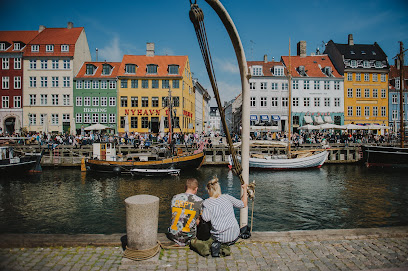
Copenhagen By Mie & Friends
0.4 km
Discover Copenhagen’s historic Botanical Garden, a serene oasis with Victorian glasshouses, winding paths, and thousands of rare plant species in the city’s heart.
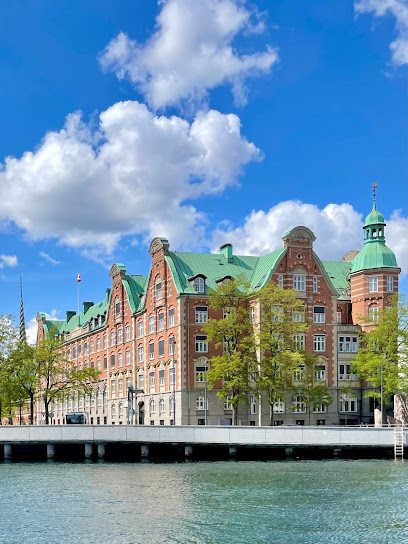
C.F. Tietgens Hus
0.6 km
A Neoclassical monument to Danish banking heritage and industrial vision, built for one of history's most influential entrepreneurs.
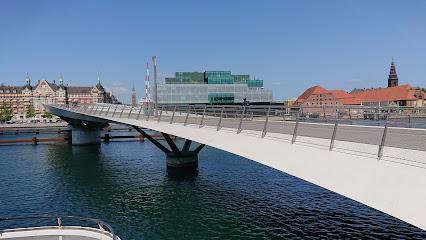
Circle Bridge
0.7 km
A five-masted circle of light and steel where art, everyday crossings and Copenhagen’s maritime history meet above the waters of Christianshavn Canal.
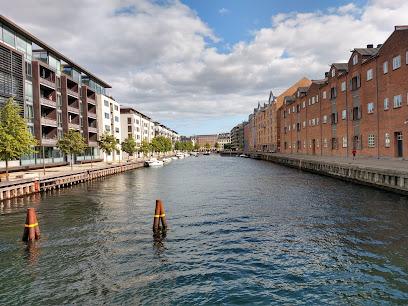
Holmens Bro
0.8 km
A modest granite arch in central Copenhagen that quietly connects Slotsholmen’s palaces with the city’s streets, offering classic harbour views and everyday urban life.

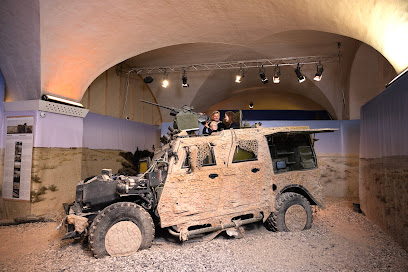
The War Museum
0.9 km
Explore 500 years of Danish military history in Copenhagen's historic arsenal.
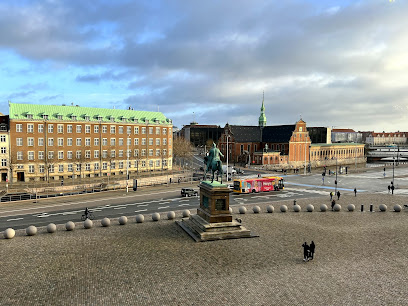
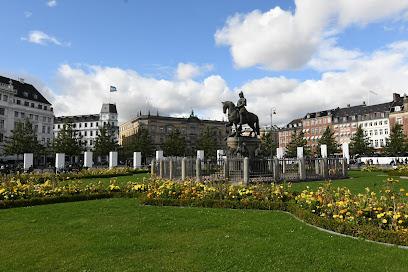
Frederik VII
0.9 km
Bronze monument in central Copenhagen commemorating King Frederik VII and Denmark’s 19th-century transition to constitutional monarchy, steps from political landmarks.
Lille Langebro
0.9 km
Explore Kronborg Castle, the iconic setting of Shakespeare's 'Hamlet,' and delve into Denmark's Renaissance history.
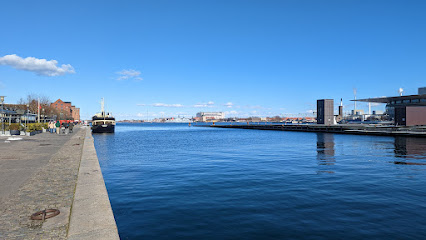
The Kissing Stairs
0.9 km
Copenhagen's beloved waterfront amphitheatre where culture, community, and harbour views converge.
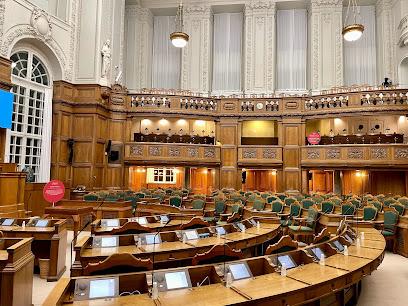
The Danish Parliament
0.9 km
Where copper spires, royal salons and granite façades frame the working heart of Danish democracy on Copenhagen’s historic Island of Power.
Kongens Nytorv
0.9 km
Historic observatory in Aarhus combining hands-on stargazing, interactive astronomy exhibits, and tranquil parkland with panoramic city views.
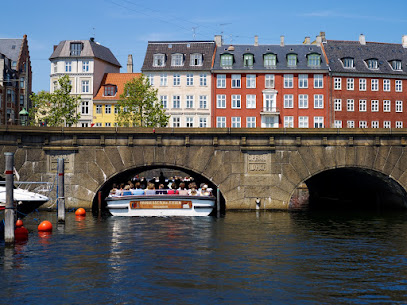
Stromma Canal Tours Copenhagen
0.9 km
A lush botanical oasis at the heart of Copenhagen, featuring historic glasshouses, rare Nordic plants, tranquil lakes, and immersive gardens for every season.
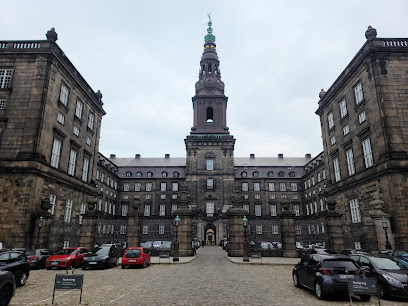
Christiansborg Palace
1.0 km
Explore the majestic Christiansborg Palace in Copenhagen, a blend of history, culture, and stunning architecture that captivates all who visit.
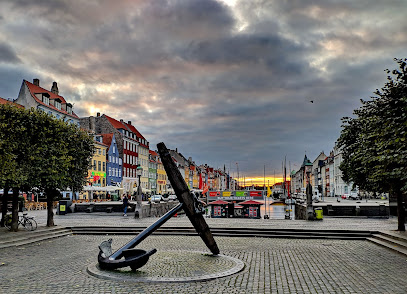
Memorial Anchor
1.0 km
A historic anchor monument honoring Danish WWII sailors, set at the heart of scenic Nyhavn, blending maritime history with Copenhagen’s lively canal atmosphere.
Danish Architecture Centre
1.0 km
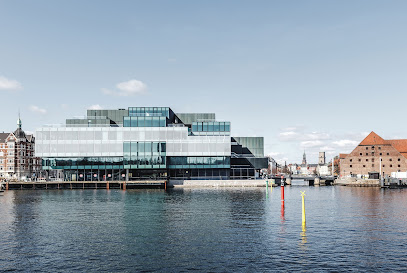
Explore Danish and international architecture, urban development, and design at Copenhagen's premier cultural center, the Danish Architecture Centre, located in the iconic BLOX building.
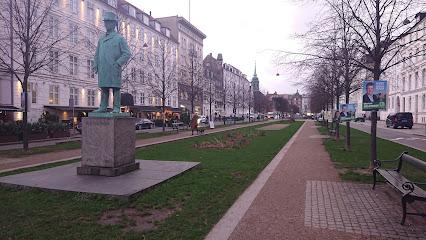
Sankt Annæ Pl.
1.0 km
Historic square blending royal heritage, climate innovation, and urban livability in central Copenhagen.
Unmissable attractions to see

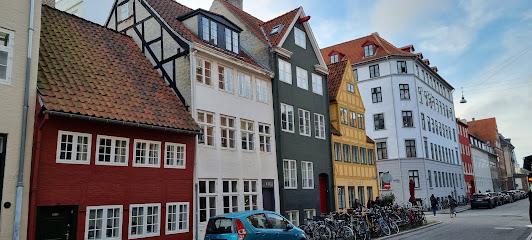
Sankt Annæ Gade
0.1 km
A narrow Christianshavn street where warehouses became homes, church bells echo over cobblestones, and Copenhagen’s maritime past meets everyday neighborhood life.
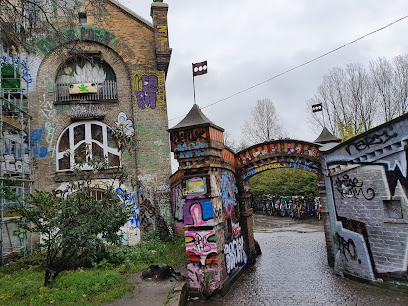
Christiania
0.2 km
A self-governing “freetown” of murals, lakeside paths and experimental living, tucked behind Copenhagen’s old ramparts in the heart of Christianshavn.
Lille Mølle
0.2 km
A compact windmill on Christianshavn’s ramparts, Lille Mølle blends defensive history, domestic interiors and gentle canal‑side views in one atmospheric museum.
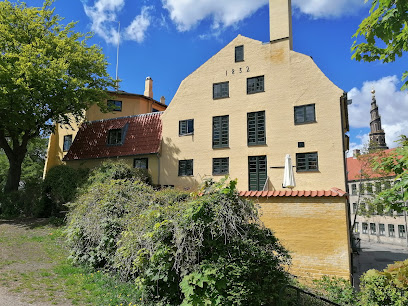
Green George af Thomas Dambo - Trold nr. 50
0.2 km
A towering recycled-wood troll at Christiania’s entrance, Green George blends street art, sustainability and playful storytelling in the heart of Copenhagen.
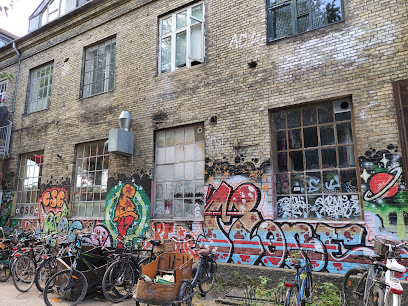
Christianshavns Kanal
0.3 km
A 17th‑century canal of cobbles, gables and sailboats, Christianshavns Kanal is Copenhagen’s quietly cinematic waterway at the heart of island life.
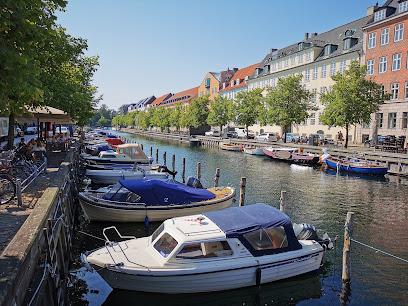
Christianshavn
0.3 km
Experience the lively heart of Helsingborg at Sundstorget, a vibrant square near the Northern Harbour.
Operaen
0.3 km
Innovative cocktails in a historic Copenhagen setting.
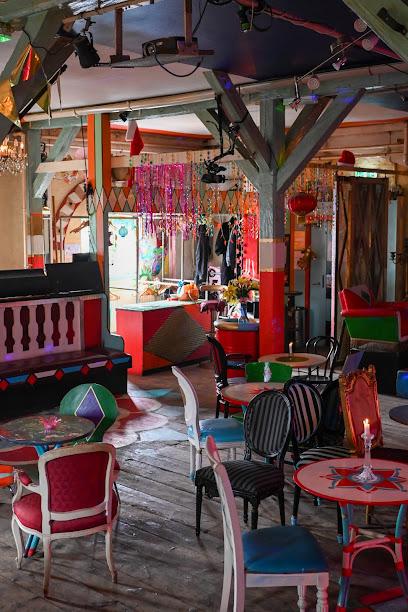
Culture Tower on Knippels Bridge
0.5 km
Innovative cocktails and cozy ambiance in a historic Copenhagen setting.
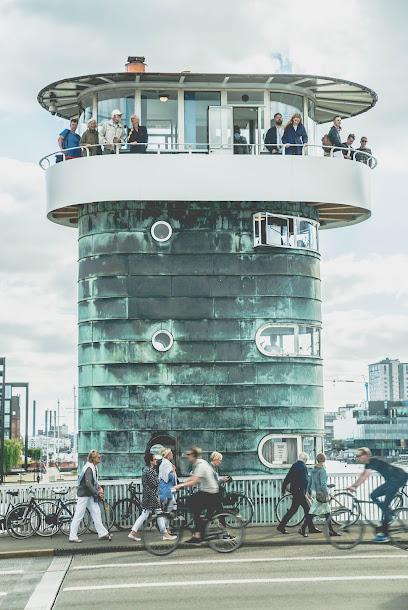
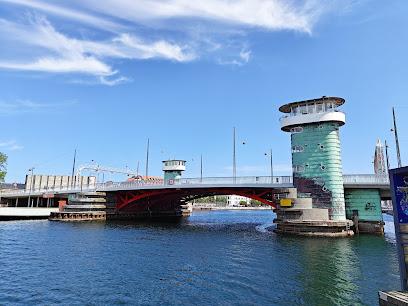
Knippelsbro
0.5 km
Copenhagen’s copper-towered bascule bridge, where four centuries of harbour crossings, functionalist design and everyday city life meet above the Inner Harbour.
Havnegade Promenaden
0.5 km
Slottsträdgården is Malmö’s central organic garden retreat, blending vibrant themed gardens, historic castle views, and lively year-round events in a lush urban oasis.
Havnepromenade
0.5 km
Discover Copenhagen’s Garden of the Royal Library: an elegant and tranquil retreat bridging royal heritage and modern design in the heart of the Danish capital.
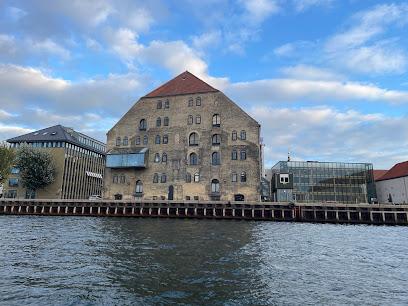
North Atlantic House
0.5 km
A 1767 waterfront warehouse transformed into Copenhagen’s vibrant gateway to the art, stories and flavors of Greenland, Iceland and the Faroe Islands.
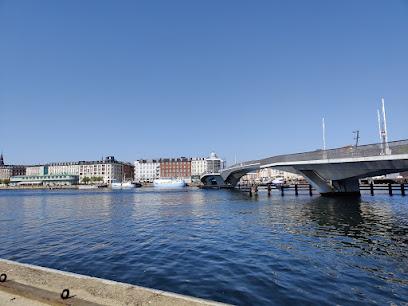
Inderhavnsbroen
0.6 km
Explore the evolution of Danish design at Copenhagen's historic Designmuseum Danmark.
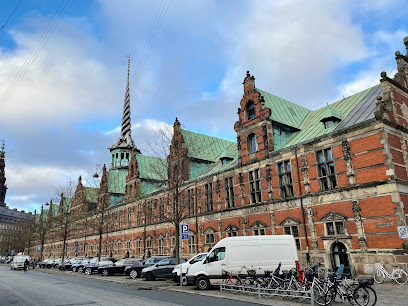
Børsen
0.7 km
Explore Copenhagen’s Ripley’s Believe It or Not!—an imaginative museum of fascinating oddities, curiosities, and interactive wonders at City Hall Square.
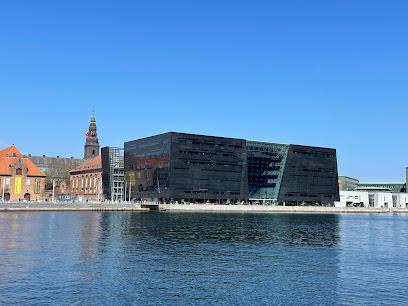
Det Kgl. Bibliotek, The Royal Library
0.7 km
Copenhagen’s Black Diamond blends a centuries‑old national library with bold harbourfront architecture, quiet reading rooms, exhibitions, concerts and a hidden garden oasis.
Essential places to dine

Restaurant Lola
0.2 km
Bold, travel-inspired cooking and inventive smørrebrød served in a sunny 17th‑century house with a leafy garden hideaway on Christianshavn’s historic ramparts.
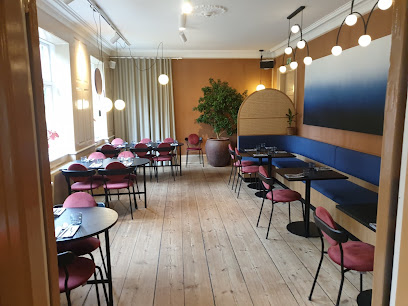
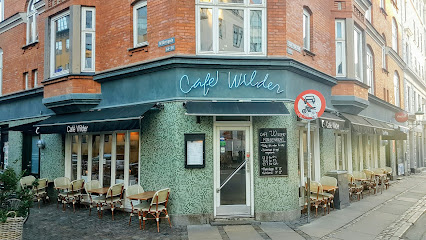
Cafe Wilder
0.2 km
A cherished French bistro where Parisian charm meets Copenhagen authenticity on the historic streets of Christianshavn.
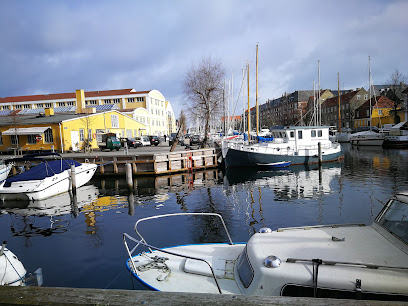
Restaurant Kanalen
0.3 km
Seasonal Danish cooking and relaxed Nordic elegance in a historic canalside house on Christianshavn, where boats glide past your table and the water sets the mood.
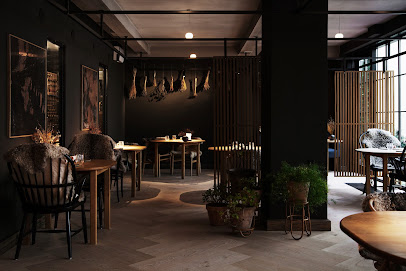
Kadeau
0.3 km
Bornholm’s wild pantry, refined in a serene Christianshavn dining room, where a seasonal New Nordic tasting menu and two-star precision define an intimate evening.
Restaurant Barr
0.6 km
Modern North Sea cuisine, serious beer and warm Nordic design meet in a historic harbor-front warehouse in the heart of Copenhagen’s Christianshavn.
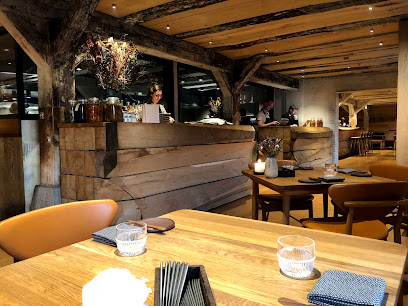
No. 2
0.6 km
Relaxed Nordic brasserie by the Copenhagen waterfront, pairing Michelin‑level know‑how with harbour views, seasonal Danish produce and polished yet informal service.
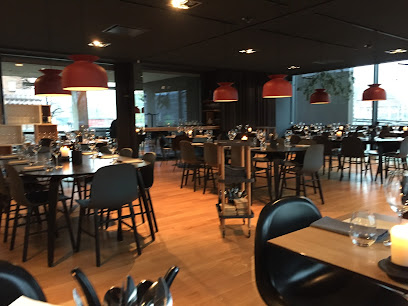
à terre
0.8 km
à terre brings French fine dining infused with Nordic creativity to central Copenhagen, offering an intimate, innovative tasting menu experience near Copenhagen’s key attractions.
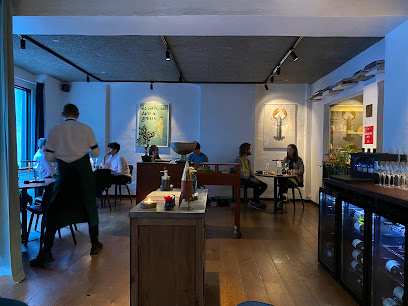
Khun Juk
0.8 km
Refined Thai dining tucked into Copenhagen’s iconic Nyhavn, where candlelit tables, fresh flowers and layered flavors turn dinner into an intimate evening event.
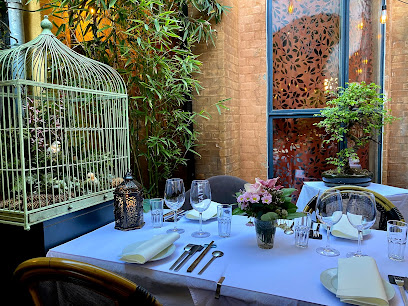
Skipperkroen
0.9 km
Harbourfront smørrebrød and seafood in an 18th‑century Nyhavn house, pairing classic Danish flavours with canal views from cosy rooms and a lively terrace.
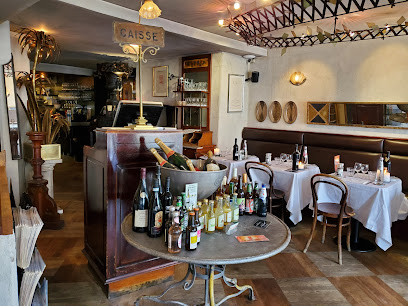
Cap Horn
0.9 km
Candlelit Nordic bistro in a historic Nyhavn townhouse, blending classic Danish seafood, canal views and cosy hygge from late morning to late evening.
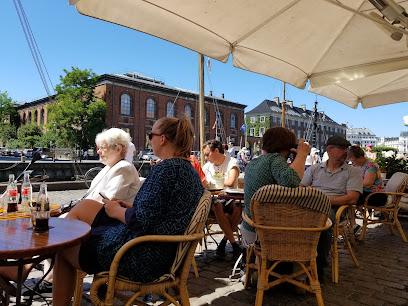
King Hans Cellar
0.9 km
Historic vaulted cellars, cutting-edge Nordic cuisine, and centuries-old royal ambiance converge at Copenhagen’s legendary King Hans Cellar fine dining restaurant.
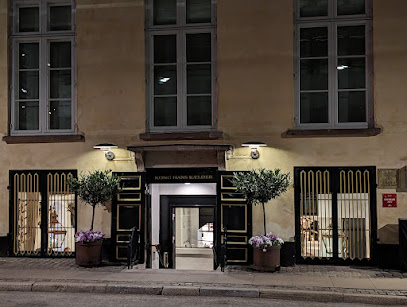
Nyhavns Færgekro
0.9 km
Classic Danish cooking and a famed herring buffet in a cozy canal-side tavern, set within one of Nyhavn’s colorful townhouses overlooking Copenhagen’s historic harbor.
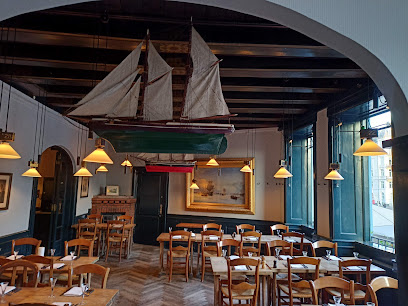
Llama
1.0 km
Latin American flavors, bold cocktails and patterned-tile design bring Peruvian and Mexican energy to a lively, late-night restaurant just off Kongens Nytorv.
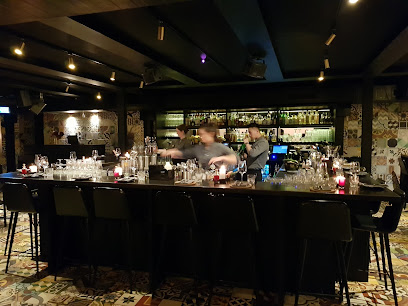
Restaurant Maven
1.0 km
Distinctive Scandinavian dining in the soaring nave of a former church, Restaurant Maven offers inventive cuisine and fine wine in Copenhagen's historic Indre By.
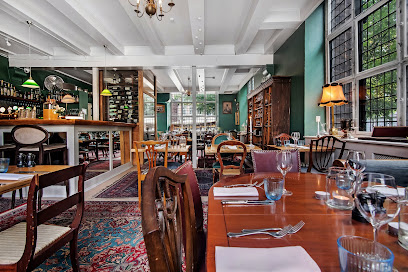
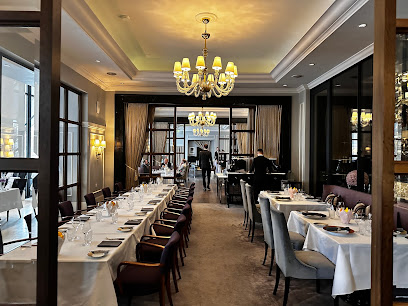
Marchal
1.0 km
Michelin-starred Nordic–French fine dining in the historic elegance of Hotel d’Angleterre on Copenhagen’s grand Kongens Nytorv.
Markets, malls and hidden boutiques

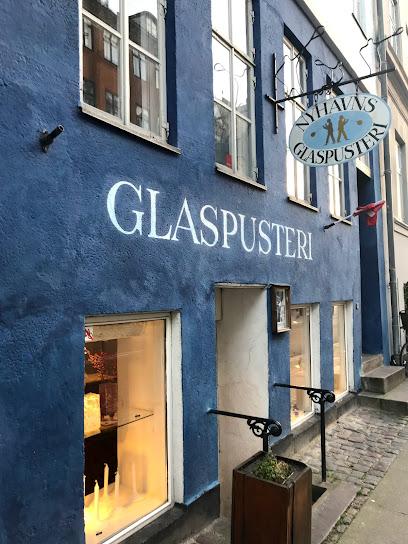
Copenhagenglass
0.8 km
Intimate glassblowing studio and shop near Nyhavn, where Danish maritime-inspired designs and hands-on sessions turn molten glass into memorable Copenhagen souvenirs.
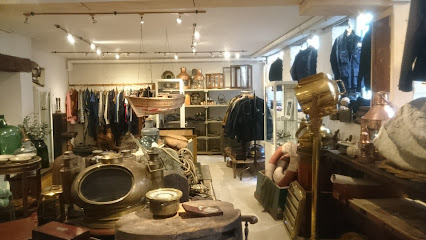
Maritime Antiques &
0.9 km
Atmospheric basement shop near Nyhavn where genuine maritime antiques share space with heritage-inspired clothing and rugged knitwear in a cosy, ship-like setting.
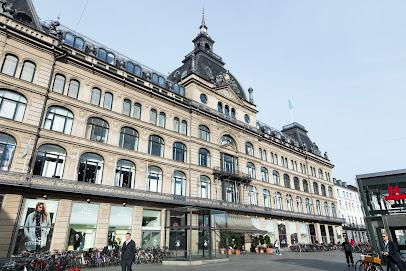
Magasin du Nord
0.9 km
Copenhagen’s classic department store: historic architecture, Nordic style, gourmet treats and relaxed cafés gathered under one elegant roof on Kongens Nytorv.
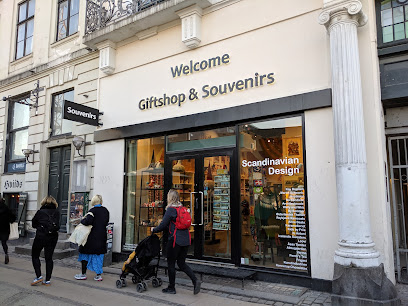
Welcome Giftshop & Souvenirs
1.0 km
Central Copenhagen’s cosy hygge boutique for Danish design, classic souvenirs, and easy last-minute gifts just off bustling Kongens Nytorv square.
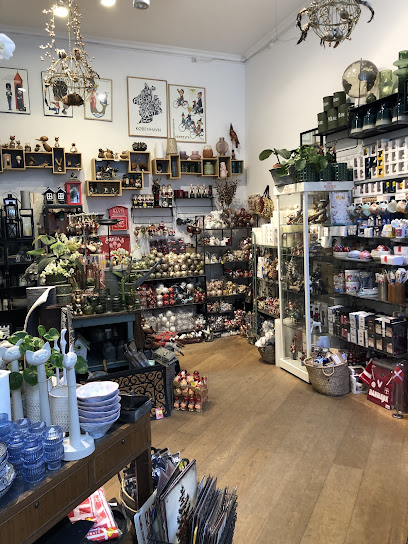
Zane
1.0 km
Intimate Copenhagen florist and design boutique on stylish Bredgade, blending seasonal blooms, Nordic homeware and thoughtful gifts in a cosy, lived-in space.
Viking Souvenirs
1.0 km
Authentic Danish and Viking-themed souvenirs in Copenhagen's historic city center.
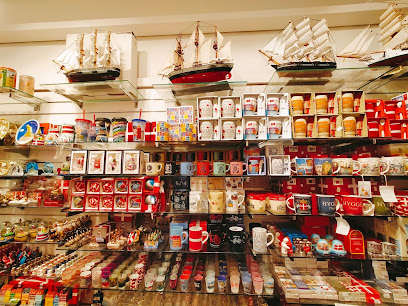
Copenhagen Souvenir & Design
1.0 km
Denmark's premier souvenir destination offering authentic Danish heritage, contemporary design, and quality gifts across seven city-center locations.
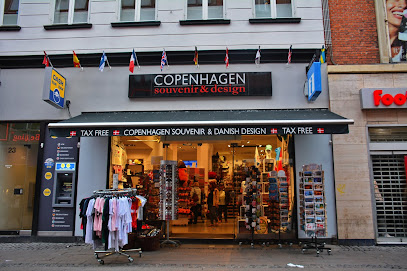
Danish Souvenirs & luggages
1.0 km
Central Strøget souvenir and luggage shop combining classic Danish mementos with practical travel gear, open long hours for convenient, last‑minute Copenhagen gifts.
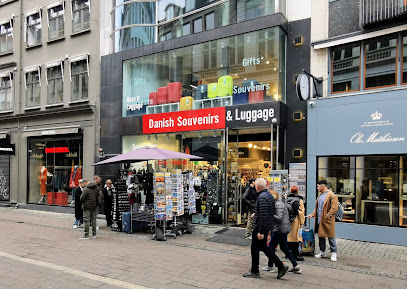
Danish Souvenirs
1.1 km
Central Copenhagen souvenir hub on Højbro Plads, packed with Danish icons, practical travel extras and long opening hours just steps from Strøget.
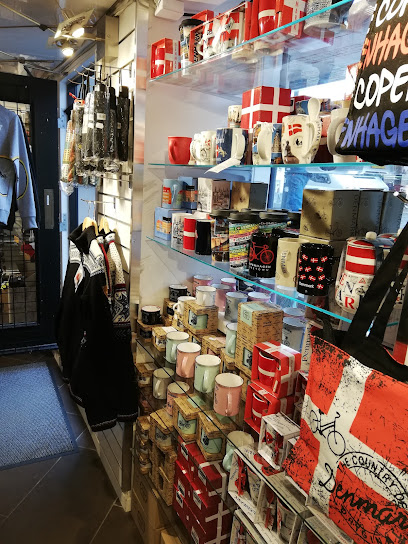
Urban Outfitters
1.1 km
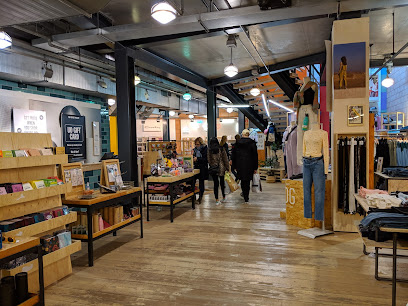
Trendy multi-level fashion and lifestyle store bringing Urban Outfitters’ eclectic clothing, homeware and vinyl mix to the heart of Copenhagen’s Østergade.
ILLUM
1.1 km
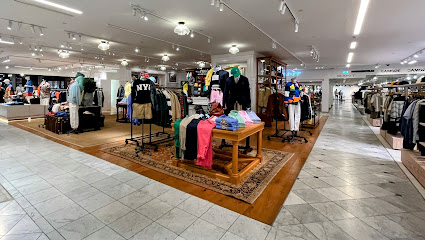
ILLUM is Copenhagen’s iconic department store, combining world-class fashion, Danish design, gourmet food, and rooftop views in historic Indre By.
The Wilde Shop
1.1 km
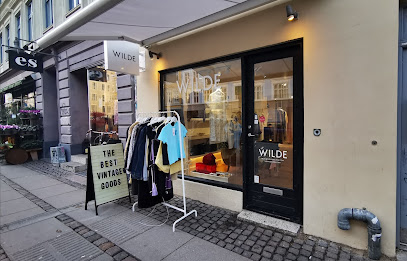
A boutique vintage shop in Indre By, Copenhagen bringing together handpicked retro clothing, sustainable fashion, and curated Scandinavian style in a welcoming setting.
Læderstræde
1.2 km
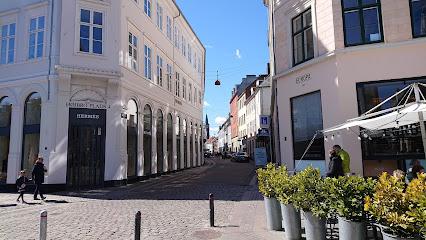
Læderstræde is a historic pedestrian street in central Copenhagen, offering a blend of independent boutiques, cozy cafés, and authentic Danish ambiance year-round.
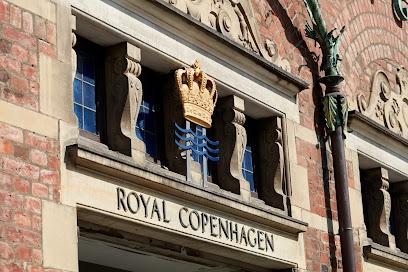
Royal Copenhagen Flagship Store
1.2 km
Historic Renaissance townhouse on Strøget where hand‑painted Royal Copenhagen porcelain, royal history and Danish design culture meet across three atmospheric floors.
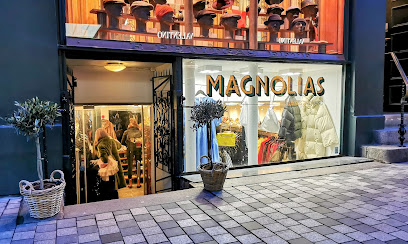
Magnolias
1.2 km
A compact, upscale secondhand boutique on Købmagergade, Magnolias blends Copenhagen chic with curated pre-loved designer fashion in the city’s historic shopping heart.
Essential bars & hidden hideouts

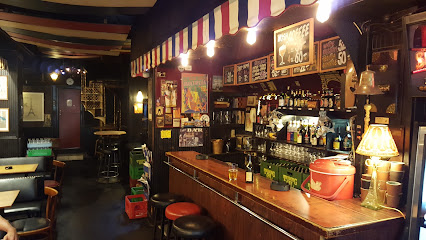
Eiffel bar
0.2 km
Experience the cozy atmosphere of Eiffel Bar in Copenhagen, where friendly service meets affordable drinks in a charming setting.
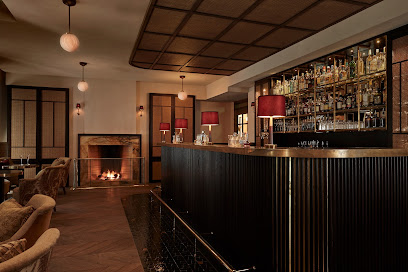
TATA Cocktail Bar
0.7 km
A velvet-draped, fireplace-warmed cocktail hideaway inside Hotel Sanders, where classic mixology, Danish design and theatre-inspired charm blend seamlessly.
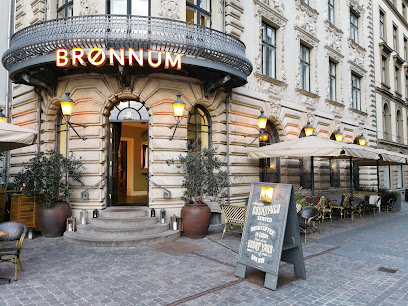
Brønnum
0.9 km
An opulent, multi‑room cocktail bar steps from Kongens Nytorv, where historic townhouse elegance meets contemporary mixology and candlelit late‑night conversation.
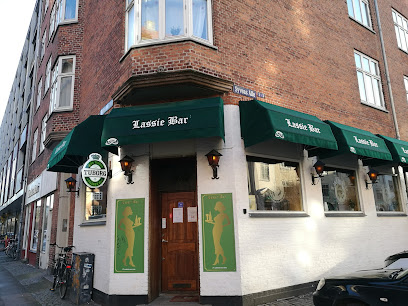
Lassie Bar
1.0 km
A classic Amager brown bar where bottled beer, schnapps and neighborhood chatter create a quietly authentic slice of everyday Copenhagen nightlife.
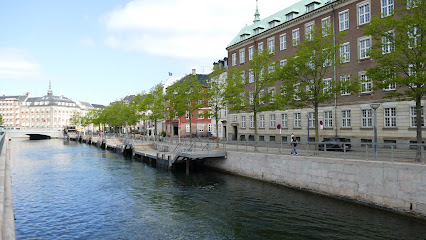
Ved Stranden
1.0 km
Canal-side natural wine bar and shop in a historic townhouse, blending Copenhagen charm, thoughtful bottles and relaxed, living-room warmth by Christiansborg Palace.
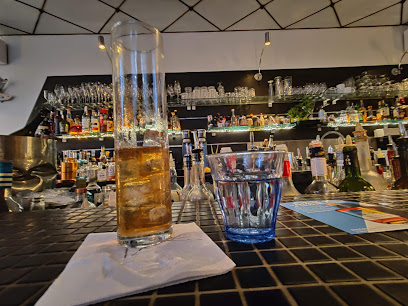
K-Bar
1.0 km
Intimate harbourfront cocktail den in central Copenhagen, known for monochrome style, inventive infusions and quietly confident classics poured with real care.
Balthazar
1.1 km
A luxurious Champagne bar at Hotel d’Angleterre, pairing an extensive bubbles list and crafted cocktails with velvet-luxe interiors and a lively DJ-backed ambience.
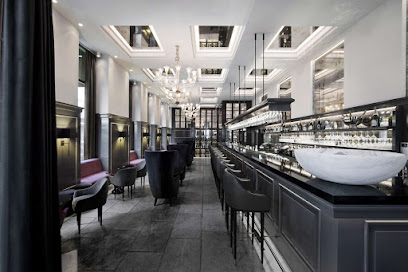
Bar Deco
1.1 km
Intimate Art Deco–inspired cocktail bar near Kongens Nytorv, pairing crafted drinks with moody lighting and a relaxed, grown‑up Copenhagen atmosphere.
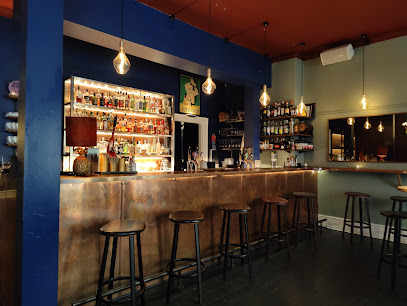
1105
1.1 km
Intimate, dimly lit cocktail bar in Copenhagen’s 1105 postcode, pairing dark, elegant interiors with carefully crafted Nordic-inspired drinks and classic mixes.
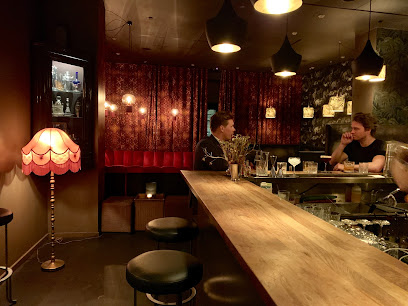
The Bird and The Churchkey
1.1 km
Discover the vibrant atmosphere of The Bird and The Churchkey, a must-visit bar in Copenhagen for craft beer and creative cocktails.
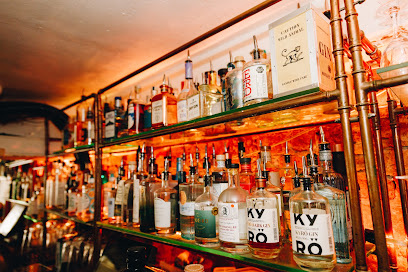
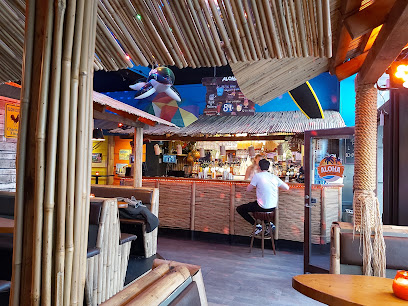
Aloha Beach Bar
1.2 km
Island-inspired cocktails, neon glow and late-night party vibes packed into a compact tropical bar just off Gothersgade in central Copenhagen.
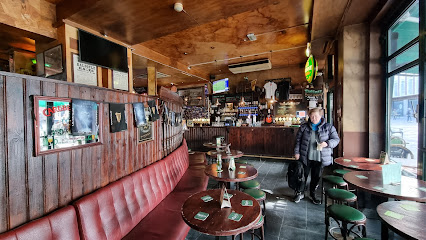
The Dubliner
1.2 km
Lively Irish pub energy on Copenhagen’s Amagertorv, serving hearty pub classics, well-poured pints, live music and big-screen sport in a cosy, wood-lined setting.
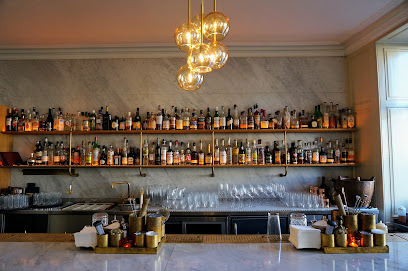
Ruby
1.2 km
An unmarked 18th‑century townhouse on Nybrogade hides Ruby, a quietly glamorous cocktail institution where inventive drinks meet candlelit canal-side charm.
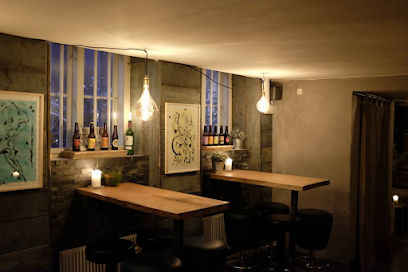
Godt Øl
1.2 km
Cosy basement craft beer bar in Copenhagen’s old town, pouring 12 rotating taps in a low-key, conversation-friendly setting from mid-afternoon until late night.
Lord Nelson Bar
1.2 km
Experience the vibrant nightlife and craft cocktails at Lord Nelson Bar, a historic gem in the heart of Copenhagen's bustling streets.
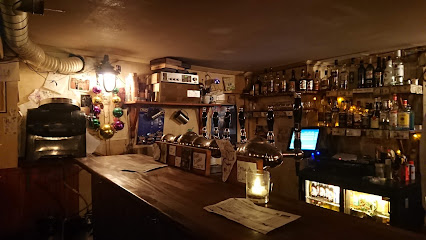
Nightclubs & after hour spots

Lusso
1.1 km
A compact, high-end Copenhagen nightclub with champagne-forward table service, dim lighting and a stylish late-night crowd just steps from Kongens Nytorv.
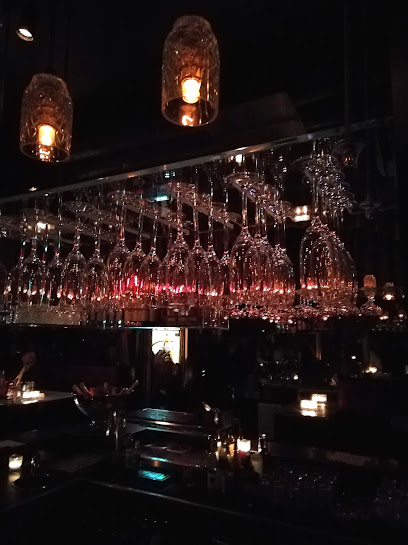
The Zoo
1.2 km
Intimate late-night nightclub on Sværtegade in Copenhagen’s historic center, blending a compact dance floor, DJ-driven beats and a casual, social bar atmosphere.
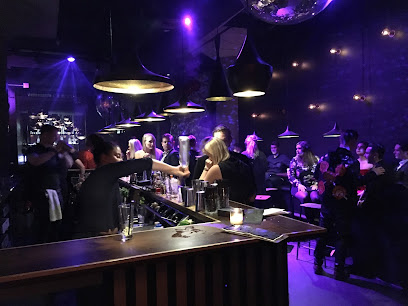
Mini Bar
1.3 km
Discover the vibrant nightlife of Copenhagen at Mini Bar, a premier night club offering eclectic tunes and a lively atmosphere for unforgettable nights.
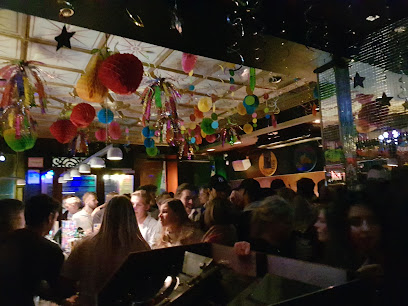
Chateau Motel
1.4 km
Discover the lively nightlife of Copenhagen at Chateau Motel, a top destination for cocktails and dancing in a vibrant atmosphere.
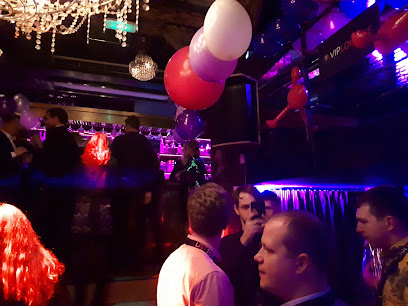
Club Mambo
1.4 km
Experience the energetic nightlife of Copenhagen at Club Mambo, a vibrant night club offering salsa dancing, cocktails, and delicious dining.
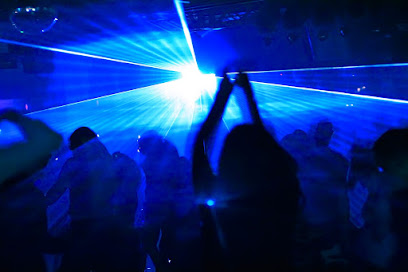
Hive
1.5 km
Copenhagen's premier high-end nightclub with cutting-edge design, VIP service, and immersive themed experiences.
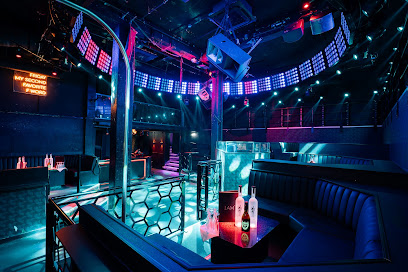
Mirror
1.5 km
Dive into the heart of Copenhagen's nightlife at Mirror, where the rhythm never stops and unforgettable memories are made.
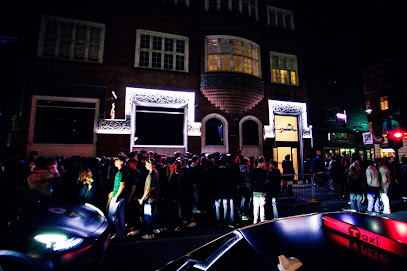
Rumors
1.5 km
Discover the heart of Copenhagen's nightlife at Rumors, where energetic vibes and unforgettable nights await you.
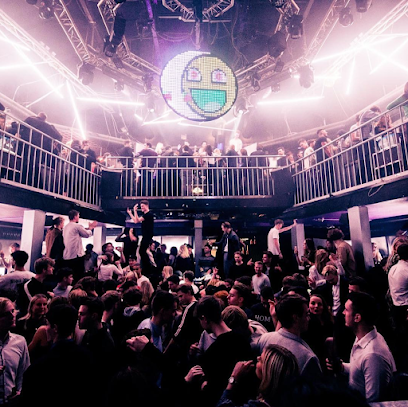
Miami Bar
1.5 km
Discover Copenhagen's nightlife at Miami Bar, where cocktails and dancing create unforgettable nights in a vibrant atmosphere.
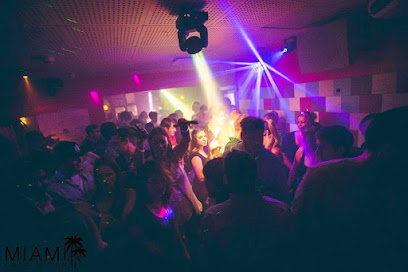
Dorsia
1.6 km
Central Copenhagen nightclub with late‑night DJs, cocktails and an image‑conscious crowd packed into a dark, modern interior off busy Kattesundet.
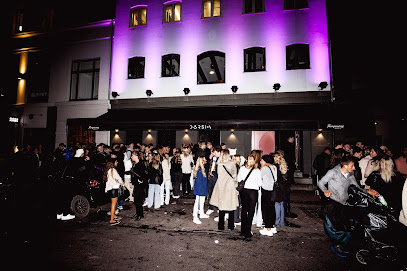
La Terraza
1.6 km
Compact nightclub on Studiestræde in Copenhagen’s old town, offering loud beats, straightforward drinks and an unpretentious late-night dance floor.
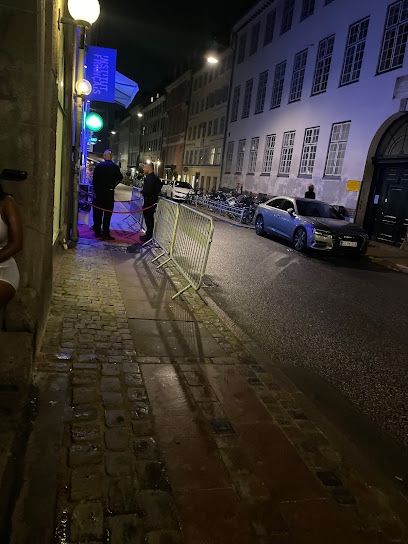
Culture Box
1.6 km
Discover the heartbeat of Copenhagen's nightlife at Culture Box, where music, art, and dance create an unforgettable experience.
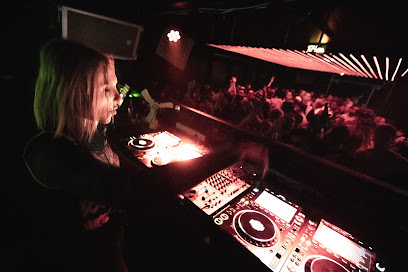
Cosy Bar
1.7 km
Discover the lively atmosphere of Cosy Bar, a top gay nightclub in Copenhagen offering fantastic music, vibrant crowds, and unforgettable nights.
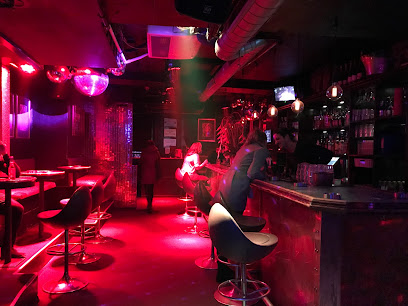
Arch
1.7 km
Discover the vibrant nightlife of Copenhagen at Arch, a premier night club offering electrifying music and an unforgettable atmosphere.
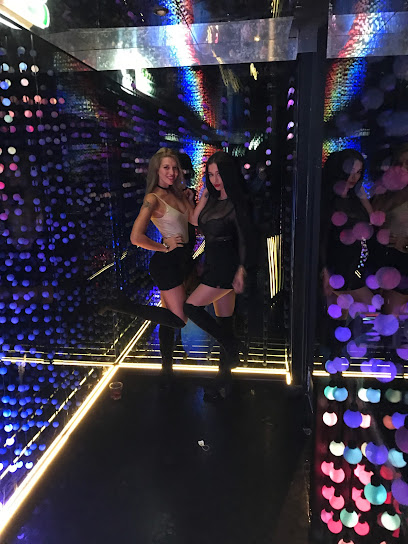
Mirage
1.8 km
Dive into the electrifying nightlife at Mirage, Copenhagen's premier night club for an unforgettable evening of music, dancing, and entertainment.

For the vibe & atmosphere seeker
- Scenic
- Tranquil
- Unique
- Romantic
- Fun-filled
For the design and aesthetic lover
- Vintage Styles
- Modern Designs
For the architecture buff
- Historic
- Landmarks
- Sacred Sites
- Viewpoints
For the view chaser and sunset hunter
- Iconic Views
- Panoramas
- Skyline
- Sunset Spots
For the social media creator & influencer
- Instagrammable
- Photo Spots
- Selfie Spots
- Architectural Shots
- Reel-Friendly
For the eco-conscious traveler
- Public-Transport Accessible
- Low Impact
For the kind of experience you’re after
- Cultural Heritage
- Photowalk
- Mindfulness
- Adventure Photo Shoot
- Day Trip
For how adventurous you want the journey to be
- Easy Access
Location Audience
- Family Friendly
- Senior Friendly
- Child Friendly
- Teen Friendly
- Solo Friendly
- Couple Friendly
- Solo Female Friendly
- Vegetarian Friendly
- Vegan Friendly
- Business Friendly


