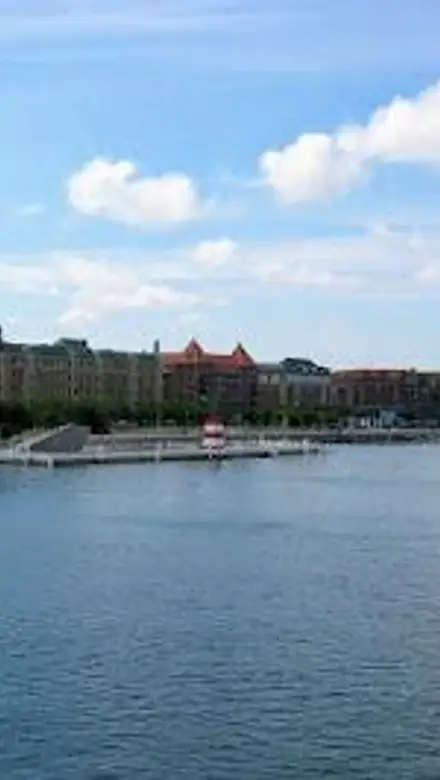
Islands Brygge, Køge Travel Guide
Free Guide: Copenhagen’s former industrial quay reborn as a sun-soaked harbourfront of swimming decks, lawns and laid-back city life along the inner waterfront.


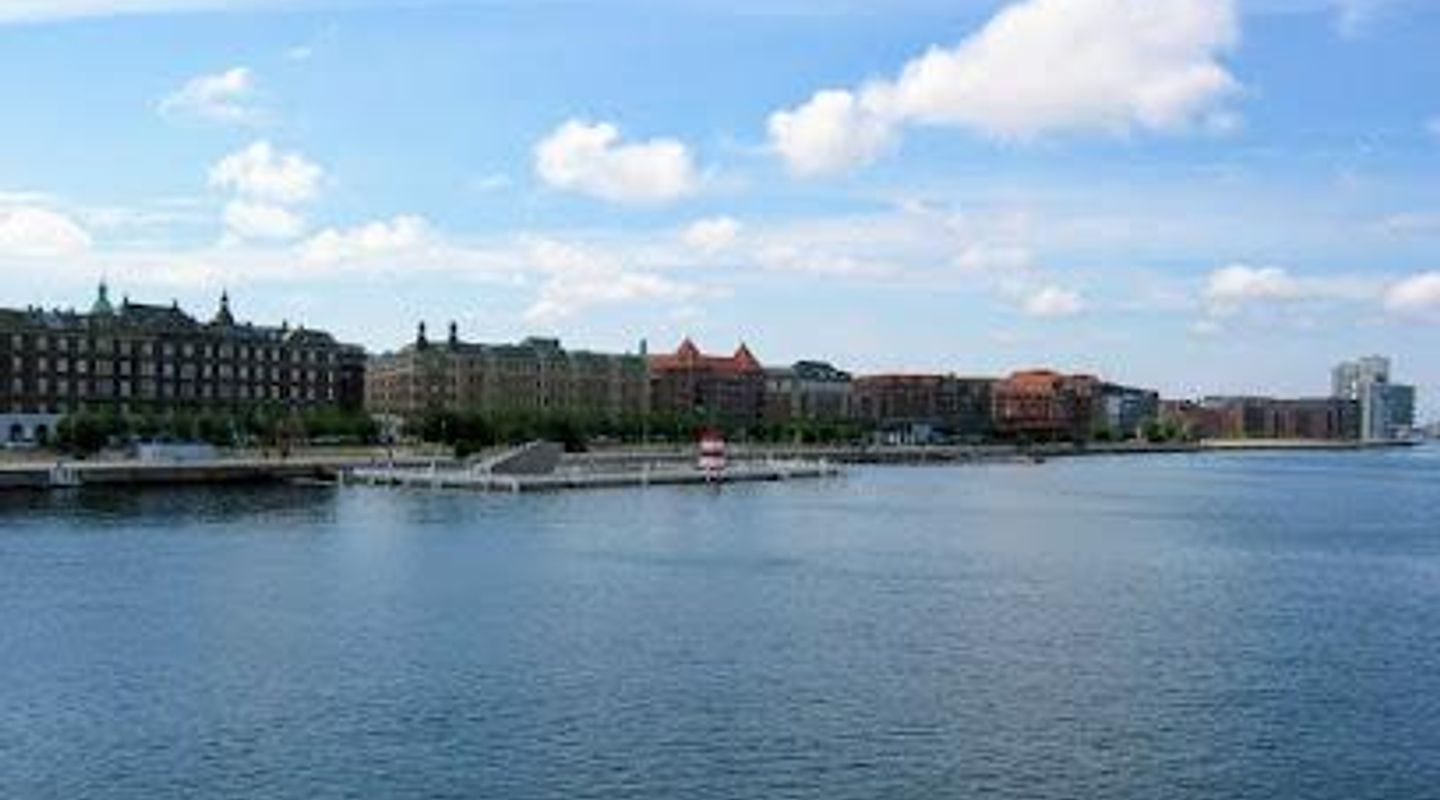
A brief summary of Islands Brygge
Copenhagen’s former industrial quay reborn as a sun-soaked harbourfront of swimming decks, lawns and laid-back city life along the inner waterfront.
Islands Brygge is Copenhagen’s classic harbourside hangout: a former industrial quay transformed into a lively waterfront promenade with lawns, a harbour bath and cafés. In summer the area hums with swimmers, grill parties and sunset picnics, while the rest of the year it offers wide harbour views, gentle strolls and a glimpse of everyday local life just across the water from the city centre.
On-site amenities
 Restrooms
 Drink options
 Drinking water
 Food options
 Seating areas
 Sheltered areas
 Picnic areas
 Trash bins
 Information boards
- Address
- Copenhagen
Getting there
Metro
Bicycle
Harbour bus
Discover more about Islands Brygge
From Working Docklands to Waterside Playground
Islands Brygge stretches along the inner harbour opposite central Copenhagen, where warehouses and shipyards once defined the skyline. Today, sleek apartment blocks, promenades and public spaces have replaced cranes and coal piles, but the long, straight quay still hints at its industrial past. The redevelopment kept the harbour at the heart of the neighbourhood, turning functional edge-of-town wharves into a welcoming urban waterfront.As you wander along the paving stones you can still trace the old working rhythms in the generous scale of the quay, now softened by trees, playgrounds and grass. The transformation is a showcase for Copenhagen’s shift from maritime industry to people-focused waterfront living, where clean water and public access are treated as civic essentials rather than luxuries.
Life Around the Harbour Bath
The focal point of Islands Brygge is its harbour bath, a series of open-air pools and jetties framed in pale timber. In the warmer months locals plunge into the clear harbour, sun themselves on stepped decks and queue for the diving platforms, while families gravitate to shallow basins with lifeguards on duty. The bath is a symbol of the city’s environmental ambitions: once heavily polluted, the harbour is now clean enough for everyday swimming.Around the pools, the energy spills onto the quayside. Joggers weave between bikes, friends share portable speakers and portable grills on the lawn, and the sound of splashing carries far along the water. Even outside peak swimming season, the bath’s geometric forms, ladders and railings lend the area a distinctive architectural character that contrasts with the open sweep of the harbour.
Green Lawns, Promenade and Everyday Hygge
Running beside the water is a wide ribbon of grass that acts as Islands Brygge’s communal living room. On bright days it fills with picnickers, students with notebooks, dog walkers and impromptu ball games. The flat expanse means there is nearly always a patch of space to spread out a blanket, and the constant backdrop is the working harbour: ferries gliding past, kayakers tracing the edge, and office façades catching the light on the far shore.Parallel to the lawn, a waterside path invites slow exploration on foot or by bicycle. From here you can watch the sky change colour over the city centre, spot distinctive landmarks in the distance and study the varied architecture lining both banks. Occasional art pieces, play areas and temporary event structures add a sense of improvisation that keeps the promenade feeling lived-in rather than polished.
Cafés, Community and Neighbourhood Character
Behind the waterfront park, the streets of Islands Brygge form a compact village within the city. Small groceries, bakeries and relaxed cafés spill onto pavements in good weather, giving the area a friendly, residential feel. On summer weekends, flea markets and local events sometimes occupy stretches of the quay, adding stalls, music and an informal festival atmosphere.The mix of long-time residents and newer arrivals in modern developments gives the neighbourhood a layered identity. Students, young families and office workers all treat the waterfront as shared territory, whether it is for an early-morning dip, a coffee break with a view or an evening gathering. This everyday use is what makes Islands Brygge feel less like a staged attraction and more like a window into contemporary Copenhagen life.
Seasonal Moods and Views Across the Water
Although Islands Brygge is most animated in high summer, it rewards visits in every season. On crisp winter days, the broad harbour feels almost Nordic coastal, with low sunlight, sharp reflections and a bracing wind that encourages brisk walks. Spring brings the first outdoor lunches on the quay, while autumn paints the trees along the promenade in softer tones.Across the water, you can pick out the silhouettes of central-city landmarks and modern harbourfront projects, providing a constantly shifting backdrop of boats, bridges and buildings. As evening approaches, the lawns settle into quieter gatherings and the skyline lights up, turning the harbour into a ribbon of reflections. Whether you stay for a quick stroll or linger for hours, Islands Brygge offers a spacious, relaxed counterpoint to the denser historic centre just across the canal.
Evendo Review Centre
 Google
Guest reviews
Best time to go
Quietest: Jan, Feb & Mar · before 6am
Busy times are Evendo estimates for a typical year, to help you plan. Actual crowds vary with events, school holidays and the weather.
Explore Islands Brygge on the map
A handpicked selection of must-see spots near Islands Brygge, mapped for you.
Get your free copy of our complete guide to Islands Brygge, delivered straight to you.
Everything on this page, from opening hours and how to get there to Eve’s tips and the best time to go, in one PDF you can read offline, print or share.
Already have an account? Sign in
Your Islands Brygge guide is ready.
We'll send it to · Not you? Sign out

Getting your guide ready…
We are putting together a fresh copy of the Islands Brygge guide. This can take up to a minute.
This can take a few moments. If your browser asks, choose Allow so the download can start. You'll find the guide in your Downloads folder.
Nothing happened? Download it again
Sorry, the guide is taking longer than usual. Please try again in a minute, or get it by email instead.
Unlock the best of Islands Brygge
Skip-the-line tickets, guided tours with entry, and walking tours of the area, booked in a few clicks.


Other nearby places you may find interesting
The closest places of the same kind, if this one is not quite what you had in mind.
-
-
-
-
-


Swipe for more places
More to explore near Islands Brygge

 Best experiences near Islands Brygge
 Best hotels near Islands Brygge
 Best landmarks near Islands Brygge
 Best attractions near Islands Brygge
 Best shops near Islands Brygge
 Best restaurants near Islands Brygge
 Best bars near Islands Brygge
Do you manage this location?
Take control to get all the benefits, like improved information, better appearance, and stronger visibility across AI-powered discovery.
Explore more
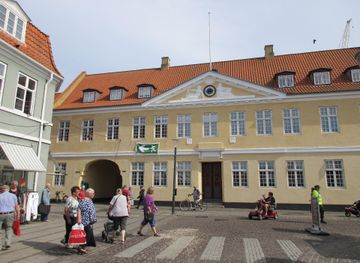
Explore more of Køge
Explore Køge, Denmark's coastal gem, with its medieval charm, beautiful marina, and close proximity to the stunning Stevns Klint UNESCO World Heritage site.
Explore Køge
Explore more of Denmark
Discover Denmark: A perfect blend of history, modern design, and the cozy concept of hygge. Explore vibrant cities, serene landscapes, and world-class cuisine.
Explore Denmark