

Copenhagen Opera House, Køge Travel Guide
Free Guide: Architectural masterpiece on Copenhagen's harbor—world-class opera and ballet in a stunning modern venue.


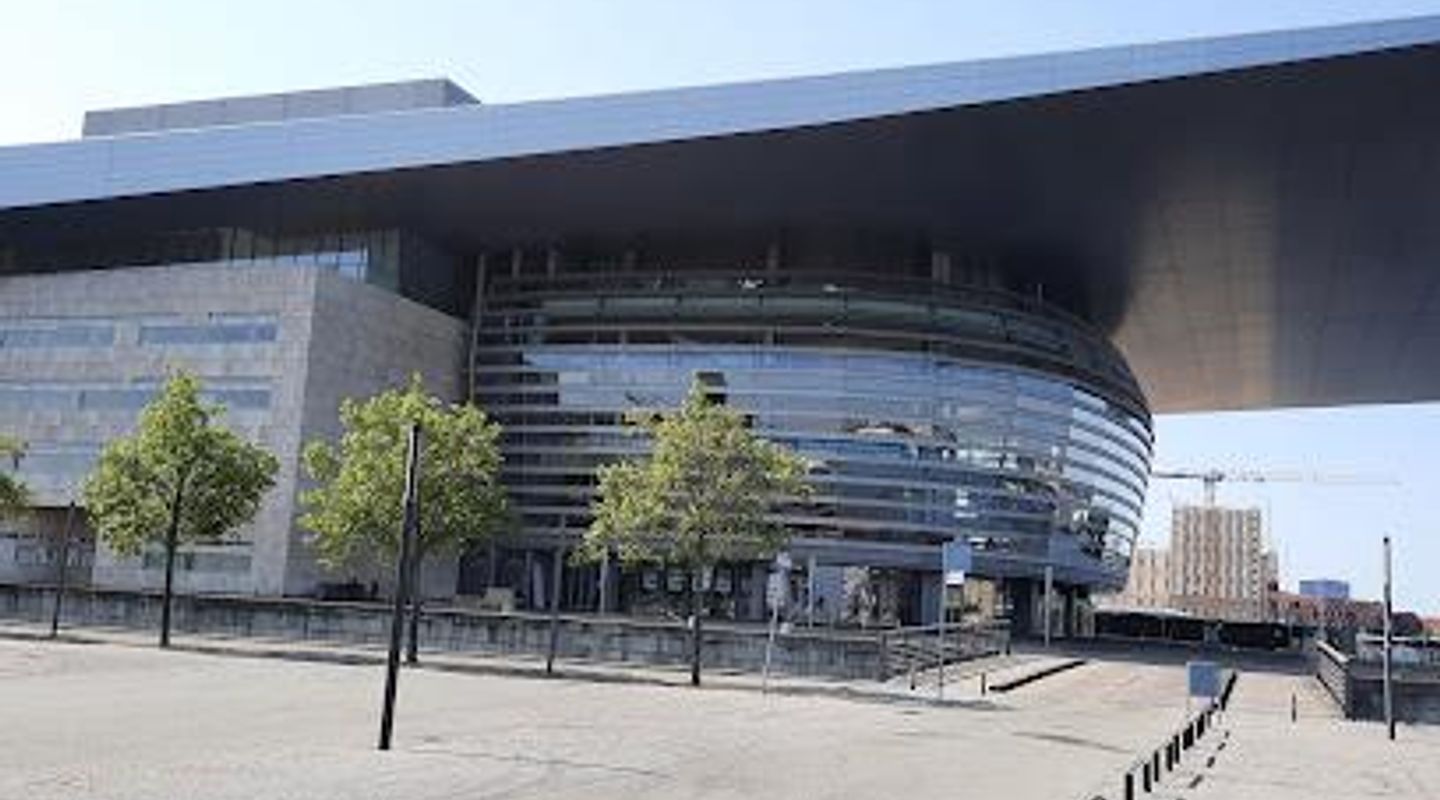
A brief summary of Copenhagen Opera House
Architectural masterpiece on Copenhagen's harbor—world-class opera and ballet in a stunning modern venue.
A stunning modern architectural masterpiece designed by Henning Larsen, the Copenhagen Opera House sits on the island of Holmen in Copenhagen's inner harbor. Since its inauguration in 2005, this world-class venue has hosted exceptional opera, ballet, and symphonic performances in a 1,703-seat auditorium renowned for its impeccable acoustics. The building's iconic cantilevered roof, golden maple interior shell, and waterfront setting make it one of Denmark's most innovative structures and a symbol of contemporary Scandinavian design.
On-site amenities
 Restrooms
 Drink options
 Food options
 Seating areas
 Information boards
 Visitor centre
- Address
- Ekvipagemestervej 10, 1438 København K
- Phone
- Website
Getting there
Metro + Walking
Bus
Bicycle
Water Bus (Harbour Bus)
Discover more about Copenhagen Opera House
A Monument to Modern Architectural Vision
The Copenhagen Opera House stands as a testament to visionary design and cultural ambition. Completed in 2005 on the island of Holmen, this 41,000-square-meter structure was conceived as a gift to the Danish people through the A.P. Møller and Chastine Mc-Kinney Møller Foundation. Architect Henning Larsen's design emerged victorious from an international competition, chosen for its innovative contemporary architecture that would define Copenhagen's cultural landscape for generations. The building's creation marked a pivotal moment in the transformation of Copenhagen's inner harbor from an industrial port into a vibrant recreational and cultural destination.The construction process, which began in 2001, proved extraordinarily complex. Engineers had to construct portions of the building partially in water, requiring a sophisticated blend of modern engineering and traditional craftsmanship. Over 950 workers—including builders, supervisors, and chief resident engineers—labored for four years to complete this ambitious project. The result is one of the world's most expensive opera houses, with construction costs exceeding US$500 million, yet every investment is evident in the building's meticulous execution and attention to detail.
Engineering Marvel and Structural Innovation
The Opera House's most distinctive feature is its dramatic cantilevered roof, a ribbed structure that extends far beyond the building's footprint, creating a covered arrival plaza that hovers over the water. This engineering feat earned the building the Outstanding Structure Award from the International Association for Bridge and Structural Engineering in 2008. The roof design employs aircraft wing technology, requiring a comparatively small structural depth to achieve its extensive span—a solution that makes the building instantly recognizable even from the air.The building's footprint is deliberately isolated by excavated canals on both sides, emphasizing its monumental character and maritime location. The exterior combines natural limestone from Munich with bands of windows and narrow light slots, creating a surface that shifts in appearance throughout the day. The foyer's expansive glass façade allows visitors to glimpse the interior wooden shell from the harbor, with the golden maple auditorium becoming increasingly visible as daylight fades and evening lighting illuminates the structure. This interplay of transparency and mystery invites exploration and creates an ever-changing visual experience.
The Auditorium: Acoustic Perfection and Intimate Grandeur
At the heart of the Opera House lies the Large Auditorium, a masterpiece of acoustic design and intimate performance space. The auditorium's exterior shell, crafted from stained maple, deliberately echoes the body of a stringed instrument—a poetic reference to the musical performances it hosts. The interior continues this golden maple aesthetic in the balcony cladding, while rear walls and floors feature stained solid maple and smoked oak. Every element, from seat padding to the intricate carvings on back walls, has been meticulously calibrated to achieve optimal acoustics.The auditorium accommodates between 1,492 and 1,703 spectators, depending on the flexibility of the orchestra pit configuration. The horseshoe-shaped seating arrangement ensures that parquet and balconies form one consistent whole, with sightlines reaching all the way to the front of the stage. The horizontal recesses and reliefs adorning the rear walls, box walls, and balcony fronts serve dual purposes: they enhance the visual rhythm of the space while functioning as critical acoustic elements. This integration of form and function creates an environment where performers and audiences experience unparalleled sound quality.
A Complex Creative Partnership
The relationship between architect Henning Larsen and Mærsk Mc-Kinney Møller, the visionary businessman who championed the project, proved both collaborative and contentious. Møller was deeply involved in every aspect of the design, personally testing seats and materials, and traveling worldwide to study how opera buildings aged over time. His insistence on quality without compromise shaped crucial decisions, including the controversial modification of the glass façade. Larsen's original design featured expansive glass panels intended to display the auditorium shell from outside, but Møller's concerns about long-term weathering led to a compromise: a metal grid with smaller glass panels.This creative tension ultimately produced a building of extraordinary refinement. However, after the Opera's completion, Larsen took the unusual step of publishing a critical book about the building, distancing himself from the project and calling it a "mausoleum" for Møller. This candid critique remains rare in architectural practice, highlighting the complex legacy of the building's creation.
Interior Splendor and Artistic Collaboration
The Opera House's interior showcases the work of renowned Danish and international artists. Sicilian marble, 24-karat gold, and fine timber create an atmosphere of understated luxury throughout the foyer. Danish artist Per Kirkeby contributed four bronze reliefs, while Danish-Icelandic artist Olafur Eliasson designed three light sculptures that grace the foyer space. The building comprises over 1,000 rooms across 14 floors—five of which are underground—including numerous rehearsal halls for opera and ballet, costume shops, dressing rooms, and a large orchestra rehearsal room situated five floors below ground level.The backstage area is notably vast, larger than the stage itself, allowing multiple performances to be prepared simultaneously. This hidden infrastructure supports the Royal Danish Theatre's ambitious programming and ensures that world-class productions can be mounted with the technical sophistication they demand. The Queen of Denmark maintains her own private box on the left side of the auditorium, closest to the stage, a tradition honoring the monarchy's role in Danish cultural life.
Harbor Views and the Surrounding Landscape
From the Opera House's upper levels, visitors enjoy a breathtaking 180-degree panoramic view spanning from the harbor fairway toward Knippelsbro and across the city's historic turrets and spires to the view northward toward Øresund. The adjacent Opera Park provides a verdant escape, offering stunning vistas and a tranquil green space that beautifully integrates landscape architecture with the building's contemporary design. The park's sustainable features and thoughtful layout complement the Opera House's architectural vision, creating a complete cultural and recreational destination. The building's position directly across the harbor from Amalienborg Palace and the Marble Church completes a historical axis that connects Copenhagen's royal heritage with its contemporary cultural aspirations.
Evendo Review Centre
 Google
Guest reviews
Best time to go
Quietest: Jan, Feb & Mar · before 8am
Busy times are Evendo estimates for a typical year, to help you plan. Actual crowds vary with events, school holidays and the weather.
Explore Copenhagen Opera House on the map
A handpicked selection of must-see spots near Copenhagen Opera House, mapped for you.
Get your free copy of our complete guide to Copenhagen Opera House, delivered straight to you.
Everything on this page, from opening hours and how to get there to Eve’s tips and the best time to go, in one PDF you can read offline, print or share.
Already have an account? Sign in
Your Copenhagen Opera House guide is ready.
We'll send it to · Not you? Sign out

Getting your guide ready…
We are putting together a fresh copy of the Copenhagen Opera House guide. This can take up to a minute.
This can take a few moments. If your browser asks, choose Allow so the download can start. You'll find the guide in your Downloads folder.
Nothing happened? Download it again
Sorry, the guide is taking longer than usual. Please try again in a minute, or get it by email instead.
Unlock the best of Copenhagen Opera House
Skip-the-line tickets, guided tours with entry, and walking tours of the area, booked in a few clicks.
 Tour with entry
Copenhagen Walking Tour with Audioguide on Your Smartphone
from $10.67 Tour with entry
Christianshavn Walking Tour Copenhagen Bohemian Life and History
from $42.72 Tour with entry
Copenhagen Highlights: Small Group Walking Tour - Max 10 people
from $44.86 Tour with entry
Bike Tour Copenhagen. Guide & Concierge Service, Small Grp
from $46.31



Other nearby places you may find interesting
The closest places of the same kind, if this one is not quite what you had in mind.
-
-
-
-
-


Swipe for more places
More to explore near Copenhagen Opera House

 Best experiences near Copenhagen Opera House
 Best hotels near Copenhagen Opera House
 Best landmarks near Copenhagen Opera House
 Best attractions near Copenhagen Opera House
 Best shops near Copenhagen Opera House
 Best restaurants near Copenhagen Opera House
 Best bars near Copenhagen Opera House
Do you manage this location?
Take control to get all the benefits, like improved information, better appearance, and stronger visibility across AI-powered discovery.
Explore more
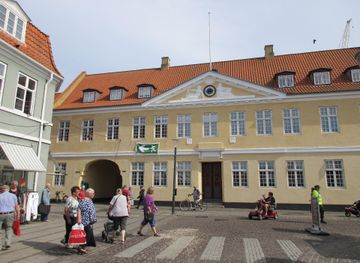
Explore more of Køge
Explore Køge, Denmark's coastal gem, with its medieval charm, beautiful marina, and close proximity to the stunning Stevns Klint UNESCO World Heritage site.
Explore Køge
Explore more of Denmark
Discover Denmark: A perfect blend of history, modern design, and the cozy concept of hygge. Explore vibrant cities, serene landscapes, and world-class cuisine.
Explore Denmark
