

Gefion Fountain, Køge Travel Guide
Free Guide: Bronze goddess and oxen eternally plowing Zealand from the sea—Copenhagen's largest monument to Norse myth.


A brief summary of Gefion Fountain
Bronze goddess and oxen eternally plowing Zealand from the sea—Copenhagen's largest monument to Norse myth.
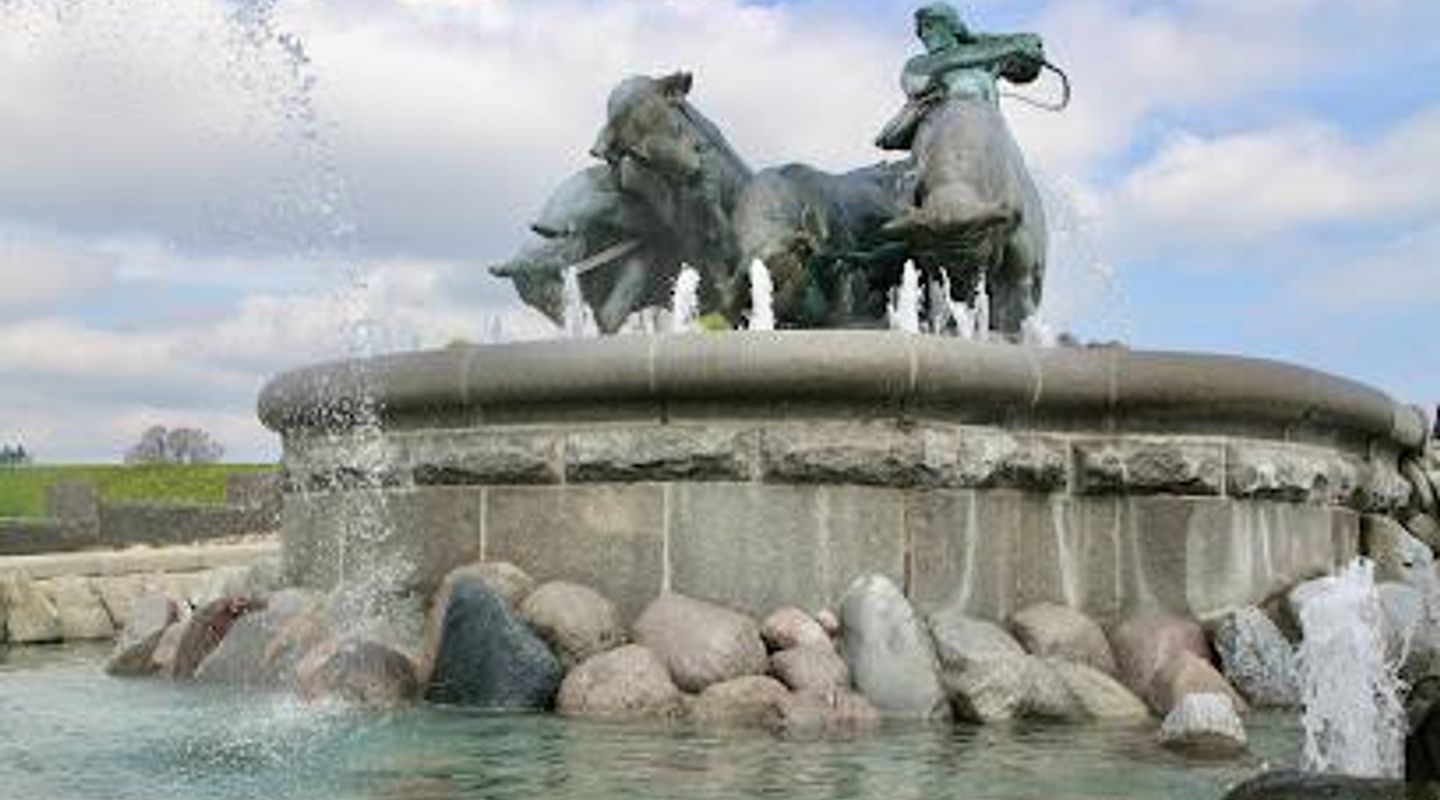
One of Copenhagen's most iconic monuments, the Gefion Fountain stands majestically in Langelinie Park, depicting the Norse goddess Gefion plowing the island of Zealand from Sweden with four oxen transformed from her sons. Completed in 1908 as a gift from the Carlsberg Foundation, this grand bronze sculpture captures a pivotal moment from Nordic mythology. Free to visit and accessible year-round, it's a powerful blend of artistry, legend, and maritime beauty.
On-site amenities
 Seating areas
 Trash bins
 Information boards
Opening hours
- Every dayOpen 24 hours
Opening hours as listed on the venue’s Google Business Profile. Hours can change for services and special events, so check with the venue before you go.
- Address
- Churchillparken, 1263 København K
- Phone
- Website
Getting there
Metro
Bus
Walking
Bicycle
Discover more about Gefion Fountain
The Myth Cast in Bronze
The Gefion Fountain tells one of the most dramatic creation stories in Norse mythology. According to legend, the Swedish king Gylfi promised the goddess Gefion as much land as she could plow in a single day and night. Rather than accepting defeat, Gefion devised an audacious plan: she transformed her four sons into immensely powerful oxen and harnessed them to a plow. Working through the night with supernatural strength, the oxen tore a vast section of land from Sweden and dragged it into the sea. That piece of land became the island of Zealand, upon which Copenhagen now stands. The remaining hole in Sweden filled with water, creating Lake Vänern, whose shape remarkably mirrors that of Zealand itself.
A Monument to Sacrifice and Determination
Designed by renowned Danish artist Anders Bundgård, the fountain captures this mythological moment in stunning detail. The sculpture depicts Gefion commanding her four oxen as they strain forward, muscles tensed, in the act of plowing. Every element—from the goddess's determined expression to the animals' powerful forms—conveys the intensity of their legendary labor. The work is rendered entirely in bronze, showcasing the exceptional craftsmanship of early 20th-century sculpture. What makes the story particularly compelling is its underlying theme of sacrifice: Gefion's sons were transformed into beasts to fulfill her ambition, a mystical bargain that speaks to the strange and often costly nature of mythological power.
A Gift to the City and Symbol of Danish Heritage
The fountain was completed in 1908 and presented to Copenhagen by the Carlsberg Foundation as a gift commemorating the brewery's 50th anniversary. It was officially inaugurated on July 14, 1908, and has since become one of the largest and most significant monuments in the city. The fountain underwent extensive renovations beginning in 1999 and was re-inaugurated in September 2004, ensuring its preservation for future generations. Today, it stands as a testament to Denmark's cultural heritage and the enduring power of Nordic mythology in shaping national identity.
Setting and Atmosphere
Located in Langelinie Park on the harbor front in the Østerbro district, the fountain occupies a prime position overlooking the water. The park's lush greenery and proximity to the sea create a serene yet dramatic backdrop for the sculpture. The fountain's position at the cusp of the Langelinie Promenade makes it an ideal starting or pausing point for longer walks through Copenhagen's historic waterfront. Nearby attractions include Kastellet, the star-shaped fortress with its windmills and grassy ramparts, and the Little Mermaid statue, allowing visitors to weave together multiple layers of Danish legend and history in a single outing.
A Monument for All Seasons
The fountain's appeal transcends the calendar. In summer, visitors can enjoy the cooling spray of water on warm days, while the dynamic interplay of light and water creates ever-changing visual effects. Winter transforms the scene into something equally striking, as frost and ice add sculptural stillness to the already dramatic composition. The fountain operates continuously as a free public monument, accessible at any time, making it one of Copenhagen's most democratic cultural treasures.
Visitor Experience and Cultural Significance
While primarily a monument to Norse mythology and Danish heritage, the fountain has also become an informal wishing well, with visitors tossing coins into the water—a modern ritual layered atop ancient legend. The sculpture commands attention through sheer visual power and artistic excellence, drawing history enthusiasts, mythology buffs, photographers, and casual passersby alike. It serves as a tangible reminder that myth and history often blur at the water's edge, and that Copenhagen's very existence is rooted in stories of gods, transformation, and determination.
Evendo Review Centre
 Google
Guest reviews
Best time to go
Quietest: Jan, Feb & Nov · before 6am or at 10pm
Busy times are Evendo estimates for a typical year, to help you plan. Actual crowds vary with events, school holidays and the weather.
Explore Gefion Fountain on the map
A handpicked selection of must-see spots near Gefion Fountain, mapped for you.
Get your free copy of our complete guide to Gefion Fountain, delivered straight to you.
Everything on this page, from opening hours and how to get there to Eve’s tips and the best time to go, in one PDF you can read offline, print or share.
Already have an account? Sign in
Your Gefion Fountain guide is ready.
We'll send it to · Not you? Sign out

Getting your guide ready…
We are putting together a fresh copy of the Gefion Fountain guide. This can take up to a minute.
This can take a few moments. If your browser asks, choose Allow so the download can start. You'll find the guide in your Downloads folder.
Nothing happened? Download it again
Sorry, the guide is taking longer than usual. Please try again in a minute, or get it by email instead.
Unlock the best of Gefion Fountain
Skip-the-line tickets, guided tours with entry, and walking tours of the area, booked in a few clicks.
 Tour with entry
Self-Guided Tour In Copenhagen with 100 Captivating Audio Stories
from $3.18 Tour with entry
Copenhagen Self Guided Audio Experience
from $5.70 Tour with entry
Copenhagen Exploration Game and City Tour on your Phone
from $8.50 Tour with entry
Copenhagen Spy Quest: Uncover the Royal Conspiracy
from $9.03


Other nearby places you may find interesting
The closest places of the same kind, if this one is not quite what you had in mind.
-
-
-
-
-


Swipe for more places
More to explore near Gefion Fountain

 Best experiences near Gefion Fountain
 Best hotels near Gefion Fountain
 Best landmarks near Gefion Fountain
 Best attractions near Gefion Fountain
 Best shops near Gefion Fountain
 Best restaurants near Gefion Fountain
 Best bars near Gefion Fountain
Do you manage this location?
Take control to get all the benefits, like improved information, better appearance, and stronger visibility across AI-powered discovery.
Explore more
Explore more of Køge
Explore Køge, Denmark's coastal gem, with its medieval charm, beautiful marina, and close proximity to the stunning Stevns Klint UNESCO World Heritage site.
Explore Køge
Explore more of Denmark
Discover Denmark: A perfect blend of history, modern design, and the cozy concept of hygge. Explore vibrant cities, serene landscapes, and world-class cuisine.
Explore Denmark
