Fiskeriets Hus Travel Guide
Free Guide: Intimate harbor-side museum where Bagenkop’s fishing past comes alive through artifacts, stories, and an immersive ship simulator on southern Langeland.


A brief summary of Fiskeriets Hus
Intimate harbor-side museum where Bagenkop’s fishing past comes alive through artifacts, stories, and an immersive ship simulator on southern Langeland.
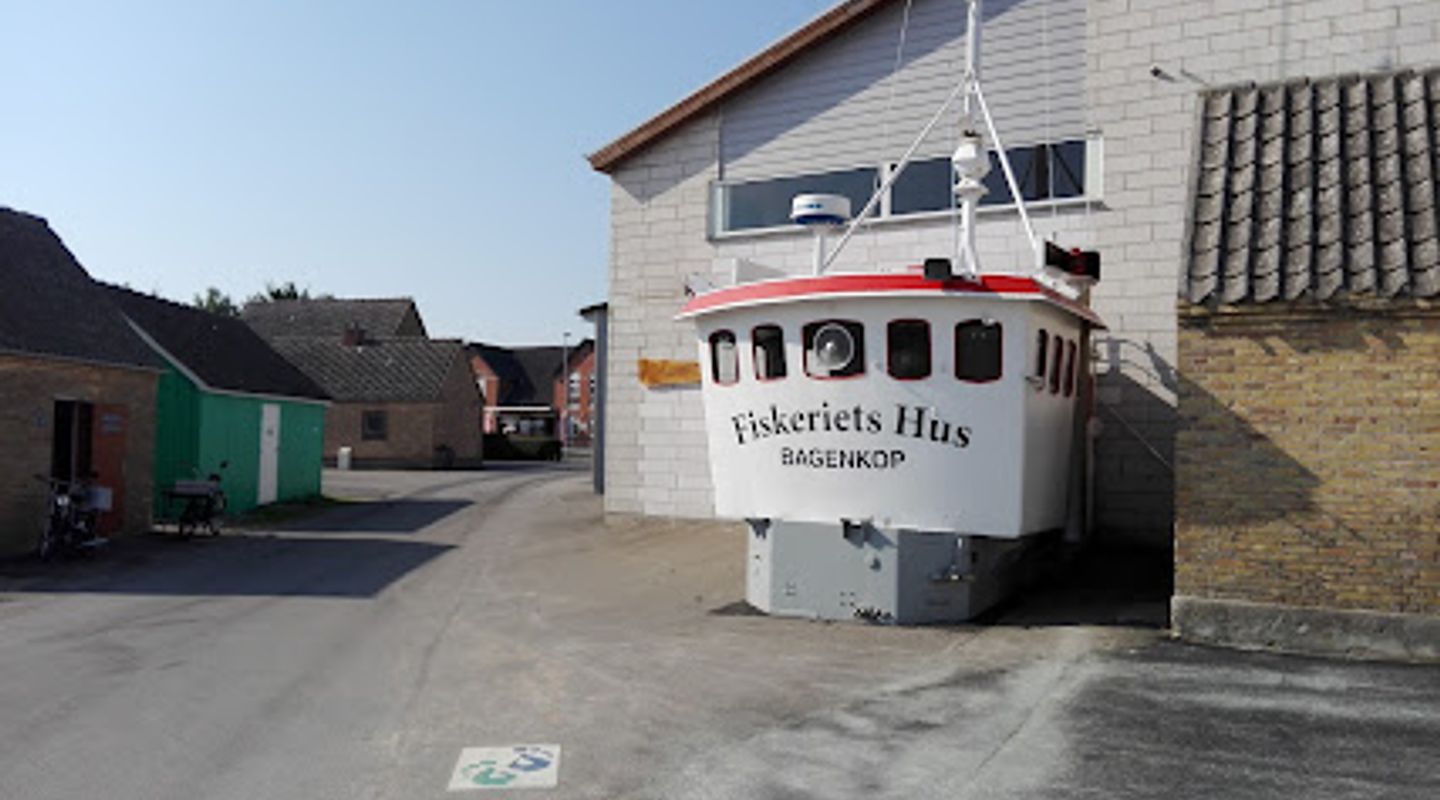
Fiskeriets Hus in Bagenkop is an evocative local museum dedicated to the fishing heritage of south Langeland. Set by the harbor in a former fishermen’s milieu, it showcases traditional gear, recreated cottages and workshops, and stories of life at sea when Bagenkop had one of Denmark’s busiest fishing fleets. Hands-on exhibits and an engaging ship simulator make the region’s maritime past vivid for all ages, while the surrounding fishermen’s quarter and harbor atmosphere complete the experience.
On-site amenities
 Restrooms
 Seating areas
 Information boards
 Trash bins
- Address
- Havnegade 2, 5935 Bagenkop
- Phone
- Website
Getting there
Car from Rudkøbing (Langeland)
Bus from Rudkøbing to Bagenkop
Cycling on southern Langeland
Discover more about Fiskeriets Hus
Fishing Stories at the Edge of Langeland
Fiskeriets Hus, the House of Fishing, sits close to the water in Bagenkop, a compact museum that tells a big story about life at sea on southern Langeland. Inside, the focus is squarely on everyday fishermen, their families and the small boats that once crowded this harbor. Panels, objects and photographs guide you through decades when catches, weather and prices decided the rhythm of the town, long before tourism and leisure sailing arrived.The museum is shaped by local voices. Volunteers and former fishermen have helped assemble tools, documents and anecdotes, so the narrative feels grounded in the community rather than abstract maritime history. Everything revolves around how fishing shaped Bagenkop’s streets, economy and identity.
Nets, Gear and the Smell of Tar
Exhibition rooms are filled with equipment that once defined inshore fishing: heavy nets, wooden floats, winches, hooks and weather-beaten oilskins. Many items can be touched, giving a tactile sense of the work involved in hauling nets and maintaining boats. You can examine how gear changed as small open vessels gave way to motorised cutters and more modern techniques.Recreated interiors from old fishermen’s homes and sheds show where nets were mended, ropes coiled and gossip exchanged over pipes and coffee. Simple furnishings, workbenches and personal effects reveal how closely domestic life was tied to the harbor and the day’s catch.
From Wooden Boats to Modern Technology
One section traces the evolution of fishing on Langeland from sail-powered wooden boats to steel-hulled vessels with sonar, winches and refrigerated holds. Models, diagrams and photographs outline how new technology extended range, improved safety and altered the economics of small-scale fishing.The museum also touches on how regulations, fish stocks and market changes have affected a town that once boasted one of Denmark’s significant fishing fleets and its own processing facilities. Exhibits invite you to consider both the prosperity of the 20th-century boom years and the challenges facing today’s remaining professional fishermen.
Stepping Onto the Bridge in the Simulator
A highlight is the immersive ship simulator, where you can take the virtual helm of a fishing boat. Surrounded by a broad digital projection, you experience the feel of steering through Bagenkop’s waters in different weather conditions, responding to waves, wind and navigation lights.This interactive feature links theory and practice: after seeing charts and instruments in the displays, you can try using them yourself, learning how skippers judge distances, approach harbor entrances and work safely at sea. It is especially engaging for children and anyone curious about the skills behind a successful voyage.
Harbor Atmosphere and Artistic Portraits
Step outside and you are immediately back among the real fishermen’s cottages and harbor sheds that inspired the museum. Nearby, portraits of local fishermen by artist Solveig Moa add an artistic layer to the stories told inside, putting faces to the trade and hinting at the personalities behind the nets.The surrounding quarter retains a distinctly maritime character: tar-scented timber, stacked gear and the constant presence of the sea. Taken together, the museum and its neighborhood form a compact cultural landscape where history, craftsmanship and art come together on the waterfront.
Evendo Review Centre
 Google
Guest reviews
Best time to go
Quietest: Jan, Feb & Mar · before 8am or at 8pm
Busy times are Evendo estimates for a typical year, to help you plan. Actual crowds vary with events, school holidays and the weather.
Explore Fiskeriets Hus on the map
A handpicked selection of must-see spots near Fiskeriets Hus, mapped for you.
Get your free copy of our complete guide to Fiskeriets Hus, delivered straight to you.
Everything on this page, from opening hours and how to get there to Eve’s tips and the best time to go, in one PDF you can read offline, print or share.
Already have an account? Sign in
Your Fiskeriets Hus guide is ready.
We'll send it to · Not you? Sign out

Getting your guide ready…
We are putting together a fresh copy of the Fiskeriets Hus guide. This can take up to a minute.
This can take a few moments. If your browser asks, choose Allow so the download can start. You'll find the guide in your Downloads folder.
Nothing happened? Download it again
Sorry, the guide is taking longer than usual. Please try again in a minute, or get it by email instead.
Other nearby places you may find interesting
The closest places of the same kind, if this one is not quite what you had in mind.
-
Langelandsfort A former coastal stronghold on Langeland’s southern tip where bunkers, ships and Cold War stories meet sea air, open skies and hands-on family exploration.
-
Medicine gardens in Tranekær Northern Europe’s largest medicinal plant garden, where themed circles, an arboretum and playful kids’ areas turn botanical medicine into a vivid, hands-on landscape.
-
Dovns Klint Wind-shaped cliffs, big Baltic skies and quiet pebble shores at the southernmost tip of Langeland, where Ice Age geology meets tranquil Danish coastal life.
-
Ristinge Klint Dramatic ice‑age cliffs, sweeping Baltic views and simple coastal trails make Ristinge Klint a quietly spectacular corner of southern Langeland.
-
Vilde heste A free‑roaming herd of hardy Exmoor ponies shaping a wild coastal landscape of grassland, marsh and cliffs at the southern tip of Langeland.
Swipe for more places
More to explore near Fiskeriets Hus

 Best experiences near Fiskeriets Hus
 Best hotels near Fiskeriets Hus
 Best landmarks near Fiskeriets Hus
 Best attractions near Fiskeriets Hus
 Best shops near Fiskeriets Hus
 Best restaurants near Fiskeriets Hus
 Best bars near Fiskeriets Hus
Do you manage this location?
Take control to get all the benefits, like improved information, better appearance, and stronger visibility across AI-powered discovery.
Explore more

Explore more of Langeland
Discover Langeland: Denmark's idyllic island retreat with scenic landscapes, rich history, and vibrant culture. Perfect for nature lovers, history buffs, and festival goers.
Explore Langeland
Explore more of Denmark
Discover Denmark: A perfect blend of history, modern design, and the cozy concept of hygge. Explore vibrant cities, serene landscapes, and world-class cuisine.
Explore Denmark