Langdysse i Ormstrup, Langeland Travel Guide
Experience Langeland’s ancient past inside Hulbjerg, a stunning Neolithic passage grave where Stone Age architecture, rituals, and landscape come vividly to life.
Hulbjerg is a well-preserved passage grave from the Neolithic Peasant Stone Age located at the southern tip of Langeland, Denmark. Visitors can enter the ancient chamber, experiencing the monumental architecture, serene atmosphere, and panoramic coastal views. The tomb is a powerful testimony to the island’s earliest farming communities and burial rites, offering a tangible journey back over 5,000 years.
A brief summary to Langdysse i Ormstrup
- Tre Høje 13, Humble, 5932, DK
- Click to display

Know before you go
Hi, I'm Eve. Here are a few practical things to know before exploring Langdysse i Ormstrup.
- Bring a flashlight or use your phone torch to illuminate the interior chamber, as natural light can be dim, especially in late afternoons.
- Wear sturdy shoes—the short walk across fields can be muddy after rainfall, and the passage entrance is low.
- Photography is allowed; early morning or dusk offer the most atmospheric shots with soft, golden light.
- Interpretive signs are in Danish and English, but bringing a guidebook or translation app can enrich your understanding.
Do you manage this location?
Take control to get all the benefits, like improved information, better appearance, and stronger visibility across AI-powered discovery. Learn more about listing your business on Evendo
Activate your presenceExplore Langdysse i Ormstrup on the Map
A handpicked selection of must-see spots near Langdysse i Ormstrup, mapped for you.
Getting There
-
Car
Driving from Langeland’s central hub, Rudkøbing, takes about 35–40 minutes across scenic countryside. The approach to Hulbjerg is straightforward: the site is marked by a low grassy mound easily spotted from nearby fields, and there is a small parking area where visitors may leave their car free of charge.
-
Walking
From the nearby village of Bagenkop, it’s a pleasant stroll of about 20–30 minutes through quiet rural roads and fields. The burial mound rises on the horizon and is visible most of the way; a narrow footpath leads across open farmland toward the site.
-
Public Transport
Local buses from Rudkøbing to Bagenkop run several times daily (single tickets are typically DKK 24–30 one way). From the bus stop in Bagenkop, allow around 25 minutes on foot to reach the mound, following signposts and open views toward the coast.
-
Taxi
A taxi from Rudkøbing or other parts of Langeland offers a direct and comfortable option for groups or those with limited mobility; expect costs in the DKK 250–350 range each way depending on starting point and time of day.
Discover more about Langdysse i Ormstrup













Your all‑in‑one travel companion app
Explore expert travel guides, compare and book tours, experiences, hotels, and more—all from the palm of your hand. Download now for seamless trip planning wherever your wanderlust takes you.


Explore More of Langeland
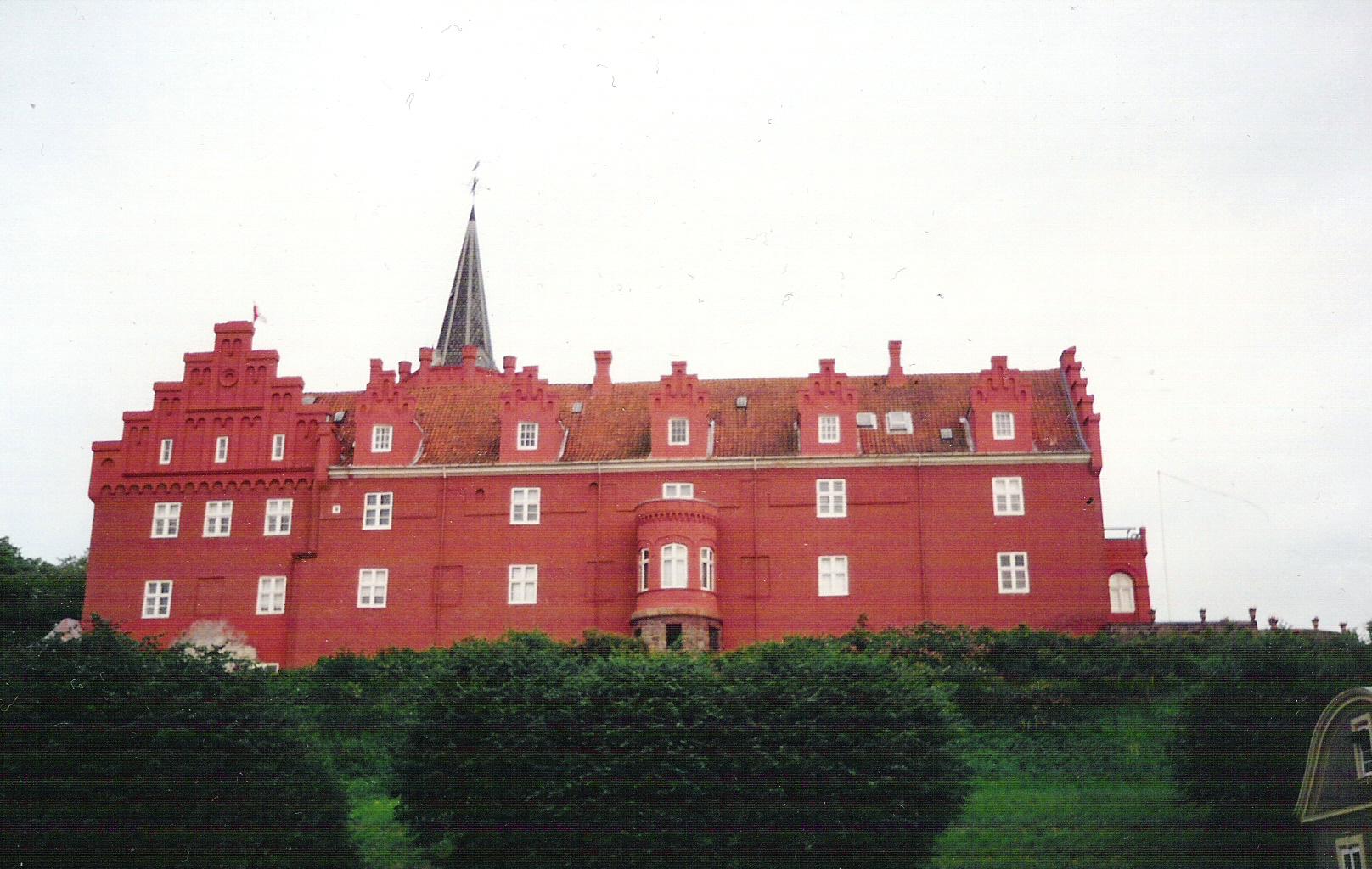
Looking beyond Langdysse i Ormstrup? Discover Langeland for broader travel guides, local hot-spots, and regional highlights.
Explore Langeland