

Norde Rønner Fyr Travel Guide
Free Guide: A remote 1880 lighthouse on tiny Spirholm, guarding the reefs north of Læsø with raw seascapes, birdlife and a powerful sense of maritime isolation.


A brief summary of Norde Rønner Fyr
A remote 1880 lighthouse on tiny Spirholm, guarding the reefs north of Læsø with raw seascapes, birdlife and a powerful sense of maritime isolation.
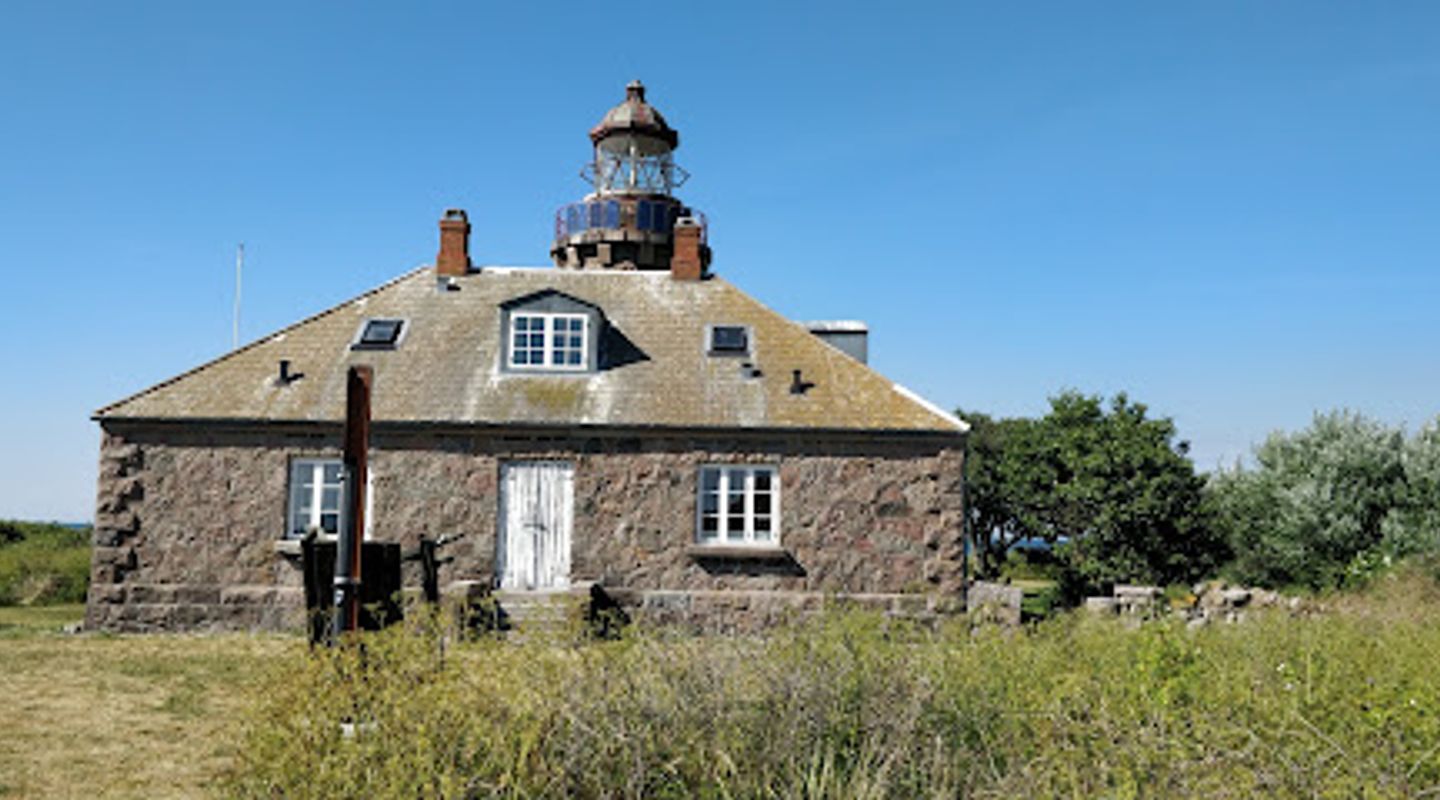
Rising 18 meters above the low skerries of the Kattegat, Nordre Rønner Lighthouse stands on tiny Spirholm, about 7–8 km north of Læsø. Built in 1880 to guide ships through the shallow, reef-strewn waters around the island group, this remote beacon offers a raw, wind-lashed seascape, seabird life and a palpable sense of maritime history. Visiting is an intimate expedition by boat to one of Denmark’s most atmospheric outposts, where the elements and the rhythm of the sea set the scene.
On-site amenities
 Information boards
- Address
- Rønnerne 1, 9940 Læsø
- Website
Getting there
Organised boat tour from Læsø
Chartered boat from Læsø harbours
Sea kayaking for experienced paddlers
Discover more about Norde Rønner Fyr
A solitary beacon in the Kattegat
Nordre Rønner Lighthouse stands on Spirholm, the main islet in a scattered group of low reefs and skerries north of Læsø. Out here the Kattegat feels wide and exposed; waves break over hidden rocks and seaweed-covered shallows, explaining why a strong light was needed in the first place. The lighthouse rises 18 meters, a compact, purposeful tower that dominates the otherwise flat profile of the islets.Surrounding the tower, you will find a handful of low buildings and traces of former installations. Everything is scaled to island life: modest, functional and built to withstand salt-laden gales. The setting is intimate rather than grand, with the sea always just a few steps away in every direction.
From hazardous shoals to reliable landfall
The waters around Nordre Rønner were long known as treacherous. Shallow banks and rocky outcrops lay directly on busy routes between Denmark, Norway and Sweden, and shipwrecks were not uncommon. In 1880 the lighthouse was completed to give mariners a fixed point in this confusing seascape, its light flashing reliably through fog, rain and winter darkness.Over time, technical upgrades changed its lantern, optics and power sources, but the core purpose remained the same: to warn of reefs and mark a safe line past the skerries. Today, modern navigation has reduced the drama, yet the tower still operates as a working aid to navigation, tying present-day sailing to more perilous centuries.
Life on a weather-beaten outpost
Before automation, keepers and their families lived on Spirholm year-round, tending the light in all conditions. Supplies, mail and contact with the wider world came by boat, sometimes delayed for days by storms or ice. The cluster of buildings around the tower hints at that self-contained existence, with workshops, storage and simple accommodation arranged to face the weather.Standing here you can imagine long winter nights with the wind howling around the lantern gallery, or summer evenings when the low sun gilds the skerries and the sea lies almost mirror-calm. The isolation once felt like duty; today it is part of the site’s appeal, offering rare quiet and a direct encounter with sea and sky.
Nature, birdlife and shifting islands
The Nordre Rønner group has gradually changed shape through land uplift and drifting sand, with several former islets now connected. Low, salt-tolerant vegetation clings to the ground, and nesting seabirds make use of the more undisturbed patches. The mix of brackish pools, rocks and kelp beds creates varied habitats in a very small area.From the shoreline you can watch eiders, gulls and other coastal birds feeding and resting. Seals sometimes haul out on distant rocks, and in clear weather the water reveals bands of pale sand and darker stone below the surface. The constant movement of waves and tide underlines that this is a living landscape, not a fixed monument.
A small-scale adventure by boat
Reaching Nordre Rønner is part of the experience. Access is typically by arranged boat from Læsø, and conditions at sea decide what is possible on any given day. This keeps visitor numbers modest and preserves a sense of discovery when you step ashore. Solid footwear is useful, as surfaces can be wet, uneven and slippery with seaweed.Once on Spirholm, there are no shops or cafés; you bring what you need and take everything back with you. The reward is time to walk slowly around the island, listen to the surf and study the lighthouse from every angle. For many travelers, the memory is not only of the tower itself, but of an entire small world of wind, light and water surrounding it.
Evendo Review Centre
 Google
Guest reviews
Best time to go
Quietest: Jan, Feb & Dec · before 7am or from 8pm
Busy times are Evendo estimates for a typical year, to help you plan. Actual crowds vary with events, school holidays and the weather.
Explore Norde Rønner Fyr on the map
A handpicked selection of must-see spots near Norde Rønner Fyr, mapped for you.
Get your free copy of our complete guide to Norde Rønner Fyr, delivered straight to you.
Everything on this page, from opening hours and how to get there to Eve’s tips and the best time to go, in one PDF you can read offline, print or share.
Already have an account? Sign in
Your Norde Rønner Fyr guide is ready.
We'll send it to · Not you? Sign out

Getting your guide ready…
We are putting together a fresh copy of the Norde Rønner Fyr guide. This can take up to a minute.
This can take a few moments. If your browser asks, choose Allow so the download can start. You'll find the guide in your Downloads folder.
Nothing happened? Download it again
Sorry, the guide is taking longer than usual. Please try again in a minute, or get it by email instead.
Other nearby places you may find interesting
The closest places of the same kind, if this one is not quite what you had in mind.
-
-
-
-
-


Swipe for more places
More to explore near Norde Rønner Fyr

 Best experiences near Norde Rønner Fyr
 Best hotels near Norde Rønner Fyr
 Best landmarks near Norde Rønner Fyr
 Best attractions near Norde Rønner Fyr
 Best shops near Norde Rønner Fyr
 Best restaurants near Norde Rønner Fyr
 Best bars near Norde Rønner Fyr
Do you manage this location?
Take control to get all the benefits, like improved information, better appearance, and stronger visibility across AI-powered discovery.
Explore more
Explore more of Læsø
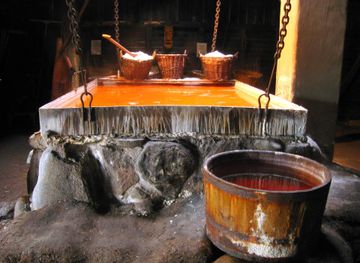
Læsø: Discover Denmark's serene island escape with its tranquil beaches, rich cultural heritage, unique saltworks, and delicious seafood cuisine.
Explore Læsø
Explore more of Denmark
Discover Denmark: A perfect blend of history, modern design, and the cozy concept of hygge. Explore vibrant cities, serene landscapes, and world-class cuisine.
Explore Denmark
