

Hornfiskrøn Travel Guide
Free Guide: Denmark's wild tidal islet: pristine marshes, migratory birds, and timeless coastal solitude.


A brief summary of Hornfiskrøn
Denmark's wild tidal islet: pristine marshes, migratory birds, and timeless coastal solitude.
Hornfiskrøn is a pristine tidal islet within the Rønnerne, Denmark's second-largest marsh area, located off Læsø's southern coast. This protected nature preserve features salt marshes, tidal flats, and shifting landscapes shaped by centuries of tidal and wind forces. Home to diverse migratory birdlife, rare coastal plants like sea lavender and samphire, and occasionally wild ponies, Hornfiskrøn offers an immersive wilderness experience for nature enthusiasts. Access is strictly regulated to protect fragile habitats and nesting birds, making it an ideal destination for those seeking solitude and authentic coastal nature.
- Address
- 9940 Læsø Municipality
- Website
Getting there
Guided Walking Tour
Self-Guided Walking Route
Rønner Bus Safari Tour
Discover more about Hornfiskrøn
A Landscape Shaped by Tides and Time
Hornfiskrøn stands as one of the most remote and evocative islets within the Rønnerne, a protected nature preserve that fringes the southern edge of Læsø. This landscape has been sculpted by tides and winds for thousands of years, creating a terrain that is flat, isolated, and perpetually exposed to North Sea forces. The islet comprises shifting salt marshes, expansive tidal flats, and open horizons that stretch endlessly toward the sea. Unlike most Danish destinations, Hornfiskrøn remains entirely free of roads, structures, or permanent infrastructure—only open sky, distant horizons, and the quiet hum of natural processes define the experience here.
Seasonal Rhythms and Birdlife
The ecological character of Hornfiskrøn transforms dramatically with the seasons, making timing crucial for different visitor interests. In spring and late summer, flocks of waders and waterfowl colonize the muddy expanses, creating a spectacular display for birdwatchers and naturalists. These migratory movements are among the most vibrant natural phenomena the islet offers, drawing ornithologists and wildlife photographers from across Europe. The salt marshes themselves are sprinkled with delicate sea lavender and samphire, which bloom in subtle hues and provide both visual interest and ecological importance. Wild ponies occasionally graze the rare grasses that have adapted to this harsh, saline environment, adding an element of pastoral heritage to the wild landscape.
Historical Echoes and Traditional Uses
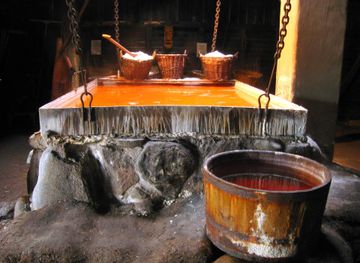
For centuries, the Rønnerne held vital importance to Læsø's economy and way of life. These islets served as centers for traditional salt production, an industry that shaped the region's identity and prosperity. Beyond salt-making, the marshlands provided seasonal grazing grounds for cattle and ponies, practices that continue in modified form today. This deep historical connection means that Hornfiskrøn is not merely a natural preserve but a living archive of coastal traditions and sustainable land use. The landscape itself bears the imprint of these centuries-old practices, with dikes, grazing pastures, and salt meadows creating a cultural palimpsest layered atop the natural environment.
Access and Conservation Priorities
Visiting Hornfiskrøn requires careful planning and respect for strict conservation measures. Access to the area is tightly regulated to protect fragile habitats and rare bird populations, particularly during the nesting season from April through July, when large portions of the islet may be off-limits to visitors. Summer is the optimal visiting period, when tides are most favorable and migratory activity is at its peak. There are no facilities whatsoever—no shops, restrooms, drinking water, or shelter—making thorough preparation essential. Visitors must arrive with sturdy waterproof boots, windbreakers, and all necessary supplies, including water and food. The terrain is marshy and frequently muddy, especially after rain or during high tide, demanding appropriate footwear and clothing.
The Experience of Solitude and Wildness
Exploring Hornfiskrøn immerses visitors in timeless coastal wilderness, surrounded by endless views and a profound sense of solitude that is increasingly rare in modern Europe. The islet reveals its secrets slowly, rewarding patience and attentive observation. Mosquitoes and coastal winds can be intense during summer months, requiring insect repellent and layered clothing. This is fundamentally a place for those who cherish quiet, dramatic nature and wish to encounter Læsø in its wildest, most authentic form—not a destination for casual visitors seeking comfort or convenience, but rather for dedicated naturalists, photographers, and explorers willing to embrace the raw elements.
Evendo Review Centre
 Google
Guest reviews
Best time to go
Quietest: Jan, Feb & Dec · before 6am or from 7pm
Busy times are Evendo estimates for a typical year, to help you plan. Actual crowds vary with events, school holidays and the weather.
Explore Hornfiskrøn on the map
A handpicked selection of must-see spots near Hornfiskrøn, mapped for you.
Get your free copy of our complete guide to Hornfiskrøn, delivered straight to you.
Everything on this page, from opening hours and how to get there to Eve’s tips and the best time to go, in one PDF you can read offline, print or share.
Already have an account? Sign in
Your Hornfiskrøn guide is ready.
We'll send it to · Not you? Sign out

Getting your guide ready…
We are putting together a fresh copy of the Hornfiskrøn guide. This can take up to a minute.
This can take a few moments. If your browser asks, choose Allow so the download can start. You'll find the guide in your Downloads folder.
Nothing happened? Download it again
Sorry, the guide is taking longer than usual. Please try again in a minute, or get it by email instead.
Other nearby places you may find interesting
The closest places of the same kind, if this one is not quite what you had in mind.

Swipe for more places
More to explore near Hornfiskrøn

 Best experiences near Hornfiskrøn
 Best hotels near Hornfiskrøn
 Best landmarks near Hornfiskrøn
 Best attractions near Hornfiskrøn
 Best shops near Hornfiskrøn
 Best restaurants near Hornfiskrøn
 Best bars near Hornfiskrøn
Do you manage this location?
Take control to get all the benefits, like improved information, better appearance, and stronger visibility across AI-powered discovery.
Explore more
Explore more of Læsø
Læsø: Discover Denmark's serene island escape with its tranquil beaches, rich cultural heritage, unique saltworks, and delicious seafood cuisine.
Explore Læsø
Explore more of Denmark
Discover Denmark: A perfect blend of history, modern design, and the cozy concept of hygge. Explore vibrant cities, serene landscapes, and world-class cuisine.
Explore Denmark
