Nakskov Fjord, Lolland Travel Guide
Denmark's island-rich fjord where medieval heritage meets pristine waters and year-round water sports.
Nakskov Fjord is a stunning 12-kilometre inlet on the west coast of Lolland, Denmark, renowned as the Danish fjord with the most islands. This scenic natural area features approximately 10 small islands, pristine beaches, and exceptional water sports opportunities. The fjord's calm waters and unique light make it ideal for kayaking, paddleboarding, and swimming, while the surrounding landscape offers cycling routes and hiking trails. The charming medieval town of Nakskov sits at the fjord's head, providing cultural attractions, museums, and local dining alongside nature-based recreation.
A brief summary to Nakskov Fjord
- Hestehovedet 5, Nakskov, 4900, DK
- Click to display
- Duration: 2 to 8 hours
- Free
-
 Outdoor
- Mobile reception: 4 out of 5

Know before you go
Hi, I'm Eve. Here are a few practical things to know before exploring Nakskov Fjord.
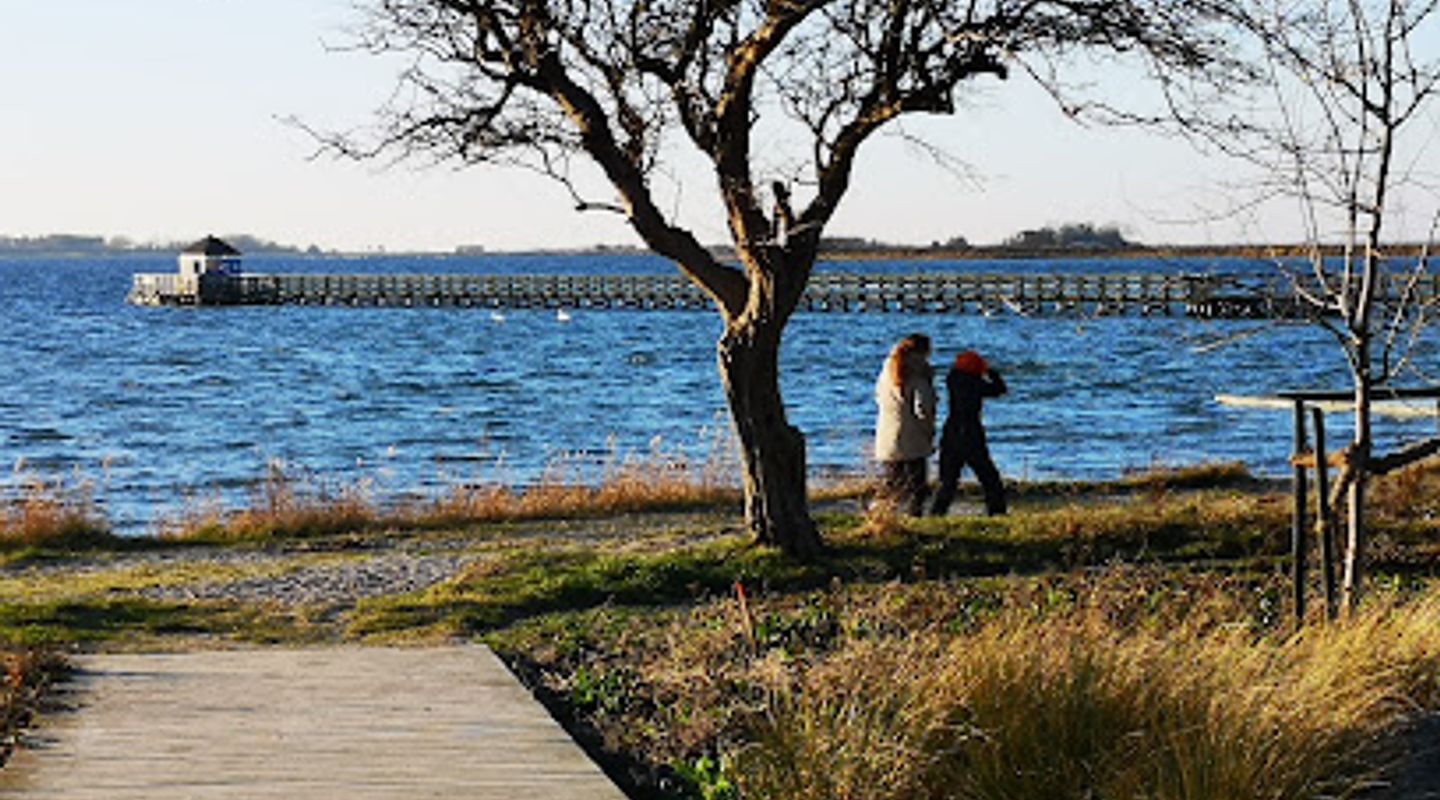
- Visit Hestehovedet beach for the longest bathing jetty and warmest fjord waters in Denmark—excellent for both summer and winter swimming.
- Take the traditional postboat service to explore the fjord's islands, including Enehøje (home of explorer Peter Freuchen) and the remote peninsula of Albuen.
- Cycle the flat terrain around the fjord, including the country's longest dike cycle path, for a leisurely way to discover villages, beaches, and coastal views.
- Wander Nakskov's medieval old town to see half-timbered buildings, narrow cobblestone alleys, and the impressive 70-metre tower of St. Nikolaj Kirke.
- Use the Krible Crab Bridge at the nature park information point—children can observe crabs and small marine creatures in the shallow basin before releasing them.
Do you manage this location?
Take control to get all the benefits, like improved information, better appearance, and stronger visibility across AI-powered discovery. Learn more about listing your business on Evendo
Activate your presenceOther nearby places you may find interesting
The closest places of the same kind, if this one is not quite what you had in mind.
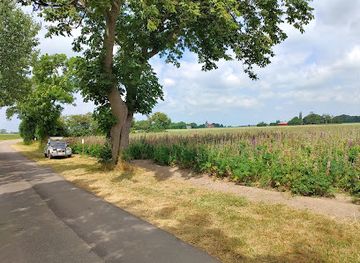
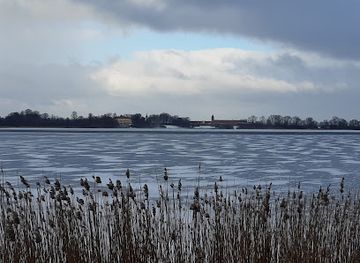
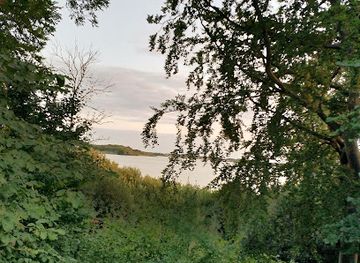
Explore Nakskov Fjord on the Map
A handpicked selection of must-see spots near Nakskov Fjord, mapped for you.
Getting There
-
By Car
From Copenhagen, drive south approximately 150 kilometres via the E47 motorway toward Nakskov, a journey of roughly 2 to 2.5 hours. Follow signs to Nakskov town centre and Hestehovedet beach. Parking is available at Hestehovedet and throughout Nakskov's town centre. The fjord is accessible year-round by vehicle.
-
By Train and Local Transport
Take a regional train from Copenhagen to Nakskov station, approximately 2.5 to 3 hours depending on connections. From Nakskov station, local buses or a short taxi ride (approximately 1 to 2 kilometres) reach Hestehovedet beach and the fjord's main attractions. Train fares typically range from 150 to 250 DKK for a standard ticket.
-
By Bicycle
Lolland's flat terrain makes it ideal for cycling. Rent bicycles in Nakskov town (typically 80 to 150 DKK per day) and access dedicated cycle routes around the fjord, including the country's longest dike cycle path. Most attractions and villages are within 10 to 25 kilometres of Nakskov centre, reachable in 1 to 2 hours of leisurely cycling.
-
By Postboat Service
From Nakskov harbour, the traditional postboat connects to fjord islands and remote settlements including Enehøje and Albuen. Service operates seasonally with varying frequency; contact the Nakskov visitor centre for current schedules. Journey times range from 30 minutes to 1.5 hours depending on destination. Fares are typically 50 to 150 DKK per journey.
For the on-the-go comforts that matter to you
-
 Restrooms
-
 Drink Options
-
 Food Options
-
 Seating Areas
-
 Picnic Areas
-
 Trash Bins
-
 Information Boards
-
 Visitor Center
Discover more about Nakskov Fjord
A Fjord of Islands and Natural Beauty
Nakskov Fjord stretches approximately 12 kilometres along the western edge of Lolland, Denmark's southernmost island. Distinguished as the Danish fjord with the most islands, it contains around 10 small islands scattered across its wide, open waters. The fjord's special light and expansive vistas create a serene atmosphere that shifts throughout the seasons. The water remains relatively sheltered and calm, making it accessible for visitors of varying experience levels. The fjord is designated as a Natura 2000 protected area, reflecting its ecological significance and natural heritage.Islands, Peninsulas, and Hidden Corners
Exploring Nakskov Fjord reveals a landscape of discovery. The curved cape of Albuen extends into the fjord and can only be reached by boat at high tide, where visitors find historic houses and a former school. Enehøje island holds particular significance as the former home of Peter Freuchen, the world-renowned Danish explorer and adventurer. Langø, a cosy fishing village on the fjord's southern shore, offers fresh seafood and handmade crafts within cycling distance of Nakskov. The postboat service connects the town to these islands, providing a traditional and atmospheric way to explore the fjord's scattered communities.Water Sports and Coastal Recreation
Hestehovedet beach, located in the fjord's middle section, serves as a hub for water-based activities. The beach features one of Denmark's longest bathing jetties and is known for some of the country's warmest waters, welcoming swimmers year-round. Stand-up paddleboarding, kayaking, and kitesurfing are popular pursuits, with local operators offering equipment and instruction. The Krible Crab Bridge at the nature park's information point features floating pontoons designed for canoes and kayaks, as well as a shallow basin where children can observe crabs and small creatures before releasing them back into the fjord. Mini golf and playground facilities cater to families seeking diverse recreational options.Medieval Heritage and Urban Character
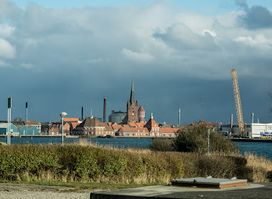
Nakskov, the largest town on Lolland, sits at the fjord's terminus and serves as the cultural and commercial heart of the region. Founded in the early 13th century and chartered in 1266, the town has been a key trading centre for centuries. Its well-preserved medieval character is evident in narrow cobblestone alleys, half-timbered buildings adorned with hollyhocks, and historic merchants' houses. The Gothic St. Nikolaj Kirke, built in the 1200s, features a distinctive 70-metre tower visible across the fjord and is notable for fine ornamental carving. The Queen's Warehouse, dating from 1589, originally stored grain for the crown and now stands as a landmark along the harbour promenade.Cultural Institutions and Artistic Expression
Nakskov offers several museums that document the region's rich history. The House of History (Historiens Hus) explores local heritage, while Denmark's Sugar Museum reflects the town's industrial past as a major sugar-refining centre. The Nakskov Maritime Museum celebrates the town's seafaring traditions, particularly its shipbuilding heritage that dominated the region through much of the 20th century. Contemporary art enriches the townscape, including three large face sculptures by artist Thomas Kadziola and a striking red building sculpture by renowned artist Per Kirkeby on Jernbanegade. These artistic interventions blend historical preservation with modern creative expression.Cycling, Hiking, and Seasonal Rhythms
The fjord region is ideal for cycling, with flat terrain and dedicated routes including the country's longest dike cycle path. Hiking trails around Albuen Strand offer stunning views where Nakskov Fjord meets the Langelandsbælt strait. The landscape transforms subtly through the seasons, with summer bringing ice cream kiosks and outdoor dining at waterfront restaurants, while winter bathing remains popular in the fjord's relatively warm waters. Overnight accommodation options range from Nakskov Fjord Camping to the historic manor house Store Riddersborg near Langø, allowing visitors to experience the fjord at their own pace.












Your all‑in‑one travel companion app
Explore expert travel guides, compare and book tours, experiences, hotels, and more—all from the palm of your hand. Download now for seamless trip planning wherever your wanderlust takes you.


Explore More of Lolland
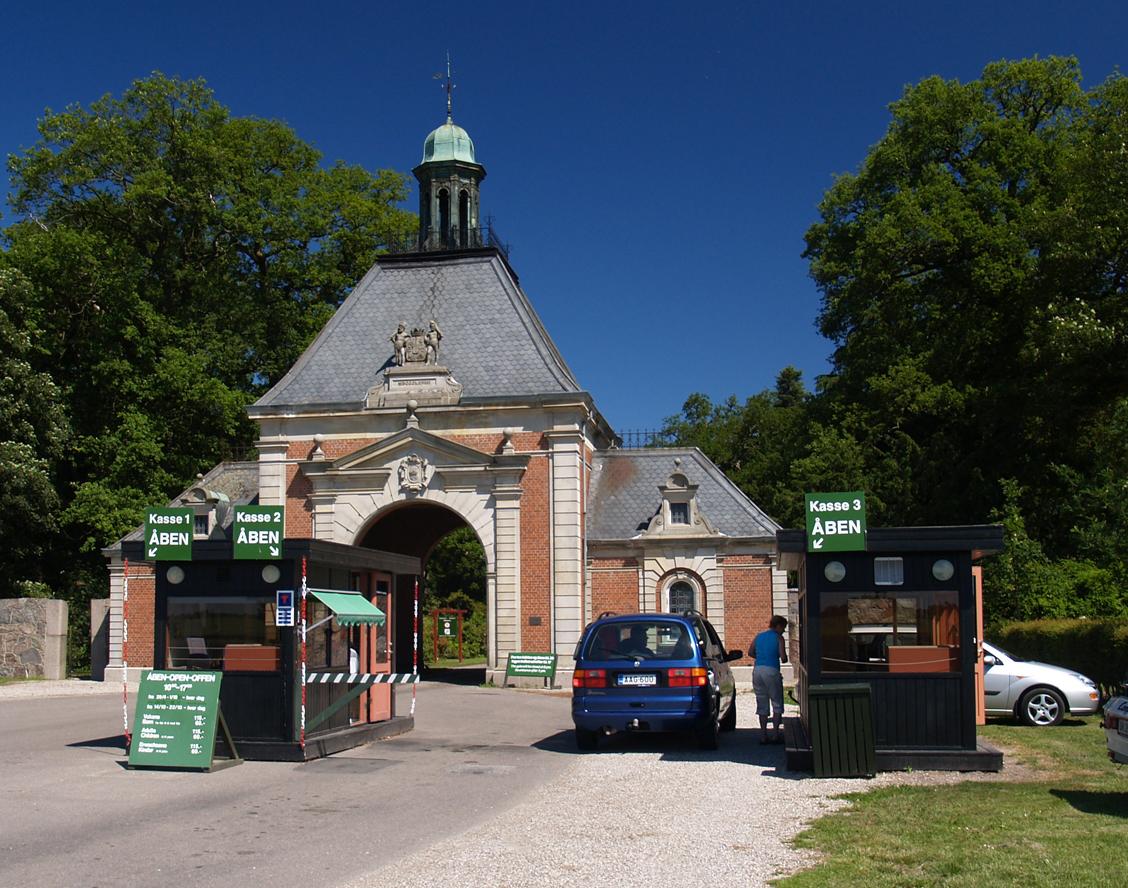
Looking beyond Nakskov Fjord? Discover Lolland for broader travel guides, local hot-spots, and regional highlights.
Explore Lolland