Mårhøj/Snavehøjen, Funen Travel Guide
Atmospheric 5,000‑year‑old passage grave in the fields of Hindsholm, blending big‑sky countryside views with an intimate Stone Age burial chamber.
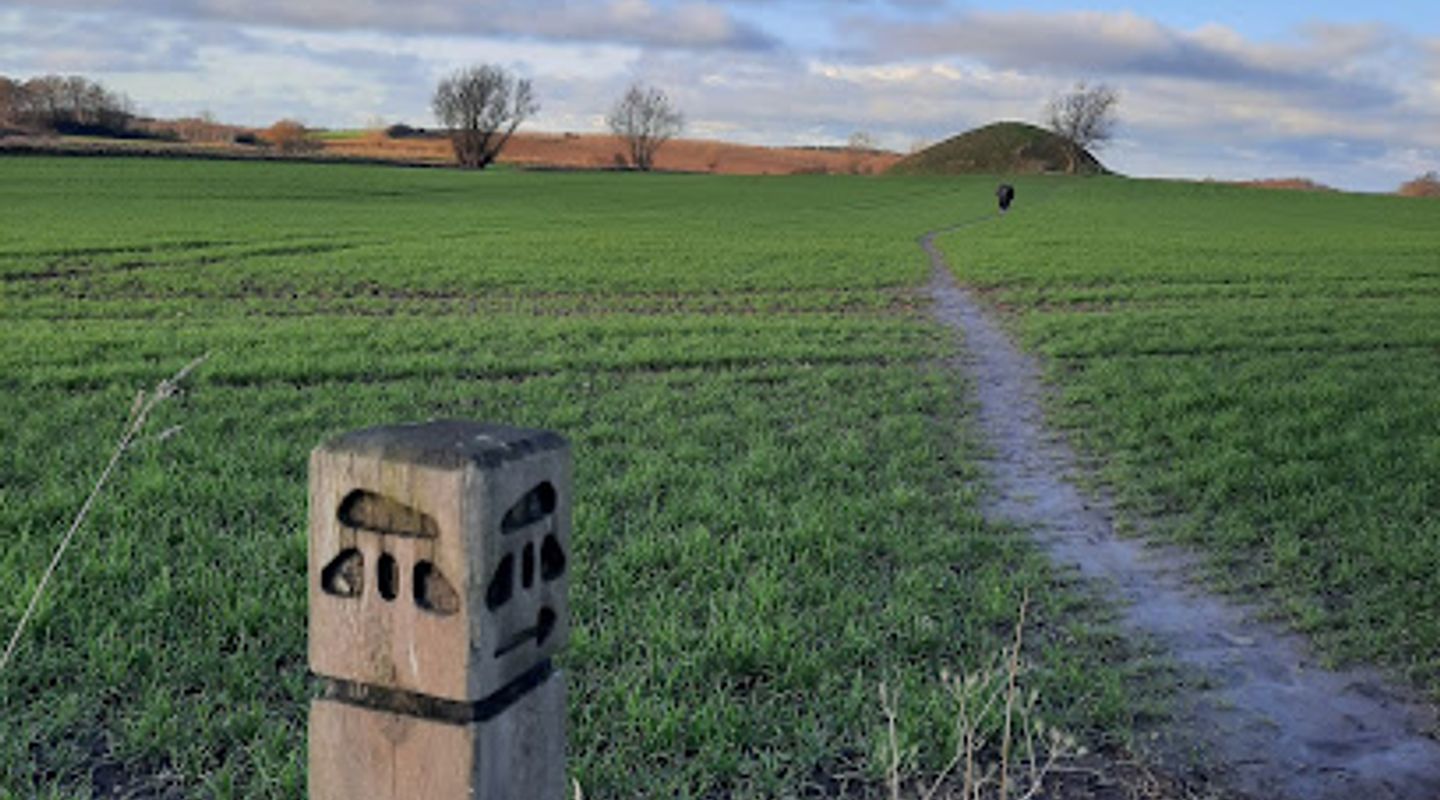
Rising gently from farmland near Martofte on Funen’s Hindsholm peninsula, Mårhøj (also known as Snavehøjen) is one of Denmark’s largest and best‑preserved Neolithic passage graves. Around 5,000 years old, this grass‑covered mound hides a 10‑metre stone chamber reached via a low, narrow 7‑metre passage. Its atmospheric interior, sweeping views towards the fjord and tranquil rural setting make it a compelling stop for history lovers and curious families exploring North Funen.
A brief summary to Mårhøj/Snavehøjen
- Martofte, 5390, DK
- Duration: 0.5 to 1.5 hours
- Free
-
 Outdoor
- Mobile reception: 3 out of 5

Know before you go
Hi, I'm Eve. Here are a few practical things to know before exploring Mårhøj/Snavehøjen.
- Bring a small torch or headlamp; the 10‑metre stone chamber is very dark once you leave the entrance behind.
- Wear sturdy, closed shoes as access involves walking on field tracks and a low, uneven passage into the mound.
- Visit on a clear day to combine the interior experience with far‑reaching views from the top of the mound.
- Pack an extra layer; the interior of the stone chamber stays cool and slightly damp even in warm weather.
- Combine your visit with other Hindsholm sights, such as coastal viewpoints and small village churches, for a full day out.
Do you manage this location?
Take control to get all the benefits, like improved information, better appearance, and stronger visibility across AI-powered discovery. Learn more about listing your business on Evendo
Activate your presenceOther nearby places you may find interesting
The closest places of the same kind, if this one is not quite what you had in mind.

Explore Mårhøj/Snavehøjen on the Map
A handpicked selection of must-see spots near Mårhøj/Snavehøjen, mapped for you.
Getting There
-
Car from Kerteminde or Odense
Driving is the most flexible way to reach Mårhøj / Snavehøjen. From Kerteminde the journey to the Martofte area typically takes about 25–35 minutes, while from Odense it is usually 45–60 minutes depending on traffic. Roads are paved and straightforward, and there is informal roadside parking near the access track to the mound, but no marked car park. There are no road tolls, and fuel is the only cost; budget around 40–80 DKK in fuel for a return trip from Kerteminde and 70–120 DKK from Odense, depending on vehicle efficiency.
-
Regional bus plus short walk
From Kerteminde or Odense, regional buses operate towards the Hindsholm peninsula and Martofte, usually with a change in Kerteminde or Munkebo. Travel time is commonly 60–90 minutes in total, depending on the specific route and connection. Expect to pay roughly 30–60 DKK one way for an adult ticket within the region. Bus services are less frequent in the evenings and on weekends, so checking timetables in advance is important. From the nearest bus stop in the Martofte area, you should be prepared for a walk of at least 1–2 kilometres on minor rural roads and field paths, which are not suitable for wheelchairs or prams.
-
Bicycle from Martofte and Hindsholm
Cycling to Mårhøj / Snavehøjen is a rewarding option in good weather. From Martofte village the ride is typically 10–20 minutes along quiet country roads with light traffic and gentle hills. From Kerteminde, a longer but scenic route across Hindsholm might take 60–90 minutes each way for an average cyclist. Surfaces are mostly paved, with some short stretches on gravel or farm tracks near the mound. There is no dedicated bike parking at the site, so you will need to secure your bicycle along the field edge. This option is effectively free if you already have a bike; renting one in the region usually costs from about 100–200 DKK per day.
For the on-the-go comforts that matter to you
-
 Information Boards
Discover more about Mårhøj/Snavehøjen
Ancient Stone Chamber in the Fields of Hindsholm
Set in gently rolling fields just outside Martofte, Mårhøj / Snavehøjen looks at first like a simple, grass‑covered hill rising from the farmland. Step closer, and an inconspicuous opening reveals this is in fact one of Denmark’s most impressive Neolithic passage graves, dating back roughly 5,000 years to around 3000 BC. The mound stands slightly elevated, offering a subtle but commanding presence in the landscape.The site is free to access and always open, inviting unhurried exploration at any time of day. A short walk along a farm track leads you to the base of the mound, where the low entrance waits. Sheep, crops and big skies form the backdrop, underlining how closely prehistory and present‑day rural life still sit side by side here.Inside Denmark’s Largest Single‑Chamber Burial Mound
Mårhøj is known as the largest single‑chamber burial mound in Denmark, and its interior is surprisingly spacious once you make it through the narrow approach. A roughly 7‑metre passage leads into a chamber about 10 metres long, constructed from 18 upright stones that support seven huge capstones. These massive blocks form a monumental stone room high enough for most adults to stand upright in the centre.The floor is sandy and slightly uneven, and the walls are cool and damp to the touch. Light filters in only faintly from the entrance, so bringing a torch is highly recommended. As your eyes adjust, the shapes of the stones emerge from the gloom, and the scale of the construction becomes clear. It is an intimate space, yet impressive in its engineering, assembled without metal tools thousands of years ago.Landscapes, Views and the Logic of Place
Climb to the top of the mound and the builders’ choice of location makes sense. From here you can enjoy wide views over the surrounding countryside, with glimpses towards nearby waters and the varied coastline of the Hindsholm peninsula. The hill feels deliberately placed as a marker in the landscape, visible from afar and aligned with natural lines of sight.The surrounding area is a patchwork of fields, hedgerows and small farms, with the sea never far away. On clear days the light is sharp and bright, while in softer weather the mound takes on a more mysterious character. Wind is common here, rustling the grasses and emphasising the exposed, almost ceremonial position of the site.Rituals, Memory and Preservation
As a Neolithic burial monument, Mårhøj was likely used for repeated burials and rituals over generations. The passage design allowed people to enter the chamber, place or rearrange bones and grave goods, and then close the entrance again. Standing inside today, it is easy to imagine flickering firelight and the muted sounds of ceremonies held in honour of ancestors.The mound was officially protected in the late 19th century, helping to preserve its structure for modern visitors. Information about the site’s age and construction is often available through regional heritage boards and local tourism materials, giving helpful context to what you see in front of you. Despite this, the site retains a raw, unsanitised feel; there are no elaborate facilities, just the monument and its landscape.Visiting Practicalities and Atmosphere
Visiting Mårhøj is a simple, low‑key experience. Expect a short walk over field paths that can be muddy or uneven, so sturdy shoes are useful. The entrance passage is low and requires crouching or crawling, making it unsuitable for those with limited mobility or severe claustrophobia. Inside, the air is cool even in summer, so an extra layer can be welcome if you linger.There are no services directly at the mound, but restrooms, food and drink can be found in and around Martofte and elsewhere on Hindsholm. Many travellers combine a stop here with other coastal viewpoints, small churches and village mills on the peninsula, turning it into a relaxed day out with a strong sense of local character.Combining Nature, History and Quiet Reflection
What makes Mårhøj / Snavehøjen particularly rewarding is the blend of natural setting and deep time. You can sit on the grassy slope listening to birds and distant farm sounds, then step a few metres to be inside a Stone Age burial chamber. It is an inviting place for quiet reflection, gentle photography and informal storytelling with children.Whether you stay briefly or linger, the mound offers a tangible connection to Denmark’s early farmers and their beliefs about death, memory and the land. In a region known for its mild countryside and long coastline, this ancient monument provides a striking focal point—and a reminder that these fields have been home to people and their stories for millennia.












Your all‑in‑one travel companion app
Explore expert travel guides, compare and book tours, experiences, hotels, and more—all from the palm of your hand. Download now for seamless trip planning wherever your wanderlust takes you.


Explore More of Funen
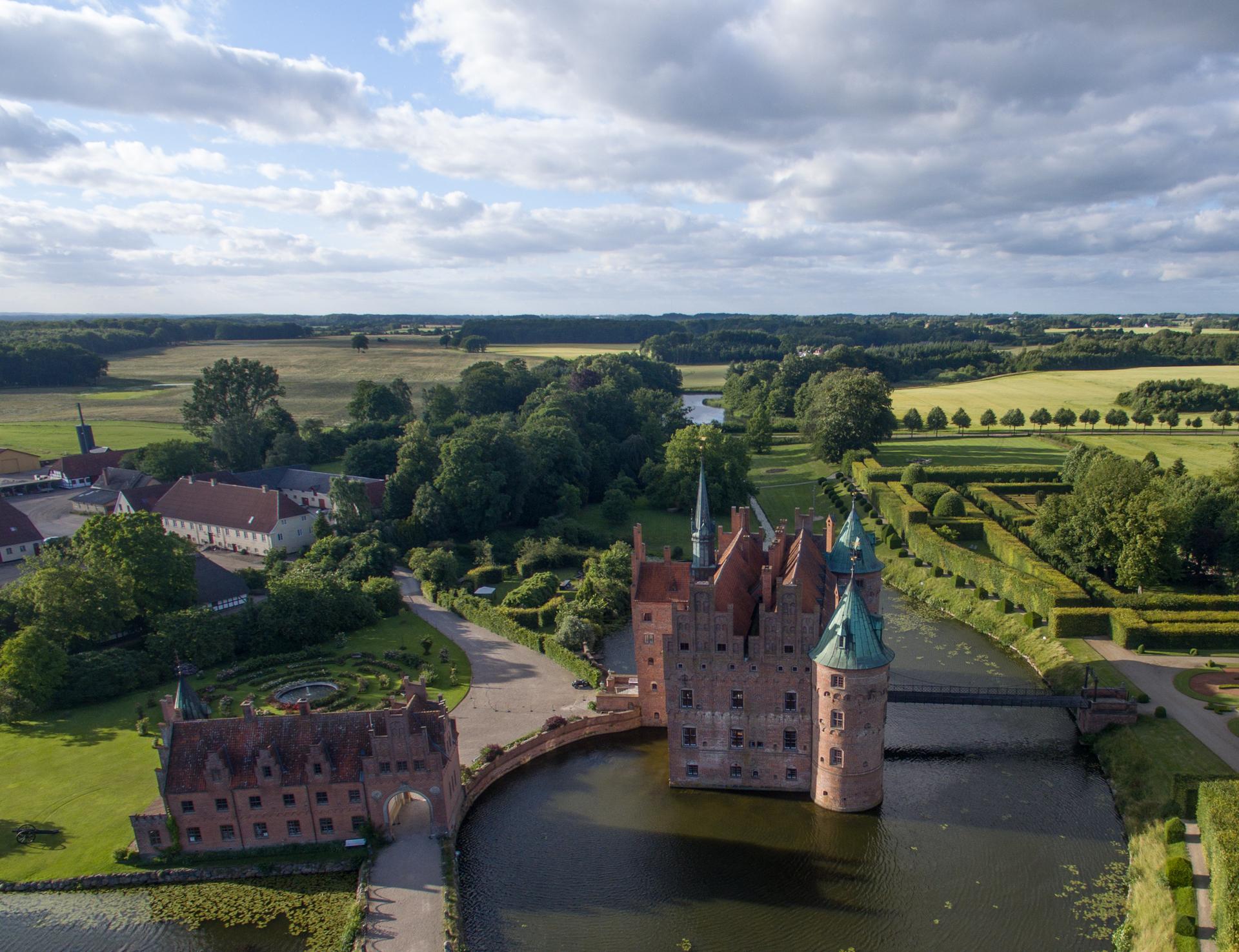
Looking beyond Mårhøj/Snavehøjen? Discover Funen for broader travel guides, local hot-spots, and regional highlights.
Explore Funen