

Romsø Travel Guide
Free Guide: A small, uninhabited Danish island of forest, shoreline and quiet wildlife, Romsø offers a tranquil, car-free escape just a short boat ride from Kerteminde.


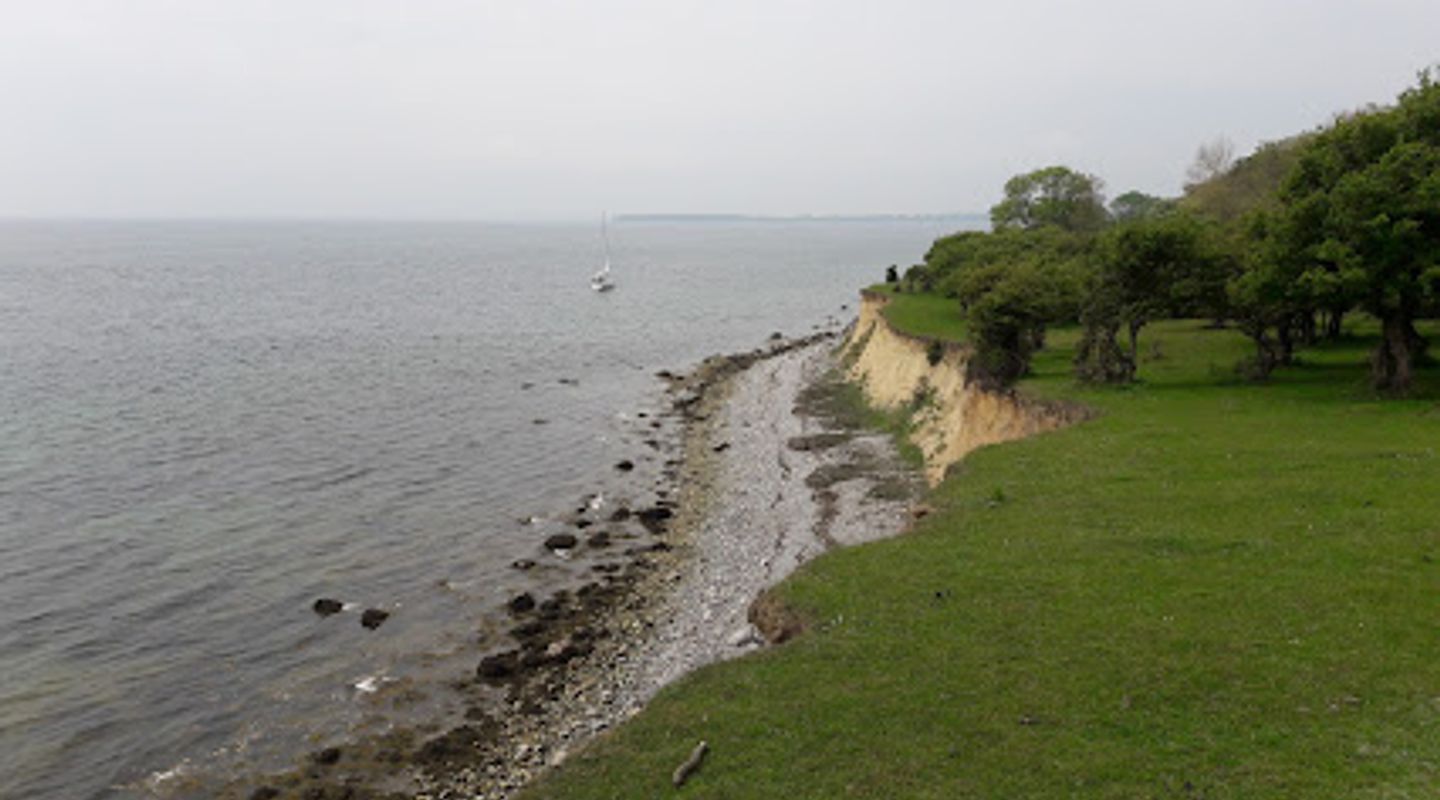
A brief summary of Romsø
A small, uninhabited Danish island of forest, shoreline and quiet wildlife, Romsø offers a tranquil, car-free escape just a short boat ride from Kerteminde.
Romsø is a small, uninhabited island in the Great Belt off the coast of Funen, reachable by boat from Kerteminde. Once home to a working lighthouse and a few residents, it is now a quiet nature haven of forest, meadows and small lakes, with rich birdlife and roaming deer. Privately owned yet accessible with some restrictions, Romsø offers a peaceful, car-free escape ideal for day trips, slow walks, and quiet contemplation far from mainland bustle.
On-site amenities
 Picnic areas
 Information boards
- Address
- Kerteminde Municipality
Getting there
Passenger boat from Kerteminde
Private boat or charter from Funen
Guided day trips including boat transfer
Discover more about Romsø
A quiet island adrift in the Great Belt
Romsø is a low, forested island lying just off the northeast coast of Funen, surrounded by the wide waters of the Great Belt. Only a little over one square kilometre in size, it feels surprisingly self-contained: an isolated patchwork of woodland, open clearings and shoreline framed by stones and seaweed. There are no permanent residents here anymore, only the echo of earlier island life and the sound of wind moving through the trees.Although privately owned, the island is open to visitors under simple rules designed to protect its fragile landscape. The journey across from Kerteminde feels like a small sea voyage, and arriving on Romsø you step directly into a world without traffic or shops, where the main rhythm is set by birds calling and waves lapping the shore.
Traces of lighthouse keepers and island stories
At the heart of Romsø’s human history stands its disused lighthouse, a pale landmark that once guided ships moving through the busy Great Belt. Nearby stand a few houses and outbuildings that recall the days when lighthouse keepers and their families tended the light and cultivated small plots of land. Today the lantern is dark, but the structures remain as quiet witnesses to a working island life that ended in the late twentieth century.Walking between the buildings and the shore, you sense how self-sufficient life here had to be: everything brought by boat, every storm felt directly. Old tracks, stone fences and overgrown clearings hint at gardens, fields and grazing that have slowly been reclaimed by nature, blurring the line between cultural history and wild landscape.
Forest, lakes and abundant wildlife
Much of Romsø is covered in mixed forest, punctuated by small lakes and damp hollows that create varied habitats in a very compact space. Underfoot, roots and fallen branches tangle with mosses and fungi, while the understorey shelters songbirds and small mammals. The interior feels sheltered and almost enclosed, a contrast to the wide horizons of the surrounding sea.The island is known for its wildlife, including a population of deer that sometimes leave shed antlers along the forest floor. For patient walkers, spotting deer moving through the trees or pausing at the edge of a clearing can be a highlight. Around the lakes and shoreline, you may see wading birds, ducks and seabirds feeding, especially in quieter corners away from the landing area.
Slow paths, sea views and simple pleasures
Exploring Romsø is about unhurried movement. Narrow paths and informal tracks lead from the landing place through the woods and out to the coast, where stony beaches and low cliffs open to wide views of Funen and the open strait. There are no formal attractions, only places to pause: a sunlit clearing, a sheltered bay, a stretch of beach where you can sit with your feet almost in the water.Many visitors choose to bring a simple picnic, finding a spot with a view and the shelter of trees. With no cars, almost no built noise and only a handful of people at a time, the island encourages quiet observation—watching clouds drift over the water, listening to the different tones of wind in forest and on shore, or simply letting time pass without schedule.
Respecting a fragile, private landscape
Because Romsø is both privately owned and ecologically sensitive, a few unwritten rules shape any visit. Staying on existing paths where possible helps protect delicate plants and nesting areas, and taking all litter back to the mainland keeps the island as unspoiled as it feels today. Fires and foraging are typically discouraged, and swimming or beachcombing are best done with an eye on changing weather and sea conditions.In return for this light-touch approach, visitors gain access to a rare kind of coastal landscape: a small island that feels genuinely apart from everyday life, yet close enough to visit on a gentle day trip. It is a place where you can experience Danish island nature in its simplest form—forest, shore, wildlife and weather—with only the faint outline of mainland houses on the horizon.
Evendo Review Centre
 Google
Guest reviews
Best time to go
Quietest: Jan, Feb & Nov · before 7am or from 8pm
Busy times are Evendo estimates for a typical year, to help you plan. Actual crowds vary with events, school holidays and the weather.
Explore Romsø on the map
A handpicked selection of must-see spots near Romsø, mapped for you.
Get your free copy of our complete guide to Romsø, delivered straight to you.
Everything on this page, from opening hours and how to get there to Eve’s tips and the best time to go, in one PDF you can read offline, print or share.
Already have an account? Sign in
Your Romsø guide is ready.
We'll send it to · Not you? Sign out

Getting your guide ready…
We are putting together a fresh copy of the Romsø guide. This can take up to a minute.
This can take a few moments. If your browser asks, choose Allow so the download can start. You'll find the guide in your Downloads folder.
Nothing happened? Download it again
Sorry, the guide is taking longer than usual. Please try again in a minute, or get it by email instead.
Other nearby places you may find interesting
The closest places of the same kind, if this one is not quite what you had in mind.
-
Stevns Klint UNESCO World Heritage Stand on the edge of a white Danish cliff where a thin dark band in the rock marks the asteroid impact that ended the dinosaurs and reshaped life on Earth.
-
Roneklint Fyr Small historic lighthouse at the mouth of Præstø Fjord, with shallow child‑friendly beaches, rich snorkelling waters and tranquil coastal scenery.
-
Stevns Lighthouse Historic lighthouse on the edge of Stevns Klint, blending maritime heritage with wide Baltic Sea views and windswept chalk‑cliff scenery near Store Heddinge.
-
Gjorslev One of Denmark’s oldest inhabited medieval castles, Gjorslev combines Gothic stonework, moats and beech forest walks in a quietly atmospheric manor landscape.
-
Kalvehave Labyrintpark A 20,000 m² outdoor maze park of puzzles, illusions and giant games, turning a day in rural South Zealand into relaxed, brain-teasing fun for all ages.
Swipe for more places
More to explore near Romsø

 Best experiences near Romsø
 Best hotels near Romsø
 Best landmarks near Romsø
 Best attractions near Romsø
 Best shops near Romsø
 Best restaurants near Romsø
 Best bars near Romsø
Do you manage this location?
Take control to get all the benefits, like improved information, better appearance, and stronger visibility across AI-powered discovery.
Explore more
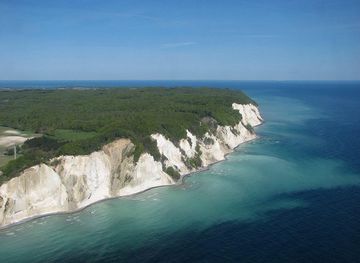
Explore more of South Zealand
Discover South Zealand, where dramatic cliffs, historic castles, and charming coastal towns create the perfect Danish escape.
Explore South Zealand
Explore more of Denmark
Discover Denmark: A perfect blend of history, modern design, and the cozy concept of hygge. Explore vibrant cities, serene landscapes, and world-class cuisine.
Explore Denmark
