
Kegnaes, Mon Travel Guide
A quietly remote Baltic peninsula where big skies, sandy beaches, birdlife and star‑bright nights create one of southern Denmark’s most tranquil coastal escapes.
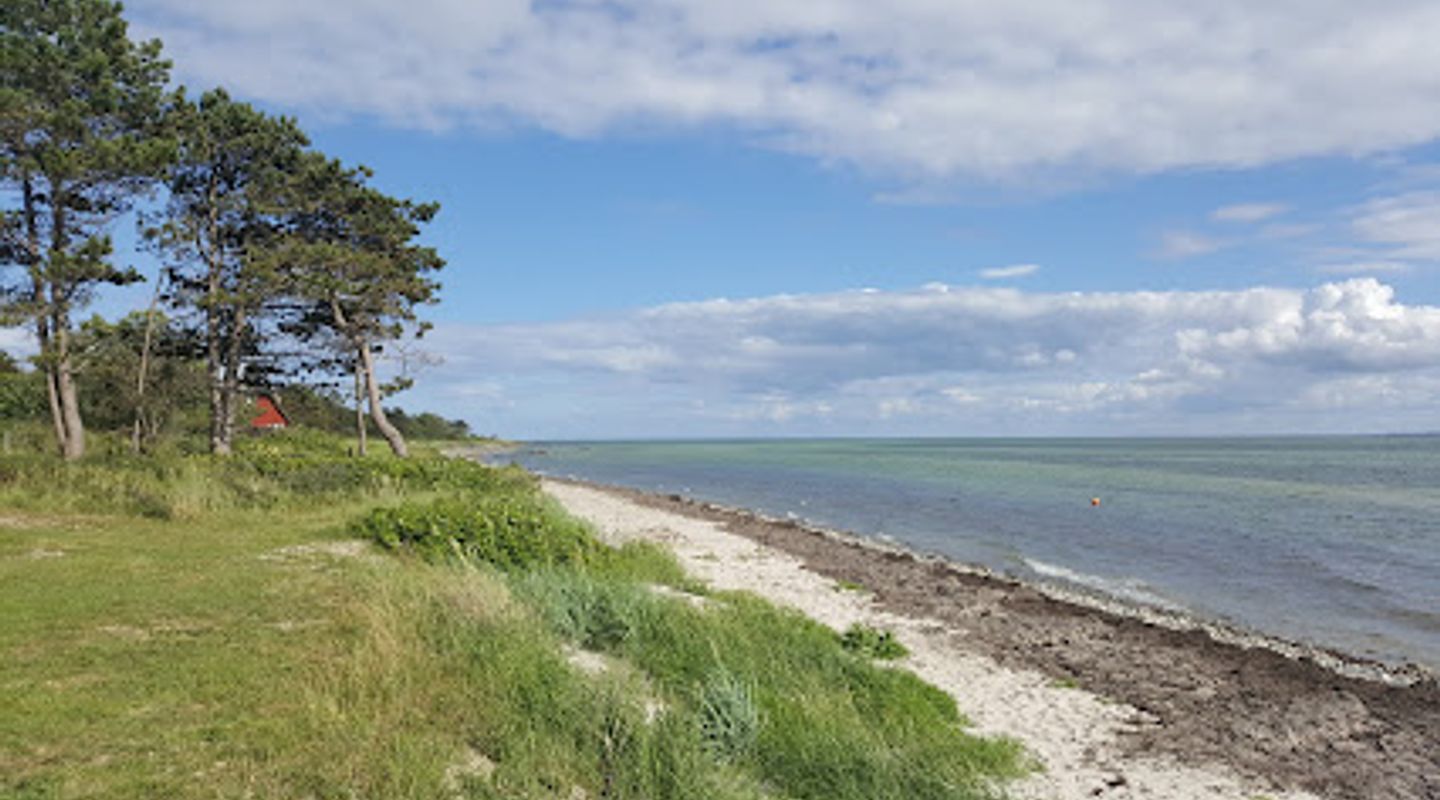
Kegnæs is a small peninsula at the southern tip of Als in South Jutland, surrounded by the calm waters of the Baltic Sea. Linked to Als by a narrow causeway, it feels just remote enough to be a true escape, with long sandy beaches, low dunes, open fields and big skies. Come for coastal walks, cycling, birdwatching and stargazing, linger for quiet villages, a handsome lighthouse and pockets of local art and culture.
A brief summary to Kegnaes
- Sydals, DK
- Duration: 2 to 8 hours
- Free
-
 Outdoor
- Mobile reception: 4 out of 5

Know before you go
Hi, I'm Eve. Here are a few practical things to know before exploring Kegnaes.
- Bring layers and a windproof jacket, even in summer; the open coastline can feel significantly cooler and breezier than inland Als.
- Pack binoculars for birdwatching at nearby wetlands and along the shoreline, especially during spring and autumn migration periods.
- Plan at least one late‑night beach visit in clear weather to experience Kegnæs’ notably dark, star‑rich sky away from artificial lights.
- If cycling, use lights and reflective gear and watch for rabbits and pheasants crossing small roads, particularly at dawn and dusk.
- Stock up on groceries before arriving or check opening hours of local shops in Sydals, as services on the peninsula itself are limited.
Do you manage this location?
Take control to get all the benefits, like improved information, better appearance, and stronger visibility across AI-powered discovery. Learn more about listing your business on Evendo
Activate your presenceOther nearby places you may find interesting
The closest places of the same kind, if this one is not quite what you had in mind.
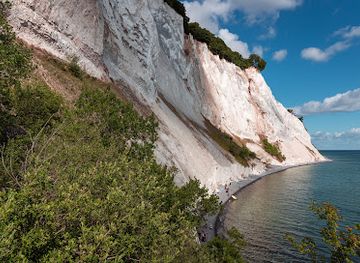
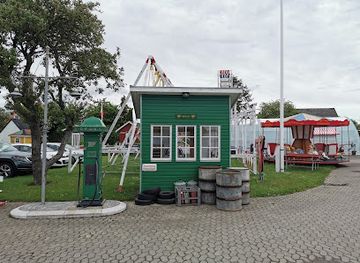
Explore Kegnaes on the Map
A handpicked selection of must-see spots near Kegnaes, mapped for you.
Getting There
-
Car from Sønderborg
From Sønderborg town centre, driving to Kegnæs typically takes around 35–45 minutes, depending on traffic and seasonal congestion near beach areas. The route crosses Als and continues onto the peninsula via a narrow land connection with mainly small, winding roads. There are no road tolls. Parking is generally free near beaches and holiday areas but can be limited in peak summer, so arriving earlier in the day helps secure a space.
-
Regional bus and local taxi
If you rely on public transport, you can first take a regional bus from Sønderborg to Sydals, with journeys usually taking 30–45 minutes and typical one‑way fares in the range of 25–40 DKK. From the bus stop areas on southern Als, continue by pre‑booked local taxi to Kegnæs, which often adds another 15–25 minutes and roughly 150–250 DKK depending on distance and time of day. Services are less frequent in evenings and on weekends, so check schedules and book taxis in advance.
-
Cycling from southern Als
Kegnæs is a realistic destination for confident cyclists exploring Als. From the southern parts of the island, riding to the peninsula usually takes 30–60 minutes each way, depending on your starting point and pace. The terrain is mostly flat to gently rolling, with some narrow sections of road shared with cars, so high‑visibility clothing and lights are recommended. There is no fee to access the peninsula by bike, but wind conditions can strongly affect difficulty, especially near the coast.
For the on-the-go comforts that matter to you
-
 Restrooms
-
 Drink Options
-
 Drinking Water
-
 Food Options
-
 Seating Areas
-
 Picnic Areas
-
 Trash Bins
-
 Information Boards
Discover more about Kegnaes
Sea‑washed peninsula at the edge of Als
Kegnæs stretches into the Baltic Sea like a slender arm from the southern end of Als, its coastline wrapped in pale sand, low dunes and shallow, gently shelving waters. The land feels open and spacious here, with fields and farmsteads giving way quickly to beach and sea. A narrow strip of land connects the peninsula to the rest of Als, adding to the sense that you have crossed onto a place with its own rhythm.All around, the horizon is wide and low, the light constantly shifting over water and farmland. To the south and east, on a clear day, you can glimpse across to Germany and the islands of the South Funen Archipelago. The peninsula is small enough to feel intimate, yet varied enough that a short stay reveals different corners of coast, from breezy surf‑washed stretches to more sheltered bays.Beaches, breezes and Baltic water
Kegnæs is best known for its beaches, considered among the finest on Als. Long arcs of sand and pebble invite slow walks, stone‑skimming and barefoot paddling. The Baltic here is usually calm, its brackish water cooler than in summer resorts further south but wonderfully refreshing on a hot day. In many places the shoreline remains pleasantly undeveloped, so you can still find space to spread a blanket and listen only to waves and wind.Conditions on the outer coasts often suit kite surfers and windsurfers, while gentler patches of shoreline are ideal for families with children who want to paddle or build sandcastles. Even in cooler seasons, the beaches are rewarding for storm watching, shell collecting and bracing walks under big skies, with sea birds tracing the wind along the surf.Lighthouse, villages and quiet lanes
At the southern tip of the peninsula stands Kegnæs Lighthouse, a white landmark rising above the coastal grass. The tower and its surrounding buildings lend the point a distinctly maritime character; from nearby you gain sweeping views along the coast and out over the Baltic. The approach passes low fields, hedgerows and clusters of trees bent slightly by the prevailing wind, a reminder that this is working countryside as well as coastline.Scattered across Kegnæs are small villages and holiday‑home areas, where modest houses and gardens line narrow lanes. Life feels unhurried: tractors move between fields, and in summer bicycles are often more common than cars on the smaller roads. A small church, local gallery spaces and seasonal farm stands add gentle human texture without disturbing the overall tranquility of the landscape.Nature, birds and a dark night sky
The waters and coasts around Als, including Kegnæs, form part of a protected Natura 2000 area, created to safeguard marine life, coastal habitats and bird populations. Nearby, the Hartsø bird sanctuary provides feeding and resting grounds for resident and migratory species; marsh harriers and other birds of prey can sometimes be seen quartering the reeds and fields. Along the shore you may spot waders probing the shallows, or ducks and geese gathering on the water in colder months.Kegnæs is also notable for its darkness after sunset. With little light pollution from large towns, the night sky appears surprisingly rich in stars for such a low‑lying coastal region. On clear nights, lying back on a beach or field, you can trace constellations and see the arc of the sky with unusual clarity, a quiet, contemplative counterpoint to the bright, breezy daytime seascapes.Slow travel, simple pleasures and local flavours
Days on Kegnæs tend to organise themselves around simple outdoor pleasures: cycling quiet roads between villages, following paths behind the dunes, swimming in the Baltic or lingering over a picnic at the water’s edge. The flat or gently rolling terrain makes it easy to explore by bike, and short drives or rides connect the peninsula with the broader attractions of Sydals and Als, from historic mills and churches to small harbours and gardens.Food on and around Kegnæs draws on a long tradition of agriculture and fishing. Local eateries and farm shops in the wider Sydals area highlight ingredients from the fields and nearby sea, while in summer you may encounter small stalls selling seasonal produce. Combined with gallery visits, occasional open houses and the relaxed atmosphere of campsites and holiday homes, Kegnæs offers an unhurried, quietly distinctive corner of southern Denmark for those who favour sea air and space over spectacle.












Your all‑in‑one travel companion app
Explore expert travel guides, compare and book tours, experiences, hotels, and more—all from the palm of your hand. Download now for seamless trip planning wherever your wanderlust takes you.


Explore More of Mon
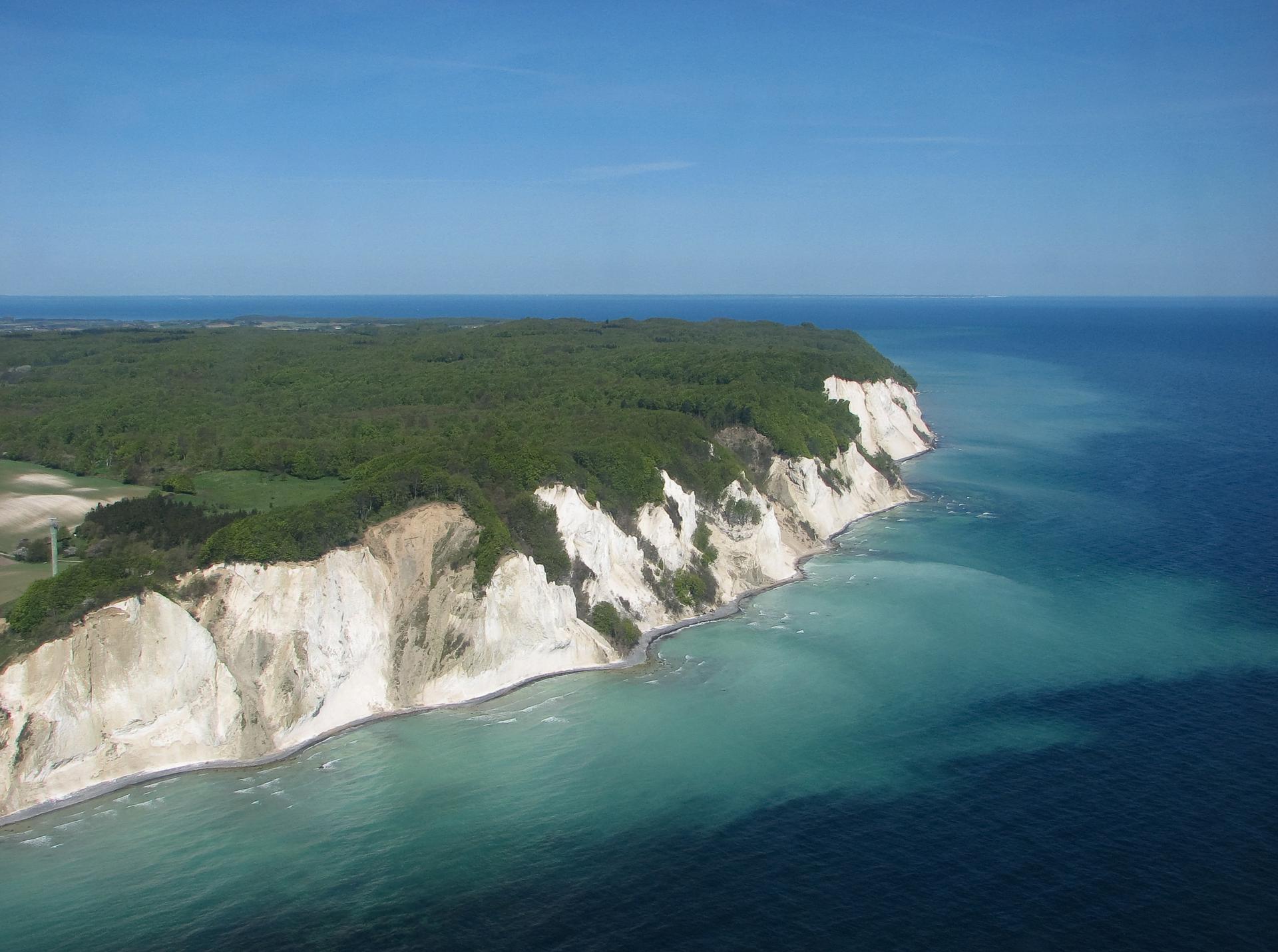
Looking beyond Kegnaes? Discover Mon for broader travel guides, local hot-spots, and regional highlights.
Explore Mon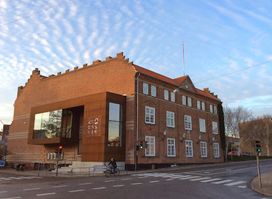
Cosy cultural house in central Sønderborg, blending live music, creative workshops and a welcoming café into one relaxed, community-focused venue.
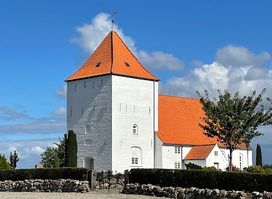
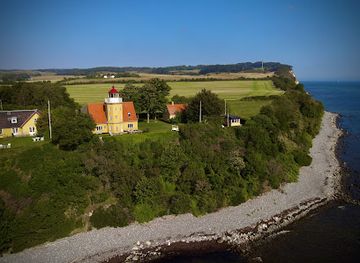
Compact Baltic lighthouse on the tip of Kegnæs with far‑reaching sea views, quiet coastal paths and an atmospheric glimpse into Denmark’s maritime frontier.
