Kegnæs Fyr Lighthouse
Compact Baltic lighthouse on the tip of Kegnæs with far‑reaching sea views, quiet coastal paths and an atmospheric glimpse into Denmark’s maritime frontier.
Perched at the southern tip of Als on the narrow neck of land leading to the Kegnæs peninsula, Kegnæs Fyr is a compact 19th‑century lighthouse with sweeping views over the Baltic Sea. Climb the tower when it is open to gaze toward Germany, Broagerland and the South Funen Archipelago, or wander the grassy grounds and nearby beach. Free entry, clear sea air and big skies make this one of South Jutland’s most rewarding coastal viewpoints.
A brief summary to Kegnæs Fyr
- Nørre Landevej 7, Sydals, 6470, DK
- Click to display
- Click to display
- Duration: 0.5 to 2 hours
- Free
-
 Outdoor
- Mobile reception: 4 out of 5
- Monday 8 am-7 pm
- Tuesday 8 am-7 pm
- Wednesday 8 am-7 pm
- Thursday 8 am-7 pm
- Friday 8 am-7 pm
- Saturday 8 am-7 pm
- Sunday 8 am-7 pm

Know before you go
Hi, I'm Eve. Here are a few practical things to know before exploring Kegnæs Fyr.
- Aim for a clear or partly sunny day to make the most of the long‑range views towards Germany, Broagerland and the South Funen islands.
- Bring a windproof layer; the exposed headland can feel significantly cooler and breezier than inland, even on bright summer days.
- Check local information for tower opening times, as interior access and climbing may be limited outside the main season or in bad weather.
- Wear sturdy shoes if you plan to explore the nearby beach, which is mostly pebbly with uneven sections and occasional wet rocks.
- Photographers should visit in early morning or late afternoon for softer light on the lighthouse and more dramatic skies over the Baltic.
Do you manage this location?
Take control to get all the benefits, like improved information, better appearance, and stronger visibility across AI-powered discovery. Learn more
Activate your presenceGetting There
-
Car from Sønderborg
From Sønderborg town centre, driving to Kegnæs Fyr typically takes 35–45 minutes, depending on local traffic and seasonal visitor numbers. The route uses ordinary country roads across Als and onto the narrow causeway leading to Kegnæs. There is usually free parking near the lighthouse along the roadside or in small informal bays, but space can be limited on sunny summer weekends. No tolls apply, and standard rental cars are sufficient year‑round, though caution is advised in winter when roads may be icy.
-
Bus plus walk from Sønderborg area
Regional buses connect Sønderborg with villages on southern Als and Kegnæs, with journey times typically around 45–70 minutes depending on the specific departure and route. Services usually run several times a day but may be less frequent in the evening, on weekends and public holidays, so checking current timetables in advance is important. From the nearest bus stop, expect a walk of roughly 20–30 minutes along quiet roads and paths, which are level but exposed to wind and weather. There is no additional transport fare beyond the bus ticket, which is generally in the low to mid double‑digit Danish kroner range for a single adult journey within the local zone system.
-
Cycling on Als and Kegnæs
Kegnæs Fyr is well suited to a cycling trip on Als, with distances from many southern Als villages falling in the 10–25 kilometre range, depending on your starting point. The roads are mostly gently undulating and shared with cars, but traffic volumes are generally modest outside the busiest summer periods. There is no dedicated bike parking infrastructure at the lighthouse itself; cyclists usually secure bikes to fences or leave them visible nearby. Wind can be a significant factor, especially when riding across the open causeway, so allow 45–90 minutes of cycling time each way and dress for exposed coastal conditions.
For the on-the-go comforts that matter to you
-
 Seating Areas
-
 Trash Bins
-
 Information Boards
Discover more about Kegnæs Fyr
A Baltic Sentinel at the Edge of Als
Kegnæs Fyr stands on Kegnæshøj by the low causeway that links the Kegnæs peninsula to southern Als, marking a busy corner of the Baltic Sea where coastal traffic has passed for centuries. From its modest white tower, ships are guided between Denmark and Germany, and visitors gain a sense of how crucial navigation beacons have been in these shallow, shifting waters.The lighthouse crowns gently sloping land that falls away toward pebble beaches and wind‑ruffled sea. On clear days the horizon is busy with ferries, yachts and fishing boats, a reminder that this quiet corner of Denmark has long been a maritime crossroads.From 1845 Beacon to Modern Lighthouse
The first lighthouse on this spot was built in 1845 as a nine‑metre tower rising from the keeper’s house, providing a simple but vital light to sailors hugging the coast. Over time, technical upgrades and political changes reshaped its role, particularly during the Second Schleswig War in the 19th century and later during the Second World War, when control of navigation along this frontier coast had strategic importance.Today’s tower is taller and freestanding, painted in light tones with a lantern room that houses modern equipment. While the light is now automated, historical details around the site hint at the era when a resident keeper and family tended the flame through long Baltic nights.Wide Horizons and Coastal Calm
One of the great pleasures of Kegnæs Fyr is the panorama from both the viewing platform and surrounding grounds. Looking north, you see Broagerland and the rolling coastline of southern Jutland; to the south and east, views stretch across to Germany and, in good conditions, toward Ærø and Langeland in the South Funen Archipelago.Even if the tower is closed, the setting itself invites unhurried wandering. Grassy patches provide space to sit and watch seabirds, paragliders or kite surfers using the steady coastal winds, while the rhythmic sound of waves and the salty breeze create an atmosphere of uncomplicated calm.Exploring the Tower and its Surroundings
When open, the lighthouse interior offers a short but atmospheric climb on narrow stairs to a compact gallery. The ascent is manageable for most visitors with reasonable mobility, though the stairway can feel tight and may not suit those uncomfortable with confined spaces. At the top, windows frame shifting light over sea and land, a striking contrast between the utilitarian interior and the expansive views outside.Back at ground level, simple paths lead around the building and down toward the shoreline. The nearby beach is typically stony with bands of sand, ideal for a quiet stroll, shell spotting or simply listening to the wash of the Baltic against the rocks.Weather, Light and the Character of the Coast
Kegnæs Fyr is especially atmospheric in changing weather, when fast‑moving clouds transform the colour of sea and sky within minutes. In strong winds or storms, access to the tower may be restricted for safety, and conditions along the exposed coast can feel raw and dramatic rather than gentle.In softer light—early morning or towards evening in summer—the lighthouse and its surroundings take on a more contemplative mood, with long shadows across the fields and birds wheeling overhead. It is a place where the elements are always part of the experience, from bright, sparkling days to low, misty visibility that closes in the horizon and focuses attention on the lighthouse itself.A Quiet Corner of South Jutland
Despite its significance for navigation, Kegnæs Fyr remains a relatively low‑key spot, more about sea air and open sky than facilities or commercial bustle. It pairs naturally with wider explorations of Als and South Jutland’s coast, offering a distinct sense of being at the end of the road, where land gives way to water on three sides.For many visitors, the appeal lies in that simplicity: a sturdy lighthouse, empty horizon, the sound of wind in the grass and the steady flash of a light that has guided generations of mariners along Denmark’s southern shores.Explore the best of what Kegnæs Fyr has to offer















More about South Jutland
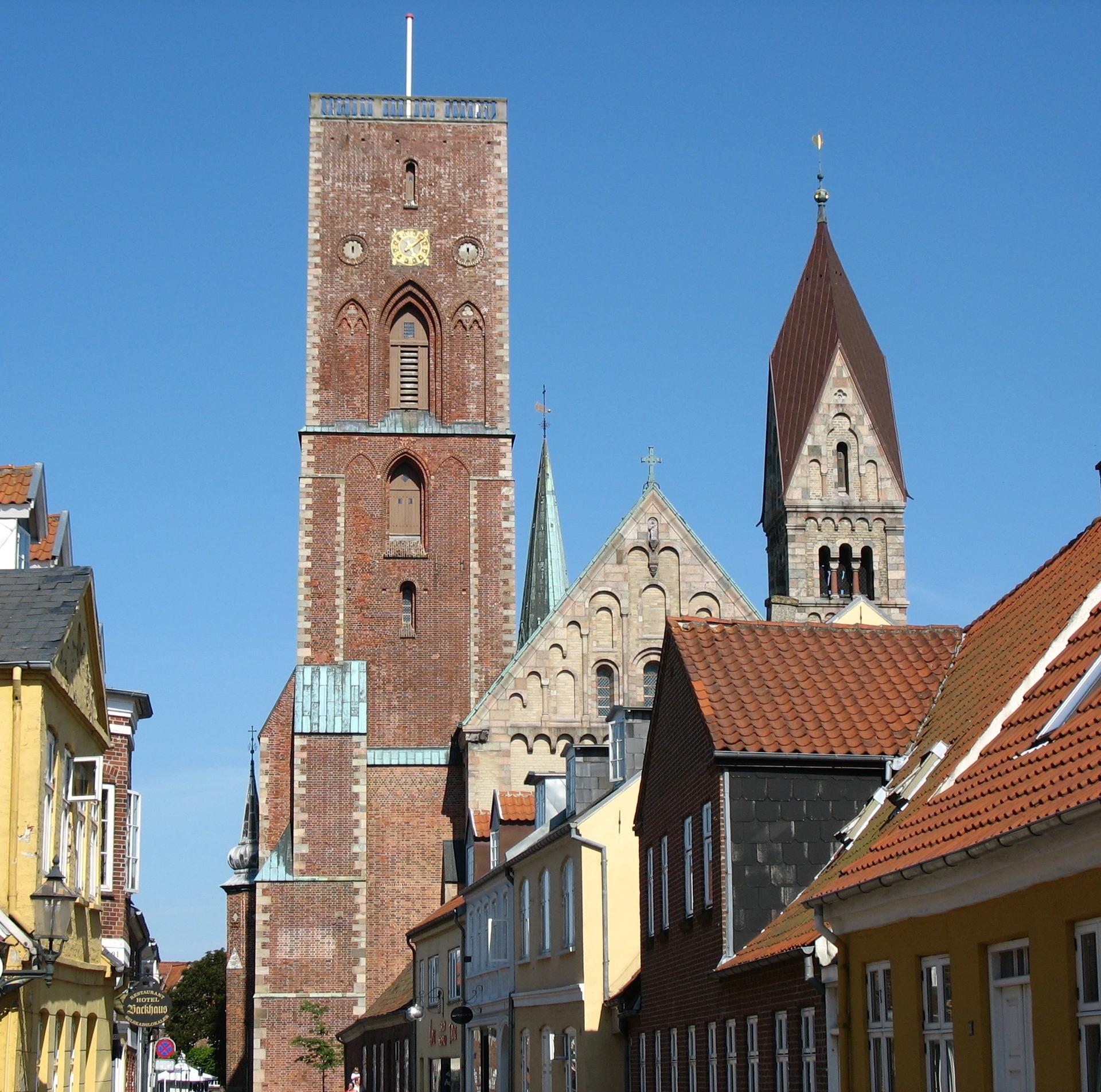
Discover the beauty and charm of South Jutland, Denmark's southern treasure, with its rich history, stunning landscapes, and delightful local cuisine.
Tell me more about South Jutland