Saint Nicolai's Church, Nyborg Travel Guide
Free Guide: Svendborg's oldest building and spiritual guardian of seafarers since the 11th century.


A brief summary of Saint Nicolai's Church
Svendborg's oldest building and spiritual guardian of seafarers since the 11th century.
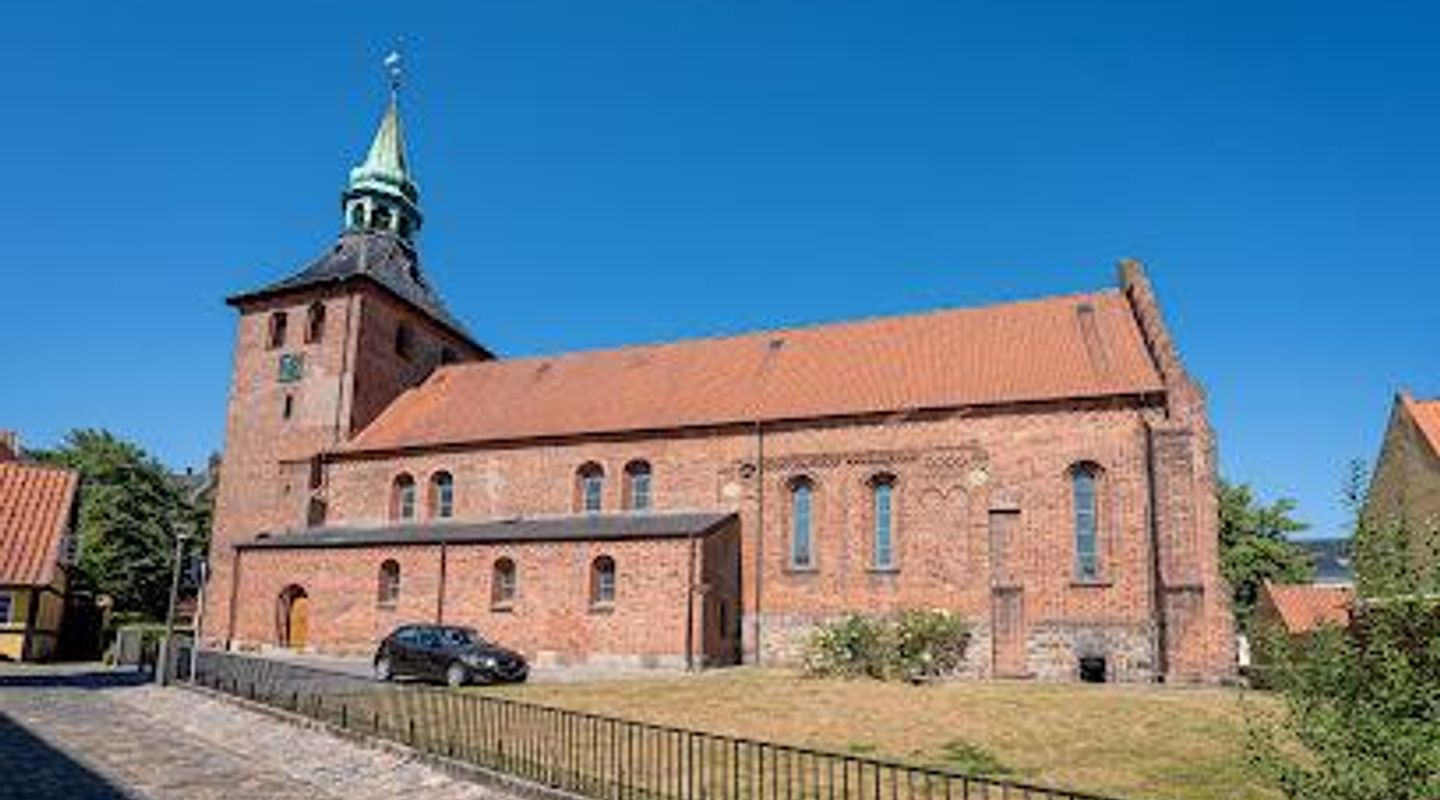
Saint Nicolai's Church stands as Svendborg's oldest building, constructed in the first half of the 11th century with its distinctive red-brick Romanesque architecture. Dedicated to the patron saint of seamen, this medieval landmark features a choir from the late 11th century and a tower added in the 14th century. The church's whitewashed brick walls and elegant interior, including an ornate octagonal pulpit from 1585 carved with images of the Four Evangelists, reflect centuries of maritime heritage and religious significance in this historic Danish coastal town.
On-site amenities
 Restrooms
 Information boards
 Seating areas
- Address
- Gerritsgade 5, 5700 Svendborg
- Website
Getting there
Walking from Svendborg Town Center
By Bicycle from Central Svendborg
By Car with Parking
By Public Bus
Discover more about Saint Nicolai's Church
A Monument to Medieval Craftsmanship
Saint Nicolai's Church represents one of Denmark's finest examples of Romanesque brick construction. Built in the first half of the 11th century, it claims the distinction of being Svendborg's oldest surviving structure. The church's red-brick walls, characteristic of medieval Danish architecture, were whitewashed between 1566 and 1892, a common practice that protected the masonry while creating the distinctive aesthetic visible today. The original stone church that preceded this brick structure stood on the same site a century earlier, testament to the spiritual significance of this location throughout Svendborg's history.
Evolving Architecture Across Centuries
The church's architectural development mirrors the town's growing prosperity and importance. The choir, added in the late 11th century, represents the earliest expansion of the original nave. By the 14th century, as Svendborg flourished as a major seaport and trading center, a substantial tower was constructed, rising prominently above the medieval streetscape. This tower became a navigational landmark for seafarers approaching the harbor, reinforcing the church's role in the maritime community. The building's evolution reflects both practical needs and changing aesthetic preferences across four centuries of construction and modification.
Spiritual Protector of Seafarers
The dedication to Saint Nicholas, patron saint of seamen, was no arbitrary choice. Svendborg's identity as one of Scandinavia's most important trading centers in the late Middle Ages made this patronage deeply meaningful. Merchants, sailors, and shipbuilders who passed through the harbor would have sought the saint's protection for their voyages. The church's prominent position near the waterfront and its visibility from the sea made it a spiritual anchor for the maritime community that sustained the town's economy and reputation.
Renaissance Artistry and Sacred Symbolism
Inside the church, the magnificent octagonal pulpit, dated to 1585, showcases the skilled craftsmanship of the Renaissance period. Its elaborate carved panels feature the Four Evangelists—Mark with his winged lion, Luke with his ox, and John with his eagle—their symbols positioned at their feet in a visual language understood by medieval and Renaissance congregations. This pulpit represents not merely functional furniture but a theological statement, elevating the word of God through artistic excellence. The fine altarpiece complements the pulpit, together creating an interior of considerable artistic and spiritual significance.
Enduring Presence in the Historic Core
Located on Gerritsgade, one of Svendborg's oldest streets first mentioned in historical records in 1552, Saint Nicolai's Church anchors the medieval quarter. The surrounding cobblestone streets, historic half-timbered houses, and preserved urban layout create an atmosphere that transports visitors back centuries. The church's bells have rung across the rooftops for nearly a thousand years, marking time through Danish history—from the Viking Age through the Reformation, the Renaissance, and into the modern era. Today, it remains a focal point for both pilgrims and those seeking to understand Svendborg's layered past.
Evendo Review Centre
 Google
Guest reviews
Best time to go
Quietest: Jan, Feb & Nov · before 7am or from 7pm
Busy times are Evendo estimates for a typical year, to help you plan. Actual crowds vary with events, school holidays and the weather.
Explore Saint Nicolai's Church on the map
A handpicked selection of must-see spots near Saint Nicolai's Church, mapped for you.
Get your free copy of our complete guide to Saint Nicolai's Church, delivered straight to you.
Everything on this page, from opening hours and how to get there to Eve’s tips and the best time to go, in one PDF you can read offline, print or share.
Already have an account? Sign in
Your Saint Nicolai's Church guide is ready.
We'll send it to · Not you? Sign out

Getting your guide ready…
We are putting together a fresh copy of the Saint Nicolai's Church guide. This can take up to a minute.
This can take a few moments. If your browser asks, choose Allow so the download can start. You'll find the guide in your Downloads folder.
Nothing happened? Download it again
Sorry, the guide is taking longer than usual. Please try again in a minute, or get it by email instead.
Unlock the best of Saint Nicolai's Church
Skip-the-line tickets, guided tours with entry, and walking tours of the area, booked in a few clicks.
Other nearby places you may find interesting
The closest places of the same kind, if this one is not quite what you had in mind.
-
Nyborg Fortress Medieval parliament seat where Danish kings shaped a nation's destiny and founded a Nordic empire.
-
Dronningens Bastion Medieval bulwark crowned with a 1899 water tower, offering rampart walks through Nyborg's fortified heritage.
-
Nyborg Water Tower Industrial heritage meets contemporary art in a 1899 tower overlooking Nyborg's medieval ramparts.
-
Landporten Walk through Denmark’s former landward gateway: a 40 m vaulted fortress tunnel where royal power, nightly bell rituals and everyday travel once converged.
-
Den Hvide Jomfru A modest white monument on Nyborg’s old fortress embankment, Den Hvide Jomfru blends legend, landscape and history into a quiet, atmospheric pause.
Swipe for more places
More to explore near Saint Nicolai's Church

 Best experiences near Saint Nicolai's Church
 Best hotels near Saint Nicolai's Church
 Best landmarks near Saint Nicolai's Church
 Best attractions near Saint Nicolai's Church
 Best shops near Saint Nicolai's Church
 Best restaurants near Saint Nicolai's Church
 Best bars near Saint Nicolai's Church
Do you manage this location?
Take control to get all the benefits, like improved information, better appearance, and stronger visibility across AI-powered discovery.
Explore more
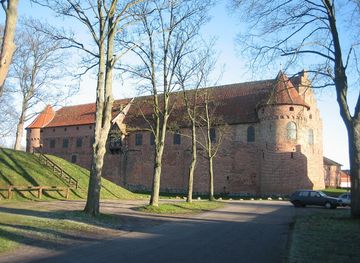
Explore more of Nyborg
Discover Nyborg: A blend of medieval charm, stunning coastal views, and rich Danish heritage that promises an unforgettable travel experience.
Explore Nyborg
Explore more of Denmark
Discover Denmark: A perfect blend of history, modern design, and the cozy concept of hygge. Explore vibrant cities, serene landscapes, and world-class cuisine.
Explore Denmark