
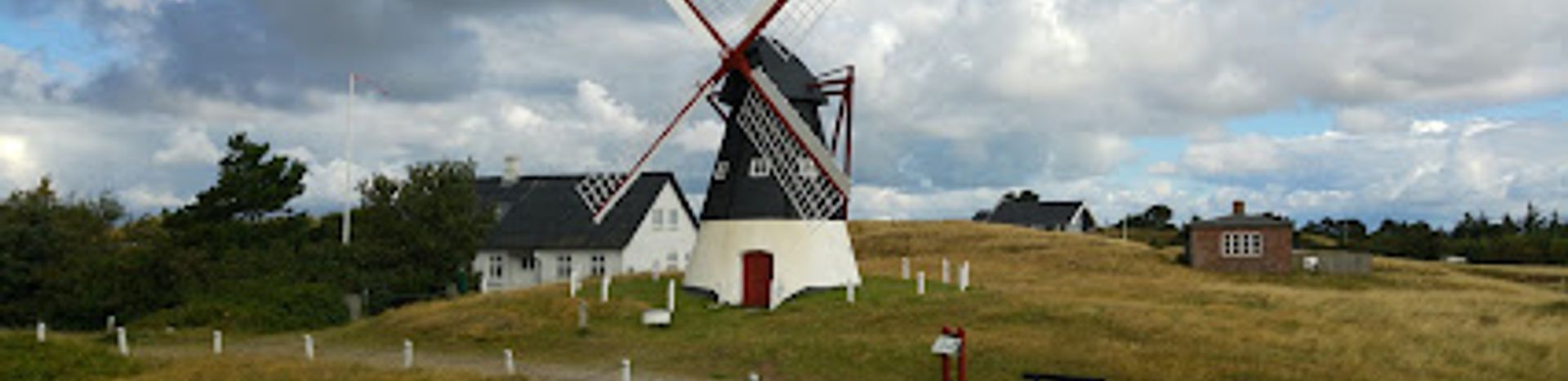
Mandø Mølle
Compact black‑and‑white windmill and island landmark on tide‑bound Mandø, where Wadden Sea skies, dikes and village history meet in one evocative viewpoint.
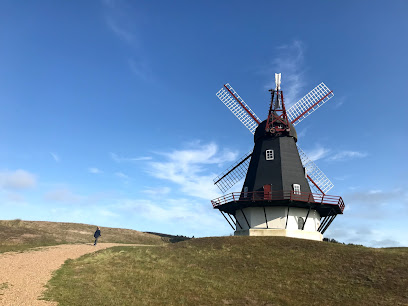
Mandø Mølle is the small Wadden Sea island of Mandø’s unmistakable landmark: a compact black‑and‑white windmill rising above the village houses and salt‑marsh fields. Just nine metres tall with a wing span of 14 metres, this historic mill once ground grain for the islanders and today stands as a symbol of life lived at the edge of the North Sea. From its base you look out over dikes, grazing sheep and big skies, and gain a vivid sense of Mandø’s fragile, weather‑shaped history within the Wadden Sea National Park.
A brief summary to Mandø Mølle
- Mandø Byvej 35, Ribe, 6760, DK
- +4551336338
- Duration: 0.5 to 1.5 hours
- Free
-
 Outdoor
- Mobile reception: 3 out of 5
Local tips
- Aim to visit in spring or autumn for dramatic birdlife over the marshes, when flocks often wheel in the sky behind the mill.
- Plan time to walk the nearby dike paths after seeing the mill to appreciate how it sits within the wider Wadden Sea landscape.
- Early morning or late afternoon light is best for photographs, when the mill’s black‑and‑white contrasts and long shadows are most striking.
- Check local information on seasonal opening days if you hope to see the interior; outside of high season access may be limited.
- Bring a windproof layer even in summer; the exposed island setting means breezes around the mill can feel surprisingly strong.

For the on-the-go comforts that matter to you
- Trash Bins
- Information Boards
- Restrooms
- Food Options
- Drink Options
Getting There
-
Car and tidal causeway
From Ribe, drivers typically reach the Mandø tidal causeway at Vester Vedsted in about 15–20 minutes, then continue across the raised road to the island at low tide, allowing a total travel time of around 35–45 minutes. Crossing is only safe within the published tide windows, and there is no fee for using the causeway itself. Parking space on Mandø is limited in the village streets, so visiting outside the busiest summer hours gives more flexibility.
-
Tractor bus from the mainland
In the main visitor season, a tractor‑drawn bus runs between Vester Vedsted on the mainland and Mandø, travelling over the tidal flats in roughly 40–50 minutes each way. Typical return fares are in the range of 120–180 DKK per adult, with reduced prices for children, and departures are scheduled around safe low‑tide periods. Services can be cancelled in poor weather or unusually high water, so it is important to check the day’s timetable and book early in peak weeks.
-
Cycling via Vester Vedsted and causeway
Confident cyclists sometimes combine a ride from Ribe to Vester Vedsted with a crossing of the Mandø tidal road, allowing 45–70 minutes each way depending on fitness and wind. There is no charge for bicycles, but the exposed route and soft sections near the island make the trip physically demanding, especially in strong headwinds. Cyclists must observe the same low‑tide access times as cars and be prepared to wait on the island if water levels rise earlier than forecast.
Mandø Mølle location weather suitability
-
 Clear Skies
-
 Mild Temperatures
-
 Windy Conditions
-
 Cold Weather
-
 Any Weather
Discover more about Mandø Mølle
The little island mill that became a symbol
Mandø Mølle is the first thing that greets you as you arrive on Mandø, its black‑and‑white silhouette rising gently above the low village roofs. Unlike Denmark’s towering mainland mills, this one is modest in scale, just nine metres high with a wing span of 14 metres, perfectly in proportion to the tiny Wadden Sea island around it. It has long served as Mandø’s visual landmark, visible from the dike and from the flat marshlands that encircle the settlement. The mill stands on Mandø Byvej in the heart of the village, surrounded by simple houses, barns and wind‑toughened trees. Its compact shape and sturdy construction hint at a place where storms are frequent, where everything – buildings and people alike – must be resilient. From here you can immediately sense that Mandø is an island defined by wind, tides and sky.Working life on a windswept Wadden Sea island
For generations Mandø Mølle was part of daily survival, grinding grain grown in the reclaimed fields sheltered behind the dikes. Farmers brought their harvest to be milled into flour, and the creak of wooden gears would have mixed with the sound of wind and seabirds. The mill’s conical base is brick, built to withstand salt‑laden gales, while the upper structure is timber clad in practical roofing felt for protection. Today the wings no longer turn with the same regular rhythm, but the structure still tells a clear story about the island’s working past. Step closer and you see the functional details: small windows, simple doors, and the low profile that keeps the mill as stable as possible when winter storms sweep in from the North Sea. It is an agricultural building, but also a quiet monument to Mandø’s self‑reliant community.Mandø’s dikes, tides and big horizons
The landscape around Mandø Mølle is as much a part of the experience as the mill itself. The village is encircled by protective dikes, built over centuries to shield fields and homes from storm surges that have repeatedly reshaped the island. From the mill, a short stroll brings wide‑open views of salt marshes, mudflats and grazing sheep, framed by an immense, ever‑changing sky. Mandø lies in the middle of Wadden Sea National Park, one of northern Europe’s great tidal landscapes. Twice a day the sea retreats far from the island and then returns, and that rhythm underpins everything. Standing by the mill you are never far from the cry of waders, the rustle of grass in the wind and the faint smell of salt water carried over the dike.Seasons of wind, birds and shifting light
Each season gives Mandø Mølle a different character. In spring and autumn, migratory birds cloud the horizon, turning the sky behind the mill into a moving backdrop. Summer brings softer winds, longer evenings and warm light that lingers on the mill’s contrasting colours. In winter, when storms build over the Wadden Sea, the mill appears even more stoic, a dark shape holding its ground against the elements. The low light of early morning or late afternoon often produces the most atmospheric views. Shadows stretch across the village street, and the white detailing on the mill stands out crisply against dark cladding and sky. For many visitors, this combination of simple architecture and expansive landscape becomes one of their clearest memories of Mandø.Exploring the village around the mill
Mandø Mølle sits within easy reach of the island’s other small‑scale attractions, making it a natural starting point for exploring. Nearby you find a modest nature exhibition, the whitewashed church and paths leading along the dike crest, where you can watch the interplay of tides and marsh. The mill often opens on special days and during the high season, when it functions as both historic building and informal gateway to the island’s stories. Even when closed, however, the mill rewards an unhurried visit. Take time to walk around it, noticing how it anchors the village in the wide landscape. Listen to the wind catching the wooden structure, watch flocks of birds pass overhead and imagine carts of grain once arriving here. In a single compact building, Mandø Mølle concentrates the essence of this small, tide‑bound island: practical, exposed to the elements, and deeply connected to the Wadden Sea.Iconic landmarks you can’t miss

Æ Kåver
8.9 km
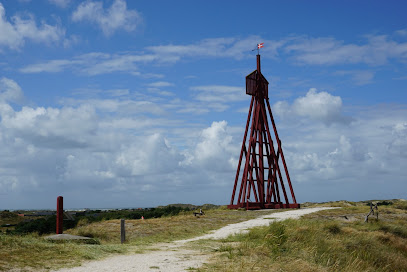
Reborn wooden seamark on Fanø’s southern edge, Æ Kåver recalls 17th‑century seafaring in a wild Wadden Sea landscape of wind, sand and wide horizons.
Sønderho Church
9.1 km
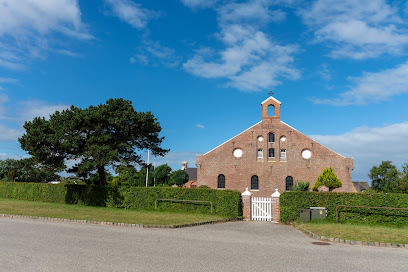
An 18th‑century island church filled with Denmark’s largest flotilla of votive ships, anchoring Sønderho’s seafaring history in a tranquil Wadden Sea village.
Kammerslusen Ribe
11.1 km
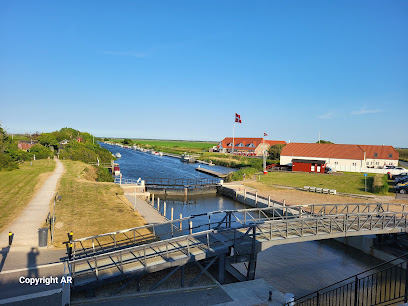
Discover Copenhagen's Black Diamond: A fusion of modern architecture and cultural heritage on the waterfront.
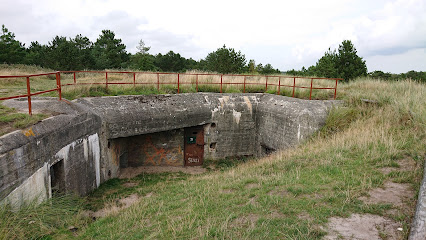
Bunker
14.2 km
A concrete relic of World War II occupation, standing silent in Denmark's westernmost forest.
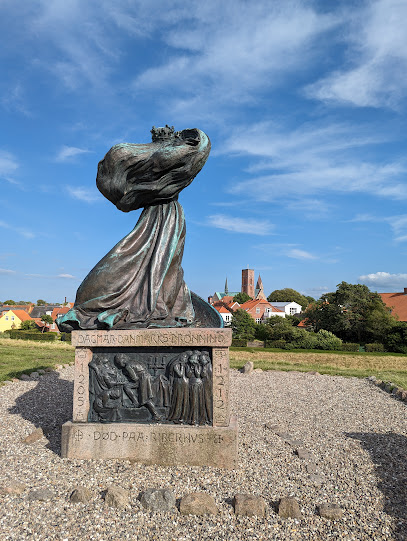
Queen Dagmar of Bohemia
15.0 km
A contemplative statue on Ribe’s former castle hill, honouring the gentle 13th‑century Queen Dagmar where her life and legend became entwined with Denmark’s history.
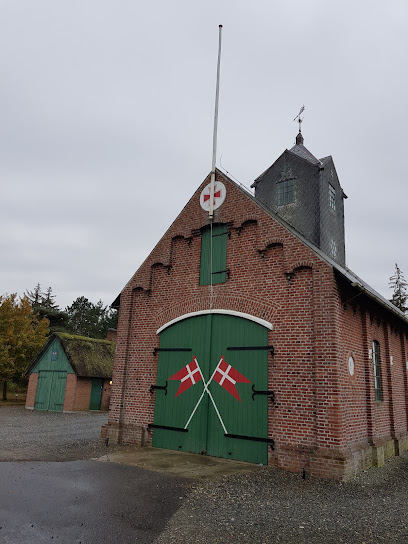
Gamle Redningsstation
18.6 km
Compact red-brick lifeboat station turned firehouse, telling Rømø’s quietly dramatic story of storms, shipwrecks and island resilience along the Wadden Sea.
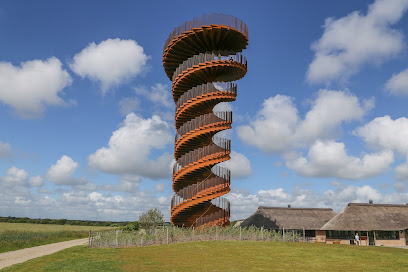
Marsk Tower - Marsk tårnet
19.0 km
Marsk Tower is a modern architectural icon on Denmark’s Wadden Sea coast, spiraling above marshes for spectacular views of Rømø, the North Sea, and rich birdlife.
Gedenkstein
19.8 km
A solemn maritime memorial honoring Fanø's lost sailors and the human cost of the island's golden age.

Rømø Redningsmuseum RRB-88
20.2 km
Discover the gripping history of maritime rescue on Rømø through artefacts, restored boats, and island heroism at a historic North Sea lifeboat station.
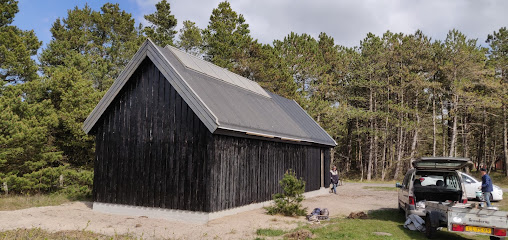
Fanø Museum
20.4 km
Discover Fanø Museum, where island life, seafaring tradition, and local culture come alive through immersive exhibits in a historic building at the heart of Nordby.
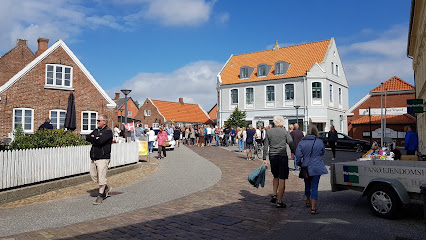
Mindesten for Det Økumeniske Kirkemøde 1934
20.5 km
Where global faith leaders stood against tyranny in 1934, commemorated by a solemn waterfront stone.
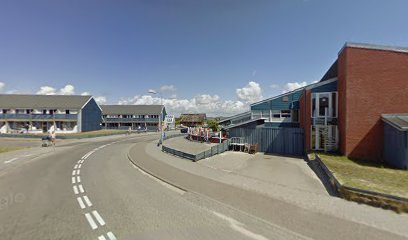
Fano Bed and Boats
20.5 km
Charming seaside bed & breakfast and boat rental in Nordby, Fanø—offering cozy rooms and authentic maritime experiences on Denmark’s storied North Sea island.
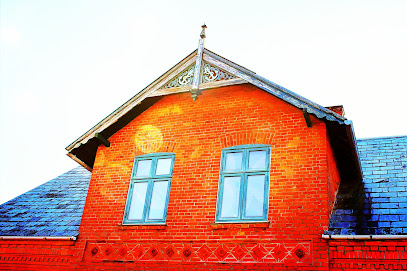
The Beach on Fanø
20.5 km
Vast, iconic North Sea beach spanning Fanø’s coastline, famed for its wild dunes, kite festivals, wide sands, and unique Danish maritime character.

Danland Fanø
20.5 km
Family-friendly seaside holiday resort nestled among Fanø's dunes, offering direct access to wide beaches, indoor pools, wellness options, and the spirit of Danish island living.

Fanø Krogaard
20.6 km
Experience the timeless charm of Fanø Krogaard, a historic inn blending Nordic cuisine, island tradition, and warm hospitality in the heart of Nordby harbour.
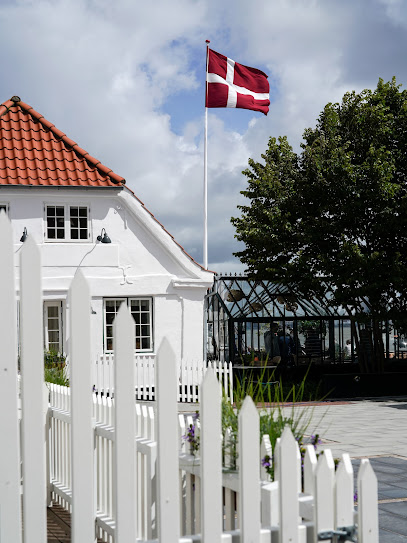
Unmissable attractions to see

Mandø Museum
0.5 km
Step into a 19th‑century skipper’s home on tiny Mandø and discover how generations of islanders shaped their lives around tides, seafaring and the Wadden Sea.
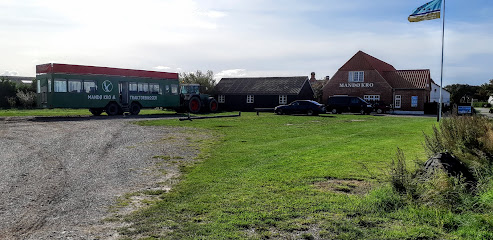
Mandø Centret
0.5 km
A historic Danish Baroque castle in Tønder, seamlessly blending royal heritage, elegant gardens, and modern-day royal presence near the Danish-German border.
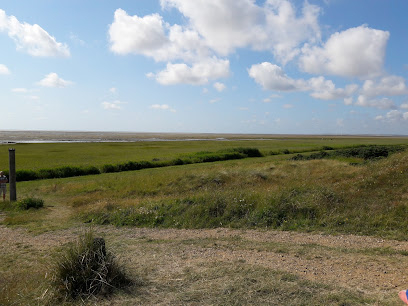
stormflodssøjlen mandø
0.5 km
A solitary wooden column in Mandø’s dunes quietly records centuries of dramatic storm surges, turning a peaceful Wadden Sea shoreline into a vivid lesson in the sea’s power.

Wadden Sea National Park
4.9 km
Walk on the seabed, witness the Black Sun, and experience Earth's most vital tidal ecosystem.
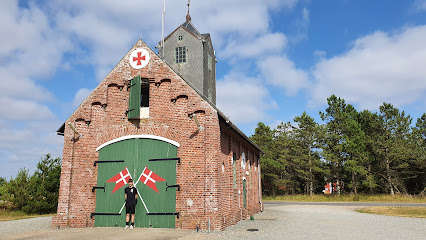
Rasteplads
8.4 km
A wind-swept rest stop at the start of the Mandø causeway, where big skies, shifting tides and the Wadden Sea’s open horizon define the experience.

Vadehavscentret
8.5 km
Award-winning reed-clad gateway to the Wadden Sea, blending sculptural architecture, immersive exhibitions and guided nature tours in Denmark’s great tidal landscape.
Stormflodssøjlen, Sønderho
8.7 km
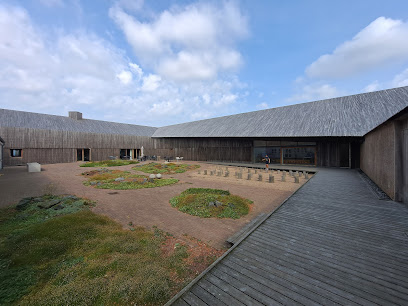
A slender harbor-side column that quietly records Sønderho’s greatest storm surges, turning Fanø’s gentle Wadden Sea horizon into a vivid story of water and wind.

Detrigonometriskestation
8.8 km
A quiet dune top on Fanø where 19th‑century surveyors fixed their instruments, this modest trigonometrical station now offers big skies, wind, and quiet reflection.
Hannes Hus
8.8 km
Step into a perfectly preserved Fanø skipper’s widow’s cottage and experience everyday island life from the age when sailing ships shaped Sønderho’s world.
Fanø Kunstmuseum
8.9 km
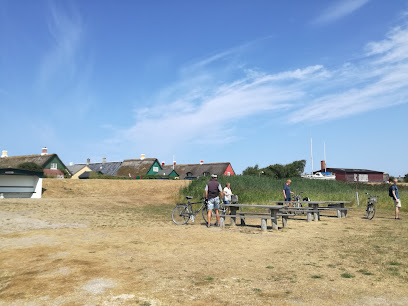
Intimate island art museum in an old merchant’s house, celebrating Fanø’s luminous Wadden Sea light and a century of coastal-inspired painting.
Fanø Free Folk Festival
8.9 km
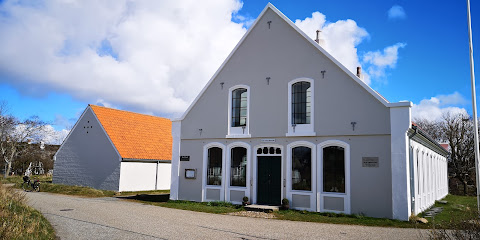
Intimate North Sea festival where experimental folk, improvised sounds and village life meet among dunes, thatched houses and long Nordic summer evenings.
Sønderho Mølle
9.7 km
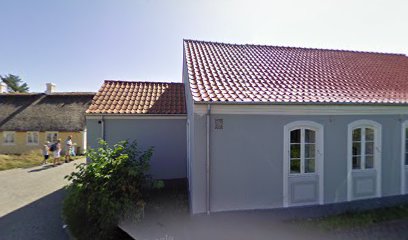
Wind, flour and island history meet in this beautifully restored 1895 gallery Dutch windmill above the village of Sønderho on Fanø.
Vester Vedsted Vingård
9.8 km
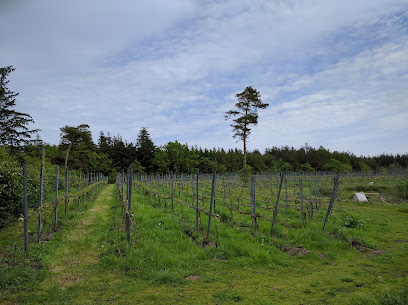
A cosy Danish vineyard near Ribe where vines, a distillery, a microbrewery and an intimate restaurant come together amid big skies and quiet countryside.
Seal Bank Walk Meeting Point
9.9 km
A windswept beach meeting point at Sønderho, where guided low-tide walks lead across the Wadden Sea seabed to Galgerevet’s thriving seal bank.

Mosedalsbjerg
9.9 km
A breathtaking linden-lined street in Møgeltønder, Slotsgaden charms visitors with its historic thatched cottages and scenic path to Schackenborg Castle.

Essential places to dine

Mandø Kro I/S
0.2 km
Atmospheric village inn on the tidal island of Mandø, pairing classic Danish comfort food with simple rooms and vast Wadden Sea horizons outside the door.

Mandøpigen: Cafe, Turbåd & Lejligheder
0.4 km
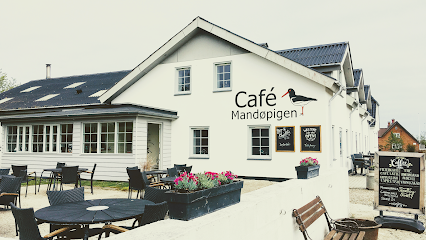
Cosy barn‑café and light holiday apartments in the heart of Mandø, serving Wadden Sea flavours just below the dunes of this tide‑shaped island.
KlitHus Mandø
0.5 km
Cozy island inn, café and restaurant at the heart of Mandø, pairing simple coastal rooms and home‑style Danish cooking with the wild drama of the Wadden Sea.
Sønderho Kro
8.8 km
Historic 18th‑century inn on Fanø where thatched-roof charm, gourmet Danish cuisine and Wadden Sea landscapes come together in the heart of Sønderho.
Restaurant/Café Fajancen
8.8 km
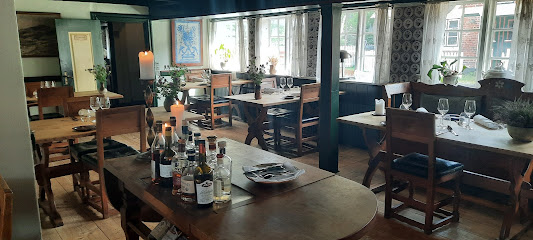
Cosy family-run bistro in historic Sønderho, serving Danish–French classics made from local Fanø and Danish ingredients in warmly lit, intimate village-house surroundings.
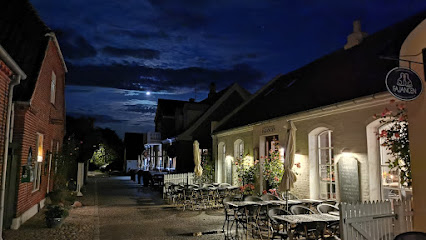
Cafe Nanas Stue
8.9 km
Historic thatched café in Sønderho blending Fanø comfort food, Dutch tile art and intimate music evenings in one atmospheric village living room.
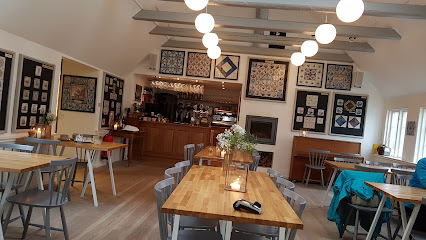
Tre Søstre
9.1 km
A cosy island café in Sønderho serving good coffee, simple local bites and creamy ice cream, perfect for a slow midday pause on windswept Fanø.

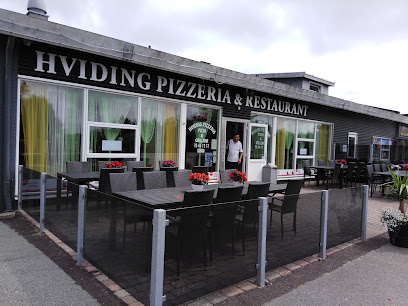
Hviding Pizzeria og Restaurant
12.1 km
Roadside pizzeria and grill in Hviding serving generous pizzas and simple comfort food to locals and travellers between Ribe, Esbjerg and the southern border.
Asia kitchen(Sushi , Wok, Buffet)
14.9 km
Casual sushi, wok and buffet dining at Lakolk Butikscenter, pairing Asian comfort food with the windswept dunes and wide beaches of Rømø’s North Sea coast.
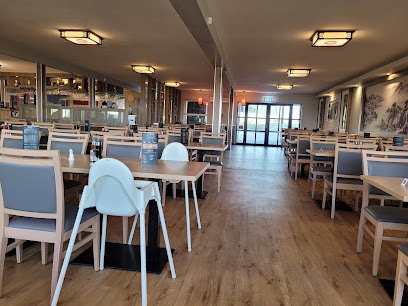
Café Fru Dax
14.9 km
Lively beachside café at Lakolk on Rømø, famed for towering soft ice, generous café dishes and an easygoing seaside atmosphere steps from the wide sandy shore.
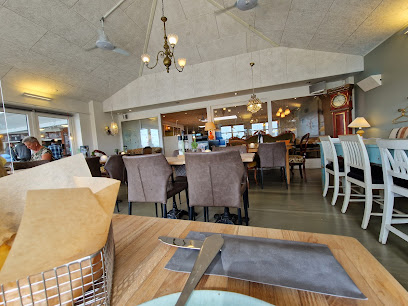
Café Hr. Dax
14.9 km
Casual seaside café-restaurant in Lakolk Butikscenter, serving hearty comfort food and sweet treats just behind Rømø’s vast, windswept Lakolk Beach.
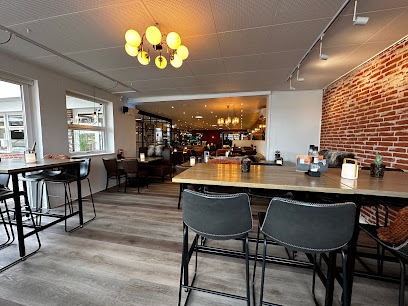
Cafeteria Lakolk
15.0 km
Straightforward seaside canteen in Lakolk Butikscenter, serving hearty beach-holiday favourites just a short walk from Rømø’s famously wide, wind-swept sands.
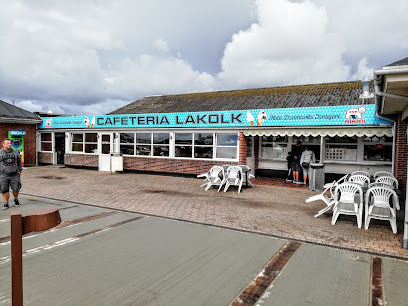
Rømø Pizza & Pasta Restaurant
15.0 km
Casual Italian-style pizzas and pastas in the heart of Lakolk Butikscenter, ideal for hungry beachgoers and holiday families on windswept Rømø.
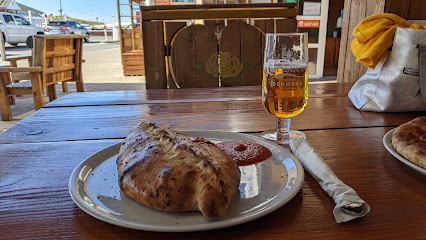
Roland Imbiss
15.0 km
Beachside grill at Lakolk Strand serving hearty, no-fuss takeaway to sandy, windblown Rømø beachgoers a few steps from the roaring North Sea.
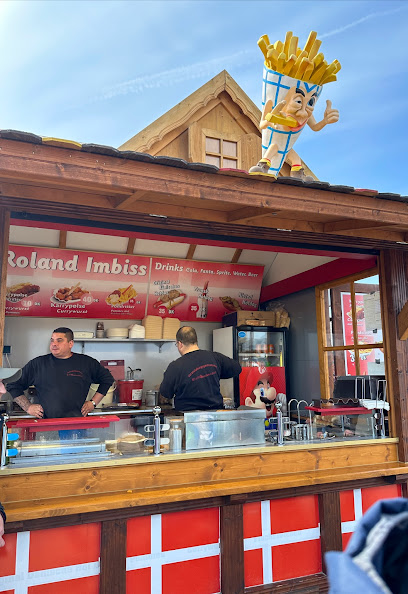
Restaurant und Cafe
15.0 km
Relaxed on‑site café at Ribe VikingeCenter, pairing simple Scandinavian comfort food with a front‑row seat on Denmark’s most atmospheric Viking open‑air museum.
Markets, malls and hidden boutiques

Silken
8.9 km
Intimate silk atelier and boutique on Fanø, where decades of craftsmanship turn Asian fabrics into timeless, island-made garments in a calm, gallery-like setting.
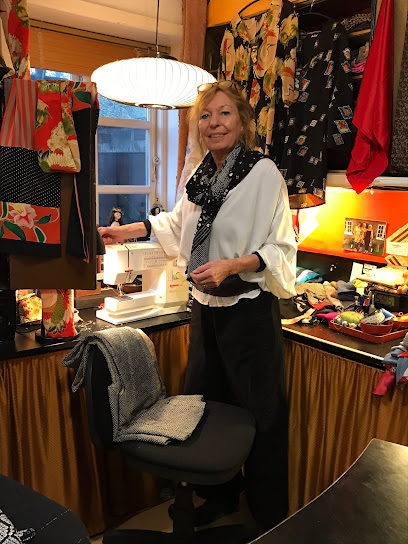
Sønderho Gårdbutik
10.1 km
Authentic Fanø farm shop with organic Highland beef, free-range eggs and carefully selected local specialties at the gateway to the village of Sønderho.
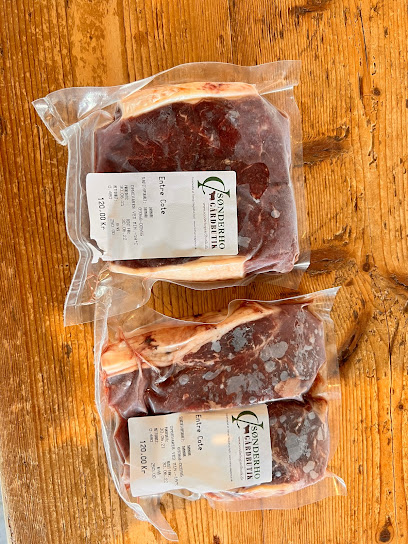
Rejsby Antique & Furniture
11.7 km
Medieval to modern treasures in a rural Danish village antique haven.
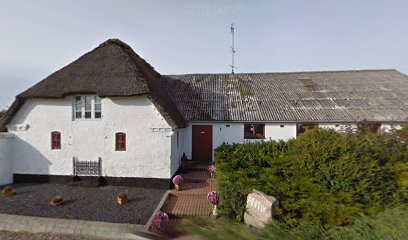
Ravns Pyntegrønt v/Anna Marie Ravn
11.8 km
Authentic Danish decorative greenery and seasonal botanicals in rural Ribe.
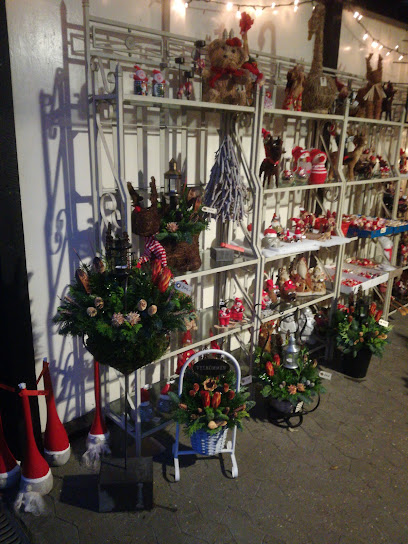
Den-Gamle-Gaard
13.0 km
A characterful farmhouse antique store near Skærbæk, brimming with Danish teak, vintage furniture and curios that turn browsing into a relaxed rural treasure hunt.
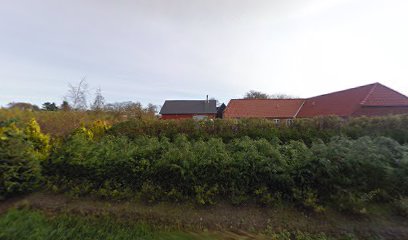
Rømø Lys
14.9 km
Handcrafted candles, Danish design and gourmet gift baskets in a cosy Lakolk shop, just steps from Rømø’s vast North Sea beach.
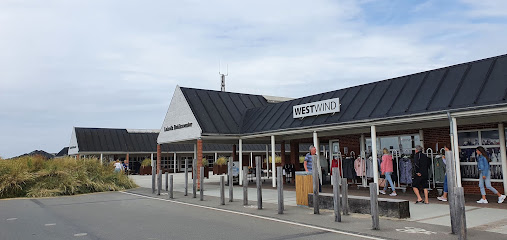
By Vicky
14.9 km
Contemporary women's fashion and footwear on Denmark's island of Rømø, with 16+ years of style expertise.
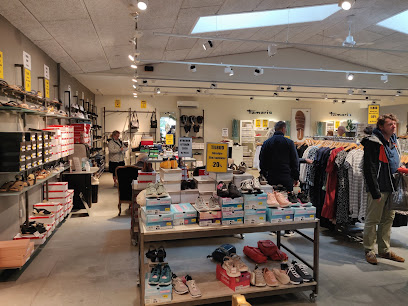
Metropolis Drachen
14.9 km
Specialist kite shop in Lakolk Butikscenter, where Rømø’s steady North Sea winds, colourful kites and practical advice meet just behind the island’s vast beach.
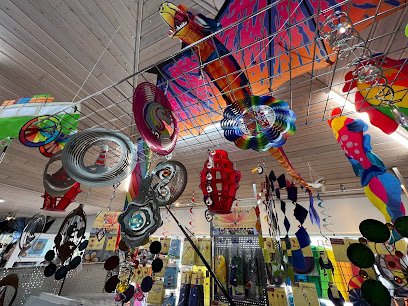
Westwind Lakolk
14.9 km
Premium outdoor apparel and gear steps from Denmark's widest beach on windswept Rømø island.
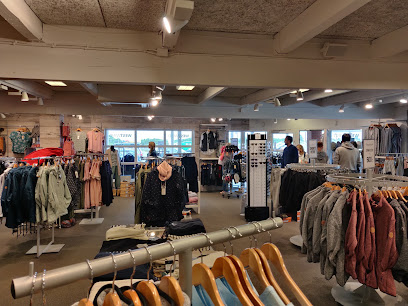
Ny Form Rømø
14.9 km
Affordable sportswear and outdoor gear at the birthplace of Ny Form, perfectly tuned to Rømø’s wind, sand and sea-focused holiday life.
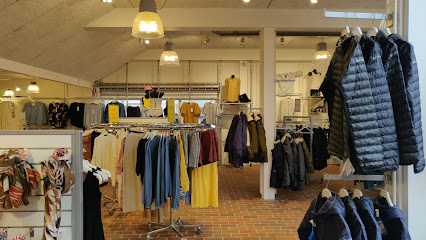
Rømø Bolsjeri og Ishus
14.9 km
Cheerful seaside sweet shop and ice-cream house where traditional Danish boiled candy and generous cones meet Rømø’s windswept beach holiday vibe.
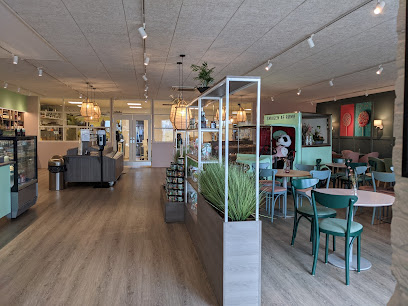
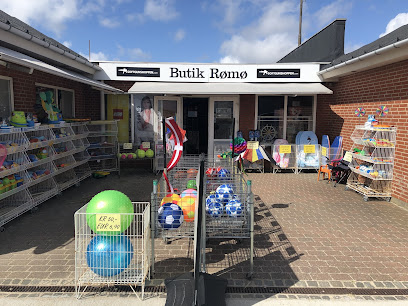
Butik Rømø
14.9 km
Toys, airsoft gear, and kites in charming Lakolk Butikscenter near the beach.
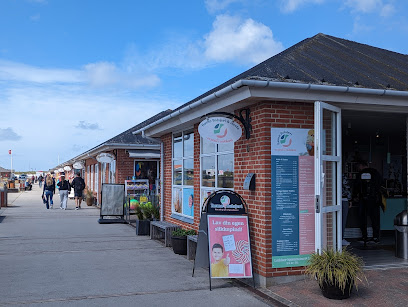
Lakolk Butikscenter
14.9 km
Laid-back coastal shopping, cafés and beach essentials at the sandy heart of Rømø, just a short stroll from the sweeping drive-on shores of Lakolk Beach.
Elisabeth v/Arie Levi
14.9 km
Handcrafted leather and travel goods in Rømø's coastal shopping heart, steps from Denmark's widest beach.
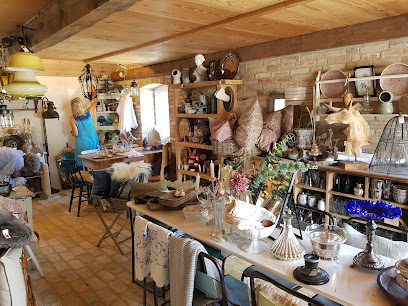
Cafe Hattesgaard
14.9 km
Atmospheric café-meets-antique emporium set in a historic farmhouse on Rømø, known for legendary cakes, local hospitality, and one-of-a-kind vintage finds.
Essential bars & hidden hideouts

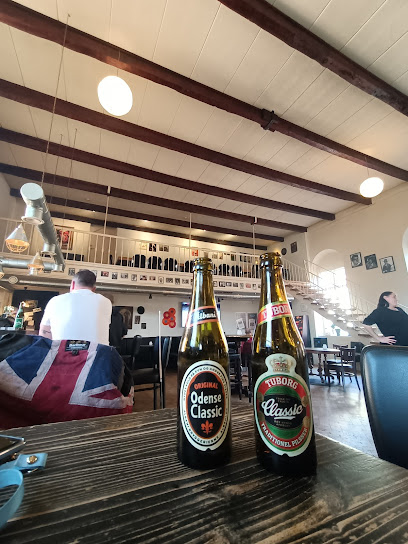
Klubben 1811
15.2 km
Casual, spacious bar in Ribe’s old town, mixing sports, pool and cold beer in a bright, easygoing setting just steps from the city’s medieval streets.
Termansens
15.2 km
Intimate jazz and live music in a centuries-old townhouse, where Ribe’s historic charm meets cozy, small-scale culture house vibes after dark.
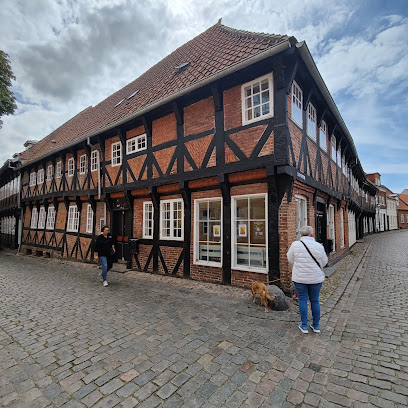
Stenbohus
15.3 km
Cosy, timeworn bar in the heart of Ribe, blending historic surroundings with easygoing drinks, local character and relaxed late‑night atmosphere.
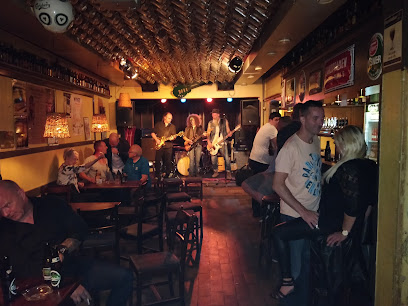
Strygejernet
15.3 km
Intimate corner pub in Ribe’s old town, pairing rustic coziness, smoke-free comfort and friendly bar life with simple drinks, games and unhurried evenings.
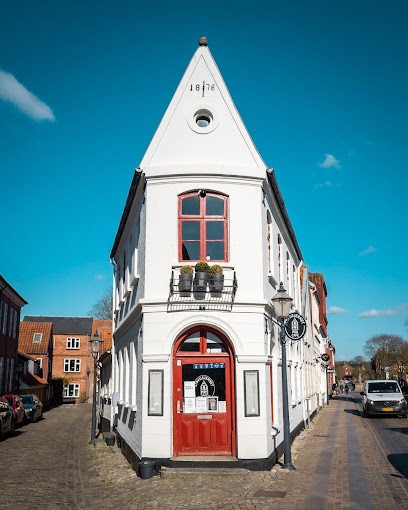
Café Valdemar
15.6 km
A compact late‑night bar and disco in the heart of historic Ribe, blending casual drinks, chart‑driven beats and a friendly weekend crowd on Sct Nicolaj Gade.
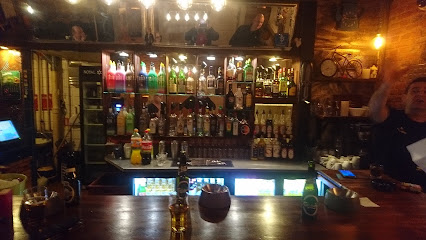
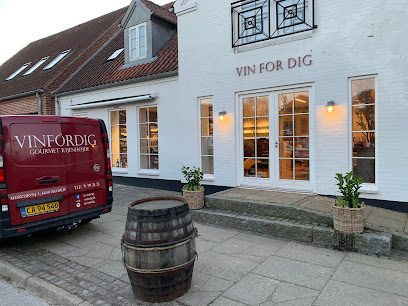
Vin For Dig Ribe
15.6 km
Cosy neighbourhood wine shop and intimate vinbar in Ribe, pairing curated bottles with generous takeaway tapas and relaxed Danish hygge.
Grosmann's
18.6 km
Small-town Danish hygge in a tiny cocktail bar on Kirkegade, where classic drinks, warm lighting and everyday village life meet in laid-back South Jutland style.
Kabyssen
18.8 km
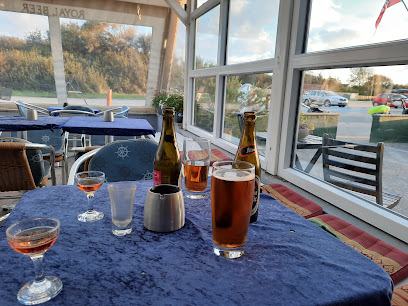
Fanø's cherished community bar serving authentic Danish island hospitality with live music and genuine warmth.
Mødestedet
19.8 km
Cozy wine bar on Skærbæk’s main street, where locals and visitors share unhurried glasses of wine, simple snacks and relaxed conversation from day to evening.
Bodega Pubs v/ Kim
19.9 km
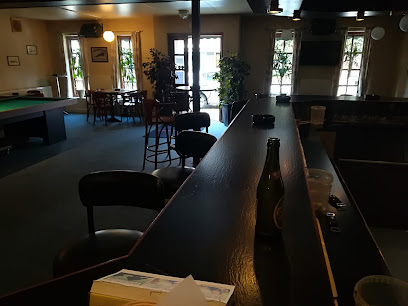
Cozy local bodega in Skærbæk serving cold beer, simple drinks, and laid-back Danish bar culture in a friendly, down-to-earth neighborhood setting.
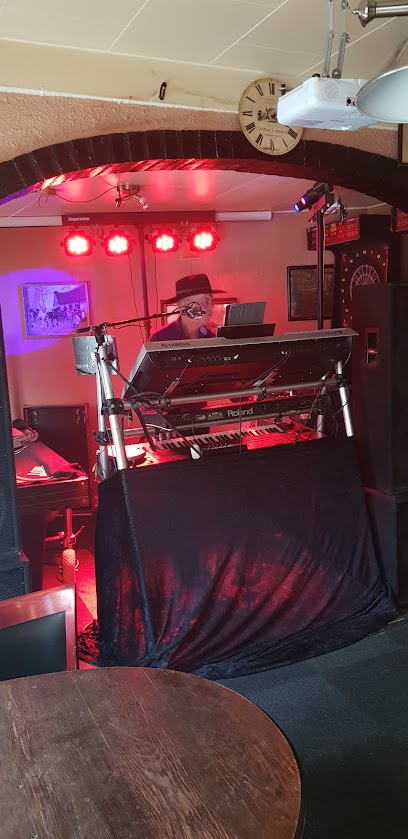
Hjørnekroen
20.7 km
Cosy corner bar in Nordby where Fanø’s island life, live music nights and classic Danish bodega charm come together over draught beer and easy conversation.
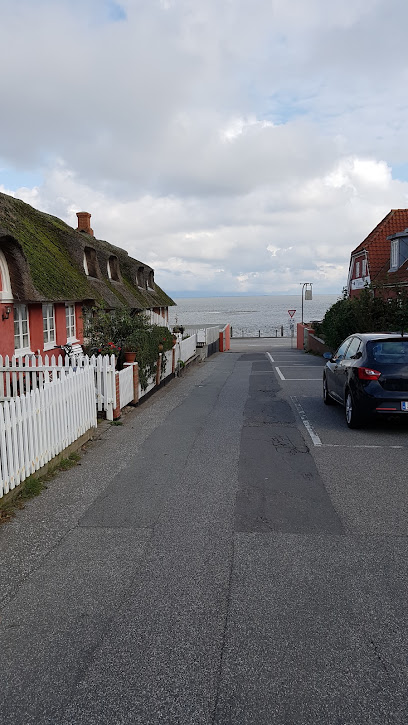
Dokken City Beach
21.3 km
A pocket of sand, deckchairs and drinks on Esbjerg Harbour, Dokken City Beach turns the working waterfront into a relaxed urban seaside escape.
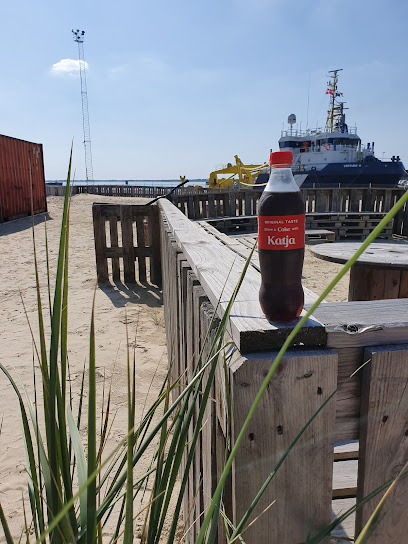
Enjoy Resorts Rømø
21.5 km
Modern spa and golf resort blending Scandinavian design, wellness experiences, and family-friendly leisure at the heart of Rømø’s nature-rich island landscape.
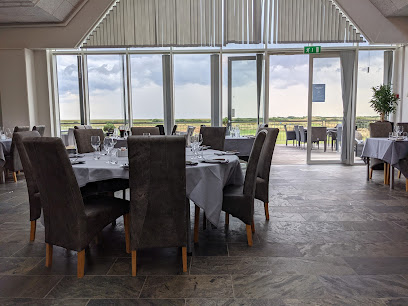
Dowdi Pub Bar
21.5 km
Old-school brown pub in central Esbjerg with inexpensive beers, wood‑panelled charm and a relaxed, local crowd from daytime regulars to late‑night lingerers.
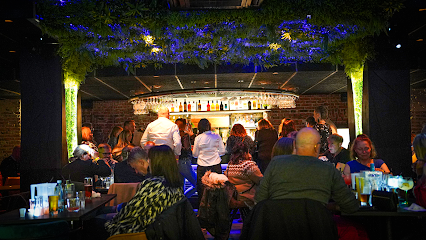
SoHo - Bar & Cocktails
21.5 km
Adults-focused cocktail bar tucked inside Esbjerg Street Food’s old theatre hall, pairing crafted drinks, modern design and a lively, central city atmosphere.
For the vibe & atmosphere seeker
- Scenic
- Tranquil
- Unique
- Relaxing
For the design and aesthetic lover
- Rustic Designs
For the architecture buff
- Historic
- Landmarks
- Viewpoints
For the view chaser and sunset hunter
- Iconic Views
- Panoramas
- Sunset Spots
For the social media creator & influencer
- Photo Spots
- Architectural Shots
- Instagrammable
For the eco-conscious traveler
- Low Impact
- Protected Area
- Nature Reserve
- Public-Transport Accessible
- Leave-No-Trace Critical
- Wildlife Habitat
For the kind of experience you’re after
- Cultural Heritage
- Photowalk
- Adventure Photo Shoot
- Nature Escape
- Day Trip
- Roadtrip Stop
For how adventurous you want the journey to be
- Easy Access
- Seasonal Only
Location Audience
- Family Friendly
- Senior Friendly
- Child Friendly
- Teen Friendly
- Solo Friendly
- Couple Friendly
- Solo Female Friendly
- Vegetarian Friendly
- Vegan Friendly


