Dragør Harbour (Dragør Havn)
Atmospheric historic harbour on the Øresund, where yellow houses, working boats and a century‑old sea fort tell the seafaring story of Dragør.
Dragør Harbour is the atmospheric heart of one of Denmark’s best‑preserved historic seafaring towns, set on the Øresund coast just south of Copenhagen. Once a royal “King’s Harbour” and major herring market, it grew into one of the country’s busiest sailing ports, with shipowners, pilots and fishermen packed into yellow‑washed houses around the quays. Today the harbour blends old warehouses, pilot buildings and a World War I sea fort with wooden fishing boats, yachts, small museums and waterfront cafés, all framed by big skies and views towards the Øresund Bridge.
A brief summary to Dragør havn
- Vestgrønningen 4, Dragør, 2791, DK
- Click to display
- Duration: 1 to 4 hours
- Free
-
 Outdoor
- Mobile reception: 5 out of 5

Know before you go
Hi, I'm Eve. Here are a few practical things to know before exploring Dragør havn.
- Bring a windproof layer, even in summer; the open Øresund makes the piers and fort noticeably breezier and cooler than inland streets.
- Aim for early morning or late evening light to photograph the yellow houses and boats; the low sun creates especially warm tones and soft shadows.
- Allow extra time to wander into the old town lanes directly behind the harbour, where the cobblestones and flower‑lined alleys complete the experience.
- Check opening times for the small museums on the harbour if you want interior visits; many keep limited hours outside the main summer season.
- If you’re sensitive to uneven surfaces, wear sturdy shoes; the cobbles, piers and fort ramparts can be slippery when wet.
Do you manage this location?
Take control to get all the benefits, like improved information, better appearance, and stronger visibility across AI-powered discovery. Learn more
Activate your presenceOther nearby places you may find interesting

Getting There
-
Bus from central Copenhagen
From Copenhagen’s central area, take an A‑bus or S‑bus such as line 250S or 350S towards Dragør and ride to the Dragør Skole stop near Vestgrønningen; the journey typically takes 35–50 minutes depending on traffic. Buses usually run at least every 15–20 minutes in the daytime, with reduced frequency in the evening. A single adult ticket within the Copenhagen zone system costs roughly 24–36 DKK depending on distance and ticket type, and buses are low‑floor, making this the easiest option for most visitors.
-
Bike from Copenhagen city centre
Confident cyclists can follow signposted cycle routes across Amager from central Copenhagen to Dragør, passing through flat suburban and coastal landscapes; expect around 60–80 minutes of cycling one way at a moderate pace. The terrain is almost entirely level but can feel exposed in windy weather, so bring layers and water. City bikes and rentals are widely available in Copenhagen, with daily hire commonly in the range of 100–200 DKK depending on the bike.
-
Taxi or rideshare from Copenhagen or the airport
A taxi from the city centre to Dragør Harbour usually takes 25–35 minutes in normal traffic, while from Copenhagen Airport the ride is often 10–15 minutes. Fares from central Copenhagen are typically in the region of 250–400 DKK depending on time of day and route, and from the airport usually 150–250 DKK. Taxis provide door‑to‑harbour convenience and are practical if you’re travelling with luggage or in poor weather, though costs rise at night and on weekends.
For the on-the-go comforts that matter to you
-
 Restrooms
-
 Drink Options
-
 Drinking Water
-
 Food Options
-
 Seating Areas
-
 Sheltered Areas
-
 Trash Bins
-
 Information Boards
-
 Visitor Center
Discover more about Dragør havn
A historic gateway on the Øresund
Dragør Harbour sits where the low island of Amager meets the busy Øresund Strait, and for centuries this sheltered inlet was far more than a pretty backdrop. From the late Middle Ages, when vast herring shoals drew merchants from across the Baltic, Dragør developed as a royal “King’s Harbour” and trading place. Market stalls, salting sheds and simple jetties lined the shore, and the town’s fortunes rose and fell with the catch.By the 18th and 19th centuries the harbour had become one of Denmark’s leading sailing ports, second only to Copenhagen in tonnage at times. Tall‑masted ships bound for the Baltic, the North Sea and beyond were owned and crewed by local skippers, giving Dragør its reputation as a classic “skipper town” where almost every street was tied to life at sea.Quays, pilot towers and working boats
Walking the quays today, you move through a compact open‑air archive of maritime buildings and equipment. On the water, traditional fishing vessels and modern yachts share the basins, their masts reflecting in the often‑calm surface of the sound. Along the north and south piers you can still find warehouses, old sheds and the former port office that once stored rope, tar and salted fish.Dragør has hosted an organized pilot service since the 1600s, guiding ships through the shallow, shifting channels of the Øresund. The old pilot station and tower on the harbour edge recall this role, with views out to the shipping lanes that made the town prosperous. Even today a pilot station operates here, and seeing pilot boats manoeuvre alongside large vessels is part of the harbour’s daily theatre.Harbour houses and cobbled backstreets
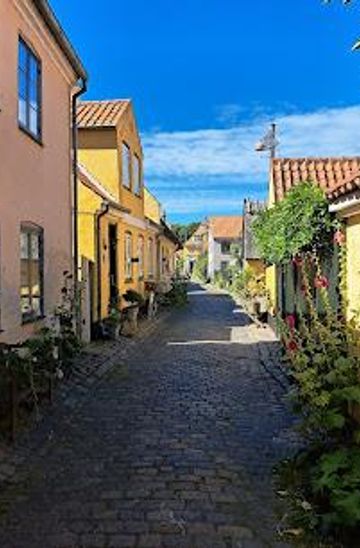
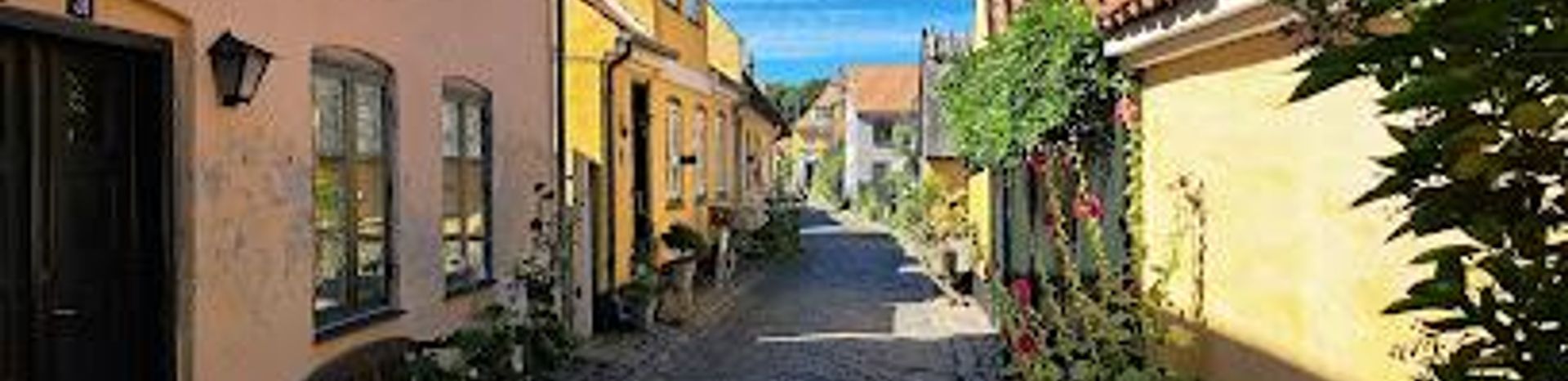
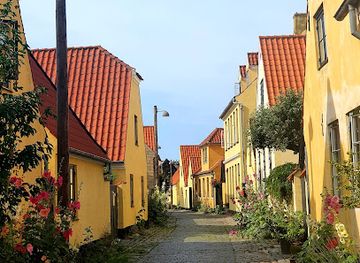
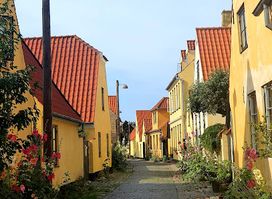
Just a few steps from the water, narrow lanes of yellow‑washed houses with red tiled roofs form Dragør’s remarkably intact old town. Many of these low buildings date from the late 1700s and 1800s, when shipowners, captains and craftsmen built tightly clustered homes to stay close to their vessels. The street plan feels almost like a maze, with cobblestones underfoot and hollyhocks and roses leaning over garden walls in summer.Several of the harbour‑front houses now host small museums dedicated to seafaring, piloting and local art, yet their domestic scale preserves the impression of a living village rather than a set‑piece attraction. From the quays you can look back at this dense roofscape and sense how deeply the settlement is knitted to the water.Fortifications and views over the sound
To the south, on an artificial island just off the coast, Dragør Fort adds a very different layer to the harbour’s story. Built in the early 1900s as part of the Copenhagen Sea Fortress, its concrete gun emplacements and tunnels were intended to control access to the capital through the Øresund. Today the fort functions peacefully, with grassy ramparts that offer sweeping views across the town, the sea and the distant arc of the Øresund Bridge.From the outer moles and rocky breakwaters, you can watch ferries, cargo ships and pleasure craft carve lines through the strait. On clear days the horizon feels wide and open, while in winter low clouds and wind give the harbour a more dramatic, pared‑back character that still suits its working roots.Everyday harbour life and seasonal moods
Despite its long history, Dragør Harbour remains very much in use. A handful of professional fishermen still operate from small boats, landing their catch close to simple shacks where nets can be seen drying in the wind. Local yacht clubs and sea‑sports groups launch dinghies and kayaks from slips, and in settled weather the basins fill with visiting pleasure boats.Alongside these activities, waterfront cafés, ice‑cream stalls and restaurants bring an easygoing rhythm in the warmer months, when outdoor seating looks straight out over the masts. In colder seasons the harbour is quieter but no less atmospheric, with crisp air, calls of seabirds and the creak of moorings providing a more contemplative experience.A living link to Denmark’s maritime heritage
Dragør Harbour, together with the old town behind it, is recognized as one of Denmark’s most complete historic maritime environments. Beneath the cobbles and current buildings lie layers of medieval settlement, while the preserved 18th‑ and 19th‑century layout still makes sense in terms of wind, tide and trade.For visitors, the appeal lies in this blend of continuity and everyday life. You can trace the arc from medieval fish markets and royal pilotage to modern leisure sailing and coastal walks without leaving the waterfront. The result is a small harbour that manages to feel both like a cherished heritage site and a place where ships still matter and the sea is always present.Explore the best of what Dragør havn has to offer













More about North Zealand
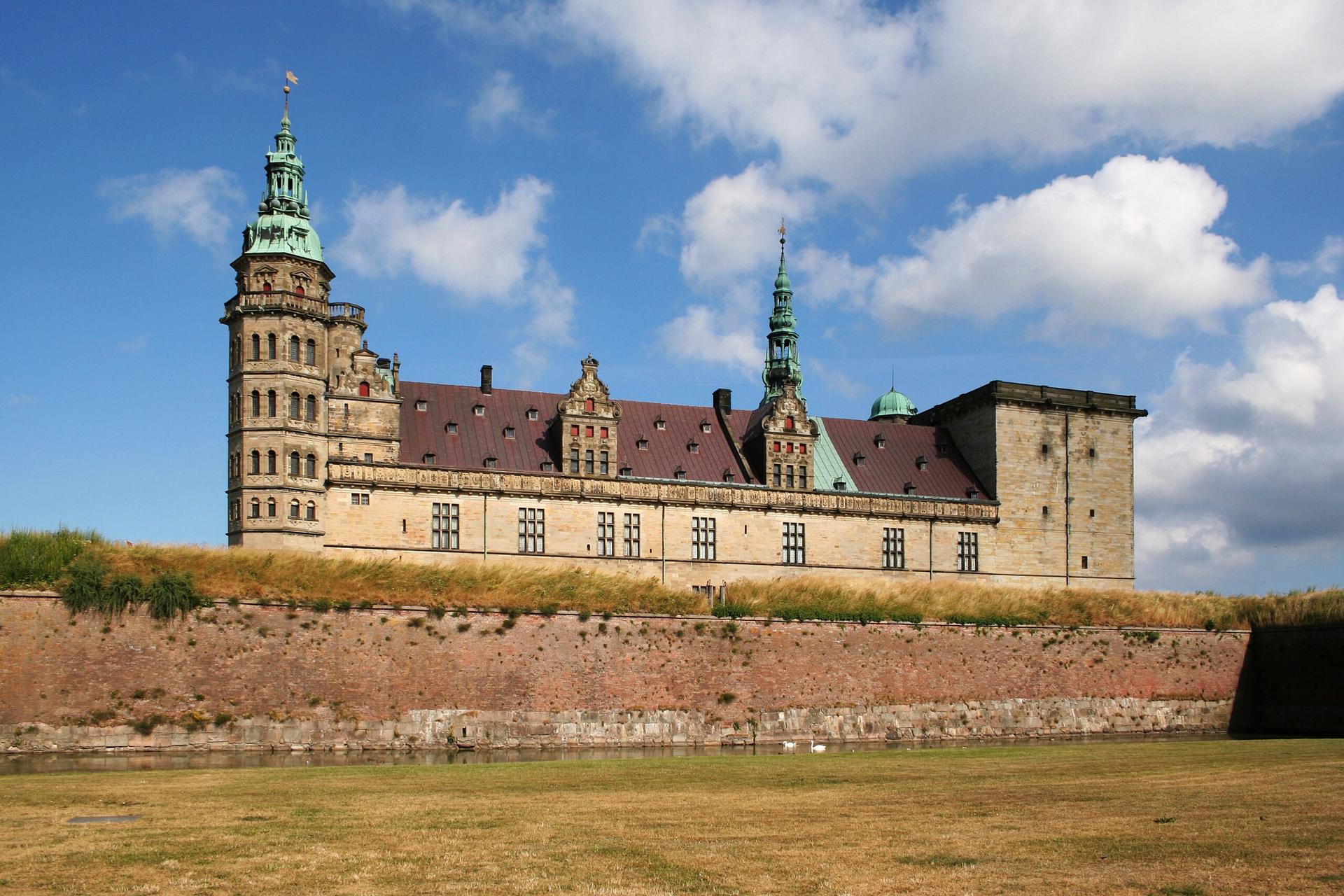
Explore North Zealand, Denmark's enchanting region of castles, beaches, and royal estates, perfect for history buffs, nature enthusiasts, and seaside lovers.
Tell me more about North Zealand
Scandinavia-scale shopping, dining and entertainment under one sleek roof in Copenhagen’s modern Ørestad district, from fashion and design to cinema, trampolines and a vast hypermarket.
Copenhagen’s all‑in‑one island: wild grasslands, long sandy beaches, bold architecture and easygoing waterfront life, all just minutes from the historic city centre.