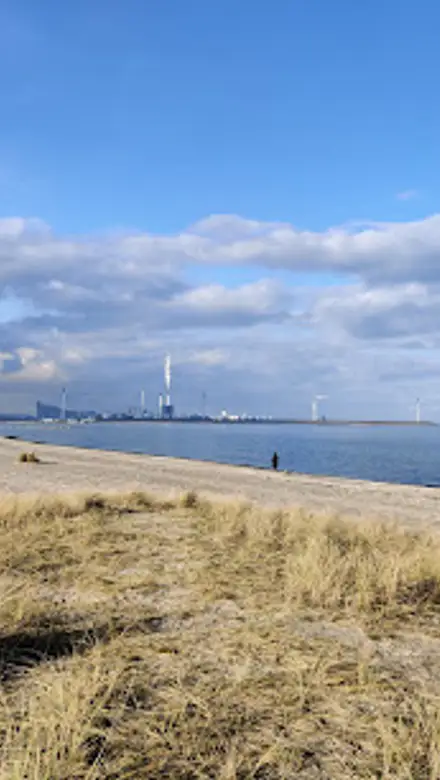
Amager Beachpark Travel Guide
Free Guide: Copenhagen's 4.6 km urban beach with lagoons, artificial island, and Øresund Bridge views.


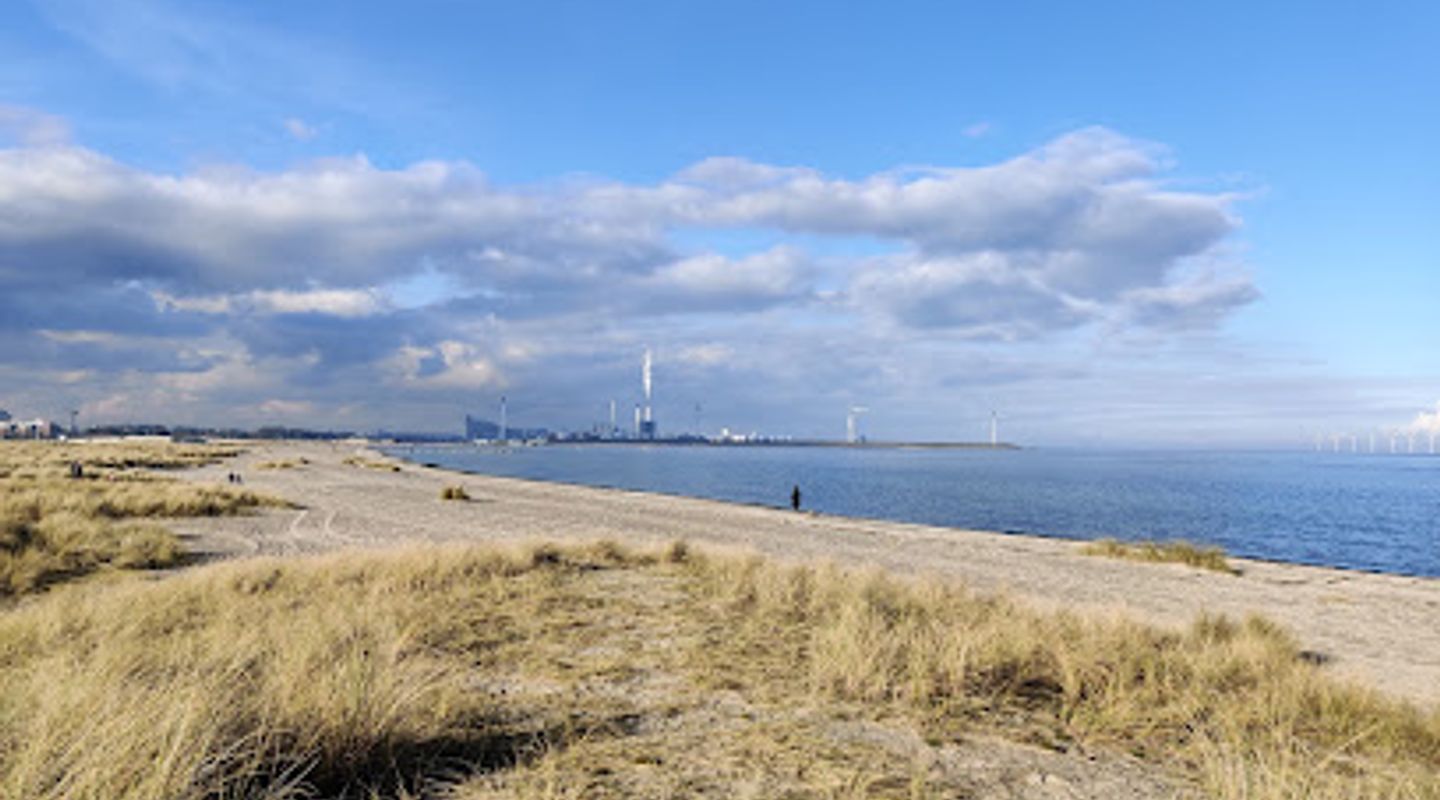
A brief summary of Amager Beachpark
Copenhagen's 4.6 km urban beach with lagoons, artificial island, and Øresund Bridge views.
Copenhagen's largest urban beach park stretches 4.6 km across the island of Amager, featuring both natural sandy beaches with dunes and a modern city beach with a distinctive artificial island. Created in 1934 and expanded in 2005, the park offers calm lagoons perfect for swimming, a vibrant promenade, and spectacular views of the Øresund Bridge and Middelgrunden wind farm. Just 5 km from the city centre and easily accessible by metro or bicycle, it's a year-round destination for water sports, outdoor fitness, cultural events, and relaxation.
On-site amenities
 Restrooms
 Drink options
 Drinking water
 Food options
 Seating areas
 Picnic areas
 Trash bins
 Information boards
Opening hours
- Every dayOpen 24 hours
Opening hours as listed on the venue’s Google Business Profile. Hours can change for services and special events, so check with the venue before you go.
- Address
- Amager Strand Promenaden 1, 2300 København
Getting there
Metro
Bicycle
Car
Walking
Discover more about Amager Beachpark
A Modern Urban Oasis on Copenhagen's Waterfront
Amager Strandpark stands as Copenhagen's premier seaside destination, a carefully designed urban beach park that seamlessly blends natural coastal environments with contemporary recreational infrastructure. Stretching 4.6 kilometres along the island of Amager, the park welcomes swimmers, cyclists, runners, and sun-seekers throughout the year. Its strategic location just 5 kilometres from the city centre makes it an accessible escape from urban life, yet it maintains the character of a genuine coastal retreat rather than a crowded tourist attraction.The park's distinctive geography divides it into complementary zones. The northern section preserves a natural beach environment with winding paths, broad sandy beaches, and low dunes that create intimate spaces for quiet contemplation. In contrast, the southern section embraces a contemporary city beach aesthetic, featuring a wide promenade, designated areas for ball games and picnicking, and a small marina. Between these two areas lies the park's most iconic feature: a 2-kilometre artificial island added in 2005, separated from the original beach by a lagoon crossed by three graceful bridges.
Water Activities and Recreational Opportunities
The lagoon system transforms Amager Strandpark into a playground for water enthusiasts. Shallow areas specifically designed for children provide safe swimming environments, while a 1,000-metre swimming course accommodates serious swimmers. Kayakers launch from the large kayak club at the southern end of the artificial island, where a café, equipment rentals, and a sporting goods store support the active community. Windsurfing and kitesurfing clubs operate near dedicated parking areas, with instruction available for beginners through established schools that cater to Copenhagen's growing water sports culture.Beyond water activities, the park serves runners, cyclists, and fitness enthusiasts. A grassy area at the southern end known as Femøren hosts open-air rock concerts during summer months and attracts skateboarders year-round. Outdoor fitness training spaces are distributed throughout the park, while a small headland provides access for diving. The extensive network of coastal paths accommodates everyone from casual walkers to serious cyclists.
Cultural Events and Seasonal Character
Amager Strandpark functions as a cultural venue as well as a recreational space. Throughout the year, the park hosts diverse social and cultural events that activate the landscape and draw both locals and visitors. Summer brings particular energy, with concerts, festivals, and outdoor gatherings transforming the park into a vibrant social hub. The extended daylight hours of Copenhagen's summer season—with bright evenings extending well into the night—create an ideal environment for evening promenades and sunset gatherings.The park's appeal extends across all seasons. Winter visits reveal the park's quieter character, with fewer crowds and a contemplative atmosphere enhanced by the low-angle winter light. Spring and autumn offer moderate temperatures and dramatic skies, particularly at sunset when the Copenhagen skyline silhouettes against the slowly descending sun. The Øresund's water level fluctuates irregularly based on weather conditions rather than notable tidal patterns, and winter ice problems are extremely rare, allowing year-round access.
Iconic Views and Landscape Features
From the beach, visitors encounter two remarkable visual landmarks that define the park's character. The Middelgrunden wind farm appears on the horizon, its distinctive turbines creating a striking contrast between natural seascape and renewable energy infrastructure. The Øresund Bridge, connecting Denmark and Sweden, dominates the skyline with its impressive engineering presence. These views transform the park into a landscape where contemporary infrastructure and natural beauty coexist, creating photogenic moments throughout the day and particularly at sunset.The artificial island itself represents a bold urban design intervention. Rather than obscuring its constructed nature, the park celebrates it as a unique feature that creates calm lagoons distinct from the open sea. The three bridges connecting the island to the mainland become gathering points and vantage locations, offering changing perspectives on the water and skyline.
Accessibility and Surrounding Context
The park's integration into Copenhagen's transport network makes it genuinely accessible to the broader city. Three metro stations serve different sections: Øresund station to the north, Femøren station to the south, and Amager Strand station in the middle, all on the M2 line. A 10-minute metro journey from the city centre or airport places visitors at the park's edge. Cyclists can reach the park in approximately 15 minutes from central Copenhagen via dedicated bike paths, making it a natural destination for the city's cycling culture. Parking facilities exist at the southern end, though public transport and bicycles offer more convenient and environmentally conscious access.The surrounding Amager neighbourhood reflects Copenhagen's creative evolution. Inland from the beach, former storage houses and production facilities have been converted into studios and workspaces for musicians, artists, and writers. The western part of the district showcases contemporary architecture, including TV-Byen (Denmark's equivalent to the BBC), a championship golf course, and Copenhagen's famously compact ice bar. This cultural context enriches a visit to the park, positioning it within a neighbourhood of genuine creative vitality.
Evendo Review Centre
 Google
Guest reviews
Best time to go
Quietest: Jan, Feb & Dec · before 6am or from 11pm
Busy times are Evendo estimates for a typical year, to help you plan. Actual crowds vary with events, school holidays and the weather.
Explore Amager Beachpark on the map
A handpicked selection of must-see spots near Amager Beachpark, mapped for you.
Get your free copy of our complete guide to Amager Beachpark, delivered straight to you.
Everything on this page, from opening hours and how to get there to Eve’s tips and the best time to go, in one PDF you can read offline, print or share.
Already have an account? Sign in
Your Amager Beachpark guide is ready.
We'll send it to · Not you? Sign out

Getting your guide ready…
We are putting together a fresh copy of the Amager Beachpark guide. This can take up to a minute.
This can take a few moments. If your browser asks, choose Allow so the download can start. You'll find the guide in your Downloads folder.
Nothing happened? Download it again
Sorry, the guide is taking longer than usual. Please try again in a minute, or get it by email instead.
Unlock the best of Amager Beachpark
Skip-the-line tickets, guided tours with entry, and walking tours of the area, booked in a few clicks.


Other nearby places you may find interesting
The closest places of the same kind, if this one is not quite what you had in mind.
-
-
-
-
-


Swipe for more places
More to explore near Amager Beachpark

 Best experiences near Amager Beachpark
 Best hotels near Amager Beachpark
 Best landmarks near Amager Beachpark
 Best attractions near Amager Beachpark
 Best shops near Amager Beachpark
 Best restaurants near Amager Beachpark
 Best bars near Amager Beachpark
Do you manage this location?
Take control to get all the benefits, like improved information, better appearance, and stronger visibility across AI-powered discovery.
Explore more
Explore more of Zealand
Discover the charm of Zealand, Denmark's largest island, blending vibrant city life in Copenhagen with serene coastal beauty and rich cultural heritage.
Explore Zealand
Explore more of Denmark
Discover Denmark: A perfect blend of history, modern design, and the cozy concept of hygge. Explore vibrant cities, serene landscapes, and world-class cuisine.
Explore Denmark