From Eve
Know before you go
Hi, I'm Eve. Here are a few practical things to know before exploring Arne Jacobsens Allé 12.
Local know-how to help you travel smarter and make the most of every moment.


A vast, light-filled shopping town under one roof in Copenhagen’s Ørestad district, mixing fashion, daily essentials, dining and shelter from the Danish weather.
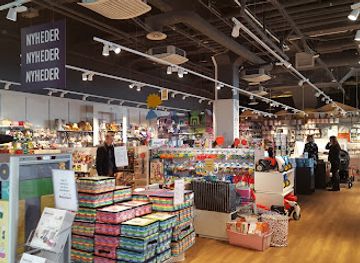
Anchoring the modern Ørestad district on Copenhagen’s island of Amager, Arne Jacobsens Allé 12 is home to Field’s, one of Scandinavia’s largest shopping centres. Behind its crisp contemporary facade lies a bright, town-like interior where fashion chains, Nordic design stores, supermarkets, cafés and casual eateries are arranged along broad, daylight-filled promenades. It is a practical stop for travelers: a place to shop, grab a meal, people-watch, or simply shelter from the city’s changeable weather, all under one vast roof.
Opening times, essentials, and a few local tips gathered into one calmer, easier-to-scan planning section.
Hi, I'm Eve. Here are a few practical things to know before exploring Arne Jacobsens Allé 12.
Local know-how to help you travel smarter and make the most of every moment.
Metro
From central Copenhagen, take the M1 metro line toward Vestamager and ride for about 10–15 minutes to Ørestad Station. Trains typically run every few minutes throughout the day, and standard single tickets within the city zones cost roughly 20–30 DKK. From the station area, it is a short, fully paved walk on level ground to the shopping centre entrance, suitable for wheelchairs and strollers in most weather conditions.
Regional Train
If you are coming from Copenhagen Airport or regional towns served by DSB trains, use a regional or Øresund train that stops at Ørestad Station. The ride from the airport takes around 5–7 minutes, with departures several times per hour, and fares usually fall in the 25–40 DKK range depending on ticket type. The station has lifts and escalators; once you arrive, follow the clearly marked indoor and covered routes that lead toward the mall complex.
City Bus
Several city bus routes serve the Ørestad area, providing an option if the metro is crowded or if you are already on Amager. Typical journey times from inner Copenhagen range from 20–35 minutes depending on traffic and route. Bus tickets cost similar to metro fares, and you can use the same travel cards. Buses stop on or near Arne Jacobsens Allé, and from the stop you will have a short, straightforward approach on wide pavements designed for easy pedestrian access.
Bicycle
From the historic center or nearby districts, cycling to Ørestad is a realistic and very local way to arrive. Depending on your starting point, expect 15–30 minutes of riding on largely flat, segregated bike lanes. The area around the building is equipped with extensive cycle infrastructure and bike parking, but be prepared for strong winds on open sections, especially in autumn and winter. There is no extra cost beyond any bike rental you arrange in the city.
 Restrooms
 Drink Options
 Drinking Water
 Food Options
 Seating Areas
 Sheltered Areas
 Trash Bins
 Information Boards
 Visitor Center
Catch the right light and the right mood, whether you want a bright city moment or a more cinematic evening visit.


Use Tower Bridge as your starting point for nearby food, family ideas, nightlife, and more local discoveries.
A quick look at seasonal patterns and peak visiting hours.

Explore expert travel guides, compare and book tours, experiences, hotels, and more—all from the palm of your hand. Download now for seamless trip planning wherever your wanderlust takes you.
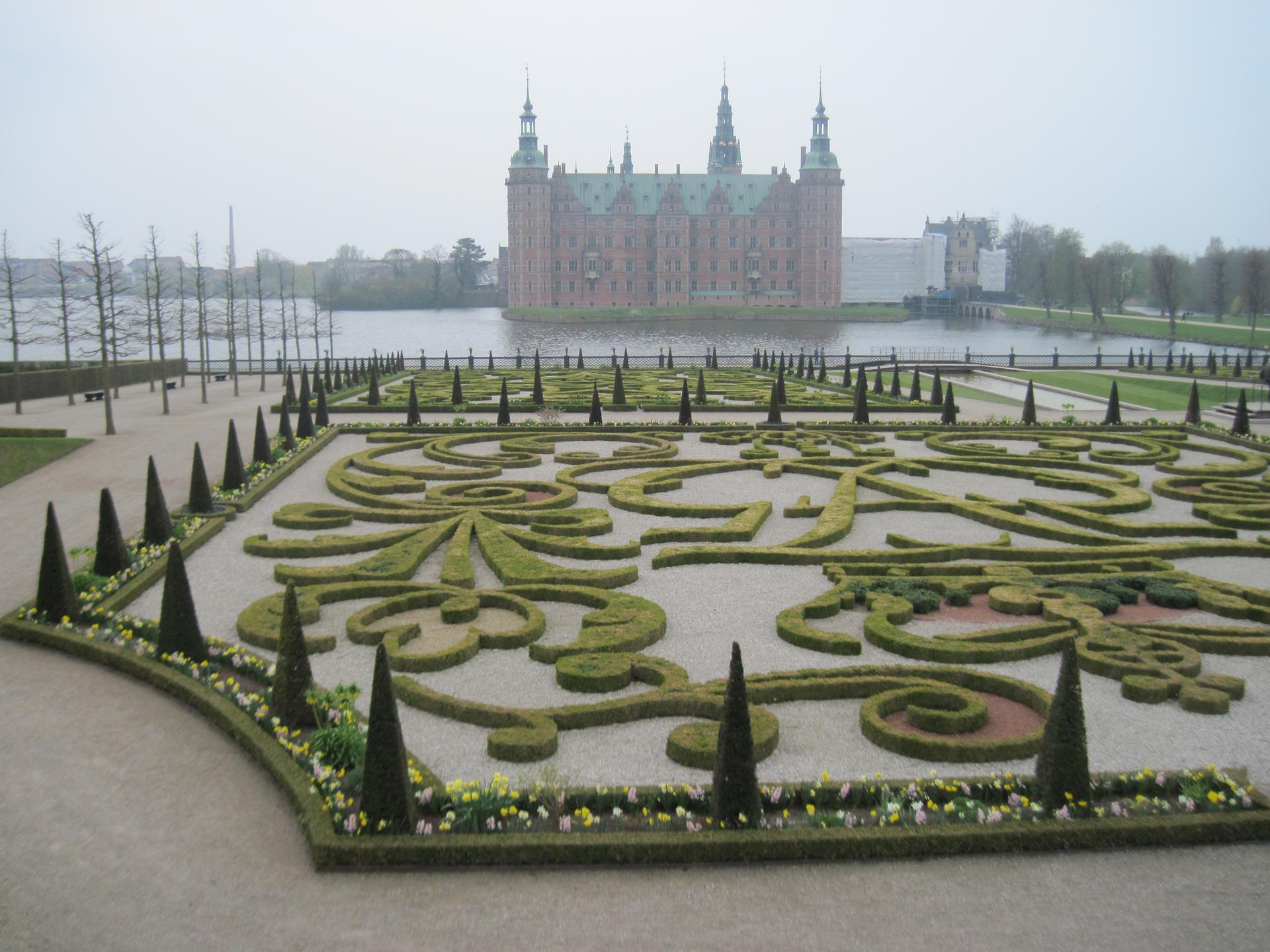
Explore Hillerød: Discover Frederiksborg Castle, vibrant town life, and scenic nature trails in Denmark's charming North Zealand region.
Tell me more about Hillerod