
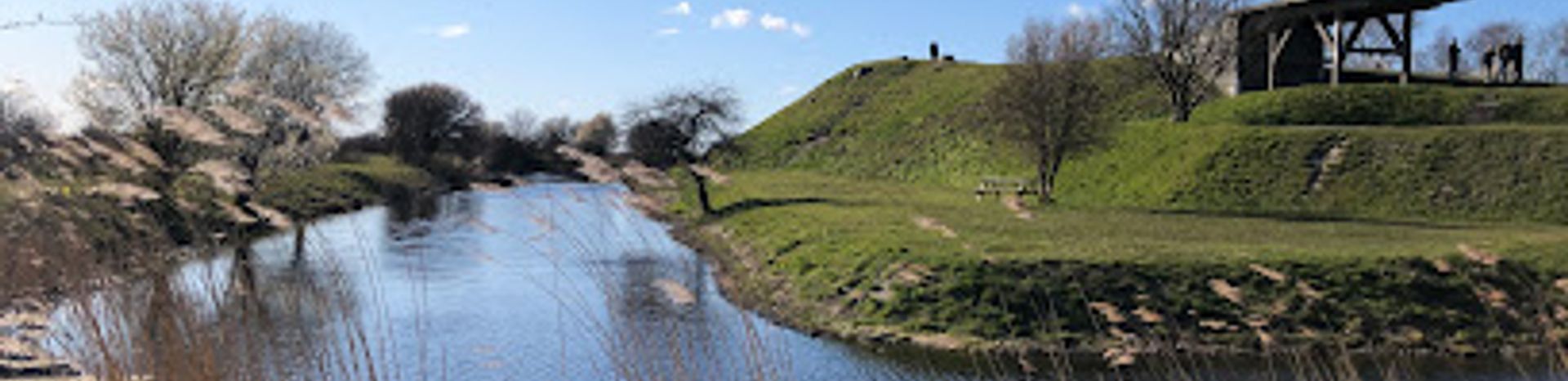
Kongelundsfortet Coastal Fortress
A First World War coastal fort turned green refuge, where concrete ramparts, bird-filled meadows and wide sea views create a relaxed slice of Copenhagen’s defence history.
Kongelundsfortet is a First World War coastal fort on the southern edge of Amager near Dragør, where military history blends with open meadows, forest and sea views. Built between 1914 and 1916 as part of Copenhagen’s sea defenses, it later served in air defence before closing in 1982 and opening to the public in 1996. Today you can wander bunkers and ramparts, climb the platforms for sweeping views over Køge Bay and the protected Kofoed meadows, and enjoy picnic tables, grills and fire shelters amid bird-rich coastal nature.
A brief summary to Kongelundsfortet
- Kalvebodvej 265, Dragør, 2791, DK
- +4520364486
- Visit website
- Duration: 1 to 3 hours
- Free
-
 Outdoor
- Mobile reception: 4 out of 5
- Monday 2 pm-10 pm
- Tuesday 2 pm-10 pm
- Wednesday 2 pm-10 pm
- Thursday 2 pm-10 pm
- Friday 2 pm-10 pm
- Saturday 7 am-10 pm
- Sunday 7 am-10 pm
Local tips
- Wear sturdy shoes; paths and embankments can be uneven, especially around former gun positions and the moat edges.
- Bring your own food and charcoal if you plan to use the picnic tables and grills, as on-site catering is not normally available.
- Allow time to climb the platforms and tower on a clear day for the best panoramic views over Køge Bay and the surrounding meadows.
- Birdwatchers should pack binoculars; the nearby protected Kofoed meadows and coastal shallows host abundant birdlife in migration seasons.
- In windy or cool weather, pack an extra layer; the exposed coastal position can feel significantly colder than in central Copenhagen.

For the on-the-go comforts that matter to you
- Restrooms
- Seating Areas
- Picnic Areas
- Trash Bins
Getting There
-
Public transport from central Copenhagen
From central Copenhagen, take the M1 or M2 metro toward the airport area and change to a southbound bus serving Kalvebodvej toward Sydvestpynten. The combined journey typically takes 45–65 minutes, with buses running at least twice an hour during the day. A standard adult ticket covering metro and bus within the city zone system costs in the range of 24–36 DKK depending on zones and ticket type. Services operate year-round, but evening and weekend frequencies can be lower, so check departure times in advance.
-
Car or taxi from Copenhagen city centre
Driving from Copenhagen city centre to Kongelundsfortet usually takes 25–40 minutes depending on traffic, following main routes across Amager toward Dragør and the southern coastline. There is typically informal roadside or area parking near the fort, but spaces are unmarked and can be limited on fine-weather weekends. A metered taxi for this distance commonly costs around 250–400 DKK one way, varying with traffic and time of day. The roads are paved and suitable for any standard vehicle.
-
Cycling from Amager or the airport area
For confident cyclists, Kongelundsfortet is reachable via cycle paths and quiet roads across southern Amager in about 30–50 minutes from areas such as Ørestad or near Copenhagen Airport. The terrain is flat but exposed to wind, and sections may pass open fields and coastal stretches with little shelter. There is no specific bike parking infrastructure at the fort, so bring a lock and secure your bicycle to suitable railings or fences. This option is free aside from any bicycle hire costs and is most comfortable in dry, mild weather.
Kongelundsfortet location weather suitability
-
 Clear Skies
-
 Mild Temperatures
-
 Windy Conditions
-
 Any Weather
-
 Cold Weather
-
 Hot Weather
Discover more about Kongelundsfortet
From Sea Fortress to Open Green Escape
Kongelundsfortet occupies a low rise on the southern tip of Amager, looking out across Køge Bay and the approach lanes to Copenhagen. Built between 1914 and 1916 as a coastal battery in the Copenhagen Sea Fortress system, it was intended to guard minefields in the bay and close access to the capital from the south. Its position still feels strategic: a slight elevation on an otherwise flat island, with broad horizons of sky, sea and salt meadows. Although guns and barbed wire are long gone, the sense of a defended coastline lingers in the layout. Grass-covered mounds conceal concrete structures, narrow passages link former gun emplacements, and a square moat outlines the heart of the fort. The military geometry now frames a surprisingly peaceful green space, surrounded by beach, scrub and farmland.Cannons, Cold War and Decommissioning
When first completed, Kongelundsfortet bristled with four heavy 29 cm howitzers, supported by smaller 75 mm and 47 mm guns, all aimed at the sailing channels leading toward Copenhagen. In the late 1930s the site was rebuilt from a one-directional coastal battery into a true all-round fort, its original howitzers replaced by naval guns with a range of more than 16 km. During the Cold War the fort changed role again, becoming part of Denmark’s air defence network in 1959. By 1982 the fort’s military importance had faded and the installation was finally closed. In 1996 Dragør Municipality took over the site, preserving key structures but allowing nature to soften the edges. Since then Kongelundsfortet has been managed as an open recreational and historical area, where relics of several defence eras can still be traced in foundations, casemates and observation posts.Walking the Ramparts and Hidden Corners
A visit today is as much about the landscape as the concrete. Paths weave around the moat, over embankments and through copses of trees, linking remnants of gun positions with lookout points. On your own responsibility you can climb the fort’s platforms and tower, gaining a surprisingly expansive view over Køge Bay, the low-lying Kofoed meadows and, in the distance, aircraft on final approach to Copenhagen Airport. Between the ramparts small details tell their own stories: rusting fittings in casemate walls, narrow embrasures cut for rangefinders, and covered positions that once protected crews from shrapnel and spray. The shapes are softened now by grasses and mosses, but the robust concrete forms still speak of an era when the seaward horizon was watched for enemy silhouettes.Nature, Birdlife and Coastal Light
Kongelundsfortet is ringed by beach meadows and protected Kofoed Enge, an important habitat for wading birds and waterfowl. The mix of wet meadows, scrub and shallow shoreline attracts a rich variety of species, especially in spring and autumn migration. Even a short circuit can bring encounters with flocks feeding in the grass, kestrels hovering above the embankments or swans and ducks scattered across the bay. The open setting makes the fort a fine place to appreciate changing coastal light. On clear days the views stretch across the bay, while windier weather brings fast-moving clouds and whitecaps. At the edges of the area, paths lead through small patches of woodland and field, offering more sheltered corners and a sense of how the fort once sat within a broader rural landscape on the outskirts of Copenhagen.Picnic Fires and Slow Afternoons
Kongelundsfortet also functions as a relaxed outing spot for half-day excursions. Around the inner grounds you will find simple facilities such as tables, benches, grills and a covered firehouse, used for campfires throughout the year. Visitors bring packed lunches to enjoy in the lee of the ramparts, then wander the paths or let children explore the grassy slopes and open spaces. Basic toilets are available in the firehouse building, and clearly placed trash cans help keep the area clean. The atmosphere is informal and unhurried: part historical monument, part local green escape. With its mix of heritage, wide skies and easy picnic infrastructure, Kongelundsfortet offers a gentle introduction to Denmark’s coastal defence story within a setting that invites you to linger.Iconic landmarks you can’t miss

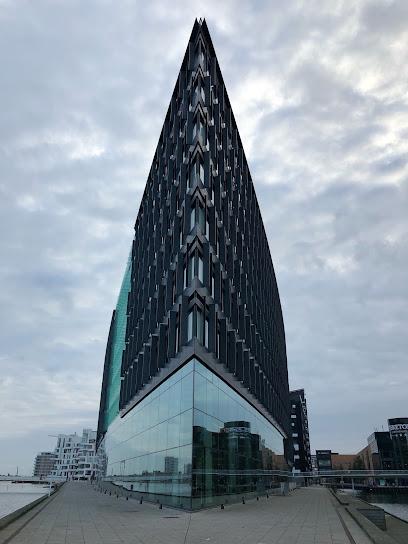
Havneholmen 33
11.1 km
Striking waterfront media headquarters in Copenhagen’s Havneholmen district, where modern Danish office architecture meets busy cycle bridges and harbour life.
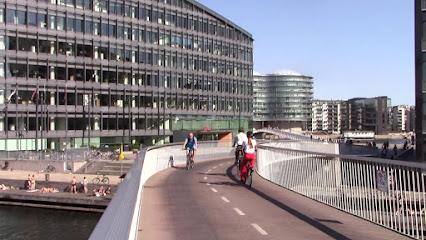
Cykelslangen
11.2 km
An elevated orange ribbon over Copenhagen’s harbor where cyclists glide above the water and visitors glimpse the city’s everyday bicycle culture in motion.
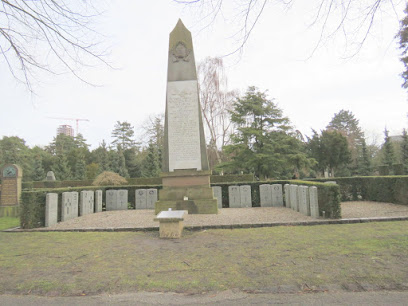
CWGC Krigsgrave, CWGC Graves
11.4 km
Scandinavia's largest cemetery: a 54-hectare landscape of history, architecture, and remembrance in Copenhagen.
Enghaveparken
11.7 km
Historic art deco park with rose gardens, community events, family-friendly spaces, and a vibrant local atmosphere at the heart of Vesterbro, Copenhagen.
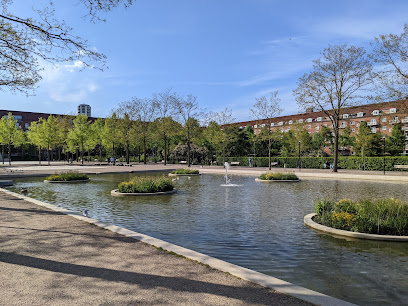
Elefantporten
11.9 km
Four monumental granite elephants carry a historic brewery tower on their backs, blending whimsy, symbolism and industrial heritage in the heart of Carlsberg Byen.
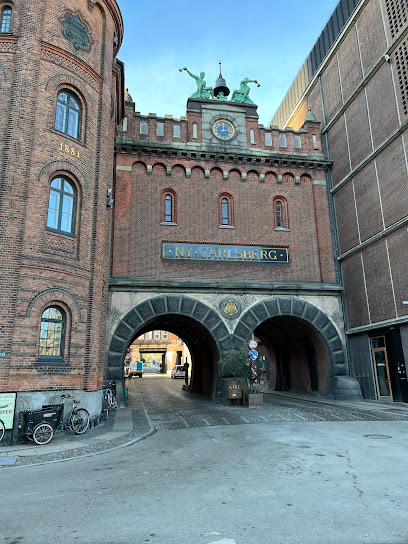
Copenhagen Central Post Building
12.1 km
A majestic neo-Baroque landmark intertwining Denmark’s postal history with Vesterbro’s vibrant urban fabric, located beside Copenhagen’s bustling central railway station.
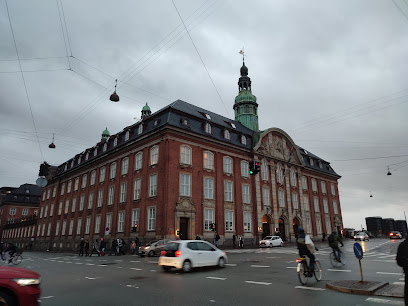
Copenhagen Central Station
12.3 km
Historic brick-and-timber rail hub at the heart of Copenhagen, combining grand architecture, everyday convenience and instant access to the city’s main sights.
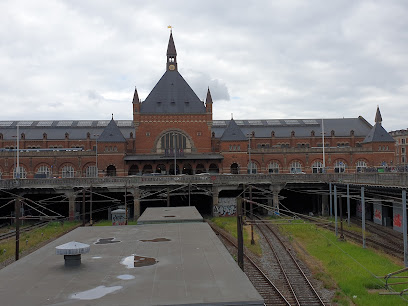
Circle Bridge
12.3 km
A five-masted circle of light and steel where art, everyday crossings and Copenhagen’s maritime history meet above the waters of Christianshavn Canal.
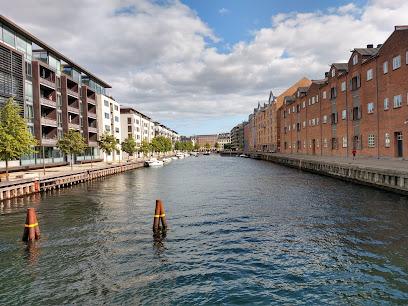
Søndermarken
12.3 km
Historic parklands in Frederiksberg with grand avenues, romantic woodlands, royal pavilions, and subterranean secrets—an urban oasis blending nature and history.
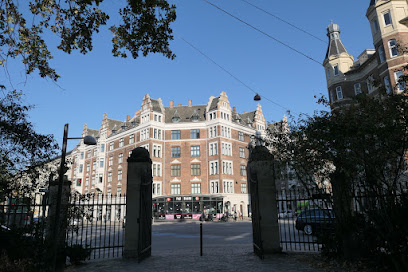
Ny Carlsberg Glyptotek
12.3 km
Explore the rich art and history at Ny Carlsberg Glyptotek, a cultural gem in Copenhagen featuring masterpieces from ancient to modern times.
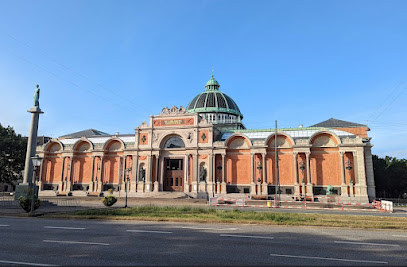
The Stable Boy's House
12.3 km
A modest former service house on Frederiksholms Kanal, quietly recalling the working lives behind Copenhagen’s royal stables and the grandeur of nearby Christiansborg.
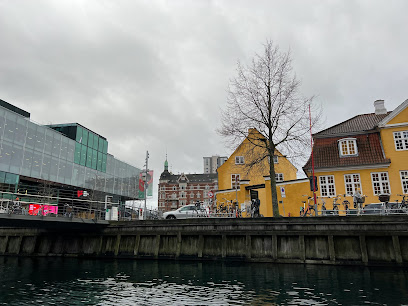
The Tube
12.3 km
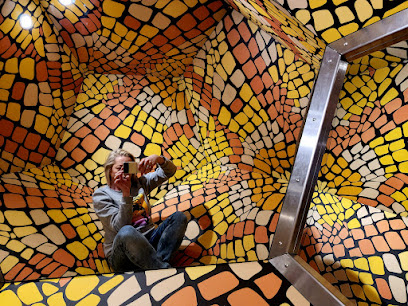
Experience 17 immersive rooms of sensory adventure at The Tube in Copenhagen Central Station.
Peberholm
12.3 km
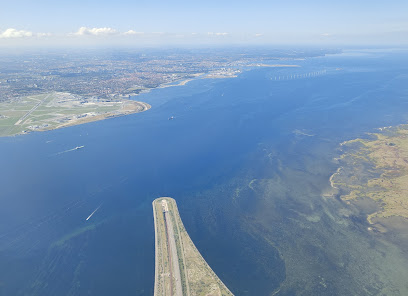
A man-made island where nature reclaimed the landscape—Europe's most successful ecological experiment.
Rutschebanen
12.3 km
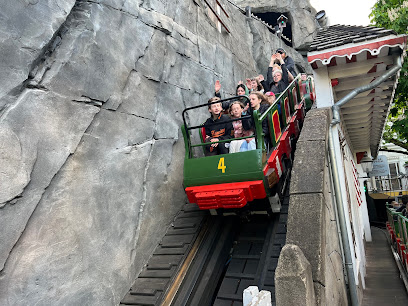
Iconic 1914 wooden roller coaster in Copenhagen’s Tivoli Gardens, offering nostalgic thrills and hands-on history amid the city’s legendary amusement park.
Tivoli Gardens
12.4 km
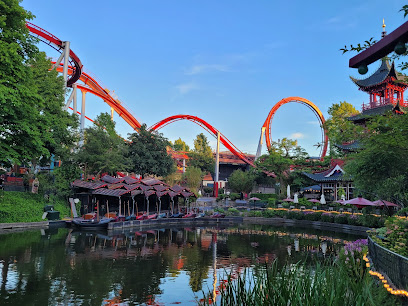
Discover the magic of Tivoli Gardens, a historic theme park in Copenhagen that offers thrilling rides, beautiful gardens, and captivating performances.
Unmissable attractions to see

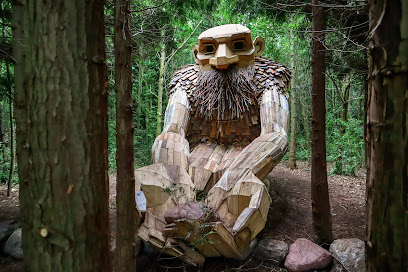
Bjarke Cirkelsten af Thomas Dambo
2.2 km
A kneeling wooden troll guarding a mystical stone circle in the Danish forest.
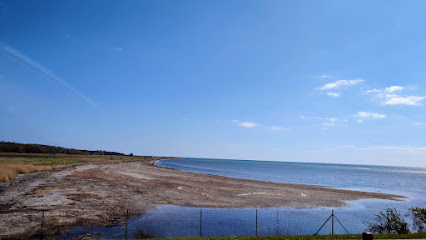
Kalvebod Fælled
5.1 km
A vast reclaimed seabed turned wild urban commons, where big skies, grazing herds, rich birdlife and long trails create a rare sense of wilderness beside Copenhagen.
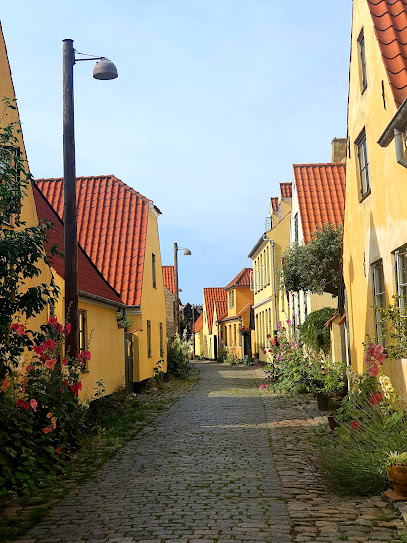
Amager
5.9 km
Copenhagen’s all‑in‑one island: wild grasslands, long sandy beaches, bold architecture and easygoing waterfront life, all just minutes from the historic city centre.
Arne Jacobsens Allé 12
7.6 km
A vast, light-filled shopping town under one roof in Copenhagen’s Ørestad district, mixing fashion, daily essentials, dining and shelter from the Danish weather.
Field's
7.6 km
Scandinavia-scale shopping, dining and entertainment under one sleek roof in Copenhagen’s modern Ørestad district, from fashion and design to cinema, trampolines and a vast hypermarket.
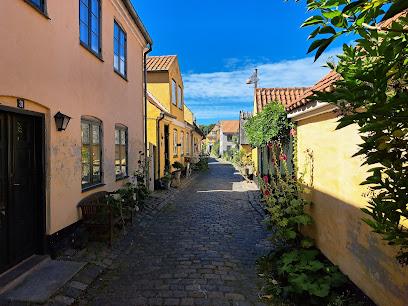
Dragør havn
7.7 km
Historic Dragør Havn blends centuries of maritime heritage with a working waterfront, cosy quayside cafés and wide Øresund views just south of Copenhagen.
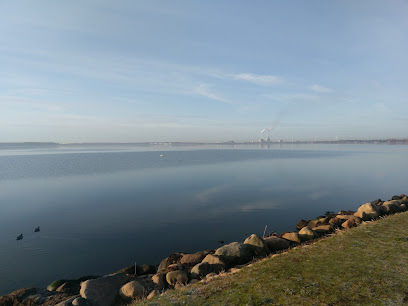
Kalveboderne
8.3 km
A long, sheltered bay between Amager and western Copenhagen, where marinas, open sky and evolving waterfronts create a quiet, lived-in maritime landscape.
Bella Center Copenhagen
8.4 km
Copenhagen’s powerhouse convention and exhibition centre, combining vast flexible halls, sleek Nordic design and direct metro access in the modern Ørestad district.
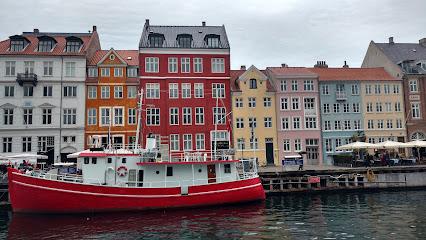
Valby Beach
8.7 km
Modest urban shoreline where Valby Park’s lawns meet the calm waters of Kalveboderne, offering low-key swimming, picnics and everyday Copenhagen harbour life.

Valbyparken
9.3 km
Copenhagen’s largest park, where circular theme gardens, rose-filled circles and a breezy shoreline meet playgrounds, sports fields and wide-open skies.
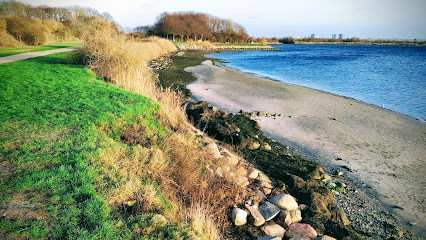
Amager Fælled
10.0 km
Semi-wild meadows and wetlands brushing against Copenhagen’s skyline, Amager Fælled is the city’s closest taste of open Danish nature.
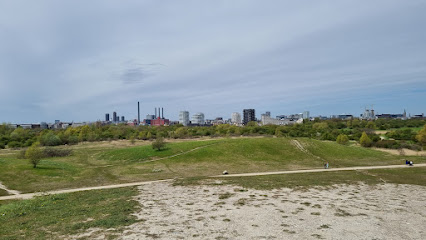
Den Blå Planet
10.1 km
Northern Europe's largest aquarium where sharks swim overhead and sea otters steal your heart.
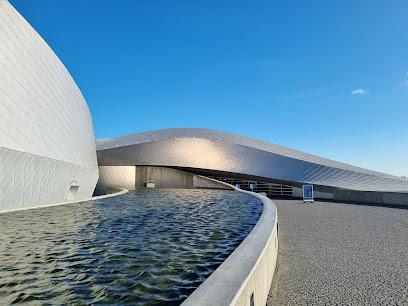
St. Anne's Church
10.7 km
Elegant red-brick Catholic church on Amager, blending early 20th-century Art Nouveau architecture with a calm, light-filled interior and living parish life.
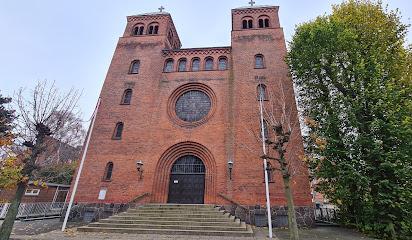
DR Koncerthuset
10.7 km
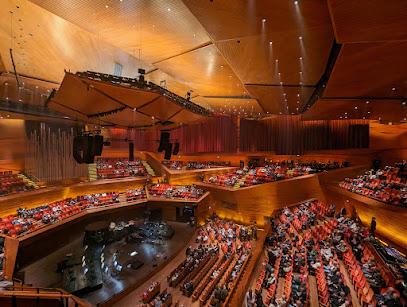
Copenhagen’s bold blue concert house, where world-class acoustics, striking Jean Nouvel architecture and Denmark’s national ensembles meet under one dramatic roof.
Islands Brygge
11.3 km
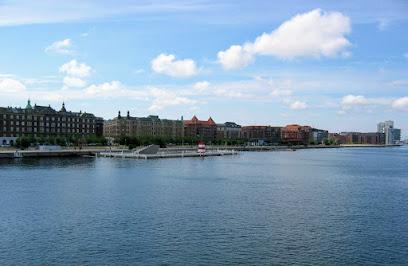
Copenhagen’s former industrial quay reborn as a sun-soaked harbourfront of swimming decks, lawns and laid-back city life along the inner waterfront.
Essential places to dine

Restaurant Vandvid
9.5 km
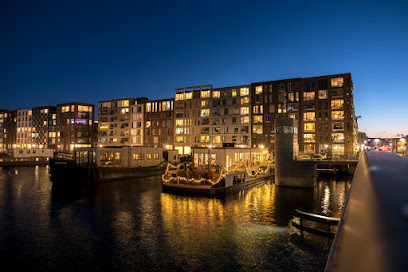
Organic, seasonal Nordic cooking served on a gently rocking houseboat in Sydhavnen, where harbor life, simple design and water views frame every meal.
The Harbour
11.2 km
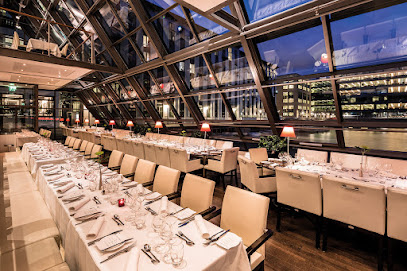
Calm, contemporary harbourfront dining inside Copenhagen Island hotel, pairing generous breakfasts and modern Nordic-inspired dishes with sweeping water views.
Je t'aime
11.5 km
Intimate Vesterbro bistro where candlelight, classic French dishes and a well‑chosen wine list bring a touch of Paris to a quiet Copenhagen side street.
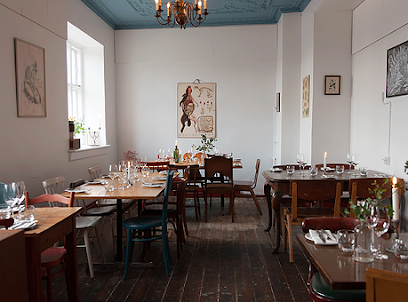
MASH Penthouse
11.6 km
Skyline steakhouse on the 12th floor of Tivoli Hotel, blending premium cuts, crafted cocktails and sweeping Copenhagen views in a chic, velvety penthouse setting.
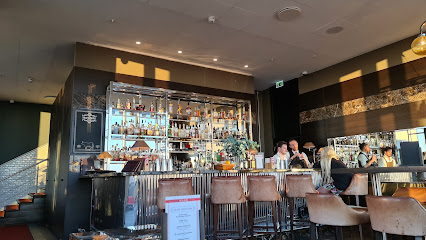
Kødbyens Fiskebar
11.7 km
Industrial-chic seafood in Copenhagen’s former Meatpacking District, where ultra-fresh Nordic fish, natural wines and a buzzing bar scene meet under one concrete roof.
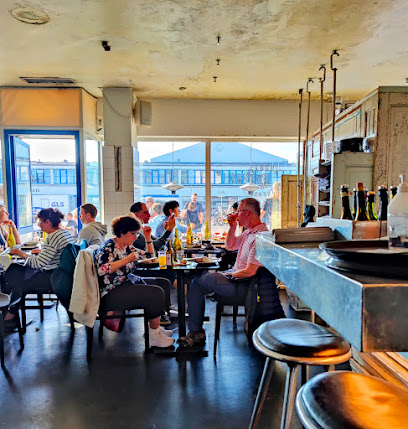
Bevi Bevi
11.8 km
Experience authentic Italian cuisine and exquisite wines at Bevi Bevi, a charming restaurant in the heart of Copenhagen.
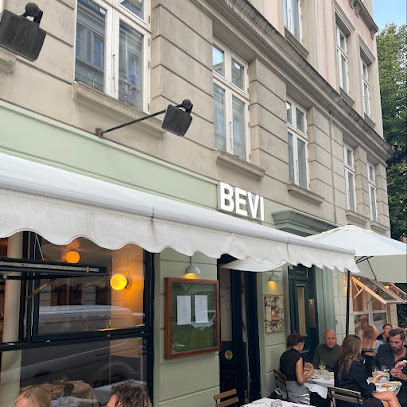
Fleisch
11.9 km
A contemporary restaurant and butcher shop in Copenhagen’s Meatpacking District, Fleisch combines Nordic meat traditions with creative, communal dining in an atmospheric urban setting.
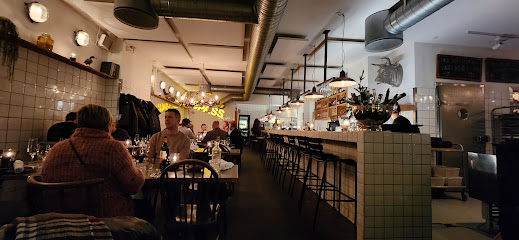
Paté Paté
11.9 km
Paté Paté offers Mediterranean-inspired dining and expertly curated wines in Vesterbro’s Meatpacking District, blending industrial charm with vibrant Copenhagen culinary culture.
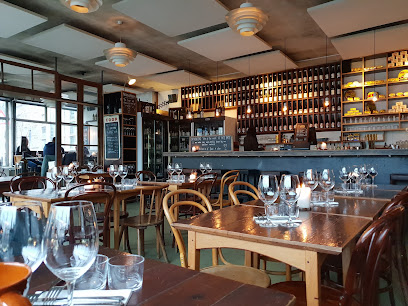
Ristorante Buono
12.2 km
Cozy Vesterbro Italian with candlelit tables, generous pasta and risotto, and a relaxed neighbourhood feel in the heart of Copenhagen’s evening dining scene.
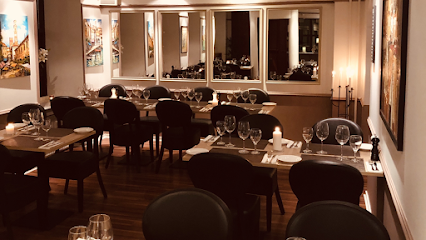
Cofoco
12.2 km
Cofoco in Vesterbro delights with accessible, innovative Danish and European tasting menus amid warm Scandinavian aesthetics and a true neighborhood spirit.
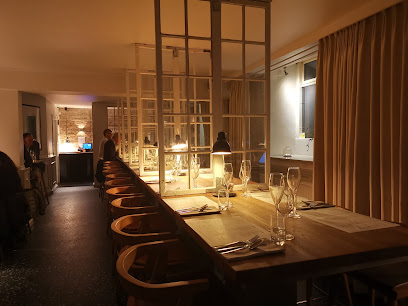
Enomania
12.2 km
Intimate Italian restaurant in Frederiksberg celebrated for expertly paired wine menus, exceptional Mediterranean cuisine, and an atmospheric, welcoming dining experience.
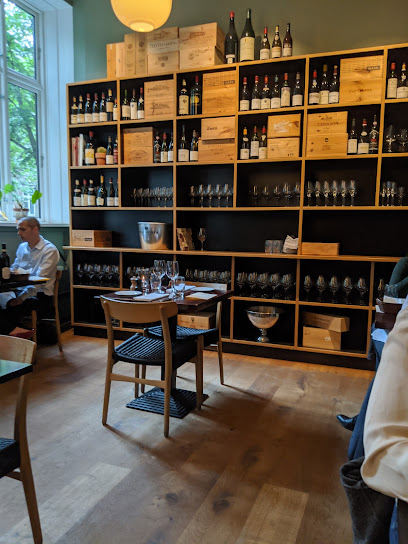
Restaurant Noi
12.2 km
Experience modern Nordic cuisine in a stylish, contemporary setting at Restaurant Noi, a favorite for seasonal dining in the heart of central Copenhagen.
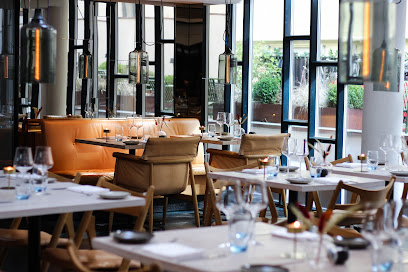
Delphine
12.3 km
Stylish Mediterranean small plates in a visually stunning Vesterbro setting.
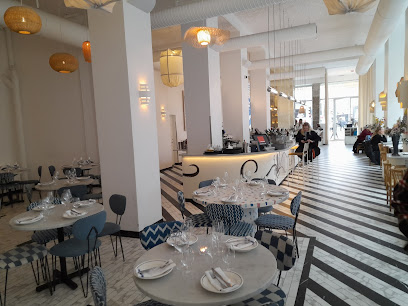
Restaurant Lola
12.3 km
Bold, travel-inspired cooking and inventive smørrebrød served in a sunny 17th‑century house with a leafy garden hideaway on Christianshavn’s historic ramparts.
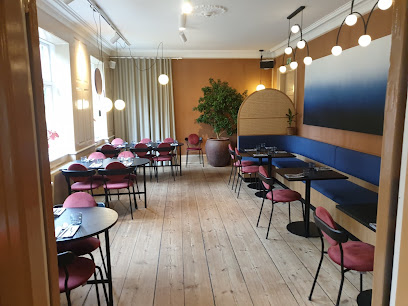
LUN restaurant & winebar
12.3 km
Andalusian-inspired tasting menus, serious wine and cocktails, and a warm candlelit atmosphere in the heart of Copenhagen’s Vesterbro district.
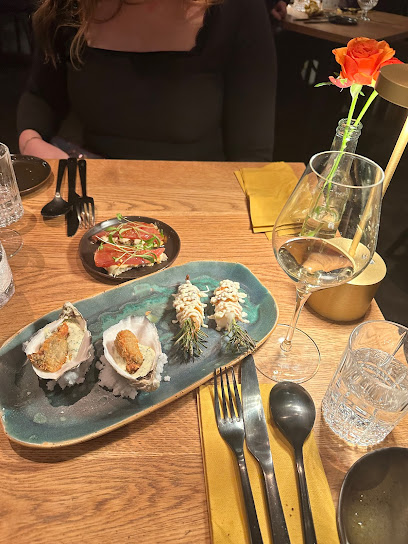
Markets, malls and hidden boutiques

Fisketorvet Copenhagen Mall
11.2 km
Scandinavia's premier shopping destination with 120+ brands, world-class cinema, and waterfront charm.
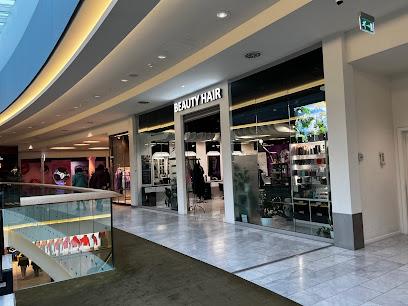
Funky Junky
11.9 km
Discover Vesterbro’s Funky Junky—a vibrant vintage store featuring retro furniture, unique fashion, and Danish design, perfectly reflecting Copenhagen’s creative soul.
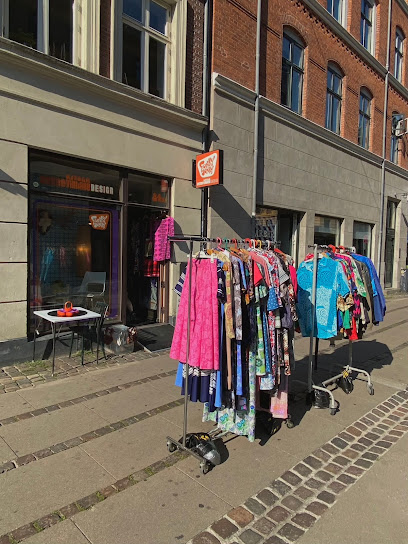
Tivoli Gift Shop
12.3 km
A compact slice of Tivoli Gardens magic just outside the park gates, perfect for picking up Copenhagen souvenirs before or after your visit.
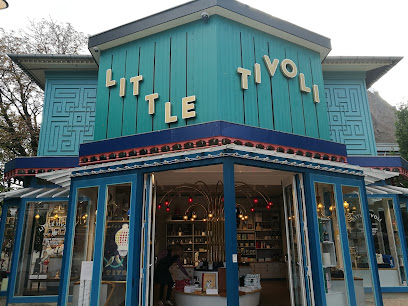
Flying Tiger Copenhagen
12.3 km
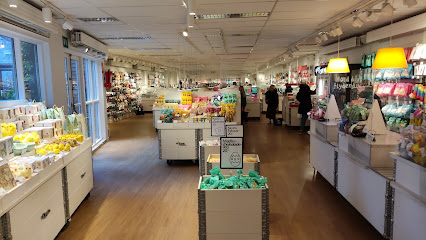
Compact, colorful and full of playful Danish design, this Vesterbrogade shop turns everyday essentials, gifts and games into a fun, low-cost treasure hunt.
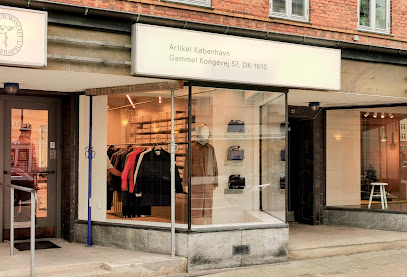
Artikel København
12.4 km
Family-run Copenhagen atelier where timeless, unisex garments are designed, cut and sewn in an open workshop on historic Gammel Kongevej.
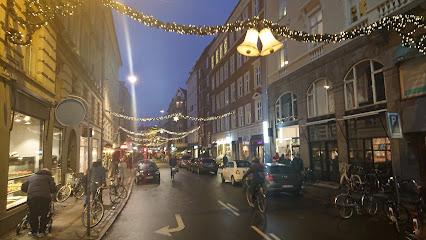
Værnedamsvej
12.4 km
Copenhagen’s beloved Parisian-style street, brimming with independent shops, cafés, wine bars, and Scandinavian charm between vibrant Vesterbro and Frederiksberg.
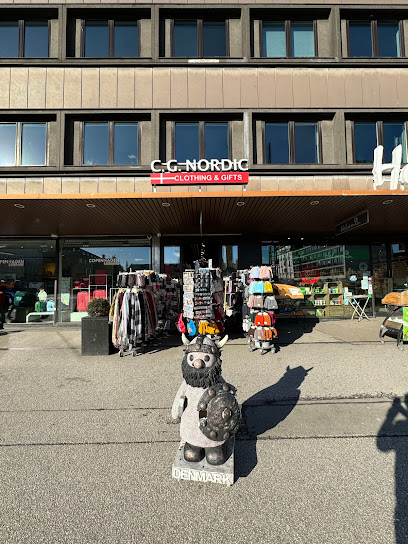
C. G. Nordic clothing and gifts
12.5 km
A small Vesterbro boutique where Nordic clothing, cozy textiles and design-led gifts capture the understated charm of contemporary Scandinavian style.
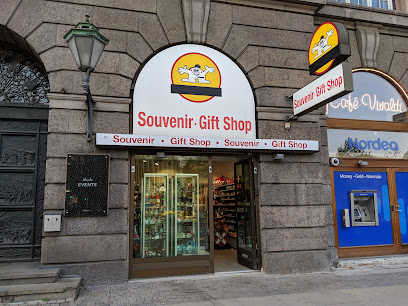
Souvenir Gift Shop
12.5 km
Compact, central and colourful, this Vesterbrogade gift shop is a quick and easy stop for Copenhagen-themed souvenirs between Tivoli, Vesterbro and the Central Station.
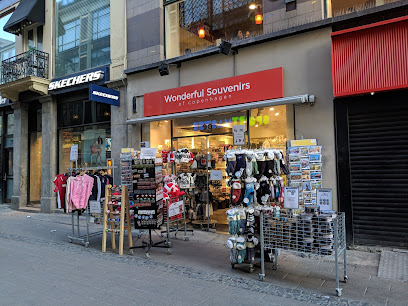
Wonderful Souvenirs
12.7 km
Compact, colourful and central, Wonderful Souvenirs on Frederiksberggade is a one-stop Strøget shop for easy Copenhagen-themed gifts and keepsakes.
Danish Souvenirs
12.7 km
Central Copenhagen’s one‑stop Strøget shop for Little Mermaid trinkets, Viking keepsakes and easy last‑minute gifts before you say farvel to Denmark.

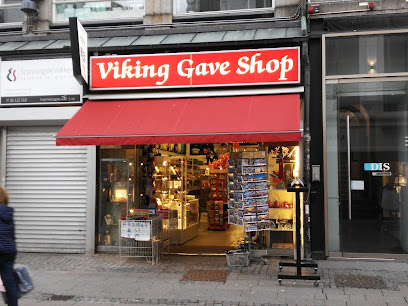
Viking Souvenirs
12.8 km
Lively Strøget souvenir shop packed with Viking‑themed gifts, Danish icons and suitcase‑friendly mementos, ideal for quick last‑minute presents in central Copenhagen.
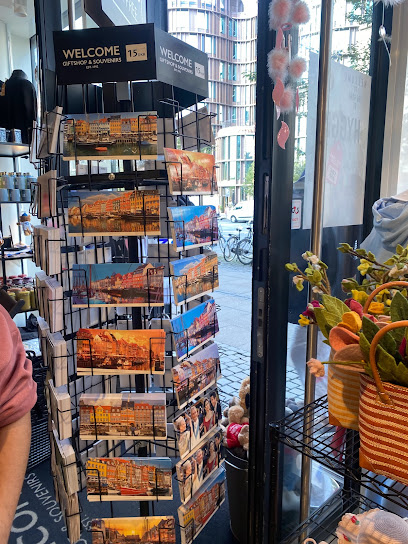
Souvenir Shop
12.8 km
Compact, convenient and central, this Frederiksberggade souvenir shop on Strøget is a quick one‑stop for classic Copenhagen gifts and mementos.
Carmen Copenhagen
12.9 km
Compact vintage treasure trove in Copenhagen’s Latin Quarter, where characterful clothes, curated racks, and cozy atmosphere turn slow browsing into a small adventure.
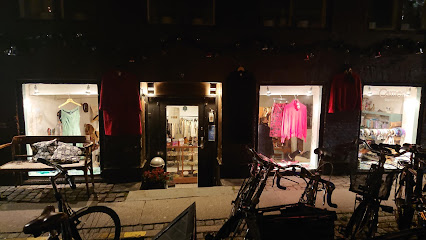
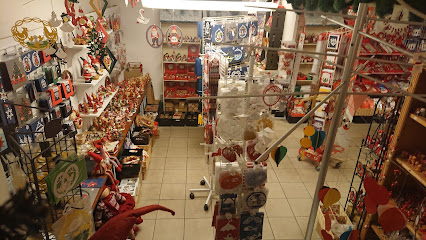
Danish Art & Christmas Shop
12.9 km
A cosy, year‑round Christmas haven in a historic Copenhagen townhouse, filled with Danish‑designed ornaments, paper art and festive hygge moments.
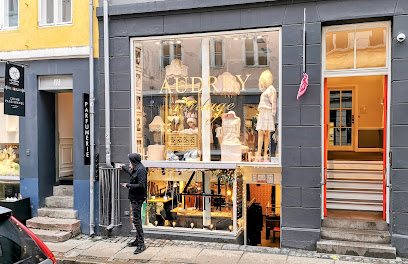
Audrey Vintage
12.9 km
Curated vintage fashion in Copenhagen's heart, where timeless style meets sustainable shopping.
Essential bars & hidden hideouts

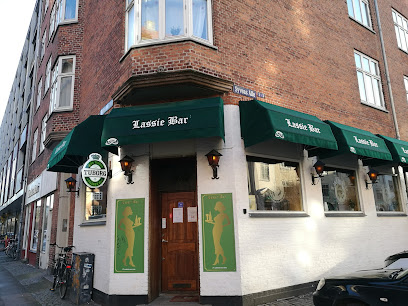
Lassie Bar
11.5 km
A classic Amager brown bar where bottled beer, schnapps and neighborhood chatter create a quietly authentic slice of everyday Copenhagen nightlife.
Jolene Bar
11.7 km
Industrial‑chic, late‑night beats in Copenhagen’s Meatpacking District, blending laid‑back bar vibes with a no‑frills, LGBTQ‑friendly dance floor.
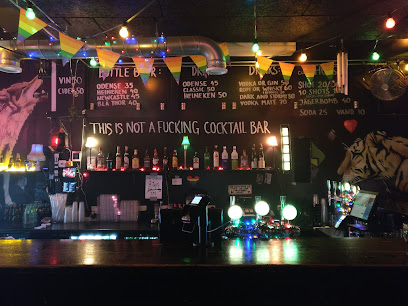
Mesteren & Lærlingen
11.7 km
Discover the lively bar scene at Mesteren & Lærlingen, where cocktails meet vibrant DJ beats in the heart of Copenhagen's nightlife.
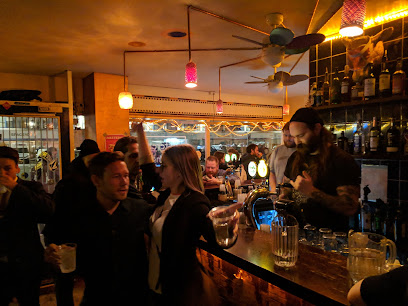
Pier5 Bar
11.8 km
Waterfront cocktails and harbor views in Copenhagen's contemporary hotel bar.
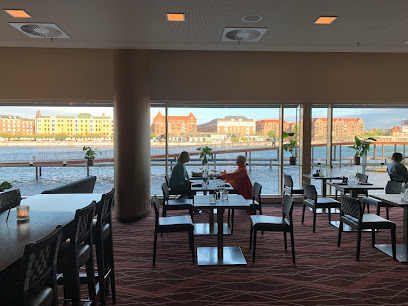
Whammy Bar
11.8 km
Colourful neighbourhood bar on Amager serving generous cocktails, draft beers and American‑style comfort food to a friendly crowd of locals and visitors.
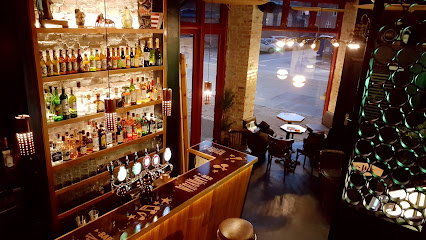
Riesen Bar
11.9 km
Experience the vibrant nightlife of Copenhagen at Riesen Bar, where great drinks and lively atmosphere come together for an unforgettable evening.
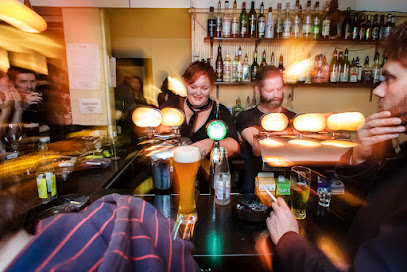
1656 Cocktail Bar
12.0 km
Hidden behind an unmarked door in Vesterbro, 1656 serves inventive cocktails in a dimly lit, speakeasy-style hideaway made for slow, late-night conversations.
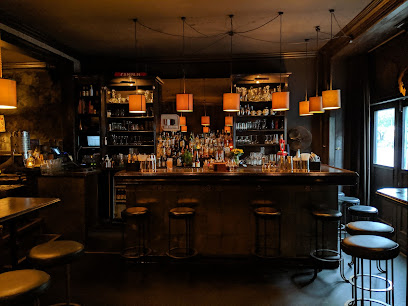
The House of Machines Copenhagen
12.0 km
Award-winning cocktail bar with industrial soul and live music in Copenhagen's Vesterbro.
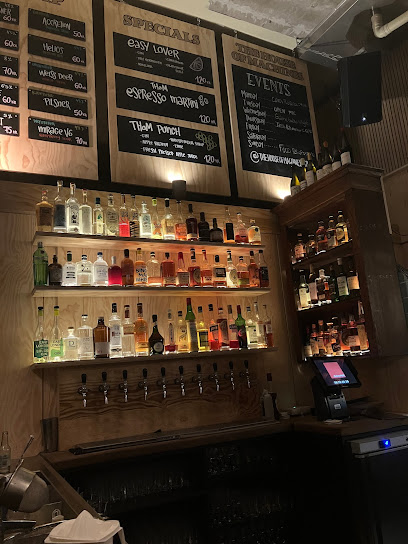
Spunk
12.1 km
Experience the vibrant nightlife at Spunk, a lively bar in Copenhagen offering a diverse drinks menu and an inviting atmosphere for all.
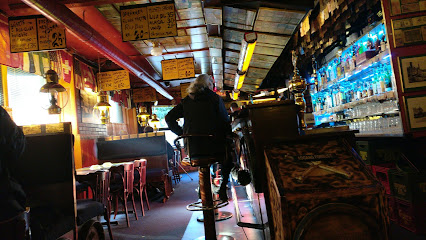
JOJO
12.1 km
Colourful neighbourhood cocktail bar in Vesterbro, serving freshly crafted drinks on tap in a relaxed, sociable setting that suits pre-drinks, dates and casual nights.
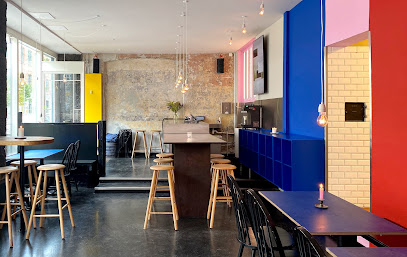
Duck and Cover - Cocktailbar
12.2 km
Experience exquisite cocktails in a stylish ambiance at Duck and Cover, Copenhagen's premier cocktail bar for enthusiasts and newcomers alike.
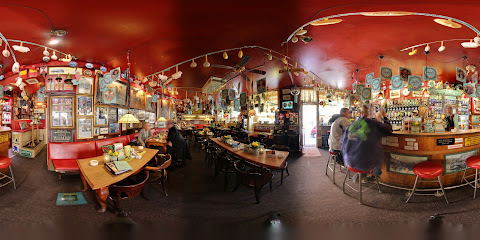
Jernbanecafeen
12.2 km
Densely decorated, railway‑themed pub opposite Copenhagen Central Station, where model trains, red carpets and cold beer create a lively Vesterbro living room.
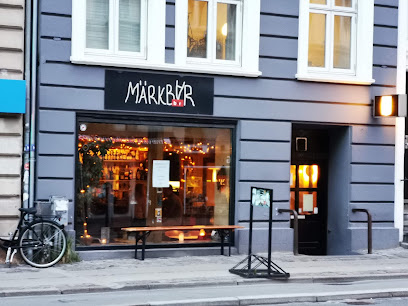
Märkbar
12.2 km
Experience the vibrant nightlife at Märkbar in Copenhagen, where friendly service meets an eclectic atmosphere and affordable drinks.
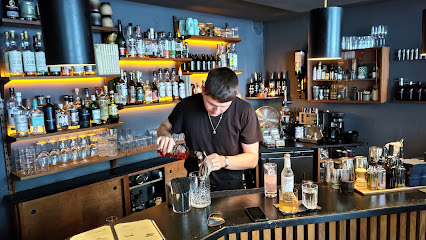
The Marble Bar
12.2 km
An intimate marble-clad cocktail hideaway inside Nobis Hotel Copenhagen, serving Scandinavian-inflected drinks and quiet luxury steps from Tivoli Gardens.
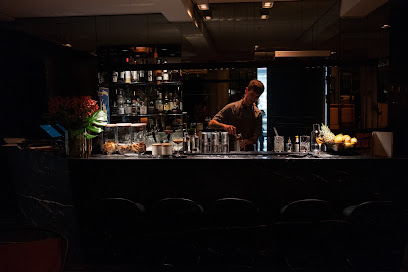
Lidkoeb
12.3 km
Discover Lidkoeb, a vibrant cocktail bar in Copenhagen, renowned for its innovative drinks and lively atmosphere, perfect for nightlife enthusiasts.
Nightclubs & after hour spots

KB3
11.6 km
Discover the pulse of Copenhagen's nightlife at KB3, a lively night club in Vesterbro offering unforgettable music and vibrant experiences.
Baggen
11.8 km
Discover the electrifying atmosphere of Baggen, where Copenhagen's nightlife comes alive with vibrant music and unforgettable experiences.
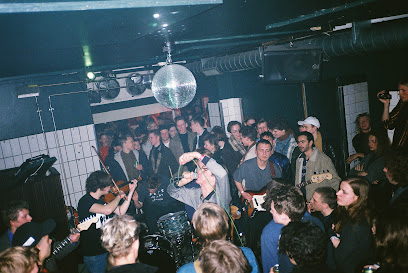
The Union
11.9 km
Discover the vibrant nightlife at The Union, Copenhagen's premier night club offering electrifying music and an unforgettable experience.
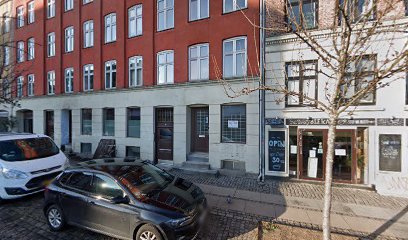
Dollhouse Striptease Nightclub
12.1 km
Experience the vibrant nightlife of Copenhagen at Dollhouse Striptease Nightclub, where adult entertainment meets unforgettable performances.
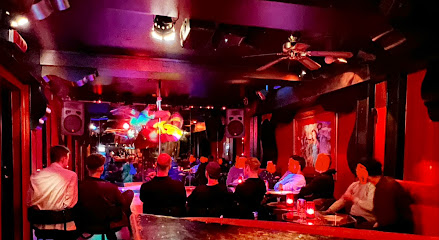
CristalClubCopenhagen
12.1 km
Dive into Copenhagen's nightlife at Cristal Club, where upscale ambiance meets electrifying music and unforgettable experiences.
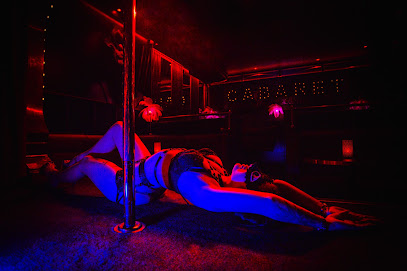
Vela Lesbian Lgbtq+ NightClub
12.2 km
Experience the inclusive spirit and vibrant nightlife at Vela Lesbian LGBTQ+ Nightclub in Copenhagen, where every night is a celebration of love and diversity.
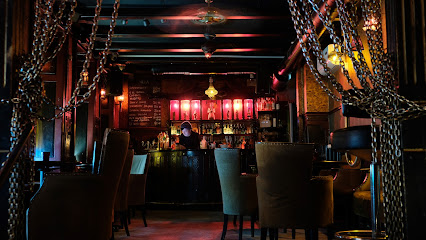
Club Mambo
12.5 km
Experience the energetic nightlife of Copenhagen at Club Mambo, a vibrant night club offering salsa dancing, cocktails, and delicious dining.
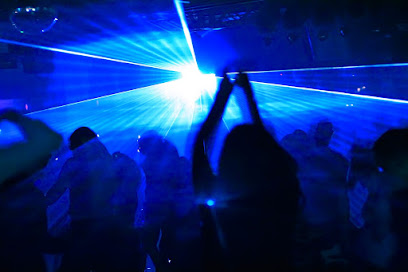
Operaen
12.6 km
Compact harbourfront nightclub near Copenhagen’s modern opera house, mixing DJ-driven beats, local crowds and late-night energy by the inner-city waterfront.
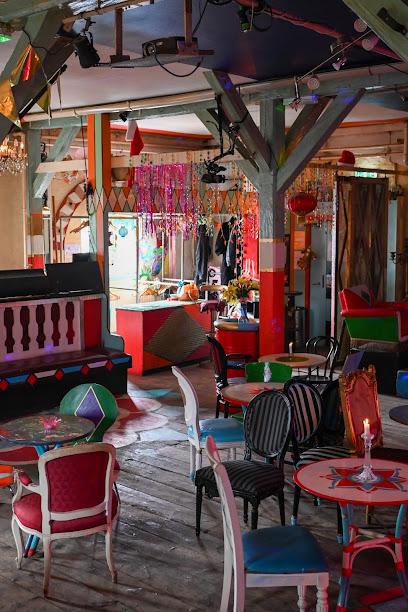
Never Mind
12.6 km
Experience the vibrant nightlife of Copenhagen at Never Mind, where electrifying music meets an eclectic crowd for unforgettable nights.
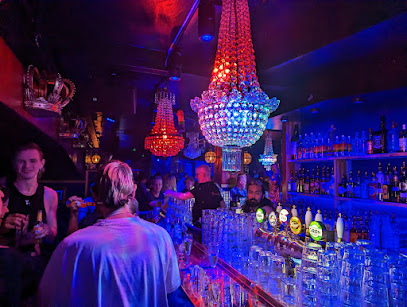
Module
12.6 km
Discover the ultimate nightlife experience at Module Night Club in Copenhagen, where world-class DJs and an electrifying atmosphere await.
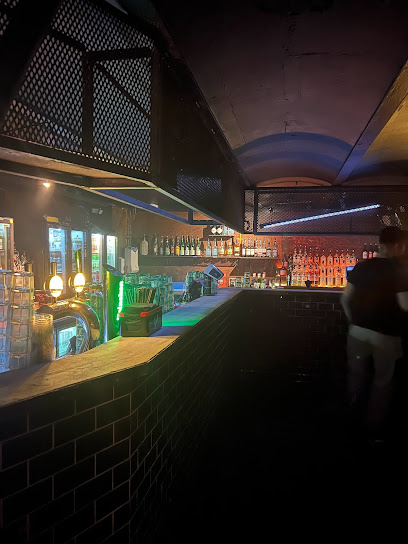
Den Anden Side
12.6 km
Discover the electrifying nightlife of Copenhagen at Den Anden Side, a techno haven for party lovers and night owls.
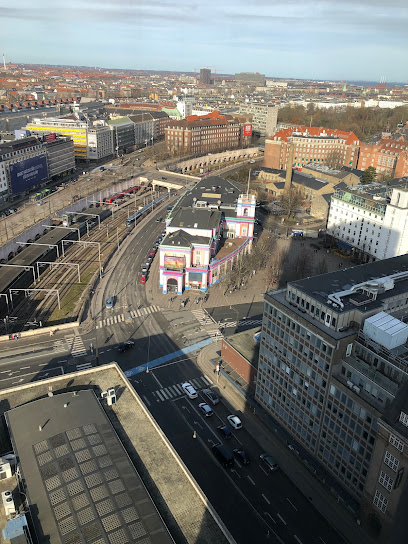
G*A*Y Copenhagen Nightclub
12.8 km
Experience the heart of LGBTQ+ nightlife at G*A*Y Copenhagen Nightclub, where vibrant energy and inclusive atmosphere await every visitor.
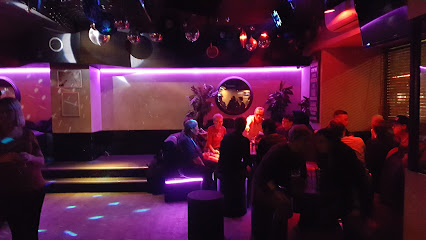
Dorsia
12.8 km
Central Copenhagen nightclub with late‑night DJs, cocktails and an image‑conscious crowd packed into a dark, modern interior off busy Kattesundet.
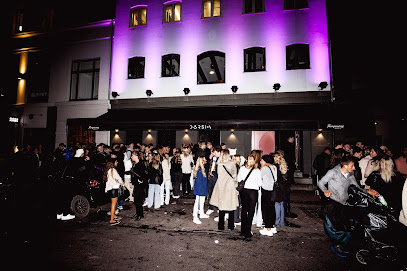
Haven - Events
12.8 km
Discover the electrifying nightlife at Haven, Frederiksberg's top night club, where music, dance, and fun come together for an unforgettable experience.
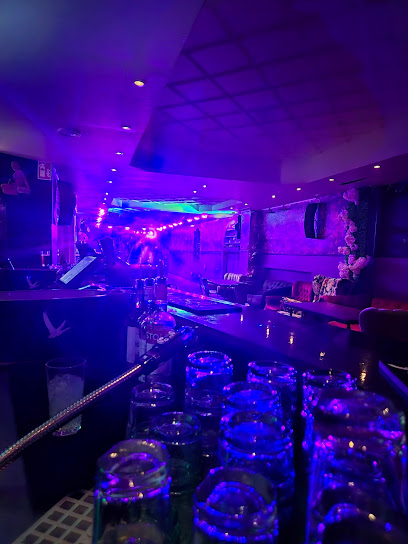
Chateau Motel
12.9 km
Discover the lively nightlife of Copenhagen at Chateau Motel, a top destination for cocktails and dancing in a vibrant atmosphere.
For the vibe & atmosphere seeker
- Scenic
- Relaxing
- Tranquil
- Unique
- Casual
For the design and aesthetic lover
- Rustic Designs
For the architecture buff
- Historic
- Landmarks
- Parks & Gardens
For the view chaser and sunset hunter
- Iconic Views
- Panoramas
- Sunset Spots
For the social media creator & influencer
- Photo Spots
- Selfie Spots
- Architectural Shots
- Instagrammable
For the eco-conscious traveler
- Low Impact
- Public-Transport Accessible
- Leave-No-Trace Critical
- Locally Managed
- Wildlife Habitat
For the kind of experience you’re after
- Cultural Heritage
- Photowalk
- Adventure Photo Shoot
- Nature Escape
- Day Trip
- Roadtrip Stop
- Mindfulness
For how adventurous you want the journey to be
- Easy Access
Location Audience
- Family Friendly
- Senior Friendly
- Child Friendly
- Teen Friendly
- Solo Friendly
- Couple Friendly
- Solo Female Friendly


