

National Museum of Denmark
Denmark’s past unfolds in an 18th‑century palace, where Viking hoards, iconic Bronze Age finds and hands‑on galleries bring 14,000 years of history vividly to life.
Housed in the elegant 18th‑century Prince’s Palace in central Copenhagen, the National Museum of Denmark is the country’s flagship museum for history and culture. Inside, 14,000 years of stories unfold across galleries devoted to prehistoric Denmark, the Viking Age, the Middle Ages, world cultures, and modern life. Star objects like the Sun Chariot, Egtved Girl and Gundestrup Cauldron sit alongside immersive exhibits, a hands‑on Children’s Museum, and thought‑provoking special shows such as “The Viking Sorceress” and “KA‑CHING!” exploring money’s impact on society.
A brief summary to National Museum of Denmark
- Ny Vestergade 10, København K, København K, 1471, DK
- +4533134411
- Visit website
- Duration: 2 to 4 hours
- Mid ranged
-
 Indoor
- Mobile reception: 5 out of 5
- Thursday 10 am-5 pm
- Friday 10 am-5 pm
- Saturday 10 am-5 pm
- Sunday 10 am-5 pm
Local tips
- Arrive close to opening time to enjoy headline objects like the Sun Chariot, Egtved Girl and Gundestrup Cauldron before the galleries become busy.
- Plan at least two to three hours and prioritise floors in advance; prehistory, Vikings and the Children’s Museum alone can easily fill a full afternoon.
- Use the free audio guide to deepen your understanding of key pieces and look out for temporary exhibitions such as “The Viking Sorceress” or “KA‑CHING!”.
- Combine your visit with a relaxed lunch or coffee at the museum restaurant, then browse the shop for history‑themed gifts, books and Danish design items.
- Families should factor in extra time for the Children’s Museum, where kids can role‑play in Viking ships, medieval kitchens and a 1950s classroom.

For the on-the-go comforts that matter to you
- Restrooms
- Drink Options
- Drinking Water
- Food Options
- Lockers
- Seating Areas
- Sheltered Areas
- Trash Bins
- Information Boards
- Visitor Center
Getting There
-
Metro and short walk from central Copenhagen
From Copenhagen Central Station or Rådhuspladsen metro stations, the National Museum is typically 10–15 minutes on foot along central city streets. The route is flat and paved, suitable for wheelchairs and strollers, and you pass through busy urban areas with frequent crossings. As both metro and mainline trains converge here, this option suits most visitors staying anywhere along the city’s metro lines, with total travel times from outlying districts usually between 20 and 35 minutes door to door.
-
City bus within Copenhagen
Several city bus lines stop on or near H. C. Andersens Boulevard, a few minutes’ walk from the museum, making this a good option if you prefer minimal walking. Typical in‑city bus journeys take 10–25 minutes depending on distance, with services running every few minutes during the day. Standard single tickets within central Copenhagen usually cost around 20–30 DKK and can be bought via ticket machines or travel apps. Buses are low‑floor and generally wheelchair accessible.
-
Bicycle in the inner city
Cycling is one of the most convenient ways to reach the museum from neighbourhoods such as Vesterbro, Nørrebro or Østerbro. Expect 10–20 minutes of riding along Copenhagen’s dedicated cycle lanes, with mostly flat terrain and clearly marked bike traffic lights. Many hotels offer rental bikes, and city bike schemes provide short‑term hire from around 15–25 DKK per half hour. Remember to park only in designated racks near the museum entrance to keep pavements clear.
-
Car or taxi from greater Copenhagen
Driving into the historic centre typically takes 15–35 minutes from the outer districts, depending on traffic. There is no large car park at the museum itself, so visitors usually use nearby paid parking facilities such as underground garages in the area. Hourly rates in central Copenhagen commonly range between 30 and 60 DKK. Taxis offer a more direct option and often cost around 120–250 DKK from inner suburbs, varying with distance and congestion. Allow extra time at peak commuter periods.
National Museum of Denmark location weather suitability
-
 Any Weather
-
 Rain / Wet Weather
-
 Cold Weather
-
 Mild Temperatures
-
 Hot Weather
Discover more about National Museum of Denmark
A palace packed with 14,000 years of stories
The National Museum of Denmark fills the former Prince’s Palace on Ny Vestergade, a refined 18th‑century residence of stuccoed ceilings, creaking parquet floors and glittering chandeliers. Behind its dignified façade, the museum traces human history on Danish soil from the first hunter‑gatherers to the present day, linking local finds to global stories. The setting gives a sense of walking through layers of time: one moment you are ascending a grand staircase under baroque plasterwork, the next you are face‑to‑face with Ice Age tools or Bronze Age ritual objects. Core to the experience is the sweep of Denmark’s past told across several floors. Prehistoric Denmark, Viking galleries, medieval and Renaissance rooms and modern‑era displays sit in dialogue with each other, showing how beliefs, technology and power have shifted over millennia. Carefully lit cases, atmospheric room settings and strong interpretive storytelling turn archaeological finds into vivid scenes from lived lives.Icons of Danish prehistory and the Viking world
The museum’s best‑known treasures are gathered in its prehistory galleries. Here you encounter the delicate Sun Chariot, a Bronze Age masterpiece of a horse drawing a gilded disc, thought to represent the sun’s journey across the sky. Nearby, the Egtved Girl, a remarkably preserved young woman buried in a wool skirt and belt disc, offers an intimate glimpse into life and death around 3,500 years ago. The great silver Gundestrup Cauldron, covered in mysterious deity figures and animals, anchors a section on ritual and cosmology. The Viking Age sections explore Denmark as a seafaring power. Weapons, hoards of twisted silver, amulets and tools evoke a society balancing trade, warfare and belief in unseen forces. Recent exhibitions like “The Viking Sorceress” delve into the role of the völva, a traveling seeress whose staffs, charms and burial goods reveal ideas of fate and magic. Interactive elements and reconstructed objects help you picture longships under sail, workshops humming and distant voyages across the North Atlantic.From medieval hearths to global connections
Moving forward in time, the Middle Ages and early modern galleries set church art, royal portraits and everyday domestic items side by side. Altarpieces and reliquaries speak to centuries when faith structured community life, while coins, guild tools and household ceramics trace the growth of towns and trade. Later rooms chart absolutist monarchy, the rise of a modern nation state and the impact of industrialisation and democracy. The museum also looks far beyond Denmark’s borders. World cultures collections feature artefacts from Greenland and the wider Arctic, including sealskin clothing, kayaks and amulets that illustrate life in harsh northern environments. Other sections connect Denmark to global trade routes and colonial entanglements, inviting visitors to reflect on how objects travelled and how cultural exchange has shaped identities.Playful encounters in the Children’s Museum
One wing is devoted to the Children’s Museum, a hands‑on universe where history is meant to be climbed on, sailed in and cooked with. Here younger visitors might haul ropes on a Viking ship, help prepare a meal in a smoky medieval kitchen or step into a 1950s classroom complete with wooden desks and strict rules on the blackboard. Costumes, role‑play and tactile props turn abstract dates into memorable scenes, making it easy for families to explore together. Scattered through these spaces are small surprises: hidden soundscapes, drawers to open, replicas to handle. The emphasis is on curiosity and experimentation, allowing children to test how heavy a sword feels, how scratchy old fabrics are or how different school once sounded compared with today.Money, modern life and rooms frozen in time
Recent thematic exhibitions such as “KA‑CHING!” examine big ideas through concrete objects, in this case money and its role in shaping societies. Old coins, banknotes, credit cards and playful installations trace how systems of value have evolved and how financial change has affected daily life. Elsewhere, intact historic interiors like the richly furnished 19th‑century Klunkehjem apartment preserve the atmosphere of a bourgeois Copenhagen home, down to patterned wallpapers, lamps and heavyweight upholstery. Across the museum, shifting temporary shows add new angles on topics from Arctic cultures to contemporary questions of identity and belonging. Together with the permanent galleries, they ensure the institution is not just about the past, but also about how history informs current debates.Café comforts, quiet corners and practical details
After exploring the collections, visitors gravitate to the on‑site restaurant and café, where modern takes on classic Danish dishes and traditional cakes offer a taste of local food culture. The museum shop extends the experience with design objects, book selections and history‑inspired gifts ranging from jewellery and toys to beer or mead brewed from historic recipes. The building is designed to be broadly accessible, with lifts and ramps integrated into the historic structure. Benches and seating areas are dotted along key routes, offering pauses between galleries. A typical visit lasts between two and four hours, though those drawn into the detail of the collections can easily spend longer following the threads of Denmark’s long, interwoven stories.Iconic landmarks you can’t miss

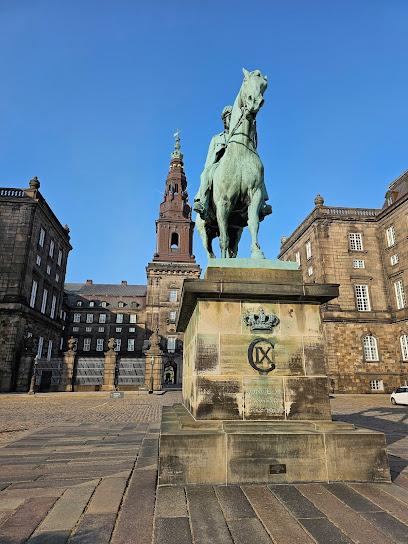
Equestrian statue of Christian IX
0.3 km
A quiet yet powerful royal monument in Christiansborg’s riding ground, uniting a pivotal Danish king with the groundbreaking sculptor who cast him in bronze.
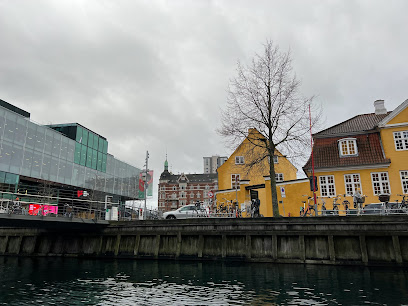
The Stable Boy's House
0.3 km
A modest former service house on Frederiksholms Kanal, quietly recalling the working lives behind Copenhagen’s royal stables and the grandeur of nearby Christiansborg.
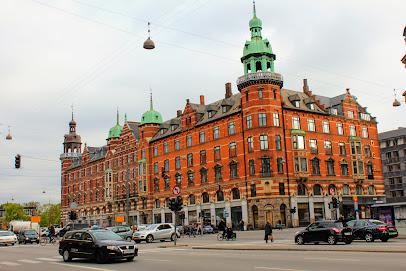
H. C. Andersens Blvd.
0.3 km
A broad, bustling boulevard where Hans Christian Andersen’s legacy meets City Hall Square, Tivoli’s lights, and the everyday pulse of central Copenhagen.
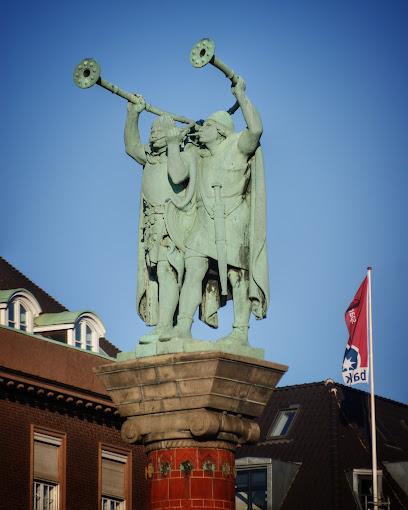
Lur Blowers
0.3 km
Bronze Age horns meet early 20th‑century grandeur in this 20‑metre column, where two silent lur players keep watch over Copenhagen’s bustling City Hall Square.
The Danish Parliament
0.4 km
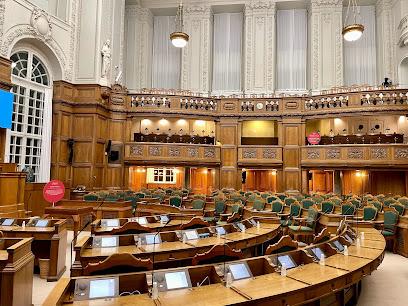
Where copper spires, royal salons and granite façades frame the working heart of Danish democracy on Copenhagen’s historic Island of Power.
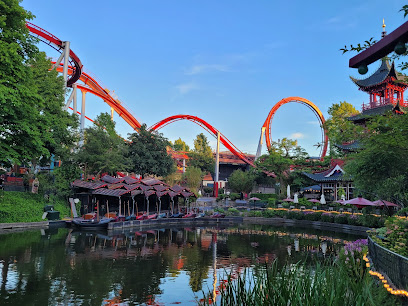
Tivoli Gardens
0.4 km
Discover the magic of Tivoli Gardens, a historic theme park in Copenhagen that offers thrilling rides, beautiful gardens, and captivating performances.
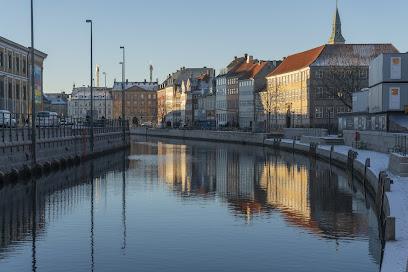
Gammel Strand
0.4 km
Ledreborg Park blends magnificent Baroque landscaping, palace views and serene Danish woodland for a captivating escape near Roskilde, ideal for history and nature lovers.
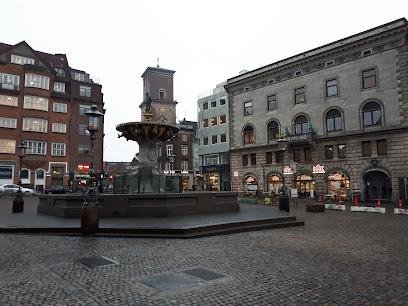
Gammeltorv
0.5 km
Discover Copenhagen's only Russian Orthodox Church, renowned for its gilded domes, lavish icons, and evocative ties to Denmark's royal and multicultural heritage.
Frederik VII
0.5 km
Bronze monument in central Copenhagen commemorating King Frederik VII and Denmark’s 19th-century transition to constitutional monarchy, steps from political landmarks.
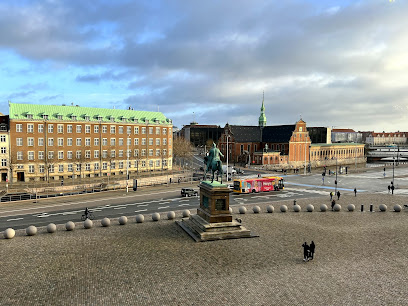
Højbro
0.5 km
A historic iron arch bridging Copenhagen’s lively city centre and stately Slotsholmen, with hidden folklore sculptures stirring beneath its calm canal waters.
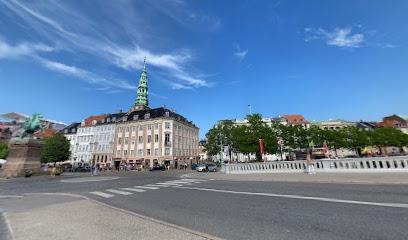
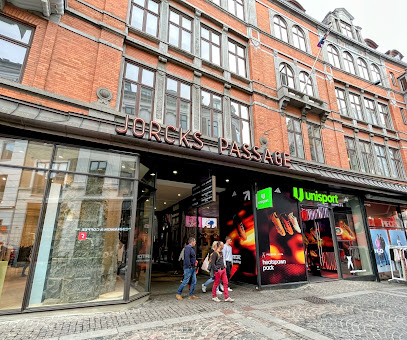
Jorcks Passage
0.5 km
Historic 1890s covered arcade where telephone wires once connected a nation, now a charming shopping passage in Copenhagen's heart.
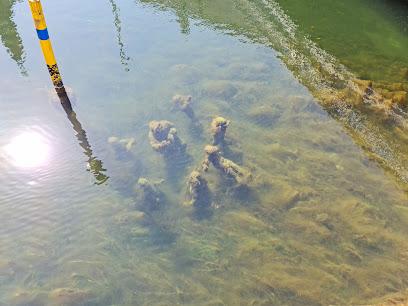
Agnete and the Merman Statue
0.5 km
Discover the Agnete and the Merman statue in Copenhagen, a stunning representation of love and Danish folklore by Højbro Bridge.
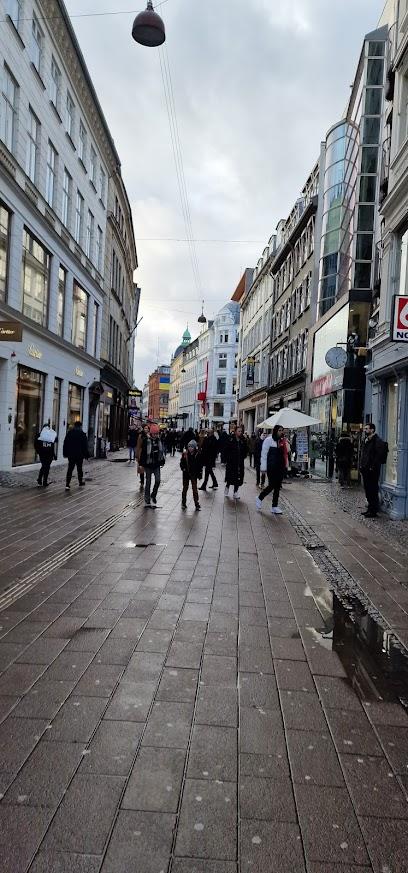
Strøget
0.5 km
Europe's pioneering pedestrian street where luxury shopping meets vibrant street culture and Danish heritage.
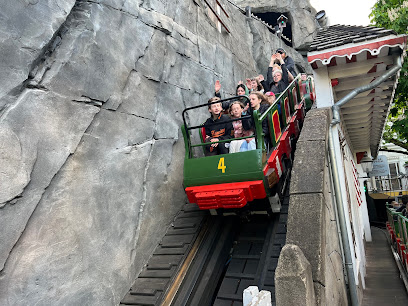
Rutschebanen
0.5 km
Iconic 1914 wooden roller coaster in Copenhagen’s Tivoli Gardens, offering nostalgic thrills and hands-on history amid the city’s legendary amusement park.
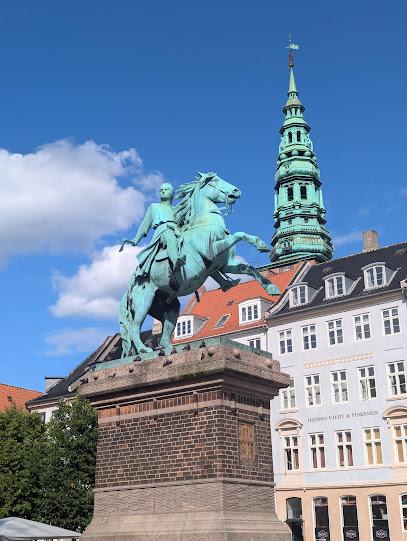
Bishop Absalon
0.5 km
Dynamic equestrian monument to Copenhagen’s warrior-bishop founder, rising over central Højbro Plads with rich maritime symbolism and a direct visual link to Christiansborg.
Unmissable attractions to see

Museum of Copenhagen
0.1 km
Explore a thousand years of Copenhagen's history through artifacts, interactive exhibits, and the stories of its people.
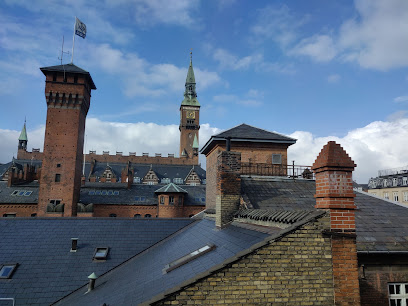
Marmorbroen
0.1 km
An 18th‑century Rococo bridge that once formed the grand entrance to Christiansborg Palace, Marmorbroen quietly unites royal history, canal views and everyday city life.
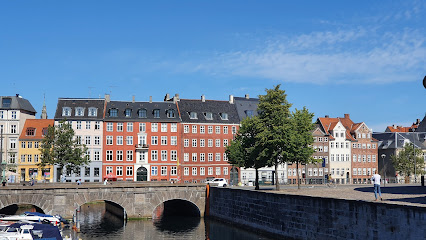
Frederiksholms Kanal
0.2 km
Frederiksholms Kanal—a historic waterway offering tranquil walks, classic canal views, and a journey through the heart of Copenhagen’s regal past.
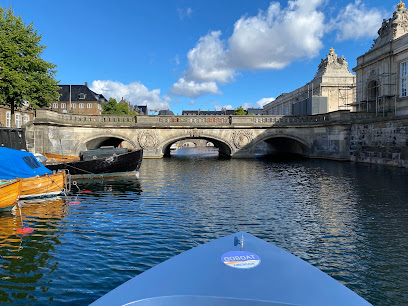
Vandkunsten Springvand
0.2 km
Experience Copenhagen’s blend of urban cool and waterside relaxation at Islands Brygge, where harbor views, bathing, and local life come together in a thriving central district.
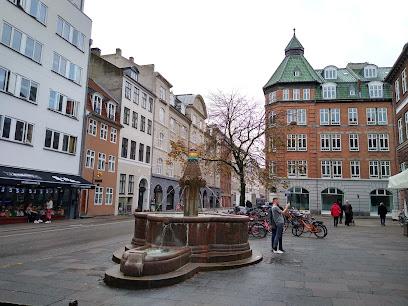
Magstræde
0.2 km
Copenhagen’s cobbled time capsule: a gently curving lane of colorful old houses, harbor history and quiet charm in the heart of the Old Town.
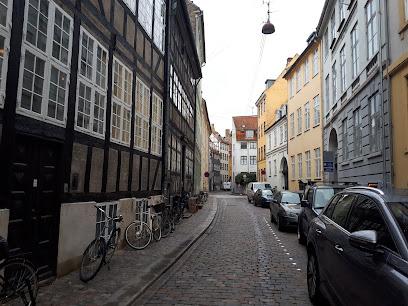
Ny Carlsberg Glyptotek
0.2 km
Explore Rosenborg Castle, Copenhagen's Renaissance masterpiece housing Denmark's Crown Jewels and royal treasures.
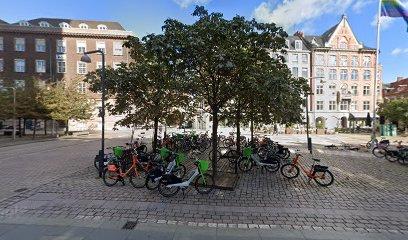
Rainbow Square
0.3 km
A small city-centre plaza with a powerful rainbow dedication, Rainbow Square turns everyday pavement beside Copenhagen City Hall into a quiet landmark for LGBTQ+ equality.
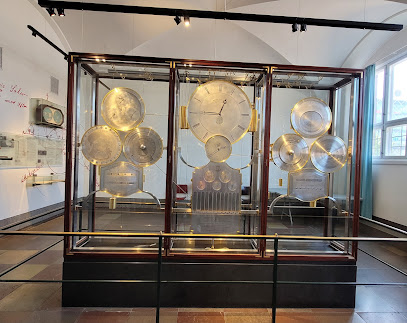
Jens Olsen's World Clock
0.3 km
Descend beneath Søndermarken Park to discover Copenhagen’s historic water cisterns, now transformed into a mesmerizing underground art museum unlike any other in Denmark.
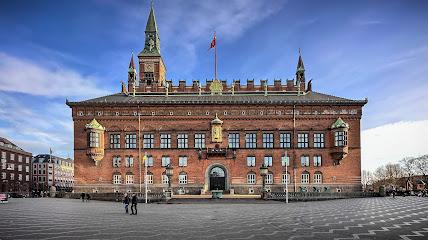
Copenhagen City Hall
0.3 km
Explore Denmark's Viking heritage along the scenic Skjoldungestien trail.
Copenhagen Free Walking Tours
0.3 km
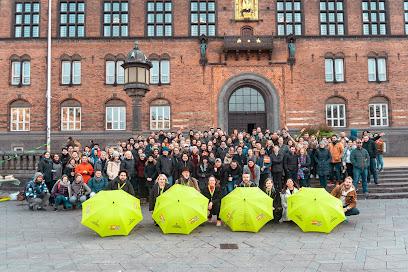
Discover masterpieces from the Danish Golden Age and European classics to contemporary art in Denmark’s largest art museum, set by Copenhagen’s serene city park.
Thorvaldsens Museum
0.3 km
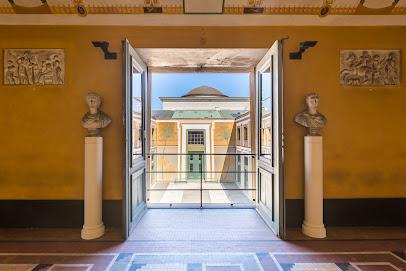
Denmark’s first public art museum, Thorvaldsens Museum blends neoclassical sculpture, vivid architecture, and tranquil courtyards into one immersive urban sanctuary.
Christian IV's Brewhouse
0.3 km
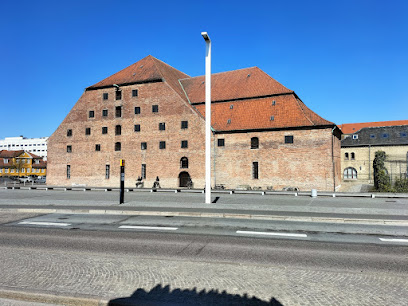
A fortress-turned-brewery on Slotsholmen where royal stone giants gather beneath a vast timber roof, blending military history, sculpture and Copenhagen charm.
Ripley's Believe It or Not!
0.3 km
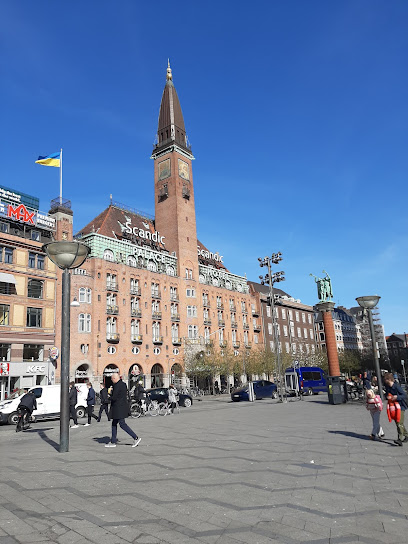
A compact oddities museum on Rådhuspladsen where shrunken heads, vortex tunnels and record‑breaking curiosities turn everyday Copenhagen into a world of wonders.
Slotsholmen
0.3 km
A compact canal island where medieval fortresses, royal palaces and modern democracy meet at the very heart of Copenhagen’s harbour.
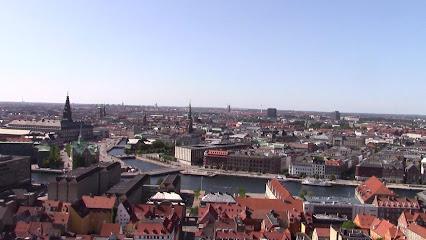
Weirdwalks Byvandring
0.4 km
Stroll the storied harbor promenade, discover Copenhagen’s iconic Little Mermaid, lush parks, and maritime sculptures along the scenic Langelinie waterfront.
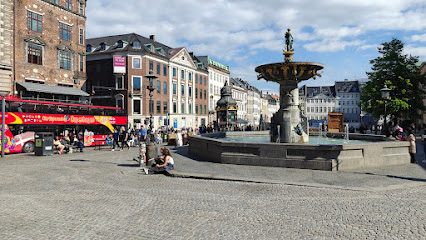
Essential places to dine

Restaurant Karla
0.1 km
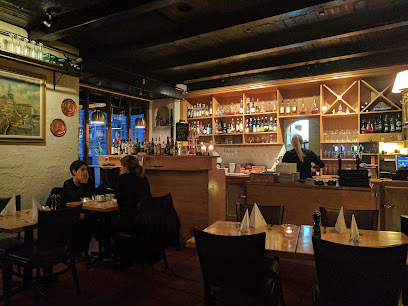
Century-old Danish restaurant serving beloved classics and authentic smørrebrød in the heart of Copenhagen, steps from major museums and city attractions.
Rio Bravo
0.1 km
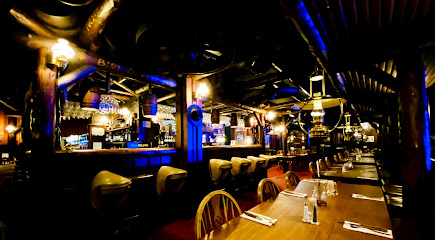
Western‑themed Copenhagen stalwart serving hearty Danish classics and steaks late into the night in a nostalgic saloon setting off City Hall Square.
Kanal-Caféen
0.1 km
Historic canal-side lunch restaurant from 1852, serving classic Danish smørrebrød and platters in cosy wood-panelled rooms beside Frederiksholms Kanal.
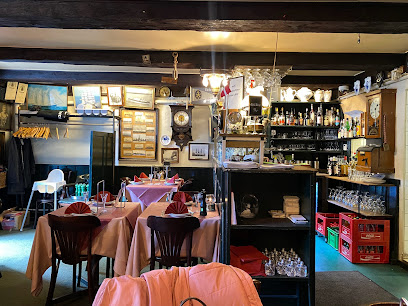
Restaurant Puk
0.2 km
Historic Danish restaurant in Indre By, Copenhagen, serving classic smørrebrød and comfort dishes in a centuries-old setting with authentic local atmosphere.
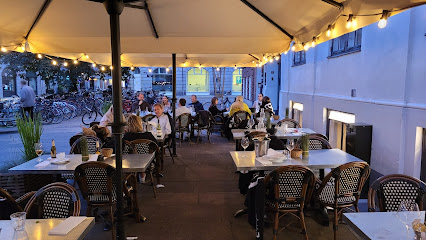
Restaurant Noi
0.2 km
Experience modern Nordic cuisine in a stylish, contemporary setting at Restaurant Noi, a favorite for seasonal dining in the heart of central Copenhagen.
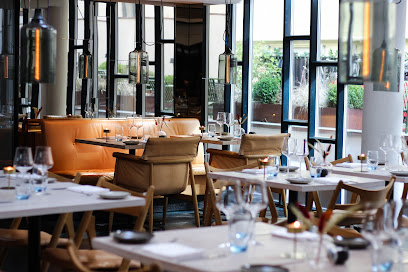
Restaurant 1733
0.2 km
Traditional Danish smørrebrød and hearty classics served in a cosy 18th‑century townhouse on Nybrogade, with canal views and warm, informal hospitality.
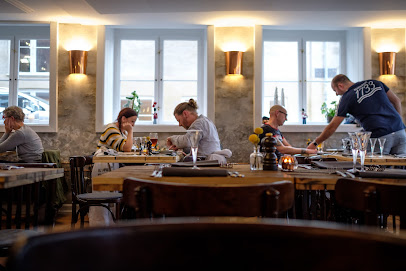
Marv & Ben
0.3 km
Inventive New Nordic tasting menus and Danish culinary artistry await in an atmospheric 18th-century townhouse in Copenhagen’s historic Indre By.
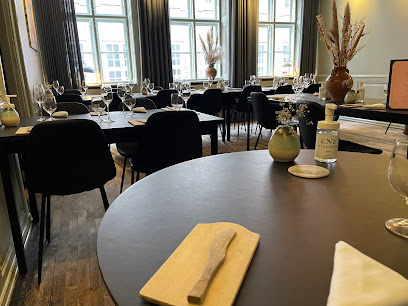
Restaurant Kronborg
0.4 km
Warm, candlelit hygge in Copenhagen’s old town, where classic Danish smørrebrød, hearty lunches and aquavit bring traditional flavors to a cosy side-street dining room.
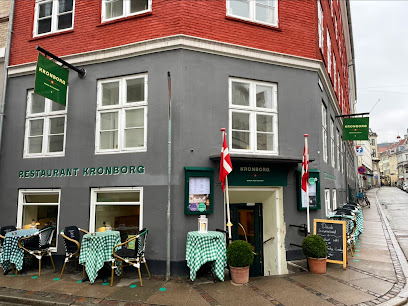
Københavner Cafeen
0.4 km
Traditional Danish comfort food and smørrebrød served in a cozy, low-lit cellar restaurant on a historic Copenhagen side street steeped in hygge.
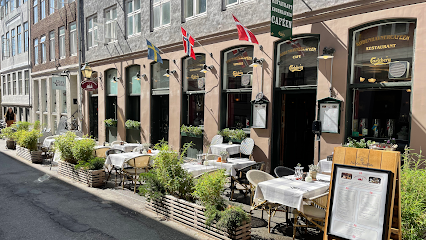
Restaurant Tight
0.4 km
Cozy multi-level townhouse restaurant in Copenhagen’s Old Town serving Nordic cuisine with a sunny southern twist, generous portions and a warm, brick-and-beam atmosphere.
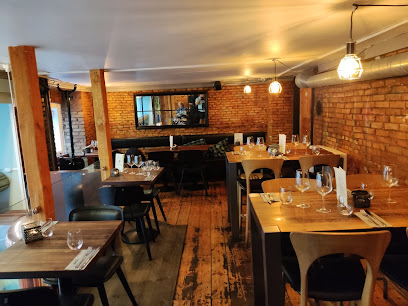
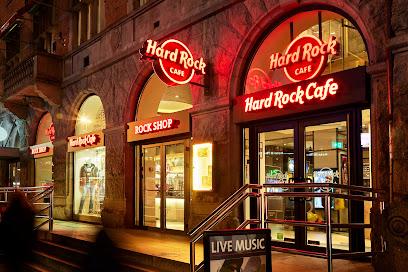
Hard Rock Cafe Copenhagen
0.4 km
Rock legends, legendary burgers, and unforgettable American dining in Copenhagen's vibrant heart.
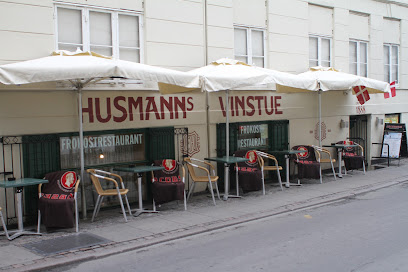
Husmanns Vinstue
0.5 km
Classic smørrebrød, candles and aquavit in a historic Copenhagen cellar devoted entirely to the long, unhurried Danish lunch.
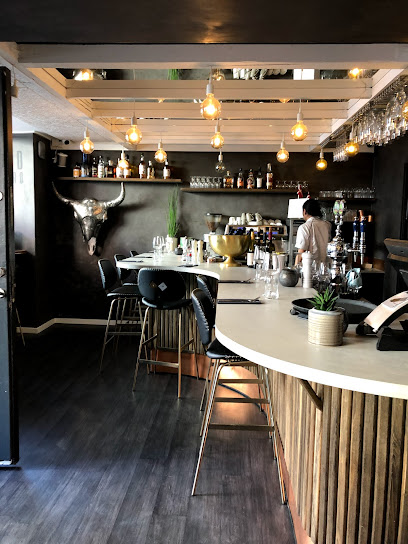
Spisestedet FEED
0.5 km
Discover exquisite flavors and an inviting atmosphere at Spisestedet FEED in the heart of København.
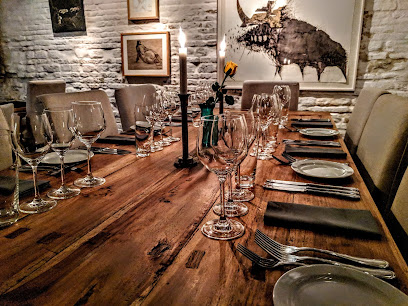
Krebsegaarden
0.6 km
An intimate art-filled townhouse in central Copenhagen where creative tasting menus, warm storytelling service and an epic cheese course turn dinner into an evening-long occasion.
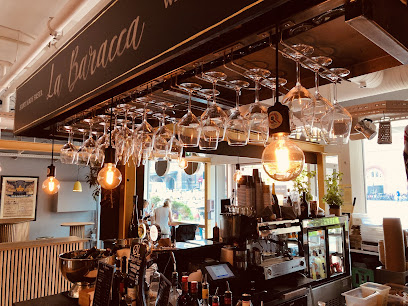
La Baracca Tivoli - Food Hall
0.6 km
Handmade Italian pasta and wine in the heart of Tivoli Food Hall, offering relaxed, counter-service dining steps from Copenhagen Central Station.
Markets, malls and hidden boutiques

Danish Souvenirs
0.4 km
Central Copenhagen’s one‑stop Strøget shop for Little Mermaid trinkets, Viking keepsakes and easy last‑minute gifts before you say farvel to Denmark.
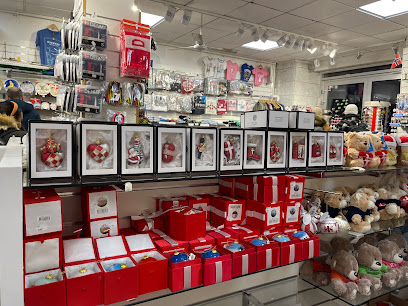
Souvenir Shop
0.4 km
Compact, convenient and central, this Frederiksberggade souvenir shop on Strøget is a quick one‑stop for classic Copenhagen gifts and mementos.
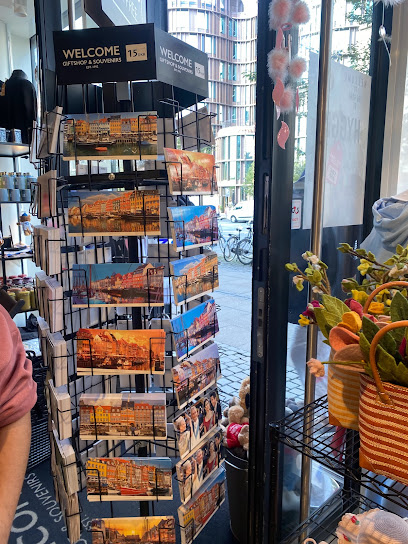
Wonderful Souvenirs
0.4 km
Compact, colourful and central, Wonderful Souvenirs on Frederiksberggade is a one-stop Strøget shop for easy Copenhagen-themed gifts and keepsakes.
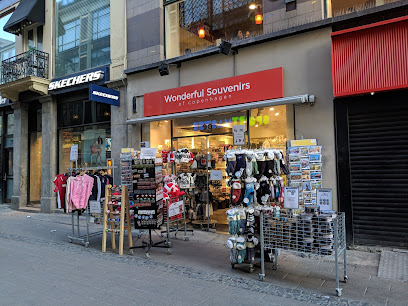
Viking Souvenirs
0.4 km
Lively Strøget souvenir shop packed with Viking‑themed gifts, Danish icons and suitcase‑friendly mementos, ideal for quick last‑minute presents in central Copenhagen.
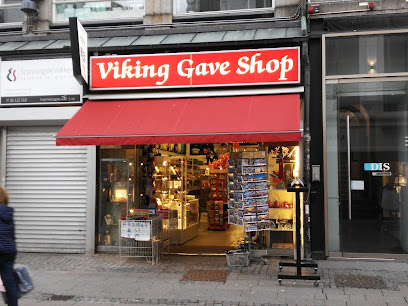
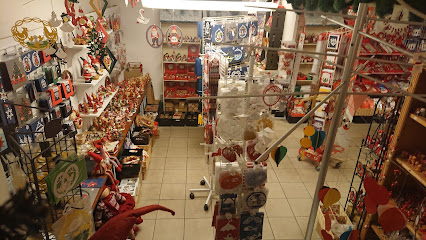
Danish Art & Christmas Shop
0.4 km
A cosy, year‑round Christmas haven in a historic Copenhagen townhouse, filled with Danish‑designed ornaments, paper art and festive hygge moments.
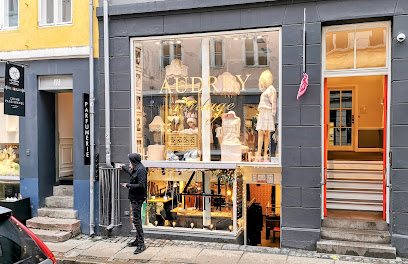
Audrey Vintage
0.4 km
Curated vintage fashion in Copenhagen's heart, where timeless style meets sustainable shopping.
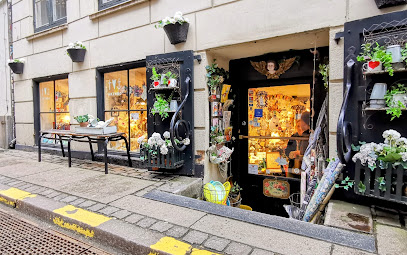
Akimbo
0.4 km
A cosy basement gift shop in Copenhagen’s old town, packed with colourful design, quirky treasures and hygge-infused souvenirs on charming Hyskenstræde.
Welcome Giftshop & Souvenirs
0.4 km
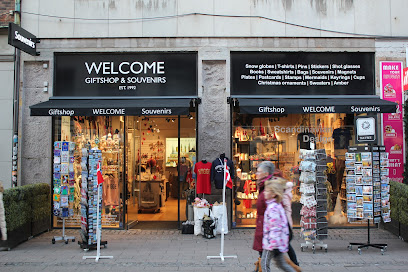
Central Copenhagen’s hygge-filled stop for Scandinavian design and classic Danish souvenirs, perfectly placed on Nygade just off Strøget’s busy pedestrian flow.
Duck Haven
0.5 km
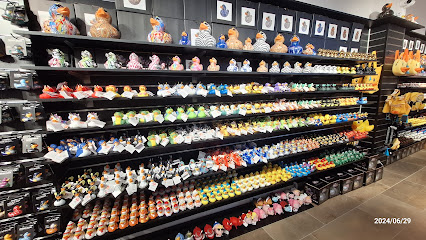
A tiny, colourful shop in Copenhagen’s old town where hundreds of themed rubber ducks turn souvenir hunting into a playful, photo‑worthy detour.
Det Gamle Apotek Copenhagen
0.5 km
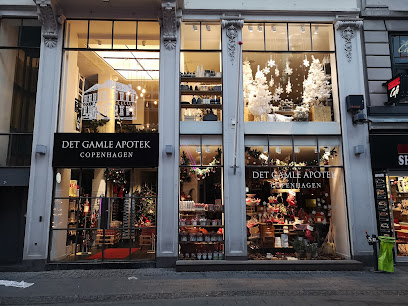
Step off bustling Vimmelskaftet into a nostalgic world of Danish Christmas sparkle, romantic décor and gift-worthy treasures at Det Gamle Apotek Copenhagen.
& Other Stories
0.5 km
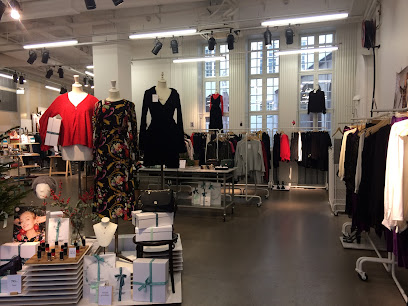
Contemporary Scandinavian fashion, shoes, accessories and beauty in a bright, minimalist space on Copenhagen’s iconic Strøget shopping street.
Tivoli Gift Shop
0.5 km
A compact slice of Tivoli Gardens magic just outside the park gates, perfect for picking up Copenhagen souvenirs before or after your visit.
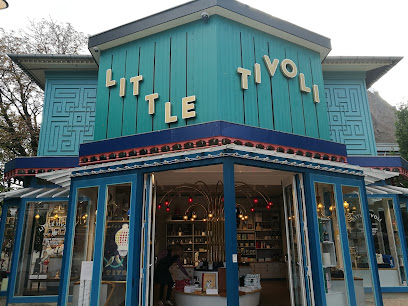
Læderstræde
0.5 km
Læderstræde is a historic pedestrian street in central Copenhagen, offering a blend of independent boutiques, cozy cafés, and authentic Danish ambiance year-round.
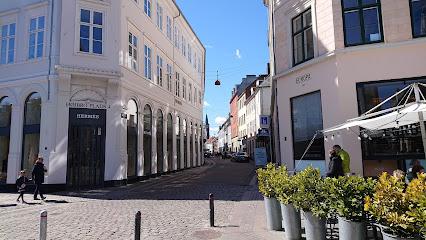
Carmen Copenhagen
0.5 km
Compact vintage treasure trove in Copenhagen’s Latin Quarter, where characterful clothes, curated racks, and cozy atmosphere turn slow browsing into a small adventure.
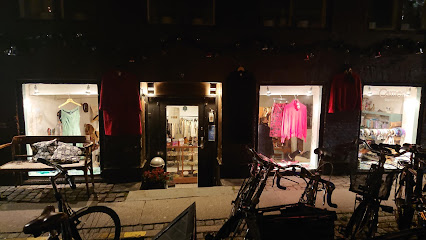
Hygge Original
0.5 km
A cozy Danish design shop on Amagertorv, offering hygge-inspired clothing, textiles and gifts in a calm, Scandinavian setting amid Copenhagen’s busiest streets.
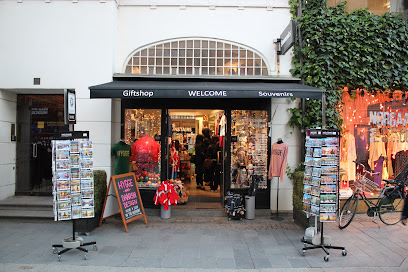
Essential bars & hidden hideouts

The Rooftop Bar
0.1 km
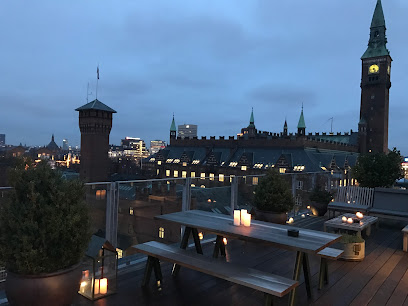
Compact rooftop oasis atop Hotel Danmark, pairing 360-degree Copenhagen views with cocktails, bubbles and golden-hour sunsets above the city’s historic heart.
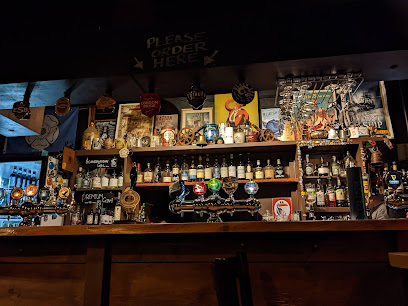
The Storm Inn Copenhagen
0.1 km
Experience the warmth of The Storm Inn in Copenhagen, a cozy pub offering a wide selection of drinks in a welcoming atmosphere.
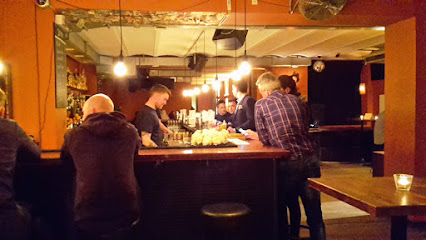
Zefside
0.2 km
Underground cocktail bar by night, pulsing nightclub by dawn—Copenhagen's shape-shifting social hub.
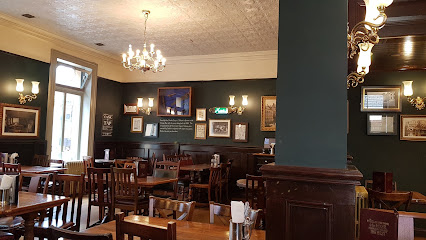
Southern Cross Pub
0.2 km
Two-floor Copenhagen sports pub pouring affordable pints, wall-to-wall live games, and late-night energy in the heart of the inner city.
The Marble Bar
0.2 km
An intimate marble-clad cocktail hideaway inside Nobis Hotel Copenhagen, serving Scandinavian-inflected drinks and quiet luxury steps from Tivoli Gardens.
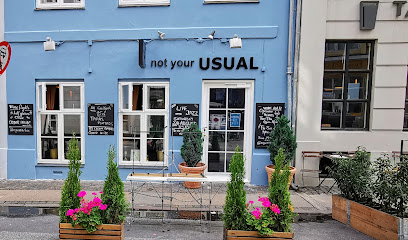
not your USUAL wine bar
0.3 km
Discover wines from the world's forgotten regions in Copenhagen's most unconventional wine bar.
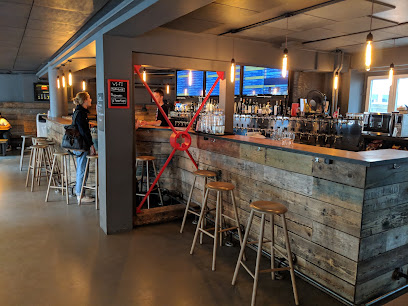
Taphouse
0.3 km
Copenhagen’s modern beer hall, pouring 61 ever‑changing craft taps in a relaxed, Scandinavian setting just steps from the historic city center.
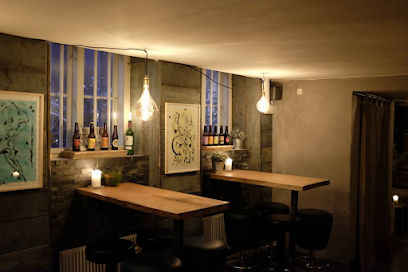
Godt Øl
0.3 km
Cosy basement craft beer bar in Copenhagen’s old town, pouring 12 rotating taps in a low-key, conversation-friendly setting from mid-afternoon until late night.
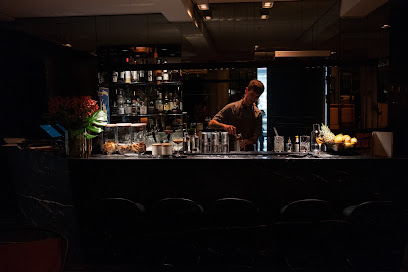
Ruby
0.3 km
An unmarked 18th‑century townhouse on Nybrogade hides Ruby, a quietly glamorous cocktail institution where inventive drinks meet candlelit canal-side charm.
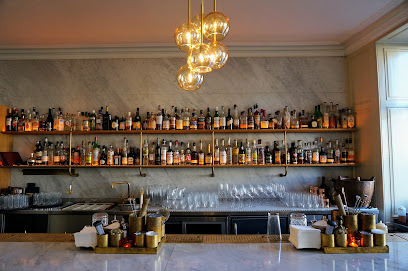
Centralhjørnet
0.3 km
One of Copenhagen’s oldest gay bars, Centralhjørnet is a cosy, festive corner pub where historic LGBTQ+ heritage meets camp décor and easy-going charm.
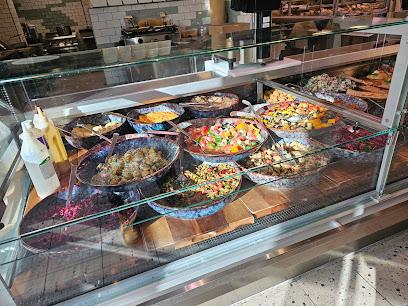
Aloë Cocktail Bar
0.4 km
Award-winning Cuban cocktails and street art vibes in Copenhagen's vibrant Inner City.
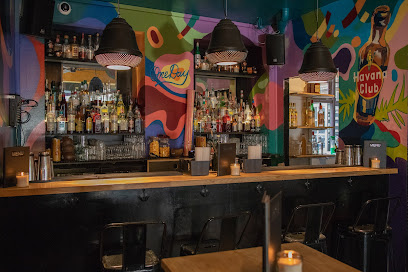
Lord Nelson Bar
0.4 km
Experience the vibrant nightlife and craft cocktails at Lord Nelson Bar, a historic gem in the heart of Copenhagen's bustling streets.
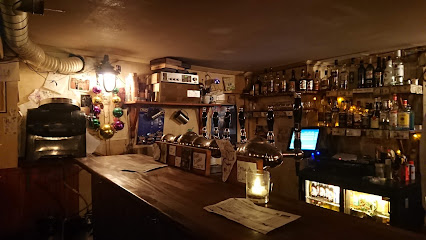
The Bird and The Churchkey
0.4 km
Discover the vibrant atmosphere of The Bird and The Churchkey, a must-visit bar in Copenhagen for craft beer and creative cocktails.
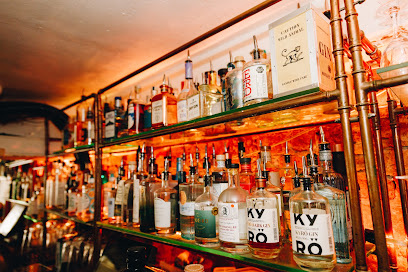
Musen & Elefanten
0.4 km
Smoky, old-school Copenhagen bar and cigar hideaway where classic drinks, worn wood and late-night conversations create a timeless, slightly secret atmosphere.
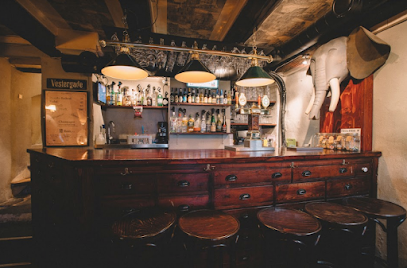
Proud Mary Pub
0.5 km
Loud, lively and central, Proud Mary Pub brings a British-style pub atmosphere, hearty bar food and big beer nights to Copenhagen’s Vesterbrogade.
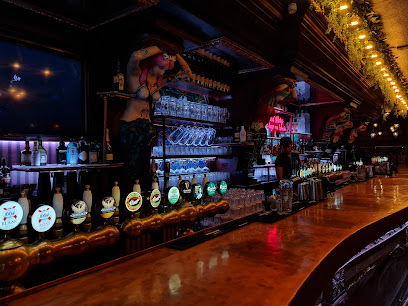
Nightclubs & after hour spots

Club Mambo
0.2 km
Experience the energetic nightlife of Copenhagen at Club Mambo, a vibrant night club offering salsa dancing, cocktails, and delicious dining.
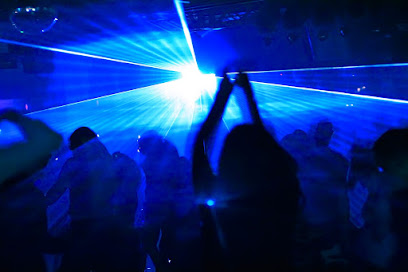
Chateau Motel
0.4 km
Discover the lively nightlife of Copenhagen at Chateau Motel, a top destination for cocktails and dancing in a vibrant atmosphere.
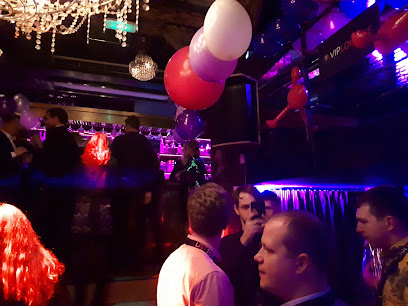
Dorsia
0.4 km
Central Copenhagen nightclub with late‑night DJs, cocktails and an image‑conscious crowd packed into a dark, modern interior off busy Kattesundet.
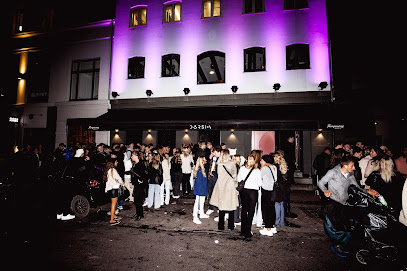
Miami Bar
0.5 km
Discover Copenhagen's nightlife at Miami Bar, where cocktails and dancing create unforgettable nights in a vibrant atmosphere.
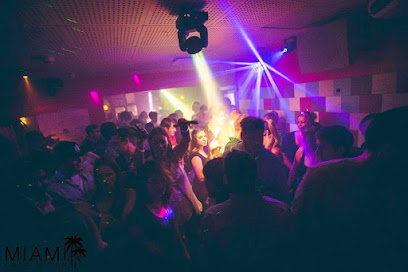
Hive
0.5 km
Copenhagen's premier high-end nightclub with cutting-edge design, VIP service, and immersive themed experiences.
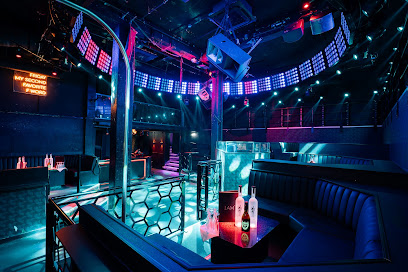
Mirror
0.5 km
Dive into the heart of Copenhagen's nightlife at Mirror, where the rhythm never stops and unforgettable memories are made.
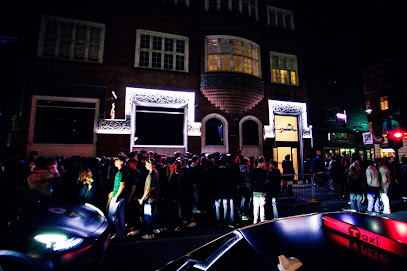
Rumors
0.5 km
Discover the heart of Copenhagen's nightlife at Rumors, where energetic vibes and unforgettable nights await you.
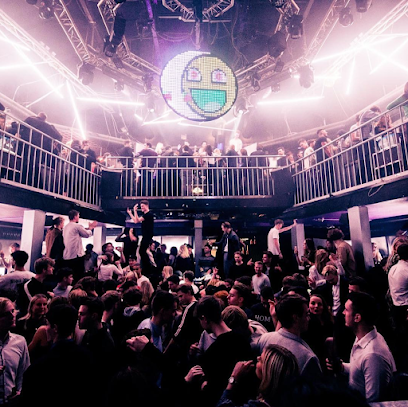
Module
0.5 km
Discover the ultimate nightlife experience at Module Night Club in Copenhagen, where world-class DJs and an electrifying atmosphere await.
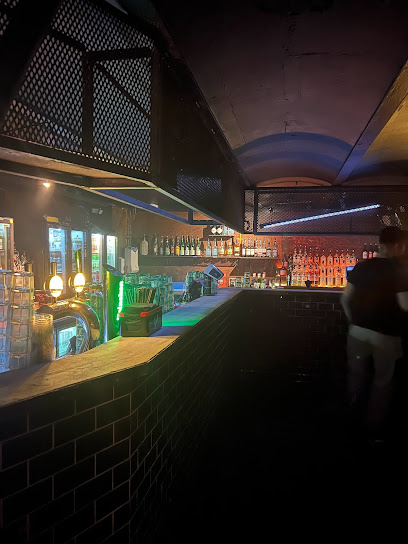
G*A*Y Copenhagen Nightclub
0.6 km
Experience the heart of LGBTQ+ nightlife at G*A*Y Copenhagen Nightclub, where vibrant energy and inclusive atmosphere await every visitor.
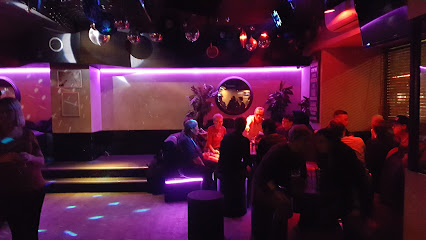
La Terraza
0.6 km
Compact nightclub on Studiestræde in Copenhagen’s old town, offering loud beats, straightforward drinks and an unpretentious late-night dance floor.
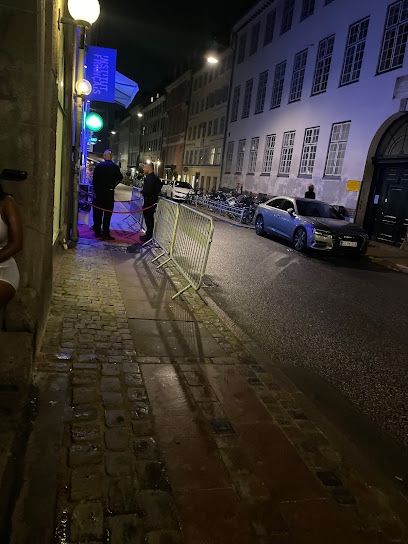
Cosy Bar
0.6 km
Discover the lively atmosphere of Cosy Bar, a top gay nightclub in Copenhagen offering fantastic music, vibrant crowds, and unforgettable nights.
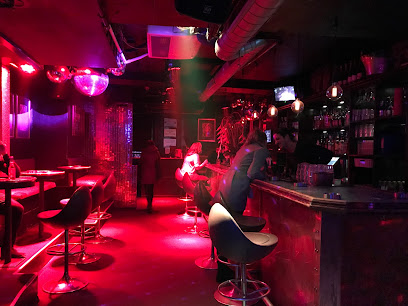
Never Mind
0.7 km
Experience the vibrant nightlife of Copenhagen at Never Mind, where electrifying music meets an eclectic crowd for unforgettable nights.
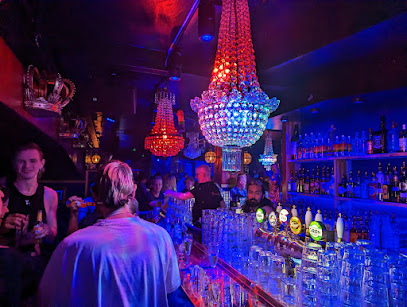
Den Anden Side
0.7 km
Discover the electrifying nightlife of Copenhagen at Den Anden Side, a techno haven for party lovers and night owls.
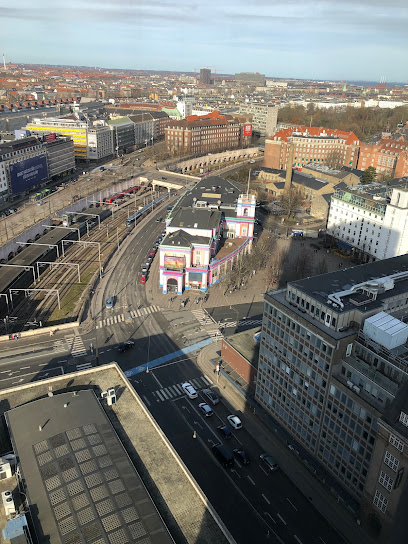
Arch
0.8 km
Discover the vibrant nightlife of Copenhagen at Arch, a premier night club offering electrifying music and an unforgettable atmosphere.
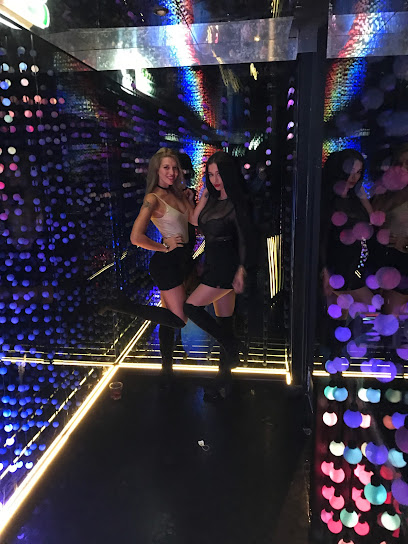
The Zoo
0.8 km
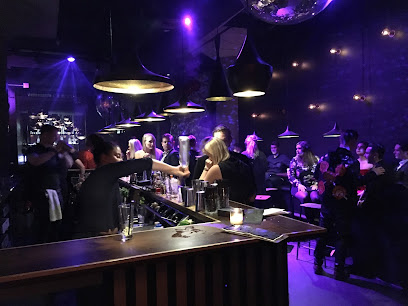
Intimate late-night nightclub on Sværtegade in Copenhagen’s historic center, blending a compact dance floor, DJ-driven beats and a casual, social bar atmosphere.
For the vibe & atmosphere seeker
- Scenic
- Fun-filled
- Lively
- Unique
- Casual
- Boutique
For the design and aesthetic lover
- Modern Designs
- Vintage Styles
For the architecture buff
- Historic
- Landmarks
- Art & Design
For the social media creator & influencer
- Instagrammable
- Photo Spots
- Architectural Shots
- Aesthetic Corners
For the eco-conscious traveler
- Public-Transport Accessible
- Locally Managed
For the kind of experience you’re after
- Cultural Heritage
- Photowalk
- Day Trip
- Mindfulness
For how adventurous you want the journey to be
- Easy Access
Location Audience
- Family Friendly
- Senior Friendly
- Child Friendly
- Teen Friendly
- Wheelchair Access
- Solo Friendly
- Couple Friendly
- Solo Female Friendly
- Vegetarian Friendly
- Vegan Friendly
- Business Friendly


