

Flagbakken, Skagen Travel Guide
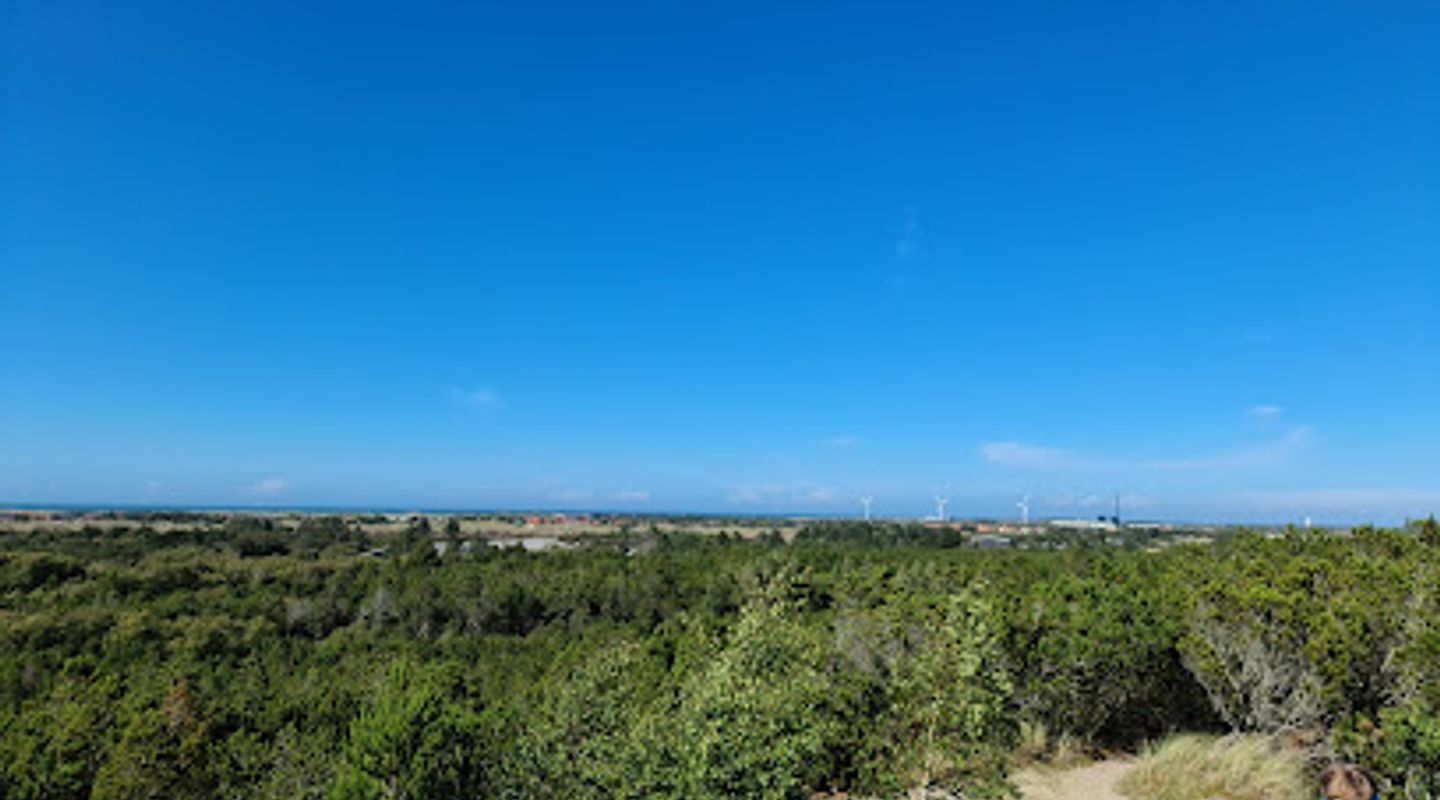
Free Guide: A low dune hill with a wide panorama, Flagbakken offers calm views over Skagen, the Buried Church and Skagen Klitplantage on an easy, wind-brushed walk.


A brief summary of Flagbakken
A low dune hill with a wide panorama, Flagbakken offers calm views over Skagen, the Buried Church and Skagen Klitplantage on an easy, wind-brushed walk.
Flagbakken is a low, windswept hill on the edge of Skagen Klitplantage that offers one of the finest open panoramas of Skagen and the surrounding dune landscape. A short but steady walk brings you to benches and a simple flagpole at the top, where you can look across the old and new town, glimpse the Buried Church and Højen (Old Skagen), and follow bird migration in season. It is an easy, free, year-round scenic stop close to Skagen yet wrapped in heath and plantation tranquility.
On-site amenities
 Seating areas
 Trash bins
Opening hours
- Every dayOpen 24 hours
Opening hours as listed on the venue’s Google Business Profile. Hours can change for services and special events, so check with the venue before you go.
- Address
- Gamle Landevej 34, 9990 Skagen
Getting there
Car from central Skagen
Bicycle from Skagen town
Walking from Skagen outskirts
Discover more about Flagbakken
A Windswept Hill Above Denmark’s Northern Tip
Flagbakken is a modest rise in the dune plantation just southwest of Skagen, but from its crest you gain a surprisingly wide sense of the landscape at the very top of Jutland. The hill sits within Skagen Klitplantage, a patchwork of pines, low heath and sandy tracks that feels far removed from town, even though the red roofs of Skagen are clearly in view. A single flagpole marks the summit, a simple landmark that has given the hill its name.From here, the meeting of town, sea and shifting sands becomes easy to read. To the north, you trace the outline of Skagen itself; to the west, your gaze runs towards Højen (Old Skagen) and the distant shimmer of Skagerrak. The view is open but not extreme, making Flagbakken a gentle introduction to the wider dune landscapes that define this coast.
Reading the Landscape: Old Skagen and the Buried Church
One of Flagbakken’s quiet fascinations is how many stories the view contains. Looking south and southwest you can pick out the white tower of Den Tilsandede Kirke, the Buried Church, half-swallowed by sand drifts over centuries. From this vantage point, the church appears exactly as it is: a stubborn remnant in a landscape constantly reshaped by wind.Turn slightly and you can distinguish between the compact, older core of Skagen and its newer districts reaching into the plantation edge. On clear days, sunlight catches red-tiled roofs and yellow facades that inspired generations of Skagen painters. Seen from above, the town feels small and almost fragile, tucked between dune ridges and water on both sides.
Birdlife and the Changing Skies
Flagbakken is also a subtle but rewarding spot for birdwatching. The northern tip of Denmark forms a natural funnel for migrating birds, and during the main migration periods spring and autumn, the skies above the hill can be busy. Keen observers bring binoculars to follow passing raptors, seabirds and flocks riding the wind along the coast.Even if you are not focused on wildlife, the constantly changing light is part of the appeal. Clouds sweep in from Skagerrak, shafts of sun break through over town and plantation, and evenings can bring lingering pastel tones typical of Skagen. The hill is exposed, so wind is almost a given, but that only adds to the sense of being out in the elements.
A Short Walk With a Big Reward
Reaching the top of Flagbakken involves only a brief walk on sandy and sometimes slightly uneven paths. It is not a demanding hike, but the final short ascent can feel steep if you are pushing a stroller or have limited mobility. At the summit, simple bench-and-table sets offer a place to rest, unpack a picnic or sip a thermos of coffee while you take in the view.Because there is no formal entrance, ticket booth or fence, you can come whenever the light and weather appeal: a bright winter morning for crisp air and long shadows, a mild summer evening for a quiet outlook after the beaches, or an autumn day to watch clouds racing overhead. It works as a quick leg-stretch on a day full of other sights, or as an unhurried hour of doing nothing in particular.
Part of a Wider Network of Trails
Flagbakken is not an isolated spot; it forms a natural pause on walking routes threading Skagen Klitplantage. One marked circular trail of just over 2 km loops around the hill and passes close to the Buried Church, combining forest, open heath and dune views. This makes it easy to weave the viewpoint into a half-day exploration without complex planning.Despite the trail network, the area rarely feels crowded. You share the paths with a mix of locals out for daily exercise, bird enthusiasts, and travelers looking beyond the harbour and town centre. There are no facilities at the top beyond seating and the flagpole, so the atmosphere remains low-key and close to nature.
A Quiet Counterpoint to Busy Skagen
In a town best known for beaches, museums and bustling summer streets, Flagbakken provides a contrasting experience: calm, airy and slightly removed. Standing here helps you understand the geography that shaped Skagen’s fishing heritage and its artistic allure. It is an easy recommendation for anyone who enjoys viewpoints, simple walks and a sense of space.Whether you come for a quick panorama, a sunset, or to follow the seasonal movement of birds across the sky, Flagbakken offers a small but memorable window onto Denmark’s northern edge.
Evendo Review Centre
 Google
Guest reviews
Best time to go
Quietest: Jan, Feb & Mar · before 7am or from 10pm
Busy times are Evendo estimates for a typical year, to help you plan. Actual crowds vary with events, school holidays and the weather.
Explore Flagbakken on the map
A handpicked selection of must-see spots near Flagbakken, mapped for you.
Get your free copy of our complete guide to Flagbakken, delivered straight to you.
Everything on this page, from opening hours and how to get there to Eve’s tips and the best time to go, in one PDF you can read offline, print or share.
Already have an account? Sign in
Your Flagbakken guide is ready.
We'll send it to · Not you? Sign out

Getting your guide ready…
We are putting together a fresh copy of the Flagbakken guide. This can take up to a minute.
This can take a few moments. If your browser asks, choose Allow so the download can start. You'll find the guide in your Downloads folder.
Nothing happened? Download it again
Sorry, the guide is taking longer than usual. Please try again in a minute, or get it by email instead.
Other nearby places you may find interesting
The closest places of the same kind, if this one is not quite what you had in mind.
-
-
-
-
-


Swipe for more places
More to explore near Flagbakken

 Best experiences near Flagbakken
 Best hotels near Flagbakken
 Best landmarks near Flagbakken
 Best attractions near Flagbakken
 Best shops near Flagbakken
 Best restaurants near Flagbakken
 Best bars near Flagbakken
Do you manage this location?
Take control to get all the benefits, like improved information, better appearance, and stronger visibility across AI-powered discovery.
Explore more
Explore more of Skagen
Discover Skagen, Denmark's northernmost town, where two seas meet, artists find inspiration, and nature's beauty is unparalleled.
Explore Skagen
Explore more of Denmark
Discover Denmark: A perfect blend of history, modern design, and the cozy concept of hygge. Explore vibrant cities, serene landscapes, and world-class cuisine.
Explore Denmark
