

Sandmilen, Skagen Travel Guide
Free Guide: A one‑kilometre ribbon of drifting sand between forest and sea, Sandmilen is Skagen’s quietly spectacular miniature desert on the Kattegat coast.


A brief summary of Sandmilen
A one‑kilometre ribbon of drifting sand between forest and sea, Sandmilen is Skagen’s quietly spectacular miniature desert on the Kattegat coast.
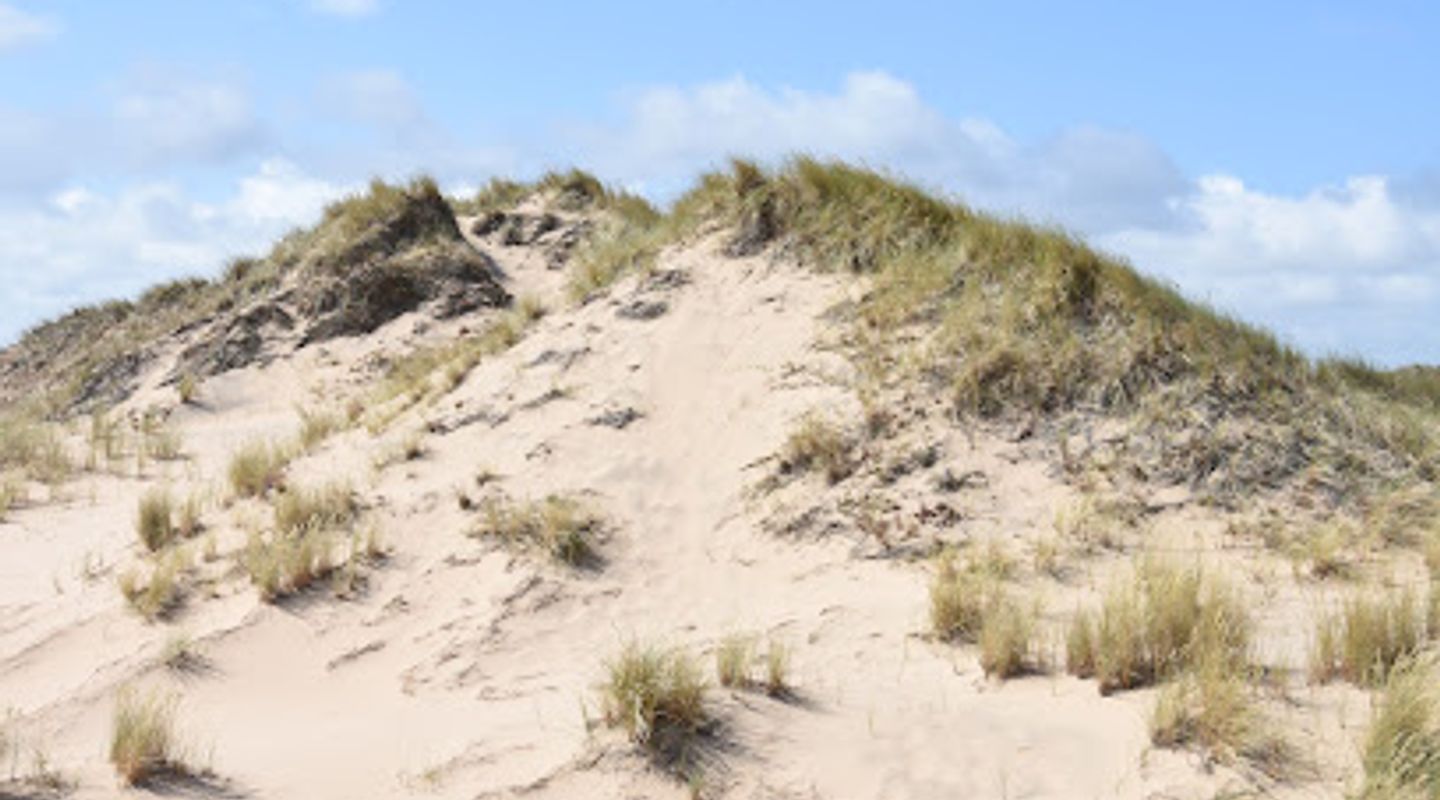
Sandmilen is one of Denmark’s largest active sand dunes, a 1 km–long belt of pale, wind‑shaped sand stretching from Skagen Klitplantage straight into the Kattegat. Just south of Skagen, this miniature desert offers rolling dunes, big skies and views that sweep from the forest edge to the sea. It is a place for barefoot walks, photography and feeling the raw North Jutland coast, with no built attractions to distract from the elements.
On-site amenities
 Trash bins
 Information boards
 Seating areas
Opening hours
- Every dayOpen 24 hours
Opening hours as listed on the venue’s Google Business Profile. Hours can change for services and special events, so check with the venue before you go.
- Address
- 9990 Skagen
Getting there
Car from central Skagen
Bicycle from Skagen town
Local bus from Skagen area
Discover more about Sandmilen
Shifting Sands on the Edge of the Kattegat
Sandmilen is a long, pale ribbon of sand running east–west between Skagen’s coastal forest and the Kattegat, just south of Denmark’s northern tip. After the larger Råbjerg Mile, it is the country’s biggest active dune system, stretching roughly one kilometre as it slowly drifts towards the sea. Under a wide North Jutland sky, the landscape feels surprisingly wild for such a compact area, with soft ridges, hollows and wind‑cut patterns changing from week to week.Standing on the higher crests, you can read the story of the coast in every direction: the dark green shelter of Skagen Klitplantage to the west, the shimmering strip of the Kattegat to the east, and, on clear days, silhouettes stretching down towards Frederikshavn. The sense of space is amplified by the light, which Skagen painters once famously chased; here that same light bounces off the sand in silvery tones that shift with every passing cloud.
A Landscape Shaped by Wind and History
The dunes around Skagen are the result of centuries of sand drift, when strong coastal winds swept grains inland and buried fields, tracks and buildings. In many parts of Jutland huge efforts were made to plant trees and stabilise the terrain, but Sandmilen is one of the places where the wind is still allowed to sculpt freely. Over time the dune has crept steadily towards the shoreline, spilling over small swales and pockets of hardy dune grass.Although Sandmilen itself holds few visible traces of past settlement, it forms part of a broader historic landscape where farms once struggled with encroaching sand. Nearby plantations, fences and planted marram grass tell of those attempts to tame the drift. Walking here, you step into that ongoing story: your footprints join wind‑cut ripples that may be erased within hours, while the dune continues its slow march eastward.
Experiencing Skagen’s Miniature Desert
For visitors, Sandmilen is less about ticking off sights and more about a simple, immersive encounter with sand, light and wind. Many people begin at the western edge near the forest, following faint paths across low heather and dwarf pines before the ground suddenly loosens into fine, almost white sand. From there you can pick your own route, climbing ridges, dropping into bowls and tracing the sharp curves where gusts have carved the slopes.The atmosphere changes with the weather. On calm days, it is a tranquil place for unhurried walks, children rolling down slopes and barefoot wandering along the dune’s crest. In stronger winds, the experience becomes more elemental: sand snakes across the surface, stinging ankles, and the sound of the sea merges with the rush of air over the ridges. Outside high summer you can often find pockets of solitude, sharing the landscape mainly with seabirds and the occasional kite overhead.
Views, Photography and Simple Pleasures
Sandmilen invites a slower pace. Photographers are drawn to its minimalism: gentle lines of dunes, lone clumps of grass, and the contrast between pale sand, blue sea and dark forest. Early morning and late afternoon bring the most dramatic light, when long shadows pick out every ripple, and the horizon glows in soft pastel bands. From certain high points you can glimpse both forest and sea at once, a classic Skagen juxtaposition.There are no built facilities on the dune itself, which is part of its charm. Pack water, a windproof layer and perhaps a picnic to enjoy in the lee of a ridge. The sand is soft underfoot, making walking a little more tiring than the distance suggests, but also ideal for going barefoot in warmer months. After time among the dunes, many visitors continue down to the nearby beach to cool their feet at the water’s edge before looping back through the shelter of the trees.
Respecting a Fragile Coastal Environment
Although Sandmilen feels robust, it is a sensitive coastal ecosystem where plants and dune forms can be damaged by careless use. Stick to existing paths through the vegetation at the margins, and avoid trampling the low, binding grasses that help stabilise the edges. Wind can change conditions quickly, so be prepared for blowing sand and shifting weather, especially outside summer.The area is most comfortable in mild, dry conditions, but with the right clothing it can be atmospheric in cooler seasons too. Low winter sun throws stark shadows across the ridges, and on crisp, clear days the air feels remarkably fresh. Whether you stay for a quick leg‑stretch or several contemplative hours, Sandmilen offers a quietly powerful encounter with the forces that have shaped North Jutland’s coastline for generations.
Evendo Review Centre
 Google
Guest reviews
Best time to go
Quietest: Jan, Feb & Dec · before 7am or from 10pm
Busy times are Evendo estimates for a typical year, to help you plan. Actual crowds vary with events, school holidays and the weather.
Explore Sandmilen on the map
A handpicked selection of must-see spots near Sandmilen, mapped for you.
Get your free copy of our complete guide to Sandmilen, delivered straight to you.
Everything on this page, from opening hours and how to get there to Eve’s tips and the best time to go, in one PDF you can read offline, print or share.
Already have an account? Sign in
Your Sandmilen guide is ready.
We'll send it to · Not you? Sign out

Getting your guide ready…
We are putting together a fresh copy of the Sandmilen guide. This can take up to a minute.
This can take a few moments. If your browser asks, choose Allow so the download can start. You'll find the guide in your Downloads folder.
Nothing happened? Download it again
Sorry, the guide is taking longer than usual. Please try again in a minute, or get it by email instead.
Other nearby places you may find interesting
The closest places of the same kind, if this one is not quite what you had in mind.
-
-
-
-
-


Swipe for more places
More to explore near Sandmilen

 Best experiences near Sandmilen
 Best hotels near Sandmilen
 Best landmarks near Sandmilen
 Best attractions near Sandmilen
 Best shops near Sandmilen
 Best restaurants near Sandmilen
 Best bars near Sandmilen
Do you manage this location?
Take control to get all the benefits, like improved information, better appearance, and stronger visibility across AI-powered discovery.
Explore more
Explore more of Skagen
Discover Skagen, Denmark's northernmost town, where two seas meet, artists find inspiration, and nature's beauty is unparalleled.
Explore Skagen
Explore more of Denmark
Discover Denmark: A perfect blend of history, modern design, and the cozy concept of hygge. Explore vibrant cities, serene landscapes, and world-class cuisine.
Explore Denmark
