Maskinrummet, Skagen Travel Guide
Free Guide: Industrial nostalgia, roaring engines and maritime stories come together at Skagen’s harbour-side Maskinrummet, where Denmark’s engine heritage is brought vividly to life.


A brief summary of Maskinrummet
Industrial nostalgia, roaring engines and maritime stories come together at Skagen’s harbour-side Maskinrummet, where Denmark’s engine heritage is brought vividly to life.
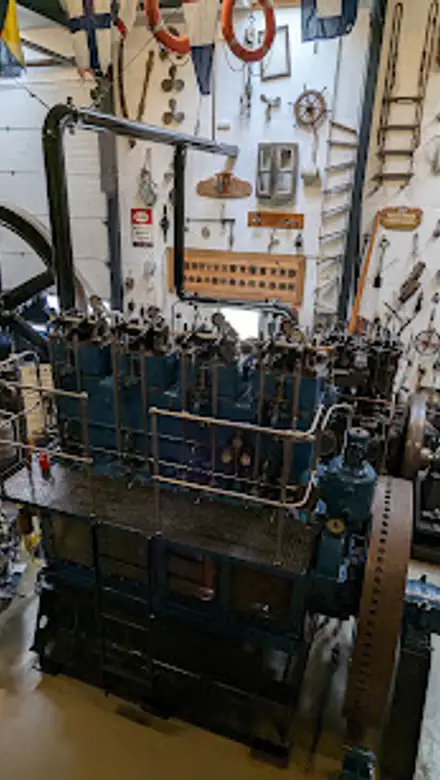
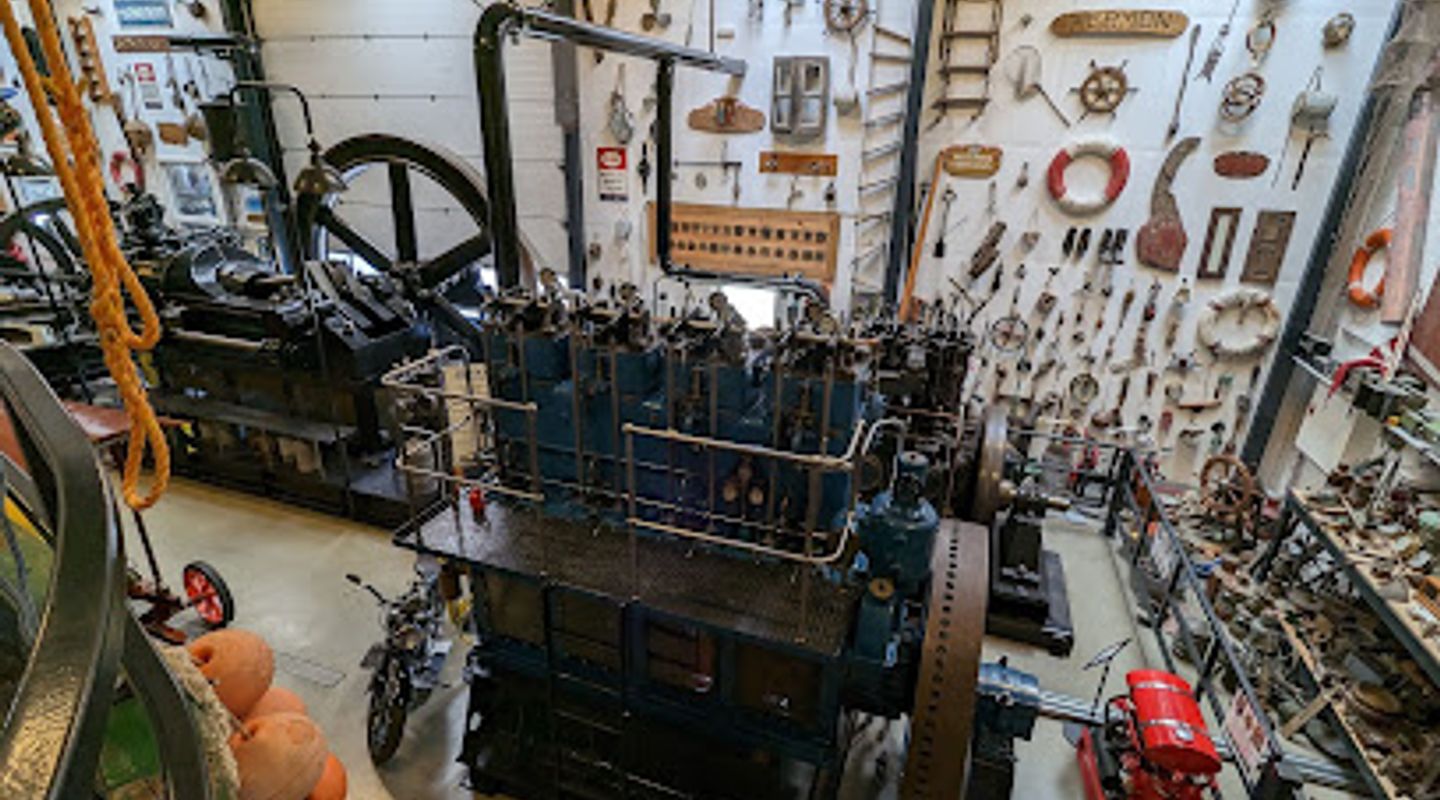
Maskinrummet in Skagen is an immersive engine and maritime heritage center on the town’s working harbour, showcasing one of Denmark’s largest collections of historic engines. Inside the industrial-style halls you wander between hundreds of lovingly restored stationary, marine, gas, petrol and diesel engines, vintage vehicles and thousands of nautical artefacts. It is part museum, part living workshop, with engines started up, stories from the sea, a relaxed cafeteria and a welcoming, hands-on atmosphere for all ages.
On-site amenities
 Restrooms
 Drink options
 Food options
 Seating areas
 Trash bins
 Information boards
Opening hours
- Every day9 am–3:30 pm
Opening hours as listed on the venue’s Google Business Profile. Hours can change for services and special events, so check with the venue before you go.
- Address
- Jollevej 4, 9990 Skagen
- Phone
- Website
Getting there
Walking from central Skagen
Local bus within Skagen
Train and short walk from Skagen Station
Taxi within Skagen area
Discover more about Maskinrummet
Engines, Salt Air and a Working Harbour Setting
Maskinrummet sits right on Skagen’s harbour, surrounded by fishing vessels, workshops and the smell of salt on the breeze. The building has the feel of a big industrial shed: high ceilings, steel beams and wide doors that once suited the rhythms of working boats and machines. Stepping inside, your eyes adjust from the bright quay to a forest of pistons, flywheels and polished metal glinting under soft, workshop-style lighting.The hum of conversation mixes with the occasional cough of a starting engine or the clink of tools from a bench. Windows and open doors keep you connected to the harbour just outside, so the place feels both a museum and an extension of the working port. It is an ideal first stop to understand Skagen not just as a pretty town of yellow houses and painters, but as a community built on ships, engines and the power that drove them.
Denmark’s Great Gallery of Engines
At the heart of Maskinrummet is a vast collection of more than 500 engines gathered from shipyards, farms and factories across Scandinavia and beyond. You weave between squat stationary engines that once powered sawmills, elegant marine engines with gleaming brass fittings, and compact petrol and diesel units that were the beating hearts of small fishing boats. Many are displayed with clear explanations, technical data and stories of where they once worked.Some engines are preserved exactly as found, bearing the patina of decades of use, while others have been restored to showroom sheen. Periodically staff and volunteers start selected engines, filling the hall with rhythmic thumps, whirs and the unmistakable smell of oil and warm metal. It becomes easy to imagine these machines straining against the sea, pulling nets heavy with fish or turning winches deep in a ship’s hull.
Maritime Memories and Thousands of Artefacts
Beyond the engines, Maskinrummet unfolds into a trove of maritime and agricultural objects. Shelves and glass cases hold compasses, lamps, tools, gauges and ship fittings. In another area, model ships sit beside rows of delicate bottle ships, each tiny vessel patiently built inside glass by steady hands. Vintage vehicles and mopeds add a different note of nostalgia, hinting at rural roads and small-town garages.Interpretive panels and displays sketch out Skagen’s maritime story: the development of fishing fleets, the technology that made longer voyages possible, and the everyday life of people who lived with the sea as their workplace. Rather than focusing on famous battles or grand liners, the emphasis here is on working boats, coastal trades and the ingenuity that allowed small communities to thrive at the edge of the North Sea.
Hands-On Discovery for Curious Minds
Maskinrummet is designed as an experience center as much as a museum. Children are well catered for with a dedicated play area where they can clamber, build and explore in a space scaled to their size, while still feeling part of the industrial setting around them. Interactive elements invite you to press buttons to see mechanisms move, compare different types of engines, or trace how power is transmitted from piston to propeller.Guided explanations by staff or volunteers help demystify the more technical aspects, but you are equally free to wander and linger where your interests take you. The overall rhythm encourages slow exploration, letting you notice details like makers’ plates from long-closed factories or the elegant curves of old castings. It is as much about the craft and design of machinery as about horsepower figures.
Cafeteria Comfort and Harbour Atmosphere
A small cafeteria area serves as the social heart of Maskinrummet. Here you can sit with a coffee or a simple lunch while still surrounded by engines and displays, the line between exhibition and café pleasantly blurred. Large windows open towards the harbour, so your break comes with views of masts, cranes and the steady pulse of port life outside.The atmosphere is informal and welcoming; there is no rush to move on, and it is easy to spend more time than planned over a second drink while discussing favourite exhibits or spotting details that tempt you back into the collection. This combination of technical fascination and relaxed café culture makes Maskinrummet an easy place to enjoy even if only part of your group is truly “engine mad”.
Skagen’s Industrial Soul in One Place
Maskinrummet offers a different angle on Skagen, complementing the town’s artistic and natural attractions with a focus on industry and innovation. It ties together stories of fishing, farming and transport, showing how engines reshaped daily life in this far-north corner of Denmark. For some visitors the highlight will be the sheer variety of machines; for others, it is the sense of stepping into a living archive where history still sputters into life with every started engine.Whether you stay briefly or explore every corner, you leave with a clearer picture of how hard work, mechanical ingenuity and the sea itself have shaped Skagen over the past century. Few places make the power behind that story as tangible – and as enjoyable – as Maskinrummet.
Evendo Review Centre
 Google
Guest reviews
Best time to go
Quietest: Jan, Feb & Nov · before 8am or at 5pm
Busy times are Evendo estimates for a typical year, to help you plan. Actual crowds vary with events, school holidays and the weather.
Explore Maskinrummet on the map
A handpicked selection of must-see spots near Maskinrummet, mapped for you.
Get your free copy of our complete guide to Maskinrummet, delivered straight to you.
Everything on this page, from opening hours and how to get there to Eve’s tips and the best time to go, in one PDF you can read offline, print or share.
Already have an account? Sign in
Your Maskinrummet guide is ready.
We'll send it to · Not you? Sign out

Getting your guide ready…
We are putting together a fresh copy of the Maskinrummet guide. This can take up to a minute.
This can take a few moments. If your browser asks, choose Allow so the download can start. You'll find the guide in your Downloads folder.
Nothing happened? Download it again
Sorry, the guide is taking longer than usual. Please try again in a minute, or get it by email instead.
Other nearby places you may find interesting
The closest places of the same kind, if this one is not quite what you had in mind.
-
-
-
-
-


Swipe for more places
More to explore near Maskinrummet

 Best experiences near Maskinrummet
 Best hotels near Maskinrummet
 Best landmarks near Maskinrummet
 Best attractions near Maskinrummet
 Best shops near Maskinrummet
 Best restaurants near Maskinrummet
 Best bars near Maskinrummet
Do you manage this location?
Take control to get all the benefits, like improved information, better appearance, and stronger visibility across AI-powered discovery.
Explore more
Explore more of Skagen
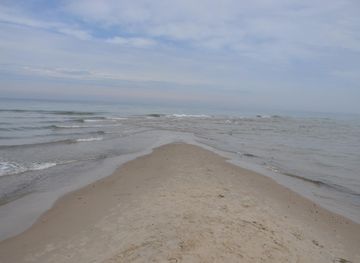
Discover Skagen, Denmark's northernmost town, where two seas meet, artists find inspiration, and nature's beauty is unparalleled.
Explore Skagen
Explore more of Denmark
Discover Denmark: A perfect blend of history, modern design, and the cozy concept of hygge. Explore vibrant cities, serene landscapes, and world-class cuisine.
Explore Denmark