Drachmanns Hus, Skagen Travel Guide
Free Guide: The eccentric poet's intimate studio where Danish literary genius met artistic vision


A brief summary of Drachmanns Hus
The eccentric poet's intimate studio where Danish literary genius met artistic vision
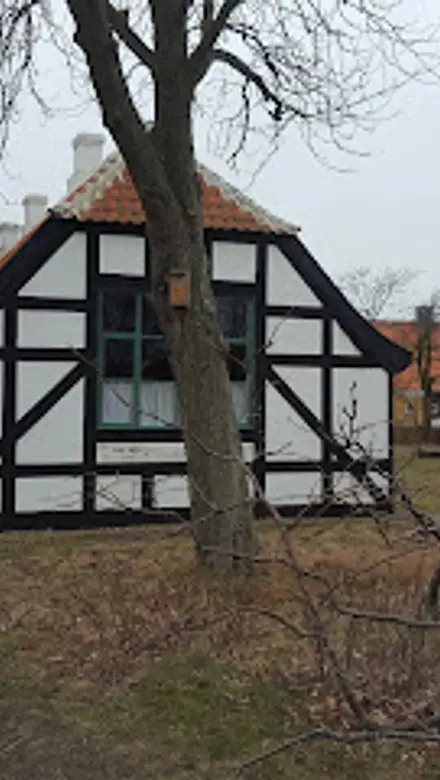
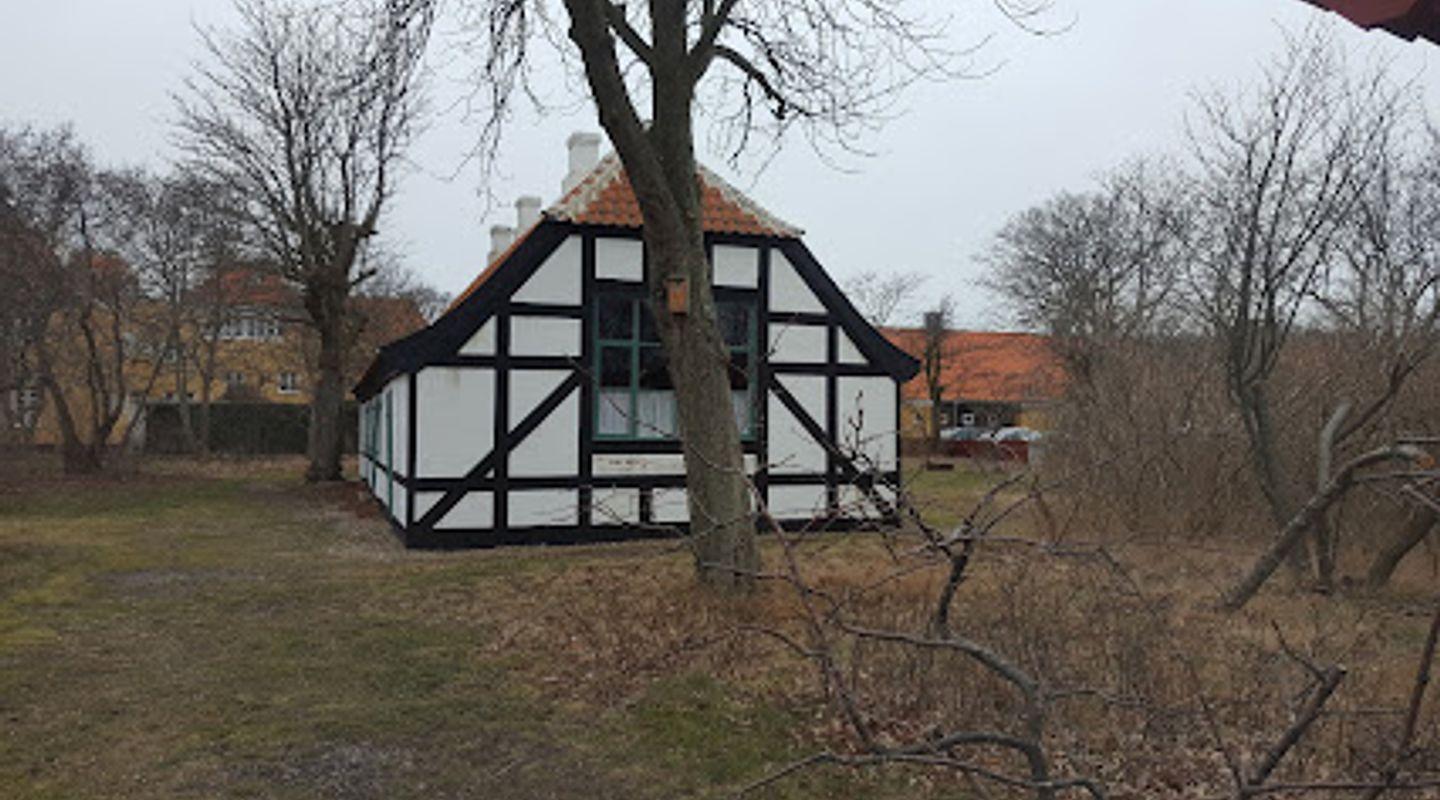
Step into the intimate home and studio of Holger Drachmann, one of Denmark's most celebrated poets and painters. This small museum preserves the eccentric artist's personal world, featuring approximately 150 of his drawings and paintings alongside period furnishings, travel souvenirs, and memorabilia. Located in the picturesque coastal town of Skagen, the house offers a glimpse into the creative life of a literary giant who shaped Danish cultural history during the late 19th and early 20th centuries.
On-site amenities
 Restrooms
 Information boards
 Seating areas
Opening hours
- Every day11 am–4 pm
Opening hours as listed on the venue’s Google Business Profile. Hours can change for services and special events, so check with the venue before you go.
- Address
- Hans Baghs Vej 21, 9990 Skagen
- Phone
- Website
Getting there
Car
Public Bus
Walking
Taxi or Ride-Share
Discover more about Drachmanns Hus
The Visionary Who Put Skagen on the Artistic Map
Holger Drachmann arrived in Skagen in 1872 and immediately recognized the extraordinary potential of this remote northern Danish peninsula. His enthusiastic appraisal of the landscape and light inspired countless artists to follow, establishing Skagen as one of Europe's most important artistic colonies. Though trained as a painter, Drachmann achieved his greatest fame as a writer—his poetry and plays made him the most celebrated Danish author of his era. Yet he remained a restless, eccentric figure: a man with a long white beard, often seen wearing a wide-brimmed hat and cape, perpetually caught between artistic ambition and financial instability.
A Late-Life Sanctuary Named Pax
It was not until 1902, when Drachmann was already in his mid-fifties, that he finally acquired his own home in Skagen. He purchased a former schoolmaster's cottage and transformed it into a combined studio and residence, naming it Pax—a fitting choice for a man whose life had been marked by constant upheaval. He lived here with his third wife, Soffi Lasson, until his death in 1908. The house became a creative sanctuary where he could work surrounded by the objects and atmospheres that fueled his imagination.
An Interior Reflecting a Wanderer's Soul
The interior of Drachmanns Hus is as unconventional as its owner. Norwegian vernacular furniture mingles with souvenirs from his extensive travels and deeply personal memorabilia. His artistic circle played an active role in shaping the space: the celebrated artist couple Marie and Peder Severin Krøyer participated in the interior decoration, with Marie designing several pieces of furniture inspired by the Arts & Crafts movement. This eclectic arrangement—part studio, part collector's cabinet, part home—creates an authentic portrait of a creative life lived without compromise or convention.
A Gallery of Creative Output
The walls of Drachmanns Hus display approximately 150 drawings and paintings, the majority by Drachmann himself, alongside works by other artists of the Skagen school. Visitors encounter not only finished artworks but also personal possessions that humanize the historical figure: his plaited slippers, correspondence, and everyday objects that reveal the man behind the legend. The collection captures both his artistic ambitions and the intimate details of domestic life, offering insight into how creativity and daily existence were inseparable in his world.
A Window into Skagen's Golden Age
Drachmanns Hus stands as a time capsule of Skagen's artistic golden age, preserved much as it appeared during the artist's final years. The house remains modest in scale and intimate in atmosphere, inviting visitors to imagine Drachmann at work in his studio or entertaining fellow artists in his sitting room. The setting evokes the particular magic that drew so many creative spirits to this windswept corner of Denmark—a place where light, landscape, and artistic community converged to produce some of Northern Europe's most important art.
Evendo Review Centre
 Google
Guest reviews
Best time to go
Quietest: Jan, Feb & Nov · before 10am or from 4pm
Busy times are Evendo estimates for a typical year, to help you plan. Actual crowds vary with events, school holidays and the weather.
Explore Drachmanns Hus on the map
A handpicked selection of must-see spots near Drachmanns Hus, mapped for you.
Get your free copy of our complete guide to Drachmanns Hus, delivered straight to you.
Everything on this page, from opening hours and how to get there to Eve’s tips and the best time to go, in one PDF you can read offline, print or share.
Already have an account? Sign in
Your Drachmanns Hus guide is ready.
We'll send it to · Not you? Sign out

Getting your guide ready…
We are putting together a fresh copy of the Drachmanns Hus guide. This can take up to a minute.
This can take a few moments. If your browser asks, choose Allow so the download can start. You'll find the guide in your Downloads folder.
Nothing happened? Download it again
Sorry, the guide is taking longer than usual. Please try again in a minute, or get it by email instead.
Other nearby places you may find interesting
The closest places of the same kind, if this one is not quite what you had in mind.
-
-
-
-
-


Swipe for more places
More to explore near Drachmanns Hus

 Best experiences near Drachmanns Hus
 Best hotels near Drachmanns Hus
 Best landmarks near Drachmanns Hus
 Best attractions near Drachmanns Hus
 Best shops near Drachmanns Hus
 Best restaurants near Drachmanns Hus
 Best bars near Drachmanns Hus
Do you manage this location?
Take control to get all the benefits, like improved information, better appearance, and stronger visibility across AI-powered discovery.
Explore more
Explore more of Skagen
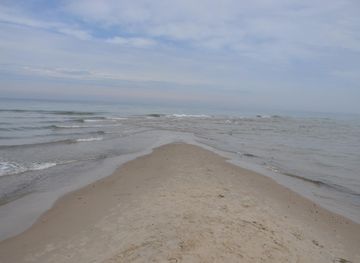
Discover Skagen, Denmark's northernmost town, where two seas meet, artists find inspiration, and nature's beauty is unparalleled.
Explore Skagen
Explore more of Denmark
Discover Denmark: A perfect blend of history, modern design, and the cozy concept of hygge. Explore vibrant cities, serene landscapes, and world-class cuisine.
Explore Denmark