

Skagen Marina, Skagen Travel Guide
Free Guide: A bustling mix of yachts, fishing boats and seafood sheds, Skagen Marina captures the maritime soul and golden light of Denmark’s far northern tip.


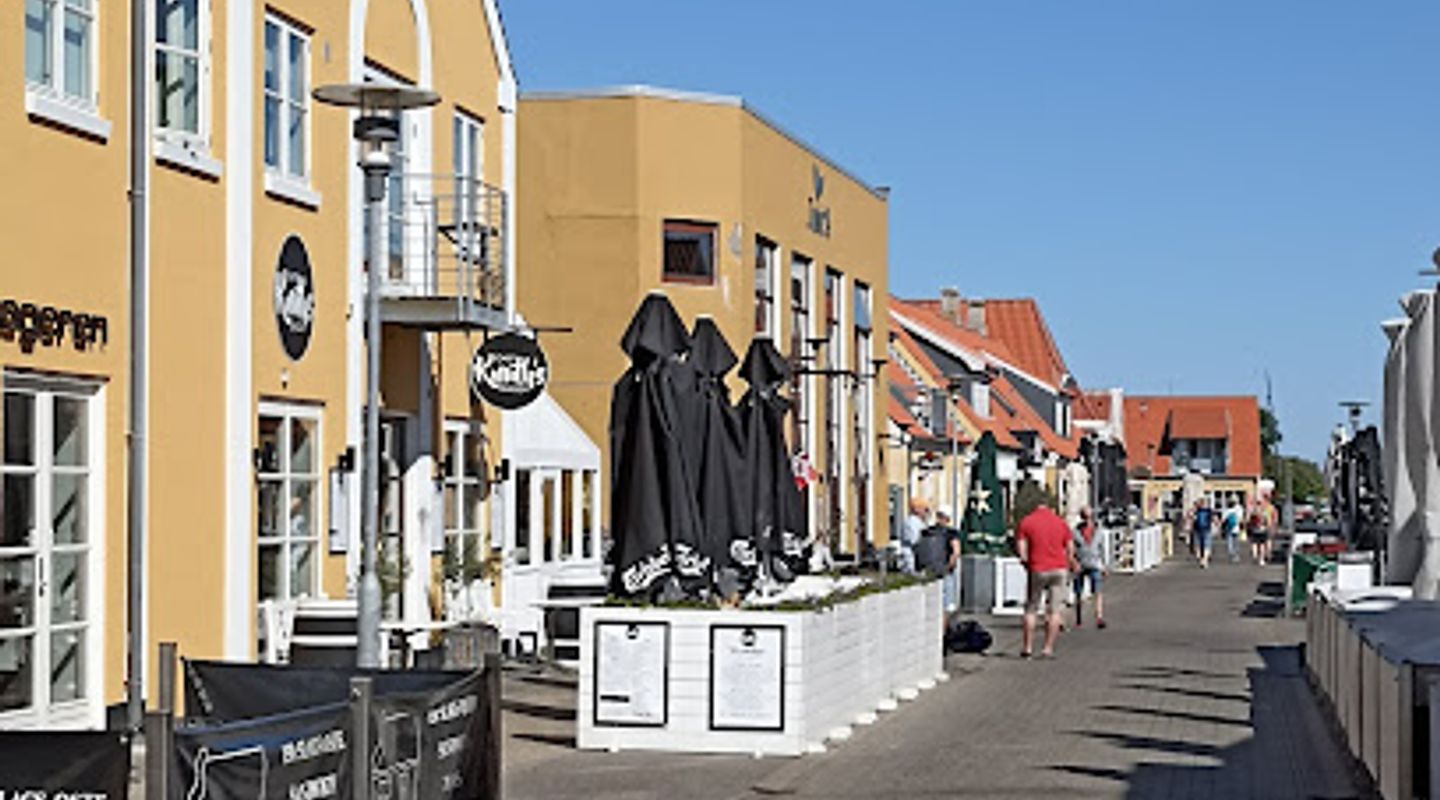
A brief summary of Skagen Marina
A bustling mix of yachts, fishing boats and seafood sheds, Skagen Marina captures the maritime soul and golden light of Denmark’s far northern tip.
Skagen Marina is a lively pleasure‑boat harbour wrapped inside Denmark’s largest fishing port at the very tip of Jutland. Yachts line the quays between old fishing sheds and modern piers, while the smell of smoked fish and the cries of seabirds drift over the masts. Just steps from Skagen’s compact centre, the marina blends working harbour grit with cosy restaurants, fishmongers and evening promenades along the water, all backed by the famous North Jutland light.
On-site amenities
 Restrooms
 Drink options
 Drinking water
 Food options
 Seating areas
 Trash bins
 Information boards
 Visitor centre
- Address
- Rødspættevej 10, 9990 Skagen
- Website
Getting there
Train and walk from Skagen Station
Bus from Frederikshavn and short walk
Car or camper via main road from Frederikshavn
Discover more about Skagen Marina
Harbour life at Denmark’s northern tip
Skagen Marina, or Skagen Lystbådehavn, sits where the Kattegat and Skagerrak seas meet, tucked inside the wider Port of Skagen. Here pleasure craft share the waterfront with trawlers, pilot boats and cruise ships, creating a constant sense of movement. The marina basins between the old pier and the newer piers are reserved for yachts in season, with floating pontoons and quay moorings giving the harbour a forest of masts in summer.Despite the maritime bustle, the scale feels intimate. Wooden walkways, low quays and a mix of classic and modern boats keep you close to the water. Gulls wheel overhead, halyards tap against aluminium masts and the air carries a blend of brine, diesel, tar and freshly cooked seafood that instantly roots you in a working North Sea port.
From fishing harbour to nautical playground
The harbour that cradles Skagen Marina was first built in the early 1900s to protect local fishermen from the fierce seas and shifting sands off Denmark’s northern headland. Over time it expanded into the country’s leading fishing port, with long quays, auction halls and fish‑processing plants stretching along the waterfront. Within this industrial setting, a separate area was gradually set aside for pleasure boats.Today that evolution is easy to read in the landscape. Heavy fishing vessels still land herring and other pelagic catches nearby, while sleek yachts and cruising sailboats lie only a basin or two away. The lighthouses on the headland, historic rescue services and tales of wrecks on the sandbanks all add a layer of maritime drama to what is now also a relaxed sailing destination.
Quayside flavours and evening atmosphere
One of Skagen Marina’s great charms is how quickly a harbour stroll turns into a meal. Alongside the moorings you find old fish warehouses – the so‑called Fiskepakhuse – some designed by architect Thorvald Bindesbøll, now housing fishmongers and restaurants. Counters spill over with prawns, fish cakes and smoked specialities that can be eaten on simple benches or at cosy indoor tables.As daylight lingers on summer evenings, the quays come alive with a soft festival feel. Locals and visitors wander between boats with ice creams or beers in hand, pausing to watch ferries and cruise ships manoeuvre outside the marina basin. Musicians occasionally set up by the sheds, and the distinctive amber glow of Skagen’s light washes over yellow‑painted buildings and polished hulls alike.
Facilities for sailors and shore‑side strollers
For those arriving by boat, Skagen Marina is well equipped. Berths typically provide electricity and fresh water, and there are sanitary buildings with showers, toilets, washing machines and dryers. Wi‑Fi access, fuel on Pier 1, repair services, sailmakers and a boatyard all reflect the town’s deep nautical expertise. Larger yachts coordinate with the harbour administration for berths in deeper basins, while smaller craft slot into the central pontoons close to the action.Even without a boat, the marina is easy to enjoy. Piers and quays are open to casual strolling, with clear views towards the fishing harbour and, further out, the broader industrial port. Information boards and maritime details – coils of rope, nets drying along a wall, the silhouettes of distant lighthouses – invite curious eyes and cameras. The compact town centre lies just behind the waterfront, so shops, galleries and museums are within a short walk.
Gateway to sea, sand and northern light
Skagen Marina also works as a gentle introduction to the wider landscapes that make this corner of Denmark so distinctive. From the quays, it is only a short journey to the spit of Grenen, where two seas visibly collide, or to long beaches backed by dunes and heath. Many visiting yachts treat the marina as a base for exploring these coastal sights between passages north to Norway or east towards the Baltic.Throughout, there is a strong sense of continuity between seafaring past and present. Rescue stories, memorials to lost fishermen and models of the harbour’s early days are preserved in nearby museums, while modern cruise ships and leisure craft keep the waterfront firmly in the present. Standing by the marina railings, watching a fishing boat slip past a visiting yacht under the big Scandinavian sky, you feel that Skagen’s relationship with the sea is still very much alive.
Evendo Review Centre
 Google
Guest reviews
Best time to go
Quietest: Jan, Feb & Mar · before 3am
Busy times are Evendo estimates for a typical year, to help you plan. Actual crowds vary with events, school holidays and the weather.
Explore Skagen Marina on the map
A handpicked selection of must-see spots near Skagen Marina, mapped for you.
Get your free copy of our complete guide to Skagen Marina, delivered straight to you.
Everything on this page, from opening hours and how to get there to Eve’s tips and the best time to go, in one PDF you can read offline, print or share.
Already have an account? Sign in
Your Skagen Marina guide is ready.
We'll send it to · Not you? Sign out

Getting your guide ready…
We are putting together a fresh copy of the Skagen Marina guide. This can take up to a minute.
This can take a few moments. If your browser asks, choose Allow so the download can start. You'll find the guide in your Downloads folder.
Nothing happened? Download it again
Sorry, the guide is taking longer than usual. Please try again in a minute, or get it by email instead.
Other nearby places you may find interesting
The closest places of the same kind, if this one is not quite what you had in mind.
-
-
-
-
-


Swipe for more places
More to explore near Skagen Marina

 Best experiences near Skagen Marina
 Best hotels near Skagen Marina
 Best landmarks near Skagen Marina
 Best attractions near Skagen Marina
 Best shops near Skagen Marina
 Best restaurants near Skagen Marina
 Best bars near Skagen Marina
Do you manage this location?
Take control to get all the benefits, like improved information, better appearance, and stronger visibility across AI-powered discovery.
Explore more
Explore more of Skagen
Discover Skagen, Denmark's northernmost town, where two seas meet, artists find inspiration, and nature's beauty is unparalleled.
Explore Skagen
Explore more of Denmark
Discover Denmark: A perfect blend of history, modern design, and the cozy concept of hygge. Explore vibrant cities, serene landscapes, and world-class cuisine.
Explore Denmark
