Kongeligt Toldkammer, Skagen Travel Guide
Free Guide: A modest former Royal Customs Chamber in Skagen’s harbour, where brick, ledgers and fishing boats quietly reveal the town’s seafaring and trading past.


A brief summary of Kongeligt Toldkammer
A modest former Royal Customs Chamber in Skagen’s harbour, where brick, ledgers and fishing boats quietly reveal the town’s seafaring and trading past.
Tucked into Skagen’s working harbour on Aktionsvej, the former Royal Customs Chamber (Kongeligt Toldkammer) is a modest but evocative reminder of the town’s seafaring heyday. From the outside, the brick building and surrounding quays whisper of days when customs officers oversaw bustling trade, herring exports and arriving cargo ships. Today it sits amid warehouses, fishing boats and maritime industry, offering a quiet, atmospheric pause where you can sense how crucial shipping and customs once were to Skagen’s fortunes.
On-site amenities
 Restrooms
 Drink options
 Drinking water
 Food options
 Seating areas
 Trash bins
 Information boards
- Address
- Aktionsvej 7, 9990 Skagen
Getting there
Train and short walk from central Skagen
Local bus within Skagen
Bicycle from Skagen town centre
Discover more about Kongeligt Toldkammer
Where Skagen’s Trade Was Counted
Kongeligt Toldkammer in Skagen is a former Royal Customs Chamber, once central to Denmark’s control of maritime trade at the far northern tip of Jutland. Set close to the harbour on Aktionsvej, the building sat at a natural bottleneck where goods passed between ships and shore. Here customs officials would record cargoes, levy duties and keep watch over the constant flow of fish, timber and imported goods that helped build Skagen’s prosperity.From the outside, the structure reflects the practical, maritime character of the town: solid walls, restrained detailing and an unpretentious footprint that fits neatly among warehouses and industrial sheds. Rather than grand ornament, its authority comes from its position and purpose – a quiet administrative heart embedded in a working port.
Harbour Life Then and Now
Standing near the former customs building, you are surrounded by the sounds and smells that still define Skagen’s waterfront. Fishing boats maneuver in and out of the harbour, gulls call overhead and the tang of salt and diesel hangs in the air. It is easy to imagine an earlier era when wooden vessels queued at the quayside, their holds full of herring destined for distant markets.The customs office bridged official control and everyday labour. Skippers, traders and local workers would have passed its doors daily, moving between counting-houses, fish auctions and warehouses. Even as modern equipment and larger vessels have changed the skyline, the building’s continued presence helps tie the contemporary port back to its historic rhythms.
Skagen’s Maritime Story in Brick and Paper
Skagen’s history is deeply bound to the sea: shipwrecks on shifting sands, the development of lighthouses, and the rise of a major fishing harbour in the early 20th century. The customs chamber represents the quieter, documentary side of that story, where ledgers, stamps and official seals turned unpredictable ocean harvests into taxable trade.Within these walls, officials would have tracked not only fish, but also coal, building materials and everyday provisions that reached this remote northern town. The records kept here shaped public revenues, harbour expansion and even the town’s shift from pure fishing community to a destination for visitors, artists and seasonal residents.
An Atmospheric Pause in an Industrial Quarter
Today visitors primarily encounter Kongeligt Toldkammer from the outside, appreciating it as part of a broader harbour walk rather than as a stand‑alone museum. The surrounding area mixes warehouses, workshops and moored vessels, giving the stop an authentic working‑port feel rather than a polished heritage setting.This makes the spot particularly appealing for travellers who enjoy photographing industrial textures, maritime details and glimpses of everyday coastal life. The play of light on brick, rusting bollards, coiled ropes and the clean lines of modern fishing boats creates a rich visual contrast that fits Skagen’s reputation for distinctive northern light.
A Quiet Corner for Reflection and Photography
Although compact, the former customs chamber rewards a few unhurried minutes. It works well as a pause between better‑known sights, offering a sense of place that is grounded in work and trade rather than in curated exhibits. In calm weather, it can feel almost meditative: just you, the brickwork, the slap of water against hulls and the slow choreography of harbour activity.For photographers, this is a chance to capture Skagen beyond its beaches and painters’ villas. The building and its surroundings tell a subtler story of paperwork and port labour, of how a distant corner of Denmark was knitted into wider commercial routes. Even without stepping inside, you leave with a clearer sense of how the town functioned when every ship’s arrival passed, in some way, through this modest customs post.
Evendo Review Centre
 Google
Guest reviews
Best time to go
Quietest: Jan, Feb & Mar · before 7am or at 8pm
Busy times are Evendo estimates for a typical year, to help you plan. Actual crowds vary with events, school holidays and the weather.
Explore Kongeligt Toldkammer on the map
A handpicked selection of must-see spots near Kongeligt Toldkammer, mapped for you.
Get your free copy of our complete guide to Kongeligt Toldkammer, delivered straight to you.
Everything on this page, from opening hours and how to get there to Eve’s tips and the best time to go, in one PDF you can read offline, print or share.
Already have an account? Sign in
Your Kongeligt Toldkammer guide is ready.
We'll send it to · Not you? Sign out

Getting your guide ready…
We are putting together a fresh copy of the Kongeligt Toldkammer guide. This can take up to a minute.
This can take a few moments. If your browser asks, choose Allow so the download can start. You'll find the guide in your Downloads folder.
Nothing happened? Download it again
Sorry, the guide is taking longer than usual. Please try again in a minute, or get it by email instead.
Other nearby places you may find interesting
The closest places of the same kind, if this one is not quite what you had in mind.
-
-
-
-
-


Swipe for more places
More to explore near Kongeligt Toldkammer

 Best experiences near Kongeligt Toldkammer
 Best hotels near Kongeligt Toldkammer
 Best landmarks near Kongeligt Toldkammer
 Best attractions near Kongeligt Toldkammer
 Best shops near Kongeligt Toldkammer
 Best restaurants near Kongeligt Toldkammer
 Best bars near Kongeligt Toldkammer
Do you manage this location?
Take control to get all the benefits, like improved information, better appearance, and stronger visibility across AI-powered discovery.
Explore more
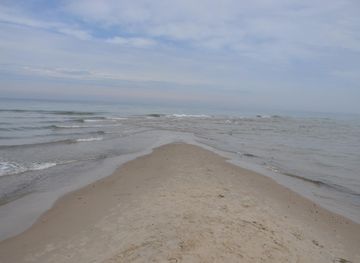
Explore more of Skagen
Discover Skagen, Denmark's northernmost town, where two seas meet, artists find inspiration, and nature's beauty is unparalleled.
Explore Skagen
Explore more of Denmark
Discover Denmark: A perfect blend of history, modern design, and the cozy concept of hygge. Explore vibrant cities, serene landscapes, and world-class cuisine.
Explore Denmark