Skagen Sønderstrand, Skagen Travel Guide
Free Guide: Golden sand, painterly light and a historic beacon on Skagen’s doorstep, Skagen Sønderstrand blends easy bathing with centuries of coastal and artistic heritage.


A brief summary of Skagen Sønderstrand
Golden sand, painterly light and a historic beacon on Skagen’s doorstep, Skagen Sønderstrand blends easy bathing with centuries of coastal and artistic heritage.
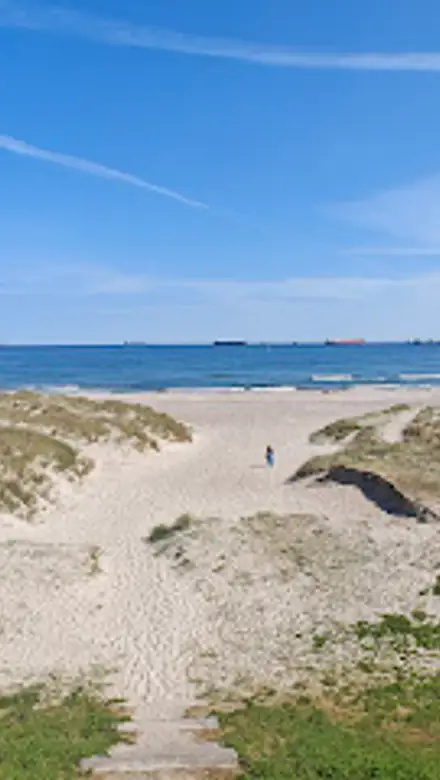
Skagen Sønderstrand is a wide, golden-sand beach on the edge of Skagen, famed for its luminous light, shallow waters and easy access from town. Long associated with the Skagen Painters, it combines soft dunes, a child‑friendly Blue Flag shoreline and the historic bascule light, Vippefyret. Come for lazy summer swimming, brisk off‑season walks, midsummer bonfires and big North Jutland skies – all just a short stroll from the harbour and yellow‑washed streets.
On-site amenities
 Restrooms
 Drink options
 Drinking water
 Food options
 Seating areas
 Trash bins
 Information boards
- Address
- 9990 Skagen
Getting there
Train and walking from Frederikshavn
Car from Aalborg via Frederikshavn
Local bus within Vendsyssel region
Cycling from central Skagen
Discover more about Skagen Sønderstrand
Where Skagen’s Light Meets the Sea
Skagen Sønderstrand unfolds as a broad sweep of pale sand just east of Skagen’s compact town centre, where the peninsula narrows toward Denmark’s northern tip. Sheltered by gentle dunes and brushed by the Kattegat, it feels both spacious and intimate: the horizon is huge, yet the red roofs and church spires of town remain within sight. The sand here is fine and soft underfoot, and the water generally shallow close to shore, making it a welcoming spot for paddling and relaxed bathing in summer.Stand facing the sea and you sense why this coastline has captivated generations. The sky seems unusually high, the air often clear and bright, and colours shift subtly through the day – chalky blues at noon, amber and rose as evening falls. Offshore, small fishing boats and pleasure craft move along the horizon, reminders that Skagen has always lived by the sea.
The Beach that Inspired the Skagen Painters
In the late 19th century, Skagen Sønderstrand became an open‑air studio for the Skagen Painters, a loose circle of Scandinavian artists drawn north by the distinctive light. Here they painted fishermen hauling boats ashore, women in white dresses on the dunes and gatherings around bonfires at dusk. Many of the iconic canvases that now hang in Skagens Museum were set on or near this beach, capturing the long Nordic evenings and the shimmering “blue hour” when sea and sky merge.Walking the shoreline today, it is easy to trace their vantage points: the gentle curve of the bay, the low dune ridges and the interplay of clouds and water are much as they were more than a century ago. The beach is not just a place to sunbathe, but a living backdrop to one of Denmark’s most important artistic chapters.
Historic Beacons and Wartime Relics in the Dunes
One of Sønderstrand’s most striking features is Vippefyret, a reconstruction of the 17th‑century bascule light that once guided ships before modern lighthouses took over. This simple wooden structure, with its pivoting arm and basket where a coal fire would burn, stands on a dune above the beach like a sculptural reminder of Skagen’s maritime past. From its base, you can look back toward town or out across the water and imagine how vital such a beacon once was on stormy nights.Scattered further along the coast are low, concrete bunkers left from the Second World War, half‑buried in sand and sea grass. Their weathered surfaces and occasional information plaques hint at a more recent layer of history, contrasting sharply with the open, wind‑washed landscape. Together, these elements give the beach a quiet sense of depth: centuries of seafaring, navigation and conflict woven into an otherwise peaceful setting.
Seasons of Sun, Wind and Midsummer Fire
In high summer, Sønderstrand comes into its own as a classic Danish bathing beach. Families spread towels near the dune line, children dig channels in the sand and swimmers wade out through cool, clear water. The Blue Flag designation reflects good water quality and managed facilities, and designated paths over the dunes make access easier for wheelchairs and prams. Gentle surf and ample space help keep the atmosphere relaxed even on warm days.Outside the peak months, the beach reveals a different character. Autumn brings bracing winds, migrating birds and dramatic skies; winter days can be stark and beautiful, with frost‑bright sand and only a few walkers for company. In late June, Sønderstrand hosts a traditional St John’s Eve bonfire, when locals gather on the sand to watch flames leap against the slow‑darkening sky – a modern echo of the scenes immortalised by the Skagen Painters.
Starting Point for Coastal Wanders
Although Skagen Sønderstrand feels close to town comforts, it also works as a gateway to wilder stretches of coastline. From here, you can follow the shore as it curves toward Grenen, where two seas meet, or detour inland to explore yellow‑painted streets, art museums and historic lighthouses. The sand underfoot may be soft, but winds can be brisk and the water cold even in summer, so layers and windproof clothing are wise.Allow time simply to stand and absorb the scene: the play of light on the water, the silhouettes on the dune tops, the steady rush of waves. Whether you arrive for a quick morning dip or linger through sunset, Sønderstrand distils much of Skagen’s appeal into one accessible, atmospheric strip of coast.
Evendo Review Centre
 Google
Guest reviews
Best time to go
Quietest: Jan, Feb & Mar · before 7am or from 11pm
Busy times are Evendo estimates for a typical year, to help you plan. Actual crowds vary with events, school holidays and the weather.
Explore Skagen Sønderstrand on the map
A handpicked selection of must-see spots near Skagen Sønderstrand, mapped for you.
Get your free copy of our complete guide to Skagen Sønderstrand, delivered straight to you.
Everything on this page, from opening hours and how to get there to Eve’s tips and the best time to go, in one PDF you can read offline, print or share.
Already have an account? Sign in
Your Skagen Sønderstrand guide is ready.
We'll send it to · Not you? Sign out

Getting your guide ready…
We are putting together a fresh copy of the Skagen Sønderstrand guide. This can take up to a minute.
This can take a few moments. If your browser asks, choose Allow so the download can start. You'll find the guide in your Downloads folder.
Nothing happened? Download it again
Sorry, the guide is taking longer than usual. Please try again in a minute, or get it by email instead.
Other nearby places you may find interesting
The closest places of the same kind, if this one is not quite what you had in mind.
-
Skagens Museum Denmark’s northern light on canvas: the original Skagen painters’ museum uniting intimate interiors, wind-swept seascapes and a historic artist community under one roof.
-
Drachmanns Hus The eccentric poet's intimate studio where Danish literary genius met artistic vision
-
Vippefyret A simple wooden beacon with a tilting fire basket, Vippefyret turns Skagen’s windswept dunes into a vivid window onto centuries of coastal navigation and seafaring risk.
-
Skagen Bunkermuseum Explore a genuine World War II German medical bunker in the dunes of Skagen, where original rooms, artifacts and sea air bring the Atlantic Wall to life.
-
Anchers Hus Step into the preserved home and studios of Anna and Michael Ancher, where Skagen’s famed artists’ colony comes to life among canvases, furniture and coastal light.
Swipe for more places
More to explore near Skagen Sønderstrand

 Best experiences near Skagen Sønderstrand
 Best hotels near Skagen Sønderstrand
 Best landmarks near Skagen Sønderstrand
 Best attractions near Skagen Sønderstrand
 Best shops near Skagen Sønderstrand
 Best restaurants near Skagen Sønderstrand
 Best bars near Skagen Sønderstrand
Do you manage this location?
Take control to get all the benefits, like improved information, better appearance, and stronger visibility across AI-powered discovery.
Explore more
Explore more of Skagen
Discover Skagen, Denmark's northernmost town, where two seas meet, artists find inspiration, and nature's beauty is unparalleled.
Explore Skagen
Explore more of Denmark
Discover Denmark: A perfect blend of history, modern design, and the cozy concept of hygge. Explore vibrant cities, serene landscapes, and world-class cuisine.
Explore Denmark