
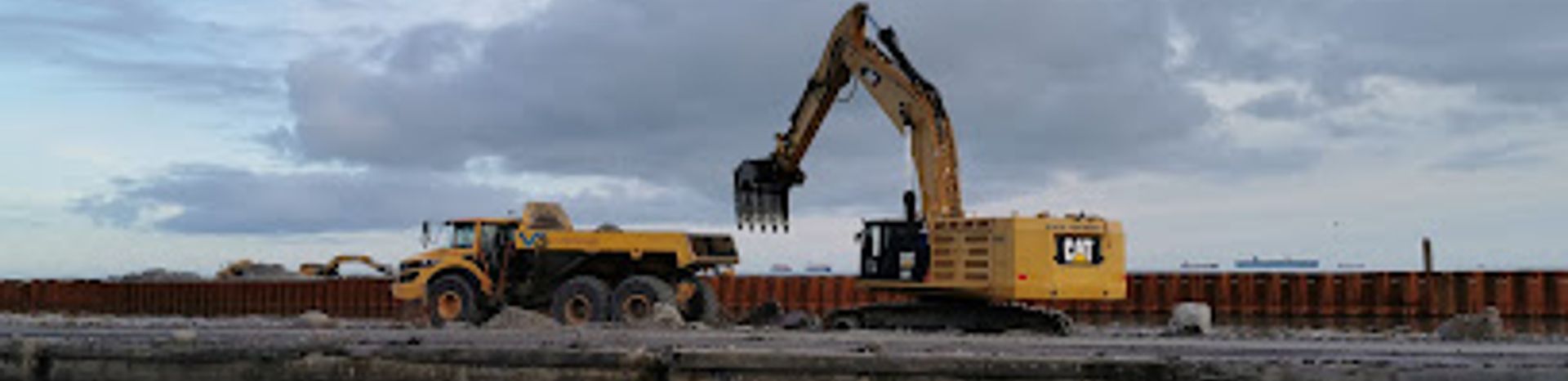
Port of Skagen (Skagen Havn)
Denmark’s largest fishing harbour and Skagen’s maritime heart, where working trawlers, cruise ships and a lively marina share the luminous tip of Jutland.
The Port of Skagen anchors Denmark’s northernmost town at the point where North Sea and Baltic routes converge. As the country’s largest fishing harbour and a growing cruise gateway, it mixes heavy-working trawlers, fish auctions and processing plants with a lively marina framed by old warehouses and seafood restaurants. Visitors come for the authentic harbour atmosphere, big skies and the distinctive coastal light that once drew the Skagen painters.
A brief summary to Port of Skagen
- Havnevagtvej 30, Skagen, 9990, DK
- +4598446911
- Visit website
- Duration: 1 to 3 hours
- Free
-
 Outdoor
- Mobile reception: 5 out of 5
Local tips
- Wear windproof layers; even on sunny days the exposed quays can feel noticeably cooler and breezier than the town streets.
- If you are sensitive to strong smells, be aware that parts of the harbour near processing plants can carry an intense fish aroma.
- Plan a visit in the early morning to see the fishing harbour at its liveliest, with boats unloading and activity along the auction areas.
- Bring a camera with a zoom lens; close-up shots of trawlers, nets and seabirds make for striking harbour photography.
- Use marked pedestrian routes and respect safety barriers; this is an active industrial port with heavy vehicles and working quays.

For the on-the-go comforts that matter to you
- Restrooms
- Drink Options
- Food Options
- Seating Areas
- Trash Bins
- Information Boards
- Visitor Center
Getting There
-
Regional train and local bus
From Aalborg, take a regional train to Skagen via Frederikshavn; the journey typically takes around 2.5 to 3 hours in total, with frequent daytime departures and a simple platform change in Frederikshavn. A standard adult ticket usually costs about 140–220 DKK one way, depending on departure time and ticket type. From Skagen station, local buses and taxis cover the short distance to the harbour area, and walking is possible for most visitors who are comfortable with flat urban terrain.
-
Car from Aalborg and northern Jutland
Driving from Aalborg to the Port of Skagen takes roughly 1.5 to 2 hours along main roads across northern Jutland. There are no road tolls on this route. Public parking is available in Skagen town and near the harbour, but spaces closest to the quays can be limited when cruise ships are in port or during peak summer. Expect to pay around 10–20 DKK per hour in the busiest central parking zones, while some outer areas may offer time-limited free parking.
-
Long-distance bus to Skagen
Long-distance and regional buses connect Frederikshavn and other northern Jutland towns to Skagen, with journey times from Frederikshavn typically 50–70 minutes. One-way fares usually fall in the range of 60–110 DKK for adults, varying with operator and time of booking. Buses terminate in or near Skagen’s centre, from where the harbour can be reached on foot by most travellers or via a short taxi ride for those preferring door-to-door access.
Port of Skagen location weather suitability
-
 Any Weather
-
 Clear Skies
-
 Windy Conditions
-
 Mild Temperatures
-
 Cold Weather
-
 Rain / Wet Weather
Discover more about Port of Skagen
Where Denmark Ends and the Seas Converge
Perched at the very tip of Jutland, the Port of Skagen sits within sight of the meeting point between the North Sea and the Baltic routes, a position that has made it a natural harbour for centuries. Here, low yellow houses and lighthouses on the horizon signal land to ships navigating one of the busiest stretches of water in northern Europe. The port spreads along Ålbæk Bay, its basins and piers enclosing an expanse of water that feels both sheltered and exposed to the open sea. This maritime crossroads has shaped Skagen’s identity. Fishing fleets, cargo vessels, offshore service ships and sleek cruise liners share the approaches, each using the harbour in a different way. The result is a constant sense of movement: engines rumbling in the distance, gulls wheeling overhead, the faint echo of ship horns drifting across the docks.Heart of Denmark’s Fishing Industry
Fishing is the port’s beating heart. Skagen Havn is Denmark’s largest fishing harbour and a leading European port for pelagic catches such as herring and mackerel. Along the quays lie rows of brightly painted trawlers, coils of heavy nets and crates waiting to be filled with the night’s landings. The scale is industrial, yet the details are human: names stencilled on hulls, work gloves drying on railings, conversations shouted across the decks. Behind the berths, fish-processing plants and a major fishmeal and fish-oil industry transform the catches into exports that travel far beyond Denmark. Early in the day, auction halls bustle as lots are traded, setting the tempo for the town. Even if you only see this from the outside, you sense how deeply the harbour’s rhythm is woven into local life.A Working Harbour with a Leisurely Side
Despite its industrial core, the Port of Skagen has preserved an inviting waterside atmosphere. Near the inner harbour, old fish warehouses have been converted into restaurants and cafes, many retaining their weathered timber beams and simple façades. Outdoor tables overlook the marina, where visiting yachts and smaller pleasure craft moor between fishing vessels. On a calm day you might hear cutlery on plates, fragments of conversation in Danish, German and English, and the slap of halyards against masts. The air often carries a mix of sea salt, tarred rope and the aroma of smoked fish from nearby smokehouses. It is an easy place to linger over a seafood platter or an open-faced sandwich while watching harbour life unfold.Cruise Gateway and Coastal Strolls
In recent years, Skagen Havn has added modern cruise facilities, with long deep-water berths capable of receiving large ocean-going ships. Reception buildings provide information desks, seating and basic services, while shuttle buses typically bridge the short distance between the cruise quays and the town centre. On days when ships are in, the harbourfront feels more international, with visitors fanning out towards museums, beaches and the headland at Grenen. For those on foot, the port itself is a destination. A stroll along the accessible quays reveals different facets of the harbour: from open basins studded with moored boats to quieter corners where sea birds rest on bollards. The light, famous among the Skagen painters of the 19th century, can change minute by minute as clouds race over the low coastline, casting shifting reflections on the water.North Sea Weather and Nordic Light
The climate at Skagen’s harbour is shaped by the meeting of seas and winds. Summers are generally mild rather than hot, with long evenings and a soft, extended twilight that gives the docks a silvery glow. Even on bright days, breezes can be brisk, and layers are useful when walking the exposed piers. In cooler seasons, squalls and shifting cloud bring a moodier drama to the waterfront as waves slap more insistently against the quays. Throughout the year, the port remains active. Fishing continues in winter storms, cargo still moves through the basins, and local boats thread their way between larger vessels. Visitors who pause here gain a vivid sense of a working Nordic harbour that underpins the town’s prosperity while offering one of Denmark’s most atmospheric waterfront experiences.Iconic landmarks you can’t miss

Skagen Havn
0.4 km
A bustling North Sea harbour where fishing fleets, cruise liners and a cosy marina meet under Skagen’s famous northern light.
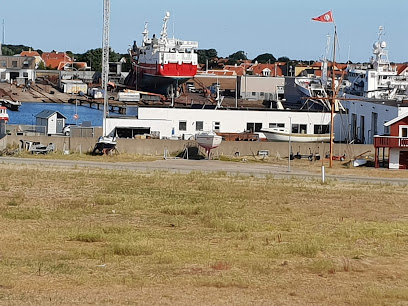
Enjoy Skagen
0.5 km
Esbjerg Museum reveals the city’s story through immersive exhibits on maritime legacy, archaeology, and daily life—offering an interactive journey into Danish west coast history.
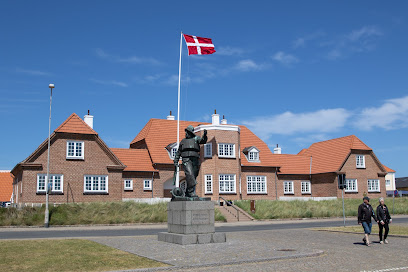
Galleri Bo
0.6 km
Explore Denmark's vibrant west coast heritage at Esbjerg Museum, where local history, archaeology, and immersive exhibits bring Esbjerg's dramatic story to life.
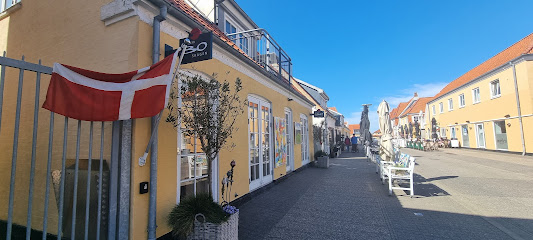
Skagen Station
0.8 km
Denmark's northernmost railway station, where historic yellow architecture meets the gateway to two seas.
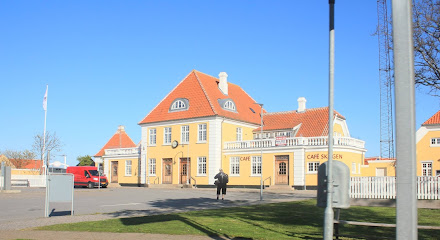
Brøndums Hotel
0.9 km
Discover Esbjerg’s transformation from Viking outpost to modern port through atmospheric exhibits, lifelike street scenes, and powerful wartime stories at Esbjerg Museum.

Skagen Gray Lighthouse
2.9 km
Denmark's second-tallest lighthouse where two seas meet, now a hub for bird migration science and coastal heritage.
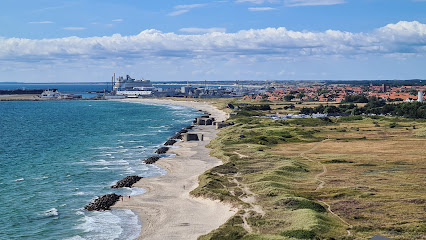
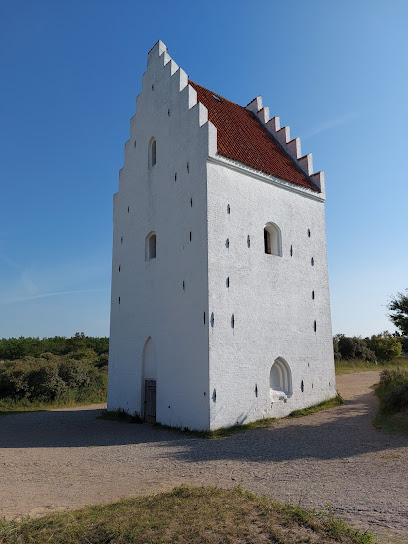
Kiosk v / The Buried Church
3.1 km
Delve into Esbjerg’s evolution from coastal hamlet to harbor city at this immersive museum, blending archaeology, wartime history, and lifelike local scenes in Denmark’s West Jutland.
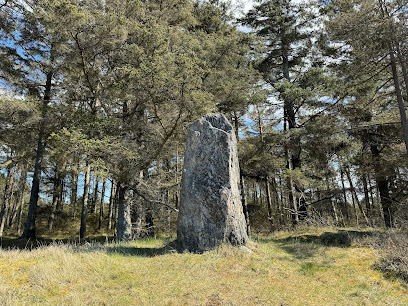
Mindesten for Klitplantør Thygeson
3.6 km
A modest granite stone in Skagen Klitplantage honouring the dune inspector who planted millions of pines and transformed the shifting sands south of Skagen.
Sømærket Vin- & CiderBar
4.5 km
Explore Jutland’s fascinating history, authentic old streets, and a unique amber collection at Esbjerg Museum in the city center—a showcase of local culture and heritage.
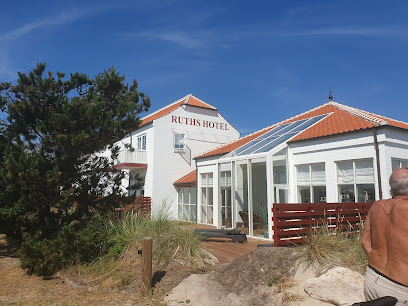
Solnedgangspladsen, Gammel Skagen
4.6 km
Denmark's premier sunset gathering place where the North Sea horizon ignites with daily natural drama.
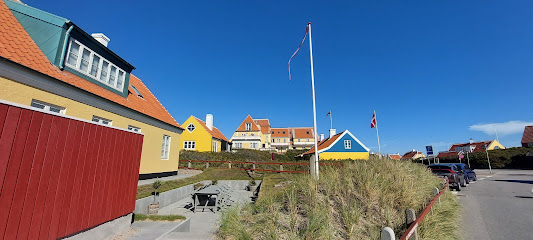
Bunker Ved Palmestranden
28.8 km
Second World War bunkers half-buried in the dunes behind Frederikshavn’s palm-lined city beach, blending coastal history with a relaxed seaside setting.
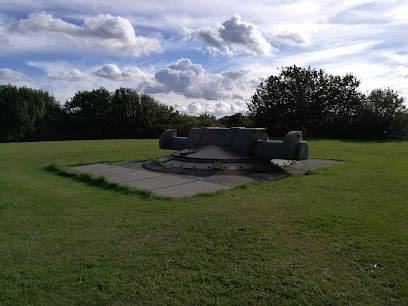
Cafe' Feen
30.4 km
Aalborg’s beloved Kildeparken blends music, art, and green tranquility, offering a vibrant escape in the city center for relaxation, exploration, and community events.
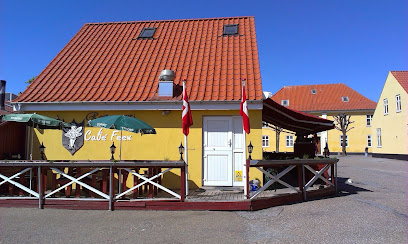
Frederikshavn St.
30.8 km
Compact, coastal rail terminus linking Frederikshavn’s harbor, ferries and town center, and a relaxed stepping stone to beaches, bunkers and northern Jutland landscapes.
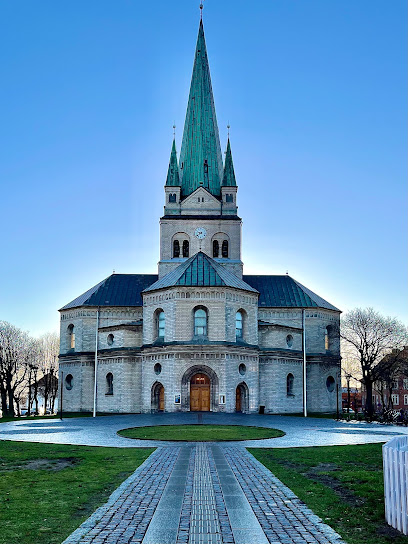
Frederikshavn Church
30.9 km
Frederikshavn’s red-brick landmark church, blending National Romantic architecture, a Michael Ancher altarpiece and war graves into one evocative town centre stop.
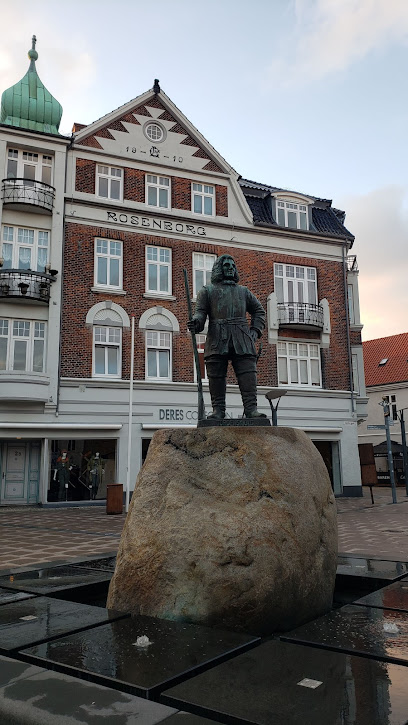
Fisketorvet
31.2 km
A modest central square in Frederikshavn where everyday small-town life, summer tourist hosts and a hint of maritime character quietly meet by the harbor.
Unmissable attractions to see

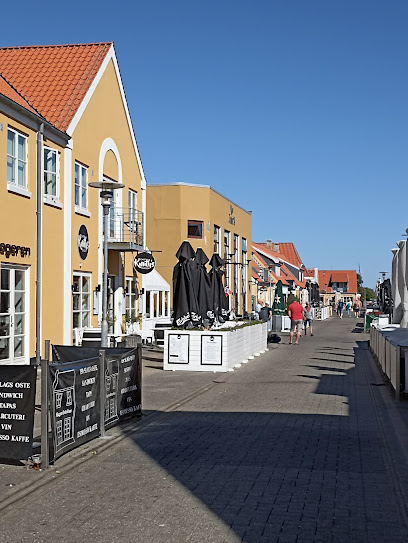
Skagen Marina
0.5 km
A bustling mix of yachts, fishing boats and seafood sheds, Skagen Marina captures the maritime soul and golden light of Denmark’s far northern tip.
Kongeligt Toldkammer
0.5 km
A modest former Royal Customs Chamber in Skagen’s harbour, where brick, ledgers and fishing boats quietly reveal the town’s seafaring and trading past.
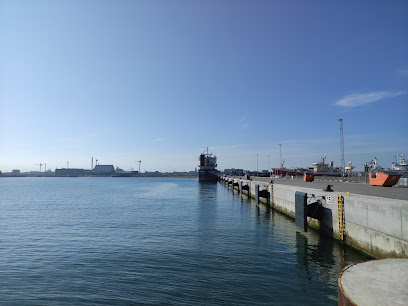
Skagens Havn Østmole
0.5 km
Wind, waves and working boats at Skagen’s eastern breakwater, where Denmark’s largest fishing harbour reaches out into the open sea.
Sommerhus Skagen
0.5 km
Discover Maskinrummet—Skagen’s harbor-side maritime museum where historic ship engines, nautical stories, and hands-on exhibits bring Denmark’s seafaring past to life.
Befrielsessten i Skagen
0.7 km
Experience the powerful beauty of Skagen Lighthouse—where history, nature, and the meeting of two seas create Denmark’s most northern adventure.
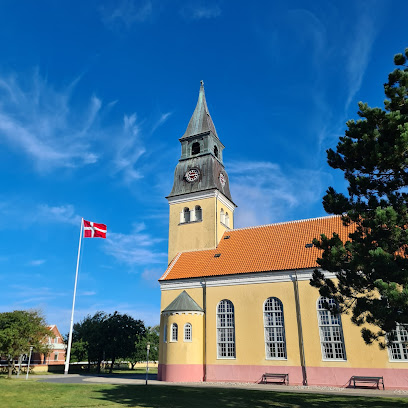
Skagen Kirke
0.8 km
A warm yellow seaside church where maritime heritage, Nordic light and thoughtful architecture meet in the historic heart of Skagen.
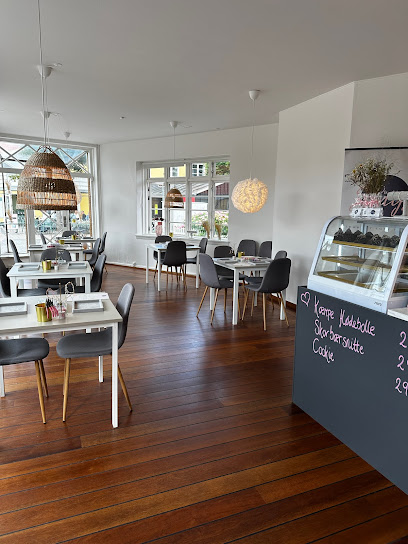
Du er Smyk
0.8 km
Hands-on hygge in Skagen: design your own jewelry, sip a coffee and turn beads, pearls and pendants into a personal keepsake in this intimate Danish jewelry café.
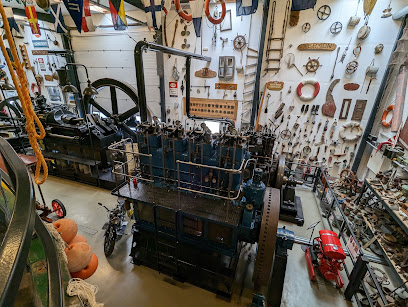
Maskinrummet
0.9 km
Industrial nostalgia, roaring engines and maritime stories come together at Skagen’s harbour-side Maskinrummet, where Denmark’s engine heritage is brought vividly to life.
Skagens Museum
0.9 km
Denmark’s northern light on canvas: the original Skagen painters’ museum uniting intimate interiors, wind-swept seascapes and a historic artist community under one roof.
Buste af Degn Brøndum
0.9 km
A modest bronze bust in a small garden, honoring the hotelier and patron whose generosity helped transform Skagen’s artists’ colony into a lasting museum.
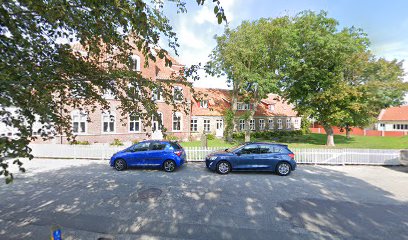
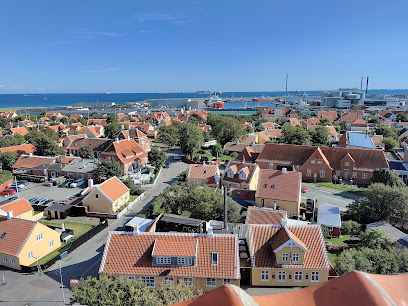
Skagen Vandtårn
1.0 km
Historic red-brick water tower turned summer viewpoint, offering a brisk climb and sweeping 360-degree views over Skagen’s rooftops, dunes and surrounding coastline.
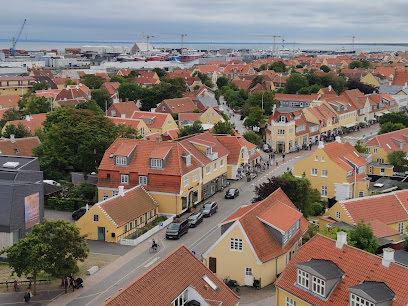
Skagen Bamsemuseum
1.0 km
A tiny Skagen museum where hundreds of teddy bears, old and new, act out playful scenes and stories in a cosy house with a charming garden courtyard.
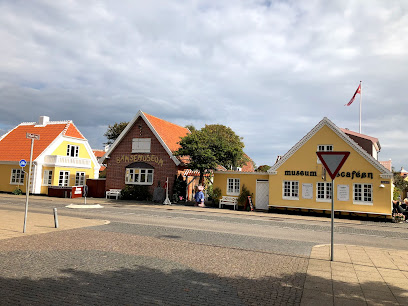
Anchers Hus
1.0 km
Step into the preserved home and studios of Anna and Michael Ancher, where Skagen’s famed artists’ colony comes to life among canvases, furniture and coastal light.
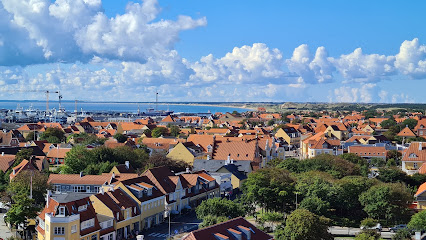
Drachmanns Hus
1.0 km
The eccentric poet's intimate studio where Danish literary genius met artistic vision
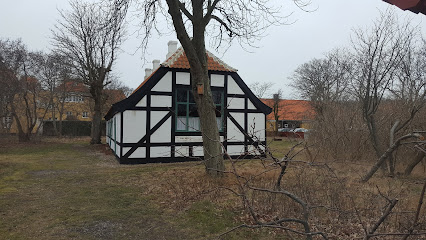
Kystmuseet Skagen
1.2 km
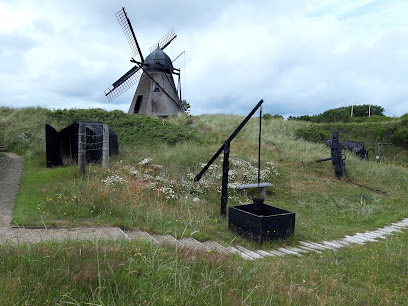
Open‑air village, coastal history and hands‑on stories of Skagen’s fishermen and sea rescuers at Denmark’s windswept northern tip.
Essential places to dine

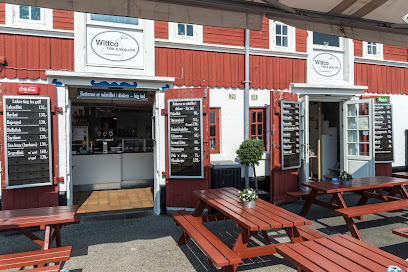
Wittco Fish and Shellfish
0.4 km
Harbourfront seafood buffet in Skagen’s historic red warehouses, serving home-made fish specialities and shellfish platters with close-up views of the marina.
Fiskehuset Skagen ApS
0.4 km
Laid-back harborfront fish and chips in Skagen, serving fresh, local seafood in a simple setting right among the boats on Fiskehuskajen.
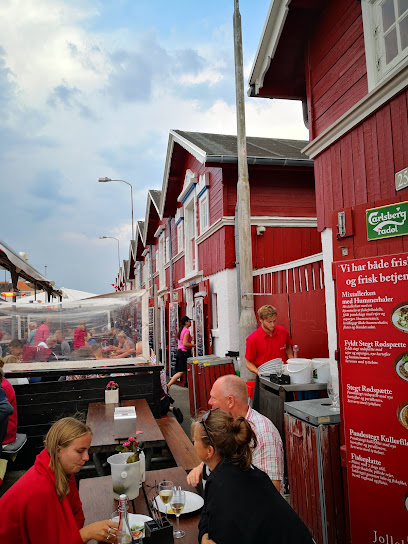
Jollehuset
0.4 km
Relaxed open‑air seafood on Skagen’s working harbour, with simple fish dishes, salty sea air and front‑row views of boats and everyday life along Fiskehuskajen.
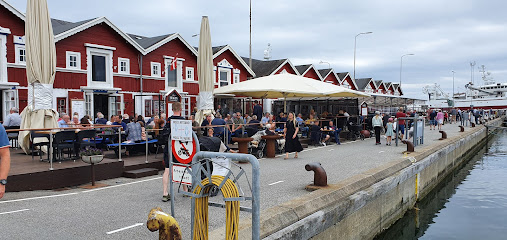
Havfruen Fiskehus Xi v/Mads Westphal
0.4 km
Casual harborfront seafood in a historic Skagen warehouse, serving classic Danish fish dishes with relaxed self-service and outdoor tables by the quay.
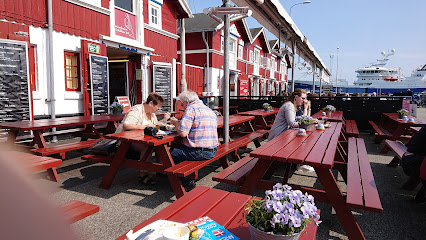
Havnens Fiskehus Skagen v/Ann-Christina Westphal
0.4 km
Casual harbourside seafood in the midst of Skagen’s working fishing port, where simple plates, sea air and boat views capture everyday coastal life.
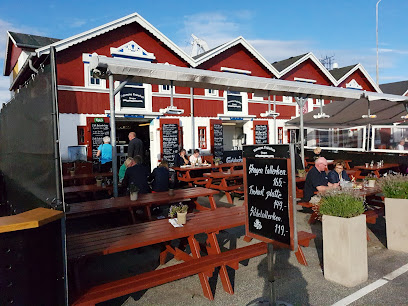
Skagen Fiskerestaurant
0.4 km
Classic harbour-side seafood in Skagen’s historic fish warehouses, serving fresh local catches in a relaxed maritime setting at the very top of Denmark.
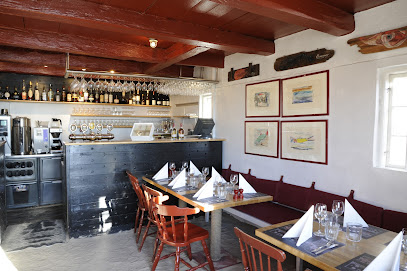
Havnegrillen Skagen, Pier 1
0.5 km
Casual harborfront grill on Skagen’s Pier 1 serving classic Danish fast food and fried fish with working‑harbor views and laid‑back, no‑frills charm.
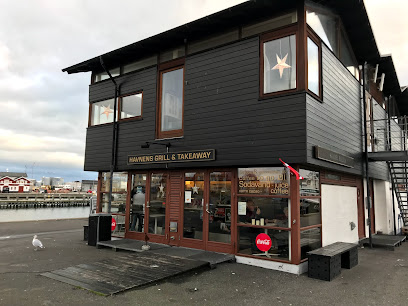
Havnens Grill Og Takeaway
0.5 km
Casual harborfront grill in Skagen serving hearty Danish fast food and fish dishes to enjoy on the quay or take away as you explore the waterfront.
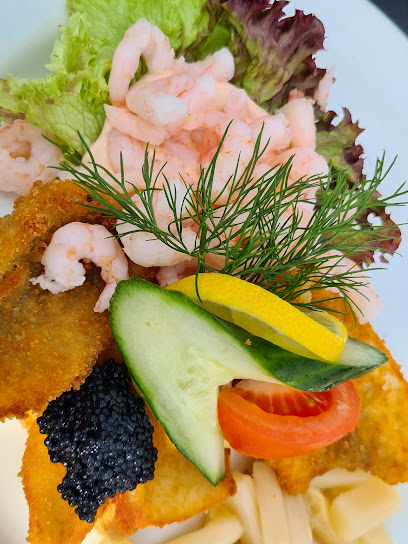
Pakhuset
0.5 km
Historic harbor warehouse in Skagen transformed into a relaxed fish-focused restaurant with marina views, lively summer events and an upstairs fine-dining gem.
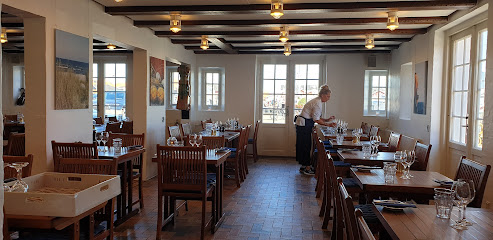
Dit smørrebrød - Skagen
0.5 km
Classic Danish smørrebrød and cosy “mormor” cooking in a harbour‑side dining room with red‑checked tablecloths at the heart of Skagen’s seaside life.
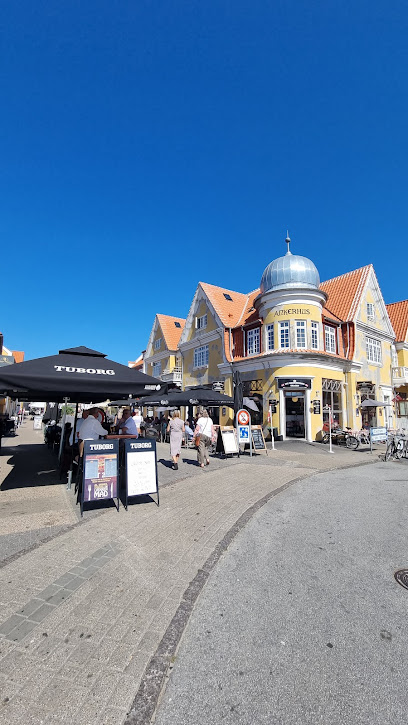
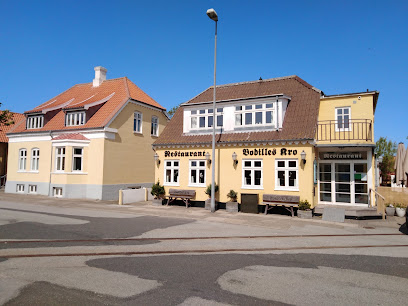
Bodilles Kro
0.5 km
Classic Danish inn-restaurant in Skagen serving hearty kro dishes, local fish and plant-based options in cozy interiors and a leafy summer courtyard garden.
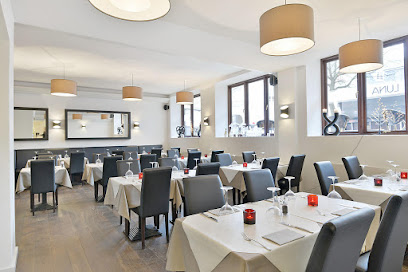
Luna Ristorante Skagen
0.5 km
Authentic Italian pizzas and traditional recipes in a modern harbor-front setting, family-owned and warmly welcoming.
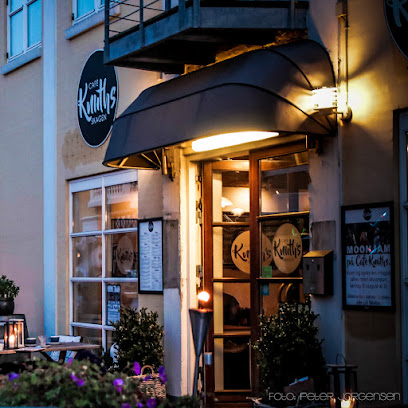
Café Knuth's
0.5 km
Harbourfront café-restaurant in the heart of Skagen, serving generous Danish café dishes, great coffee and drinks in warm, freshly renovated indoor and courtyard spaces.
Simpelt Pop-up Brunch
0.6 km
Bright, harbourfront brunch with a Nordic pop-up vibe, serving simple, generous plates and good coffee just steps from Skagen’s busy marina.
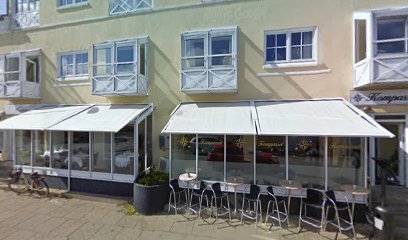
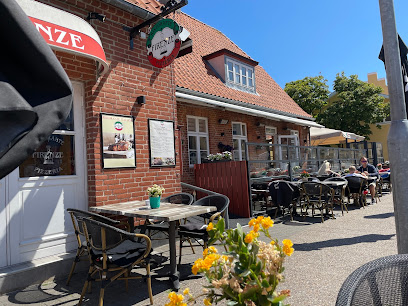
Restaurant Firenze Pizzeria
0.6 km
Long‑running Italian favourite by Skagen’s harbour, serving generous pizzas, pastas and seafood in a cosy, casual setting just steps from the fishing boats.
Markets, malls and hidden boutiques

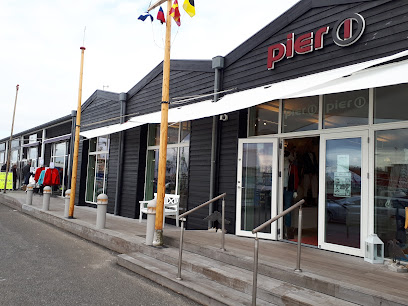
Pier1 ApS
0.5 km
Atmospheric harbourfront lifestyle store in Skagen, blending New England interiors, curated fashion and homeware, and a cosy fireside lounge just steps from the quay.
Westwind
0.5 km
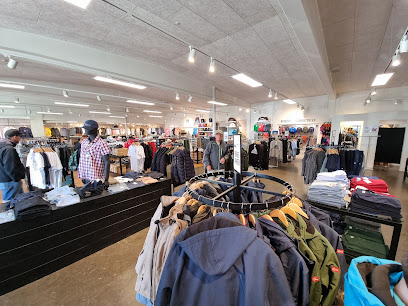
Harborfront general store on Skagen’s quay, blending everyday essentials with salty air, seaside light and the low-key rhythm of Denmark’s northern tip.
Bolcheriet A/S - Skagen
0.6 km
Working candy workshop and shop in Skagen where you watch traditional sweets being made, taste warm samples and pick coastal-inspired Danish treats.
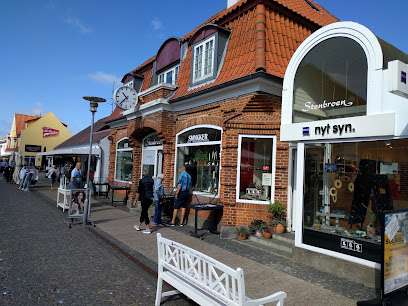
Tøjbutikker
0.6 km
Contemporary clothing retail in Skagen's vibrant harbor-front shopping district.
NORMAL Skagen, Skråvej
0.6 km
Danish beauty and wellness retail in Skagen's vibrant town center.
NÜ Skagen
0.7 km
Contemporary women's fashion in the heart of Skagen's charming pedestrian quarter.
coster copenhagen
0.7 km
Contemporary Scandinavian fashion with bold prints and sustainable style in charming northern Skagen.
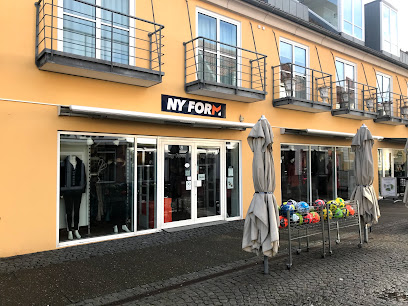
Ny Form Skagen
0.7 km
Practical sports and outdoor clothing in central Skagen, ideal for kitting out coastal walks, beach days and active adventures at Denmark’s northern tip.
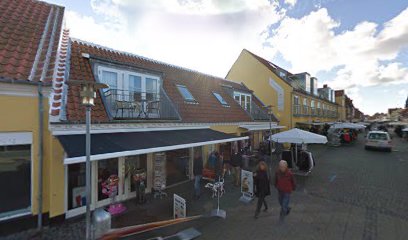
Harbour Club
0.7 km
Compact coastal fashion boutique on Skagen’s main street, blending Scandinavian simplicity with maritime flair just minutes from the working harbour.
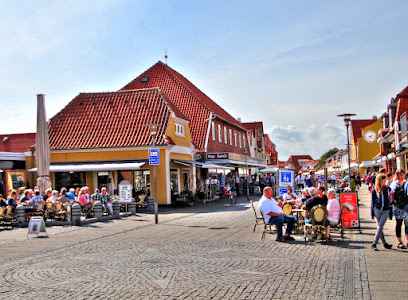
Kop & Kande Skagen
0.7 km
Practical Danish homeware and gift ideas in the center of Skagen, blending everyday kitchen essentials with cozy Nordic design for locals and visitors alike.
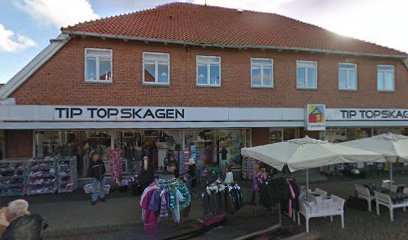
Pieces
0.7 km
Casual Scandinavian womenswear and accessories in a compact boutique on Sankt Laurentii Vej, ideal for topping up your travel wardrobe in coastal Skagen.
Mop Shop
0.7 km
Nordic elegance meets European designer craftsmanship in Skagen's premier fashion boutique.
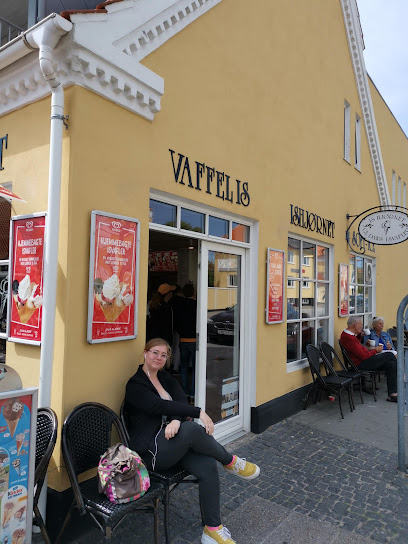
Cha Cha
0.7 km
A compact, fashion-forward boutique on Skagen’s main shopping street, offering Scandinavian-inspired clothing and accessories tailored to the town’s breezy coastal lifestyle.
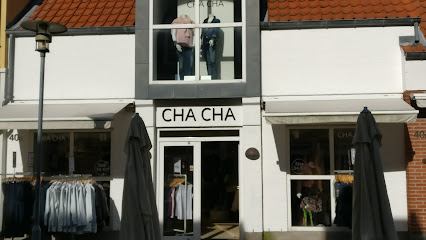
eXtrem, Skagen
0.7 km
Compact clothing store in central Skagen, geared to the town’s breezy coastal climate and laid-back, outdoorsy lifestyle at Denmark’s northern tip.
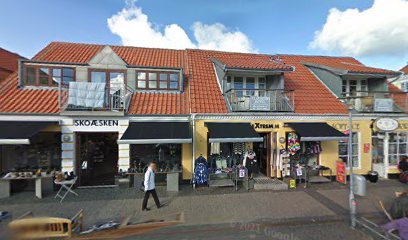
Kiki Gram Dametøjsbutik
0.7 km
Helårs dametøjsbutik i hjertet af Skagen med personligt udvalg af danske modebrands, hyggelig atmosfære og nærværende betjening siden 1988.

Essential bars & hidden hideouts

Havnekroen
0.5 km
Cosy harbourfront bar on Skagen’s quay, pairing simple drinks with close‑up views of fishing boats, sea air and the ever‑changing light over Denmark’s northern port.
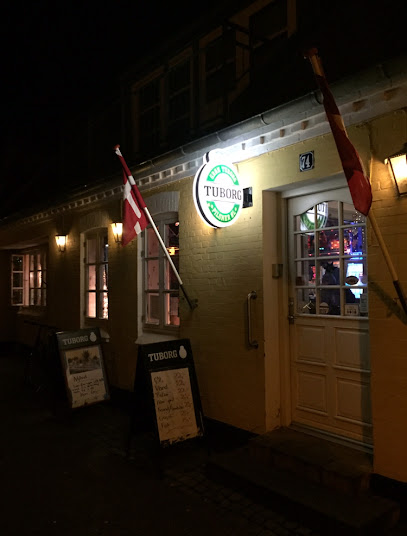
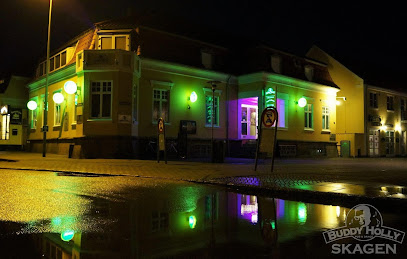
Buddy Holly Skagen
0.5 km
Late-night bar and nightclub in Skagen’s harbor district, where rock ’n’ roll vibes, live music, and an easygoing crowd keep the party going into the small hours.
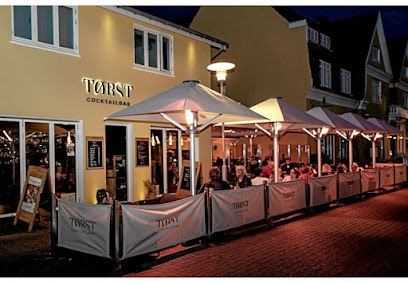
Tørst Cocktailbar
0.6 km
Inventive Nordic-inspired cocktails, cosy harbour-side hygge and shareable tapas boards in a stylish, candlelit bar at the heart of Skagen.
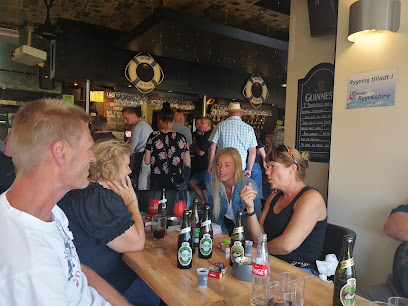
Kompasset
0.6 km
Traditional harbor pub in Skagen where locals and visitors meet year-round for beer, coffee, live music and laid-back hygge by the waterfront.
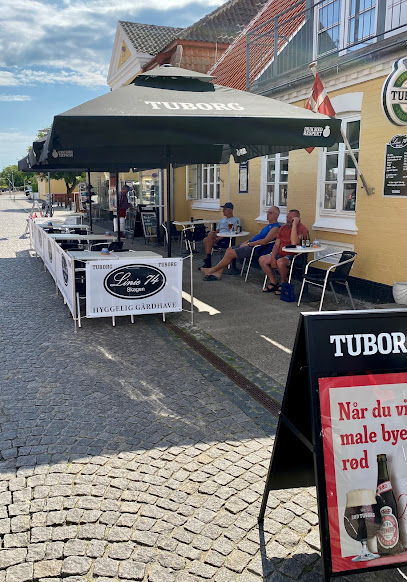
Linie 74 af 2019
0.7 km
Authentic Danish pub with hidden courtyard garden and live music in Skagen's harbor heart.
Apéro hos Bellevue
0.8 km
An intimate Skagen bar where Nordic light, coastal calm and well‑poured drinks create a slow, sophisticated pause between sea, town and evening plans.
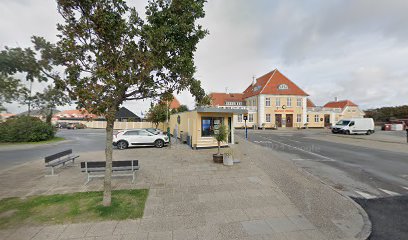
Apéro Champagne & Kaffebar
0.8 km
Authentic French bistro and champagne bar in a historic railway station, blending Parisian elegance with Nordic charm.
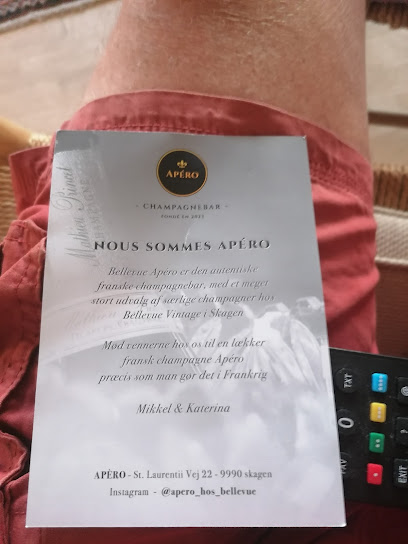
DK-Café
30.1 km
Local gaming den meets casual bar in a low-key Frederikshavn café where slot machines, screens and simple drinks create an everyday, untouristy hangout.
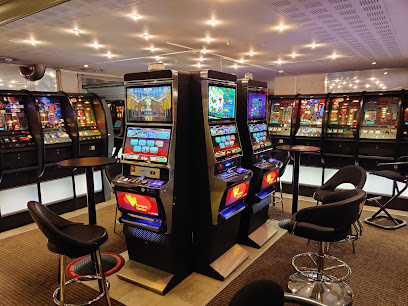
Munken v/Aase Pedersen
30.4 km
Traditional Danish bar in the heart of Frederikshavn, offering straightforward drinks, long opening hours and a cosy glimpse into local everyday pub life.
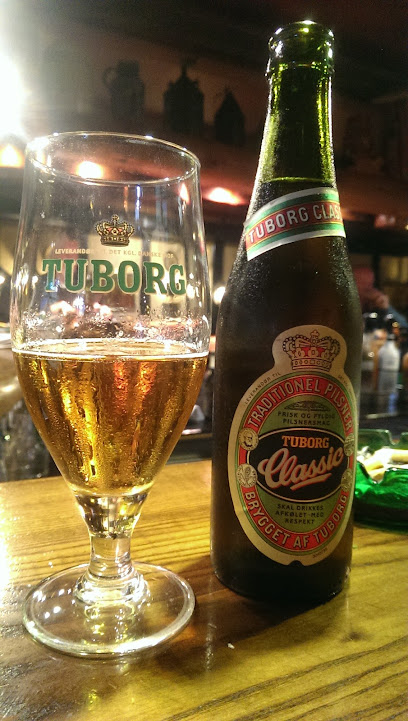
Café Pitstop Frederikshavn
30.7 km
Relaxed café-bar hybrid on Skippergade blending sports, karaoke and pub vibes in a down-to-earth local hangout in Frederikshavn.
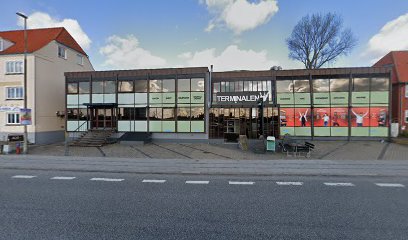
Sportsbaren Frederikshavn
30.8 km
Lively central Frederikshavn sports bar with wall-to-wall matches, cold beers, betting, slot machines and pool in a relaxed, down-to-earth Danish pub atmosphere.
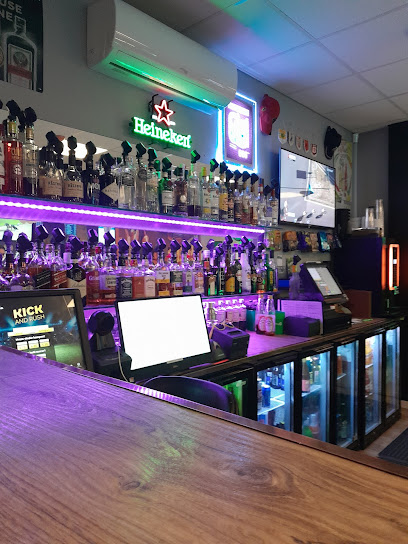
My Nordisk Mjød
31.1 km
Intimate mead bar and micro‑meadery in Frederikshavn, serving handcrafted Nordic honey wines inspired by a garden apple tree and regional Danish ingredients.
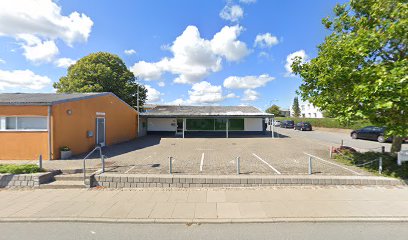
Rkt v/Rudy Finn Kristensen
31.1 km
Authentic maritime bar where Frederikshavn's harbor spirit flows through every conversation and drink.
John Bull
31.3 km
English-style harbor pub blending maritime character with classic pub hospitality in Frederikshavn's waterfront district.
Freddy´s Bar
31.3 km
Cozy harbourfront bar in Frederikshavn with live music, a generous beer selection, and laid-back Danish pub vibes just steps from the ferry terminal.
Nightclubs & after hour spots

Sportens Venner I Frederikshavn
31.2 km
Rock music venue on Frederikshavn's waterfront, hosting live performances and DJ sets in an electric harbor-side atmosphere.
Delirium
78.1 km
Experience the electrifying nightlife at Delirium, Gothenburg's premier night club with pulsating music and vibrant energy.
Red Reef
78.9 km
Discover the vibrant nightlife at Red Reef, Lysekil's premier night club known for its energetic atmosphere and fantastic music.
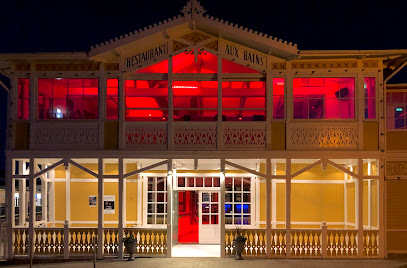
Penang karaoke
79.4 km
Experience a night of fun and music at Penang Karaoke, Gothenburg’s premier karaoke bar with vibrant atmosphere and endless entertainment.
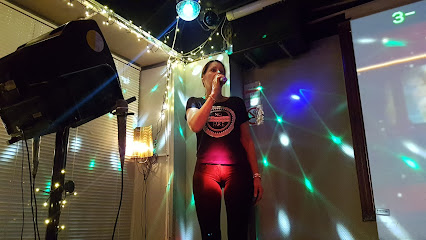
Utopia Jazz
79.5 km
Discover the essence of jazz at Utopia Jazz, Gothenburg's premier jazz club for live music and vibrant atmosphere.
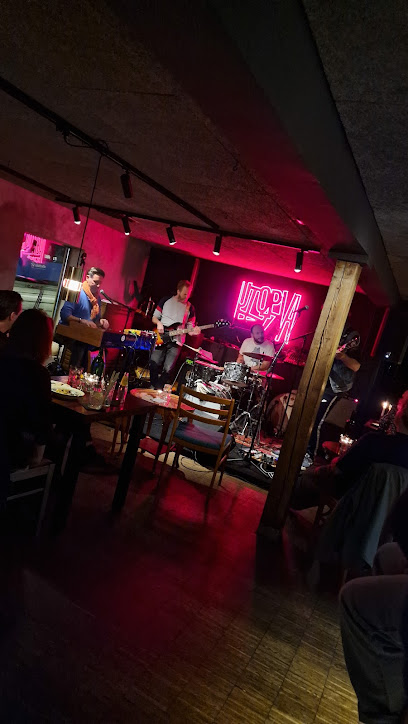
Klubb Impuls
80.2 km
Discover the vibrant jazz scene at Klubb Impuls in Gothenburg, where live music and a lively atmosphere create unforgettable experiences.
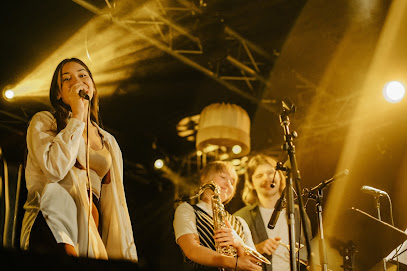
Wanda's swing
80.4 km
Immerse yourself in Gothenburg's vibrant nightlife at Wanda's Swing, a premier night club offering great music and an unforgettable atmosphere.
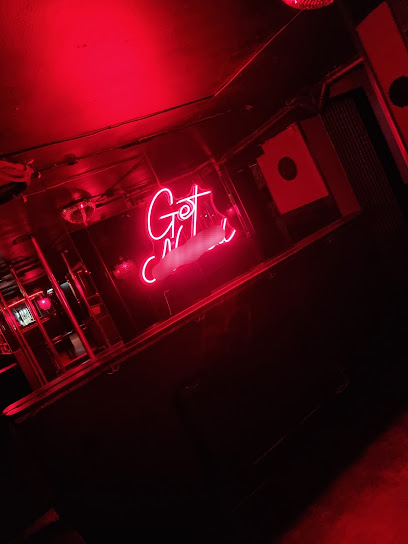
Charlies Nightclub
81.3 km
Discover the lively atmosphere and vibrant music at Charlie's Nightclub in Kungshamn, where unforgettable nights come alive.
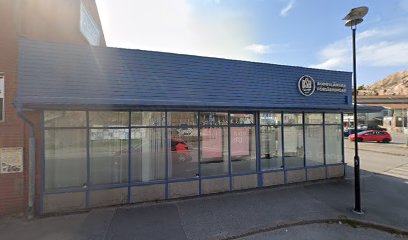
Gretas
81.5 km
Experience the vibrant nightlife at Gretas, Gothenburg's premier gay nightclub, where fun and inclusivity come alive every weekend.
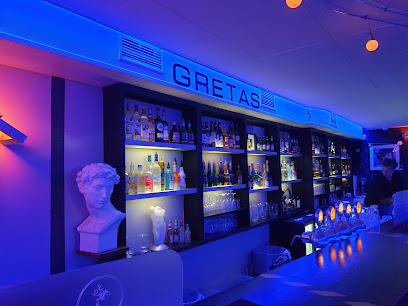
Club Charlie
81.6 km
Discover Gothenburg's nightlife at Club Charlie, where unforgettable music and vibrant energy create the ultimate party experience.
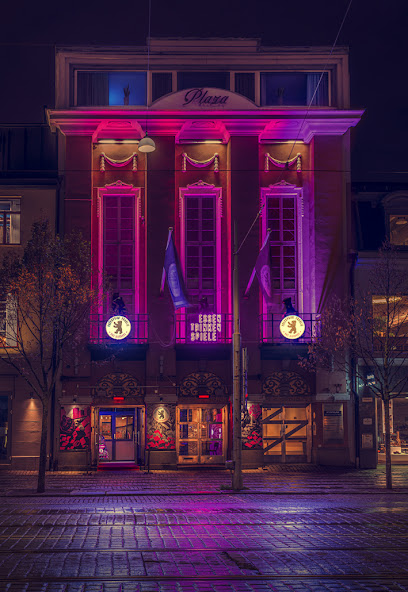
Club Galej
81.7 km
Experience vibrant nightlife and unforgettable parties at Club Galej in the heart of Gothenburg, where music and dance come alive.
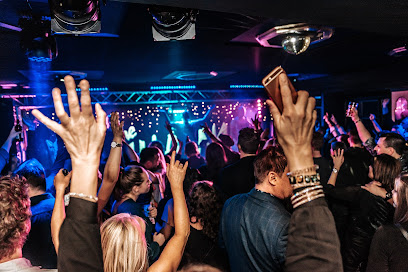
M.A.D
81.7 km
Discover the heartbeat of Gothenburg's nightlife at M.A.D, a vibrant night club offering unforgettable experiences and electrifying music.
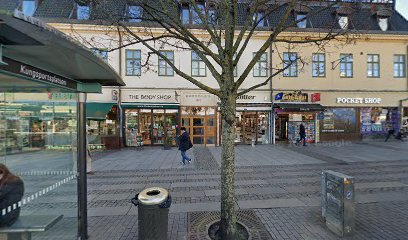
Backstage
81.8 km
Discover Gothenburg's vibrant nightlife at Backstage Night Club, where the music never stops and memories are made.
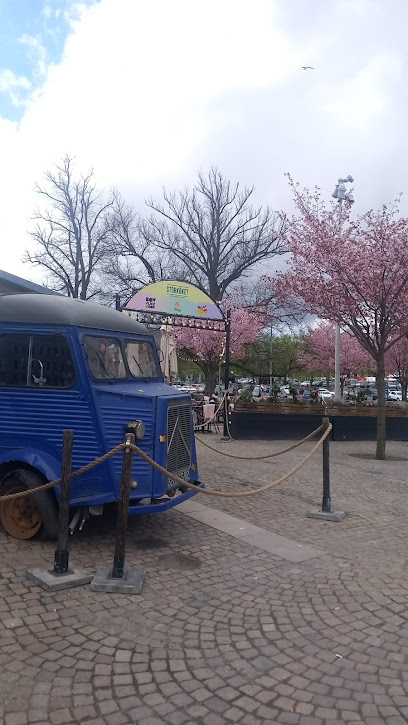
Yaki-Da Restaurang & Nattklubb
81.9 km
Experience the lively fusion of dining and nightlife at Yaki-Da, Gothenburg's premier venue for unforgettable evenings.
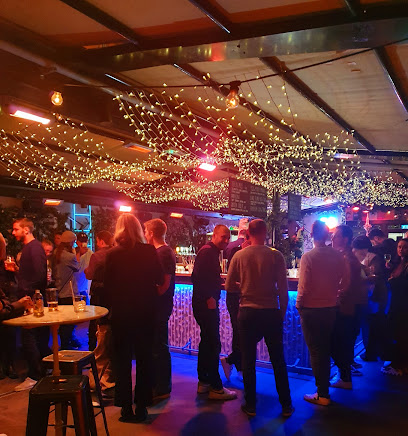
Balambaras
81.9 km
Experience the vibrant nightlife of Gothenburg at Balambaras, a premier nightclub and cocktail bar offering innovative drinks and electrifying music.
For the vibe & atmosphere seeker
- Scenic
- Fun-filled
- Lively
- Unique
- Casual
For the design and aesthetic lover
- Industrial Designs
- Modern Designs
- Rustic Designs
For the architecture buff
- Industrial
- Landmarks
- Viewpoints
- Parks & Gardens
- Heritage Neighborhoods
For the view chaser and sunset hunter
- Iconic Views
- Panoramas
- Sunrise Spots
- Sunset Spots
For the social media creator & influencer
- Instagrammable
- Photo Spots
- Selfie Spots
- Reel-Friendly
- Architectural Shots
For the eco-conscious traveler
- Public-Transport Accessible
- Locally Managed
- Low Impact
- Car-Free Access
For the kind of experience you’re after
- Cultural Heritage
- Photowalk
- Adventure Photo Shoot
- Roadtrip Stop
- Day Trip
- Weekend Getaway
For how adventurous you want the journey to be
- Easy Access
Location Audience
- Family Friendly
- Senior Friendly
- Child Friendly
- Teen Friendly
- Solo Friendly
- Couple Friendly
- Solo Female Friendly
- Business Friendly


