Skagen West Lighthouse, Skagen Travel Guide
Free Guide: A modest 1950s concrete beacon on Skagen’s wild west coast, Skagen West Lighthouse offers big skies, raw North Sea weather, and a glimpse of Denmark’s shifting shoreline.


A brief summary of Skagen West Lighthouse
A modest 1950s concrete beacon on Skagen’s wild west coast, Skagen West Lighthouse offers big skies, raw North Sea weather, and a glimpse of Denmark’s shifting shoreline.
Set among shifting dunes on the wild west coast of Skagen, Skagen West Lighthouse is a concrete beacon from the 1950s that guards one of Denmark’s most restless shorelines. Built to replace the threatened Højen lighthouse, it rises above low heath and sand, backed by the roar of the North Sea. Though usually closed to climbing, it offers an evocative stop on coastal walks, with big skies, wind, and a sense of Skagen’s enduring maritime life.
Opening hours
- Every dayOpen 24 hours
Opening hours as listed on the venue’s Google Business Profile. Hours can change for services and special events, so check with the venue before you go.
- Address
- 9990 Skagen
Getting there
Bicycle from central Skagen
Taxi from Skagen town
Walking from Skagen outskirts
Discover more about Skagen West Lighthouse
A Concrete Beacon on Skagen’s Wild West Shore
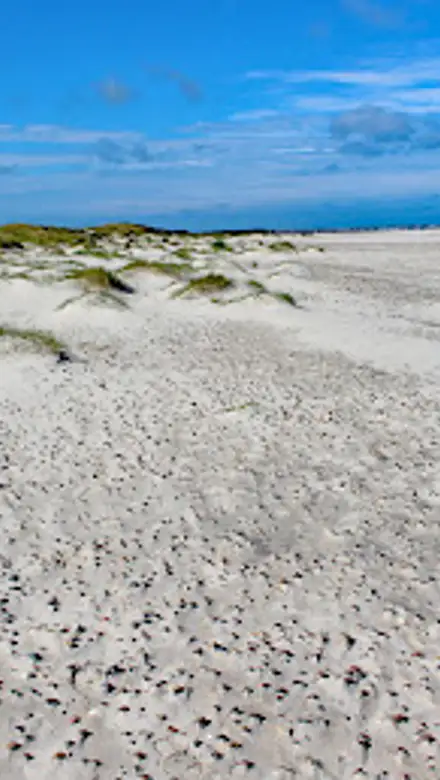
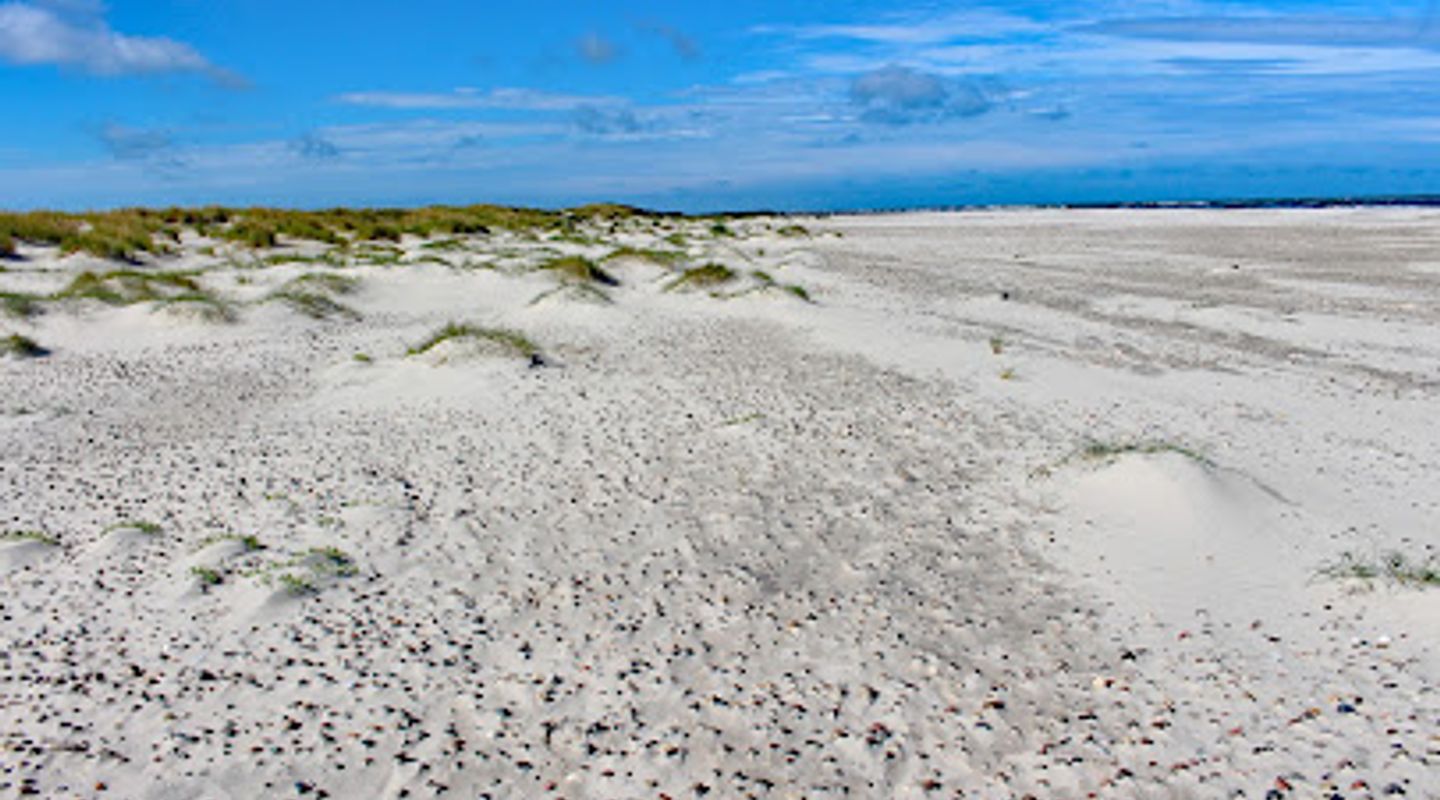
Skagen West Lighthouse stands on the exposed western side of Denmark’s northern tip, facing directly into the North Sea swells that pound this coast. Built in 1956 to take over from the earlier Højen lighthouse, which was in danger of collapsing into the sea, it was designed first and foremost as a hard‑wearing, functional aid to navigation rather than a showpiece. Cast in solid concrete and painted in muted tones, the tower feels almost sculpted out of the weather itself.Here, the land is low and wind‑shaped, with sparse vegetation and broad views in every direction. The lighthouse rises above a fringe of dunes and marram grass, a vertical accent against a consistently horizontal landscape of sand, sea, and sky. Even if you cannot enter the tower, simply standing nearby gives a strong sense of why such a steadfast structure was needed in this shifting coastal zone.
From Højen’s Retreat to a New Coastal Guardian
Skagen’s west coast has long been a difficult stretch for mariners, with sandbanks, storms, and powerful currents combining to create hazardous conditions. The earlier Højen lighthouse once stood further seaward, but continuous coastal erosion brought the shoreline inexorably closer. By the mid‑20th century, fears that the old tower could be lost to the sea prompted the construction of Skagen West Lighthouse a little farther inland and on more secure ground.The new lighthouse continues that same protective role, marking this exposed coastline so that ships passing between the Skagerrak and the North Sea can steer clear of danger. Its story mirrors the broader history of Skagen’s beacons: practical responses to a coastline that is constantly reshaped by wind and waves, rather than static monuments in stone. In that sense, this simple concrete tower is part of a longer narrative that also includes Skagen’s White and Grey lighthouses to the east.
A Landscape of Wind, Waves, and Big Horizons
Much of the appeal of visiting Skagen West Lighthouse lies in its setting. This side of Skagen feels wilder and less built‑up than the town and its eastern beaches. On a breezy day, the soundscape is dominated by the crash of surf and the hiss of wind in dune grasses, with gulls and occasional seabirds cutting across the open sky. The sea can look steel grey and restless in winter, yet on clear summer days it gleams deep blue, the low sun casting long shadows from the tower.The area around the lighthouse lends itself to unhurried exploration on foot. Sandy tracks and informal paths run along the dunes, offering changing perspectives on the tower and the coastline. Beachcombers pick along the high‑tide line after storms, while others simply pause on the sand to watch distant ships, squalls advancing over the water, or the subtle shifts of light that have long drawn artists to Skagen. The lighthouse acts as a visual anchor in this constantly moving environment.
Experiencing Skagen West on Foot and by Camera
Visitors generally experience Skagen West Lighthouse from ground level, as the tower itself is not typically open for climbing. That said, its proportions, clean lines, and unadorned concrete make it a rewarding subject for photography. Different angles reveal how it interacts with the low dunes, the expanse of the beach, and the often dramatic cloud formations pushing in from the sea. Sunrise and late‑afternoon light can soften the starkness of the structure, while stormy skies underscore its utilitarian character.Allowing time to wander, sit, and simply watch is part of the experience. You might trace the curve of the coastline in both directions, noting how quickly the landscape alternates between dune ridges, sandy flats, and pockets of heath. On calmer days, it can feel surprisingly tranquil despite the openness and the wind; in stronger weather, the site offers an immediate sense of nature’s power and of why reliable navigation lights have been essential here.
Part of Skagen’s Chain of Coastal Landmarks
Skagen West Lighthouse is one piece in a chain of maritime landmarks that frame the peninsula. To the east, Skagen’s Grey Lighthouse rises higher and is closely associated with bird migration, while the older White Lighthouse speaks to 18th‑century engineering and early brick construction. By contrast, the west lighthouse embodies mid‑20th‑century practicality, focused on durability and function.Exploring this tower alongside Skagen’s other coastal sites gives a fuller picture of how the headland has been marked, measured, and safeguarded over time. Together, they tell a story of ingenuity in the face of erosion, storms, and the constant interplay between land and sea. Skagen West may look unassuming at first glance, but its presence on this wind‑carved shoreline adds a quiet, steadfast note to the wider maritime character of Denmark’s far north.
Evendo Review Centre
 Google
Guest reviews
Best time to go
Quietest: Jan, Feb & Mar · before 6am or from 9pm
Busy times are Evendo estimates for a typical year, to help you plan. Actual crowds vary with events, school holidays and the weather.
Explore Skagen West Lighthouse on the map
A handpicked selection of must-see spots near Skagen West Lighthouse, mapped for you.
Get your free copy of our complete guide to Skagen West Lighthouse, delivered straight to you.
Everything on this page, from opening hours and how to get there to Eve’s tips and the best time to go, in one PDF you can read offline, print or share.
Already have an account? Sign in
Your Skagen West Lighthouse guide is ready.
We'll send it to · Not you? Sign out

Getting your guide ready…
We are putting together a fresh copy of the Skagen West Lighthouse guide. This can take up to a minute.
This can take a few moments. If your browser asks, choose Allow so the download can start. You'll find the guide in your Downloads folder.
Nothing happened? Download it again
Sorry, the guide is taking longer than usual. Please try again in a minute, or get it by email instead.
Other nearby places you may find interesting
The closest places of the same kind, if this one is not quite what you had in mind.
-
-
-
-
-


Swipe for more places
More to explore near Skagen West Lighthouse

 Best experiences near Skagen West Lighthouse
 Best hotels near Skagen West Lighthouse
 Best landmarks near Skagen West Lighthouse
 Best attractions near Skagen West Lighthouse
 Best shops near Skagen West Lighthouse
 Best restaurants near Skagen West Lighthouse
 Best bars near Skagen West Lighthouse
Do you manage this location?
Take control to get all the benefits, like improved information, better appearance, and stronger visibility across AI-powered discovery.
Explore more
Explore more of Skagen
Discover Skagen, Denmark's northernmost town, where two seas meet, artists find inspiration, and nature's beauty is unparalleled.
Explore Skagen
Explore more of Denmark
Discover Denmark: A perfect blend of history, modern design, and the cozy concept of hygge. Explore vibrant cities, serene landscapes, and world-class cuisine.
Explore Denmark