Rubjerg Knude, North Jutland Travel Guide
A solitary North Sea lighthouse in a shifting dune sea, rescued from the eroding cliff edge and offering one of Denmark’s most dramatic coastal panoramas.
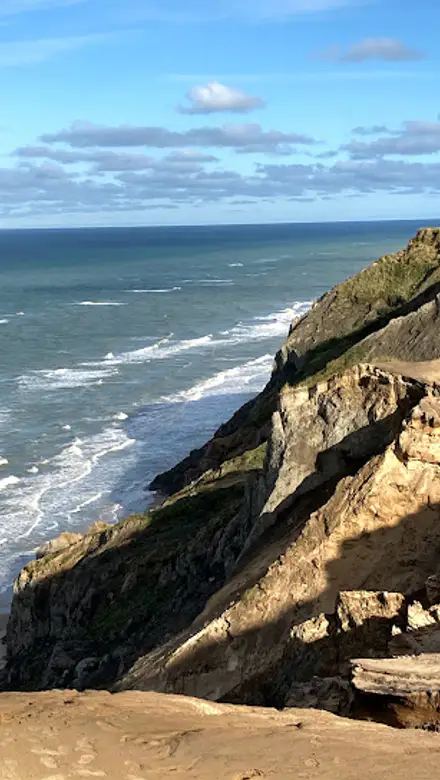
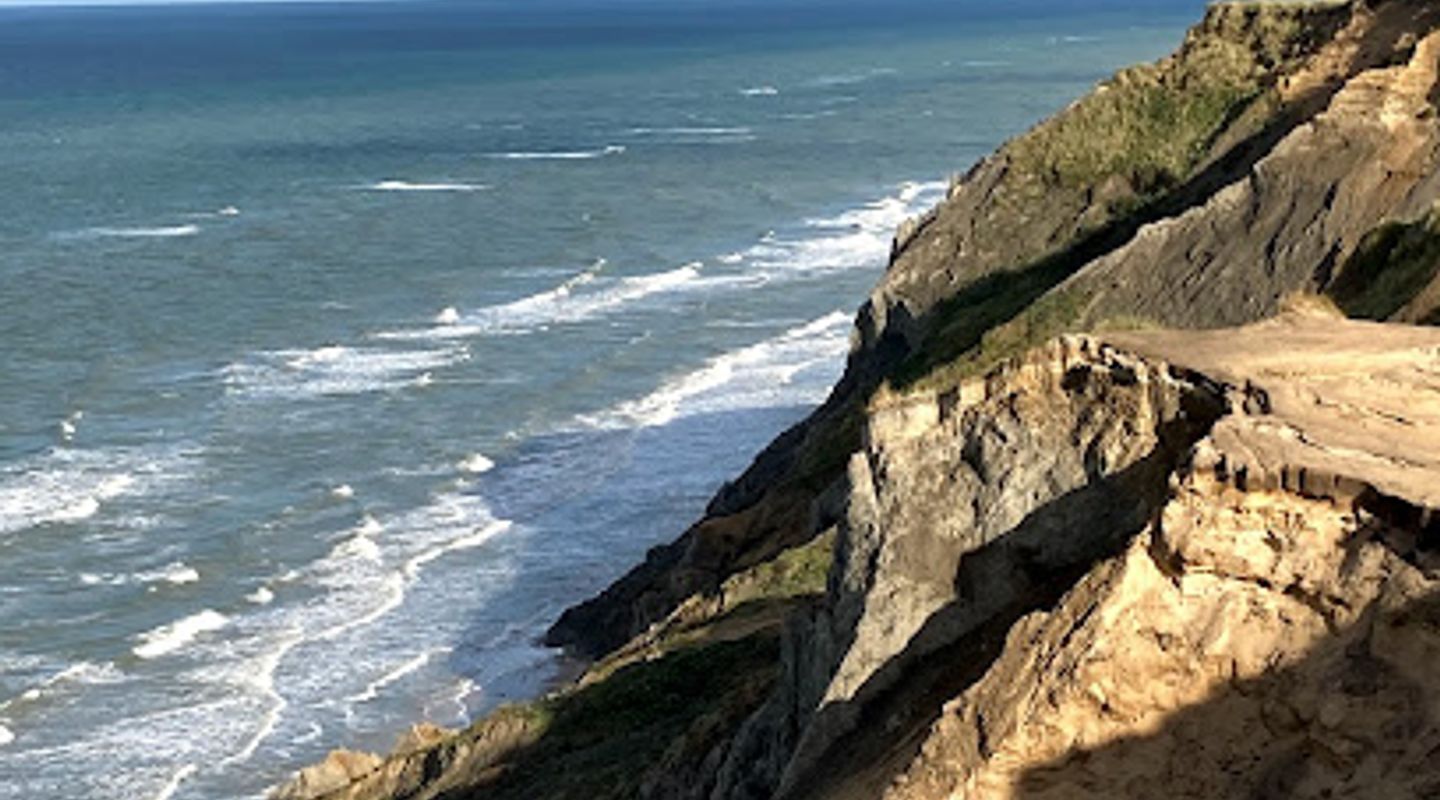
Perched high above the North Sea on Denmark’s wild northwest coast, Rubjerg Knude is a striking fusion of wind-sculpted sand dunes and a solitary lighthouse clinging to the edge of a rapidly eroding cliff. Built around 1900 and moved inland in 2019 to escape the sea, the 23 m tower now rises from a desert-like dune field, offering sweeping views over surf, cliffs and the endlessly shifting sands. It is a powerful, tangible lesson in coastal erosion and the raw force of nature, as well as one of North Jutland’s most photogenic viewpoints.
A brief summary to Rubjerg Knude
- Fyrvejen 110, Løkken, 9480, DK
- Click to display
- Duration: 1 to 3 hours
- Free
-
 Outdoor
- Mobile reception: 3 out of 5

Know before you go
Hi, I'm Eve. Here are a few practical things to know before exploring Rubjerg Knude.
- Wear windproof clothing and closed shoes; the exposed cliff-top location can be very windy and blowing sand is common even on warm, sunny days.
- Aim for early morning or late evening for softer light and fewer crowds, and to see the dunes glow in golden tones along the North Sea horizon.
- Be prepared for a short but energetic walk on soft sand between the nearest parking and the lighthouse; this can be tiring for small children and those with limited mobility.
- Check local weather and wind forecasts in advance; in very strong winds the dune can be unpleasant, with reduced visibility and stinging sand.
- Bring water and snacks, especially outside peak season, as facilities and food options near the dunes can be minimal or closed.
Do you manage this location?
Take control to get all the benefits, like improved information, better appearance, and stronger visibility across AI-powered discovery. Learn more about listing your business on Evendo
Activate your presenceOther nearby places you may find interesting
The closest places of the same kind, if this one is not quite what you had in mind.
Explore Rubjerg Knude on the Map
A handpicked selection of must-see spots near Rubjerg Knude, mapped for you.
Getting There
-
Car from Løkken
Driving from central Løkken to Rubjerg Knude takes about 10–15 minutes via local roads through the coastal countryside. Expect a modest parking fee of roughly 10–20 DKK per hour in the main car park, which can fill quickly in summer and on sunny weekends. From the car park, allow time for a 10–20 minute walk over sandy and slightly uphill terrain, which is not ideal for wheelchairs or prams.
-
Bus and walk from Hjørring
From Hjørring, regional buses toward Lønstrup typically take 30–40 minutes and run several times a day, with a one-way fare in the region of 30–60 DKK depending on ticket type. From the nearest bus stop near Lønstrup or along Fyrvejen, you should plan for a 20–30 minute walk on mixed gravel and sand paths to reach the lighthouse area. Services are less frequent in the evening and at weekends, so check timetables in advance.
-
Cycling along the west coast
Confident cyclists can reach Rubjerg Knude via coastal cycle-friendly roads and sections of the national cycle routes linking Løkken, Lønstrup and Hjørring. From Løkken, the ride is around 30–45 minutes each way, depending on wind. There is no dedicated bike parking on the dune itself, but you can secure your bicycle near the main access point. Strong headwinds and changeable weather are common, so bring layers and be prepared for sudden showers.
For the on-the-go comforts that matter to you
-
 Restrooms
-
 Seating Areas
-
 Trash Bins
-
 Information Boards
Discover more about Rubjerg Knude
Wind, Sand and a Lighthouse on the Move
Rubjerg Knude sits on the crest of Lønstrup Klint, a 60 m-high cliff battered by the North Sea and constantly reshaped by wind and waves. When the lighthouse was completed around 1900, it stood well inland among fields; since then, the coast has retreated by around 1–2 m each year and great dunes have marched across the plateau. The tower once shone out to guide ships, but by the late 1960s sand had piled so high around it that its beam was obscured and the light was switched off.For several decades, the outbuildings housed a museum and café, telling the story of drifting sand. Eventually even those structures succumbed, crushed and buried as dunes pressed in. The lighthouse was left as a lonely concrete shaft on an increasingly precarious bluff, its steps rusting, its lantern empty, the sea scouring ever closer at the foot of the cliff.A Daring Rescue from the Edge
By the 2010s engineers warned that the tower could topple into the sea within a few years. Rather than watch it fall, local authorities undertook a remarkable rescue. In 2019 the 23 m, 700‑plus‑tonne lighthouse was jacked up, slid onto steel rails and trundled roughly 70 m inland to a new foundation. The feat turned this remote spot into a showcase of coastal engineering as well as a natural spectacle.Today, interpretation panels around the site explain how erosion works and why this coast is retreating so fast. Standing here, with the wind in your face and the roar of the surf below, it is easy to visualize how waves undercut the cliff and how the loosened sand is carried up to feed the dunes. The relocation has likely bought the lighthouse several more decades, but nothing here feels permanent.Climbing the Tower and Surveying the Coast
From the base of the dune, sandy paths wind up to the lighthouse, where a metal staircase spirals inside the otherwise bare concrete shell. The interior is simple and utilitarian, but the ascent is short and rewarding; openings in the walls frame glimpses of the sea and the dunes as you climb. At the top, a viewing platform replaces the old lantern, ringed by a guardrail and open to the sky.The panorama is one of the most dramatic on Denmark’s west coast. To one side, pale sands stream inland in soft ridges; to the other, the sea grinds at the foot of sheer, striated cliffs. On clear days you can trace the curve of the coast far north and south, and in windy weather you may see miniature sandstorms skittering over the dune surface. It is both beautiful and slightly disorienting, like standing on the edge of a northern desert.The Ever-Changing Dune Landscape
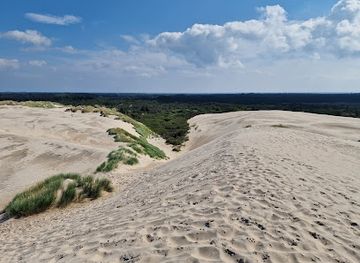
Away from the tower, Rubjerg Knude is an open dune field rather than a manicured viewpoint. There are no trees and very little vegetation, just undulating sand that shifts subtly from season to season. Footprints are quickly erased by the wind, and familiar shapes can vanish between visits. The dune once loomed higher than the lighthouse itself; now it has migrated past, leaving the tower exposed again, but the sense of motion in the landscape remains.Despite its starkness, there is a delicate beauty here. The pale sand takes on warm tones in low light, and ripples cast fine shadows that highlight every gust. In winter, frost can crust the dunes and the air tastes of salt; in summer, long evenings bathe the cliff in gold. This is not a place of shade or shelter, but of big skies, strong elements and a feeling of being very close to nature’s raw processes.Practical Experience and Nearby Heritage
Visiting Rubjerg Knude is largely an outdoor experience. Expect a brisk walk over uneven, sandy terrain and be prepared for strong coastal winds year-round. There are usually basic facilities such as restrooms and information boards near the main access point, but once you step onto the dune you leave infrastructure behind. Good footwear, windproof layers and protection against blowing sand make the visit more comfortable.The wider headland carries echoes of older stories too. Just along the eroding coast, the former site of Mårup Church and maritime memorials underline how long this shoreline has been retreating and how communities have adapted, dismantling buildings before the sea can claim them. Together with the lighthouse, these remnants form a quiet open-air narrative about life on a vulnerable coast, where the line between land and water is always in flux and where even a concrete tower can be pushed back in a bid to keep ahead of the waves.












Your all‑in‑one travel companion app
Explore expert travel guides, compare and book tours, experiences, hotels, and more—all from the palm of your hand. Download now for seamless trip planning wherever your wanderlust takes you.


Explore More of North Jutland
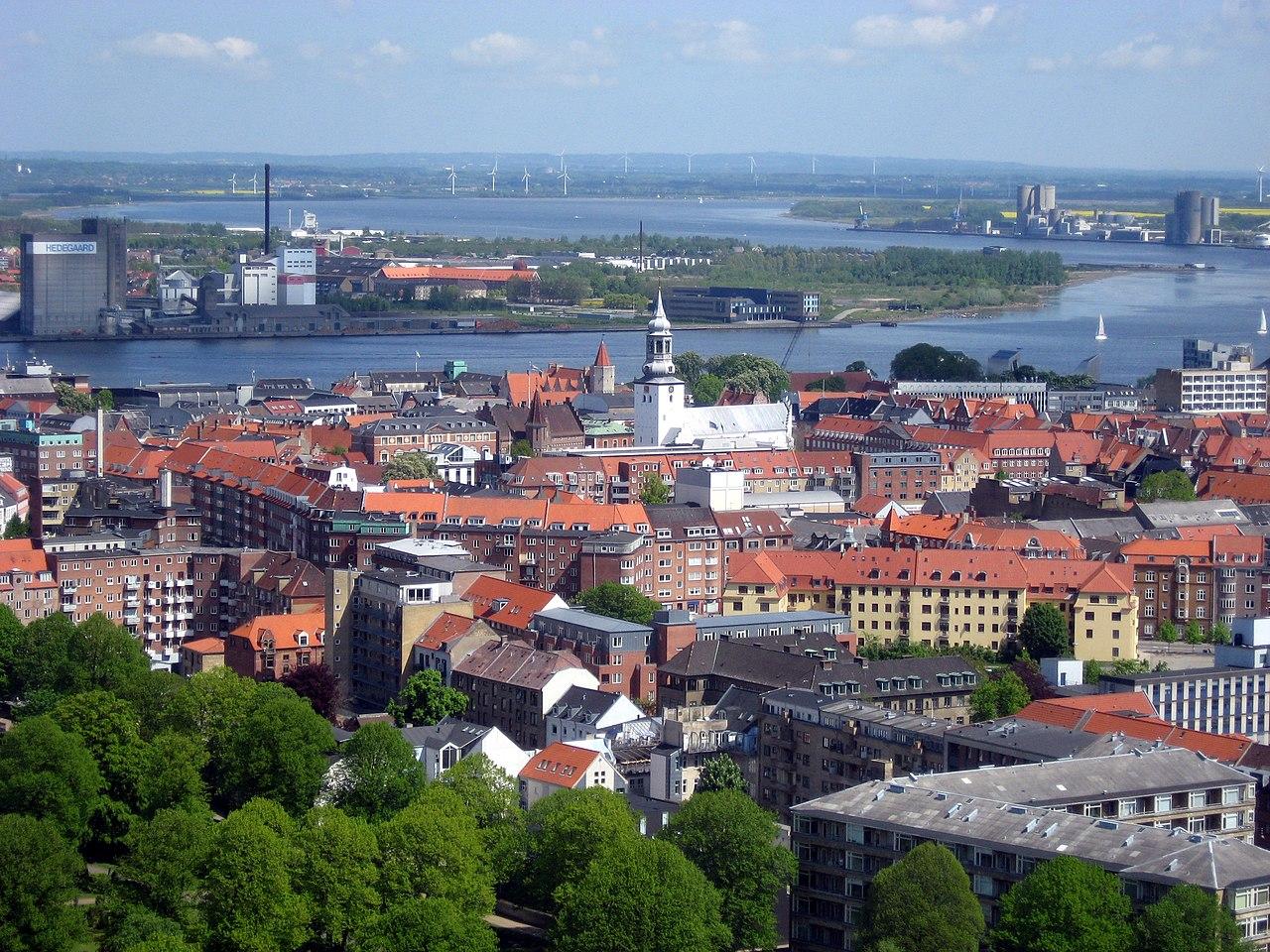
Looking beyond Rubjerg Knude? Discover North Jutland for broader travel guides, local hot-spots, and regional highlights.
Explore North Jutland