Svanninge Bjerge, Sonderjylland Travel Guide
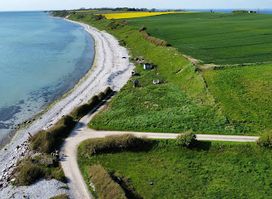
Undulating forested hills, glacial valleys and far‑reaching views over South Funen make Svanninge Bjerge a quietly dramatic corner of the so‑called Funen Alps.
Rising gently above the rolling farmland of South Funen, Svanninge Bjerge is the wild, wooded heart of the so‑called “Funen Alps”. This protected landscape of rounded hills, deep glacial valleys and mixed forest lies just north of Faaborg and forms part of one of Denmark’s most distinctive nature areas. Marked hiking paths weave through beech woods, past open grazed slopes and viewpoints where you can gaze across the South Funen Archipelago, making it an inviting escape for walkers, families and nature lovers.
A brief summary to Svanninge Bjerge
- Odensevej 160, Faaborg, 5600, DK
- Click to display
- Duration: 1.5 to 5 hours
- Free
-
 Outdoor
- Mobile reception: 3 out of 5

Know before you go
Hi, I'm Eve. Here are a few practical things to know before exploring Svanninge Bjerge.
- Bring sturdy walking shoes: trails range from easy forest tracks to steeper, rooty slopes that can be muddy after rain.
- Pack water and snacks, as there are no cafés inside the reserve itself and facilities are concentrated in nearby Faaborg.
- Start early or later in the afternoon if you want quieter viewpoints and the best light for photographing the rolling hills.
- Dress in layers: woodland shade and exposed hilltops can feel very different, especially in spring and autumn.
- Stick to marked paths in grazing areas and keep dogs on a leash to protect wildlife and livestock.
Do you manage this location?
Take control to get all the benefits, like improved information, better appearance, and stronger visibility across AI-powered discovery. Learn more about listing your business on Evendo
Activate your presenceOther nearby places you may find interesting
The closest places of the same kind, if this one is not quite what you had in mind.
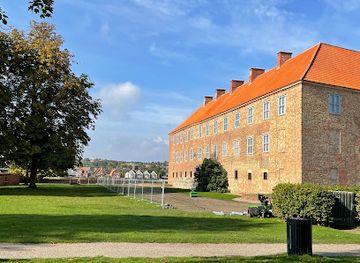
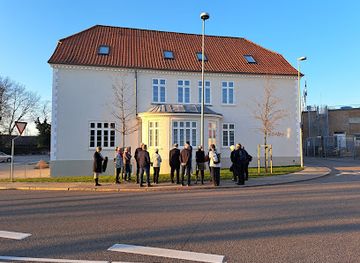
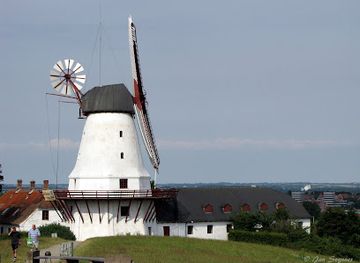
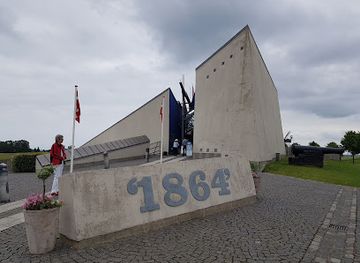
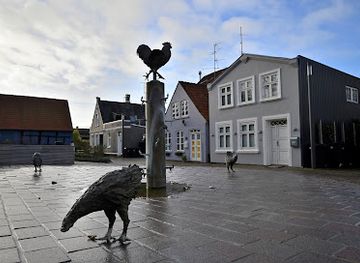
Explore Svanninge Bjerge on the Map
A handpicked selection of must-see spots near Svanninge Bjerge, mapped for you.
Getting There
-
Car from central Faaborg
Driving from central Faaborg to Svanninge Bjerge typically takes around 10–15 minutes. Follow the main road north toward Odense, and you soon reach the forested hills with several signed parking areas along the roadside. Parking is usually free, but spaces can fill up on sunny weekends and holidays, so allow time to find a spot and be prepared for short walks on uneven ground from the car parks into the reserve.
-
Local bus from Faaborg area
Regional buses running between Faaborg and larger towns on Funen, such as Odense, generally stop near the Svanninge hills along the main road. The ride from Faaborg bus station takes about 10–20 minutes depending on the route. A single ticket within the local zone structure is typically in the range of 20–35 DKK, bought on board or via regional transport apps. Services are less frequent in evenings and on weekends, so check the timetable and plan to walk a short distance from the bus stop into the forest.
-
Bicycle from Faaborg
Cycling from Faaborg to Svanninge Bjerge is a pleasant option, taking roughly 20–30 minutes at a relaxed pace along paved roads that climb gradually into the hills. The route includes some steady inclines but no extreme gradients, making it manageable for most reasonably fit cyclists. There is no dedicated bike parking inside the woods, so bring a lock and secure your bicycle at trailheads or near parking areas before continuing on foot along the nature paths.
For the on-the-go comforts that matter to you
-
 Restrooms
-
 Trash Bins
-
 Information Boards
-
 Seating Areas
Discover more about Svanninge Bjerge
Shaped by Ice, Framed by the Sea
Svanninge Bjerge forms the central, most dramatic stretch of the “Funen Alps”, a 16 km long band of hills created at the end of the last Ice Age. Here the landscape folds into steep slopes, rounded ridges and kettle holes, a rare sight in otherwise gentle Danish countryside. From the higher points, such as Lerbjerg, one of Funen’s loftiest spots, the view stretches over patchwork fields to the shimmering South Funen Archipelago.The hills are blanketed by a mosaic of beech forest, open heath and grazing meadows. Old hedgerows, solitary oaks and pockets of wetland tell the story of centuries of careful land use. Today the area is managed as a nature preserve, with grazing animals and selective forestry used to keep habitats varied and vibrant.Wildlife, Woodlands and Open Hillsides
Step off the main tracks and you move through layers of habitat in just a few minutes. Light, airy beech woods give way to darker conifer stands and then to sunny grassland where orchids, herbs and grasses share the thin, sandy soil. The varied terrain shelters birds of prey, woodpeckers and a host of smaller songbirds, making it an appealing destination for birdwatchers.On the warmer slopes, reptiles and insects thrive, while deer slip quietly between the trees at dusk. Managed grazing by cattle or horses keeps open areas from turning to forest and helps rare plants compete. Throughout the reserve, small ponds and damp hollows offer breeding grounds for amphibians and a rich insect life, adding to the area’s biodiversity.Paths, Viewpoints and Quiet Corners
Well‑marked trails cross Svanninge Bjerge, linking forest rides, hilltops and sheltered valleys. Some routes are short loops ideal for a gentle stroll, while others connect into longer systems in the wider Svanninge Bakker and Sollerup Skov, creating full‑day hikes. Wayfinding posts, information boards at key entrances and occasional benches make it easy to piece together your own circuit without disturbing the more sensitive corners of the reserve.Several viewpoints are natural pauses: clearings where the canopy opens and you can look down over Faaborg or out toward the islands offshore. In between, the dense woods feel surprisingly secluded. Even close to the main paths it is easy to find a quiet spot under a beech tree, listen to bird calls and the wind in the leaves, and feel far from towns and roads.Stories in the Landscape
Although nature dominates today, Svanninge Bjerge is also imprinted with cultural history. Old trackways follow lines that farmers and foresters once used, and remnants of former field boundaries still mark transitions between soil types. Nearby, churches and villages cluster at the foot of the hills, underlining how important this high ground has been as a backdrop for local life.In the broader Svanninge area, legends about trolls and giants explain the dramatic landforms in more playful ways, and local painters once roamed the hills in search of soft Funen light and sweeping vistas. Walking here, you can easily imagine both the scientific and the mythical explanations for the strange, undulating land beneath your feet.A Nature Escape Close to Faaborg
One of the reserve’s great strengths is how accessible it feels while still offering a real sense of escape. Entrances from the main road lead quickly into deep forest, yet open glades and broad tracks keep the area comfortable for visitors of different ages and fitness levels. Families come for short walks and picnics, while more dedicated hikers link Svanninge Bjerge with neighbouring hills and long‑distance routes.Whether you choose a brief afternoon wander or a longer day out, the combination of glacial scenery, rich wildlife and shifting woodland light gives Svanninge Bjerge a quietly dramatic character. It feels both distinctly Danish and pleasantly unlike the country’s usual flat fields and coasts, earning its nickname as part of Funen’s “Alps”.












Your all‑in‑one travel companion app
Explore expert travel guides, compare and book tours, experiences, hotels, and more—all from the palm of your hand. Download now for seamless trip planning wherever your wanderlust takes you.


Explore More of Sonderjylland
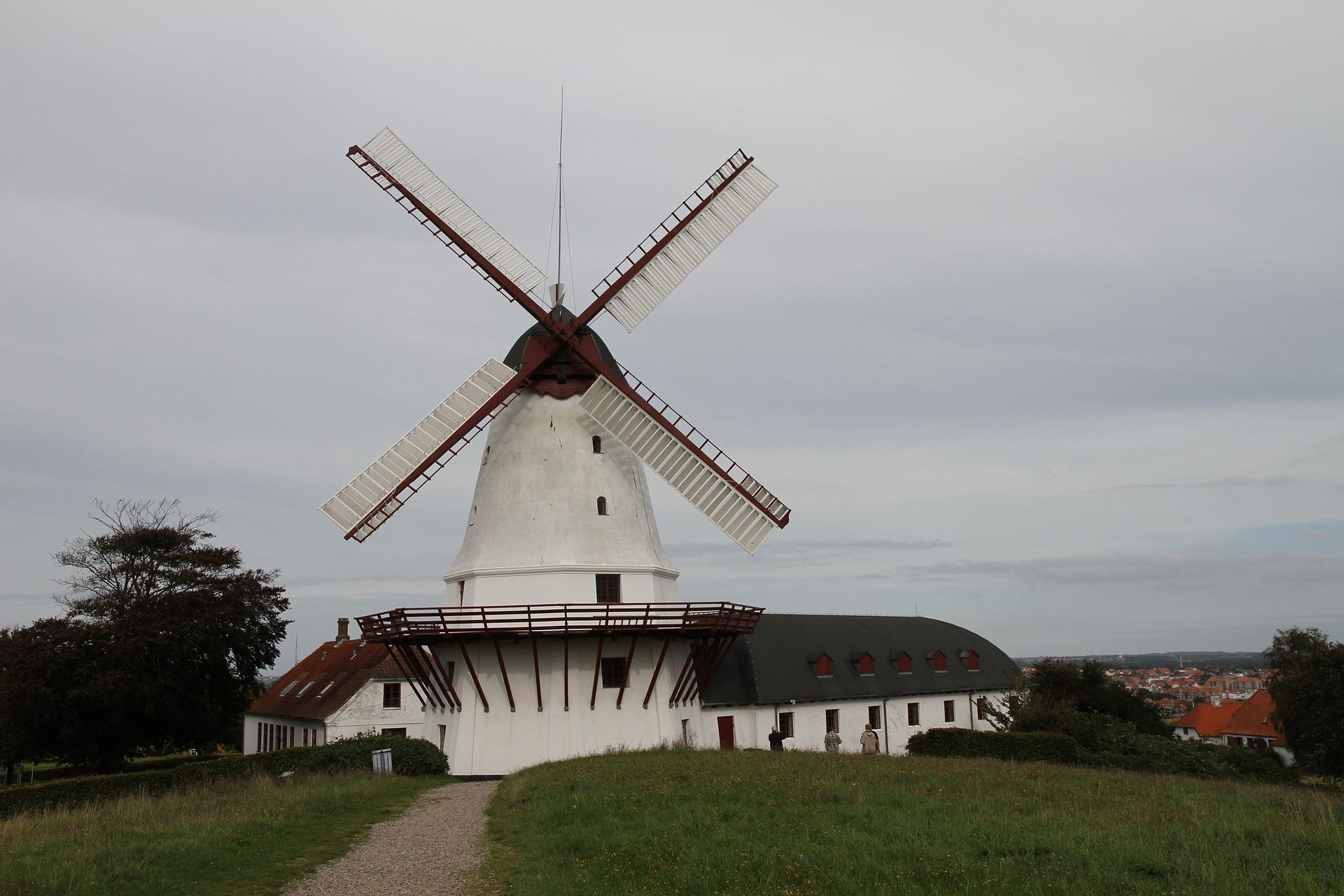
Looking beyond Svanninge Bjerge? Discover Sonderjylland for broader travel guides, local hot-spots, and regional highlights.
Explore Sonderjylland