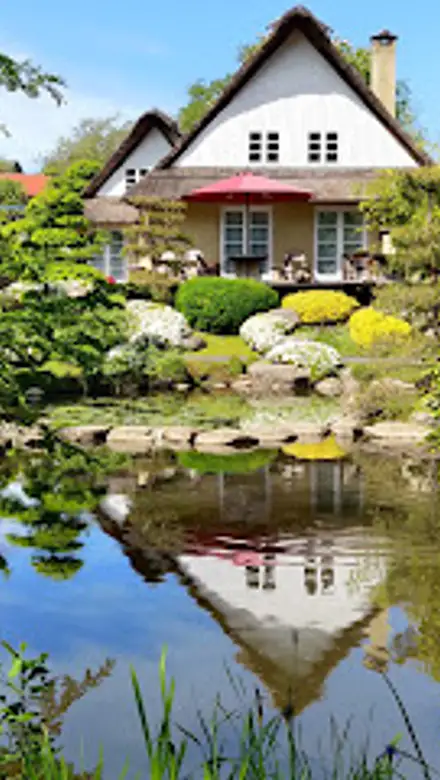
The Japanese Gardens Travel Guide
Free Guide: A tranquil 7,500 m² tapestry of ponds, pines and stone that brings eight classic Japanese garden styles to the gentle countryside of central Funen.


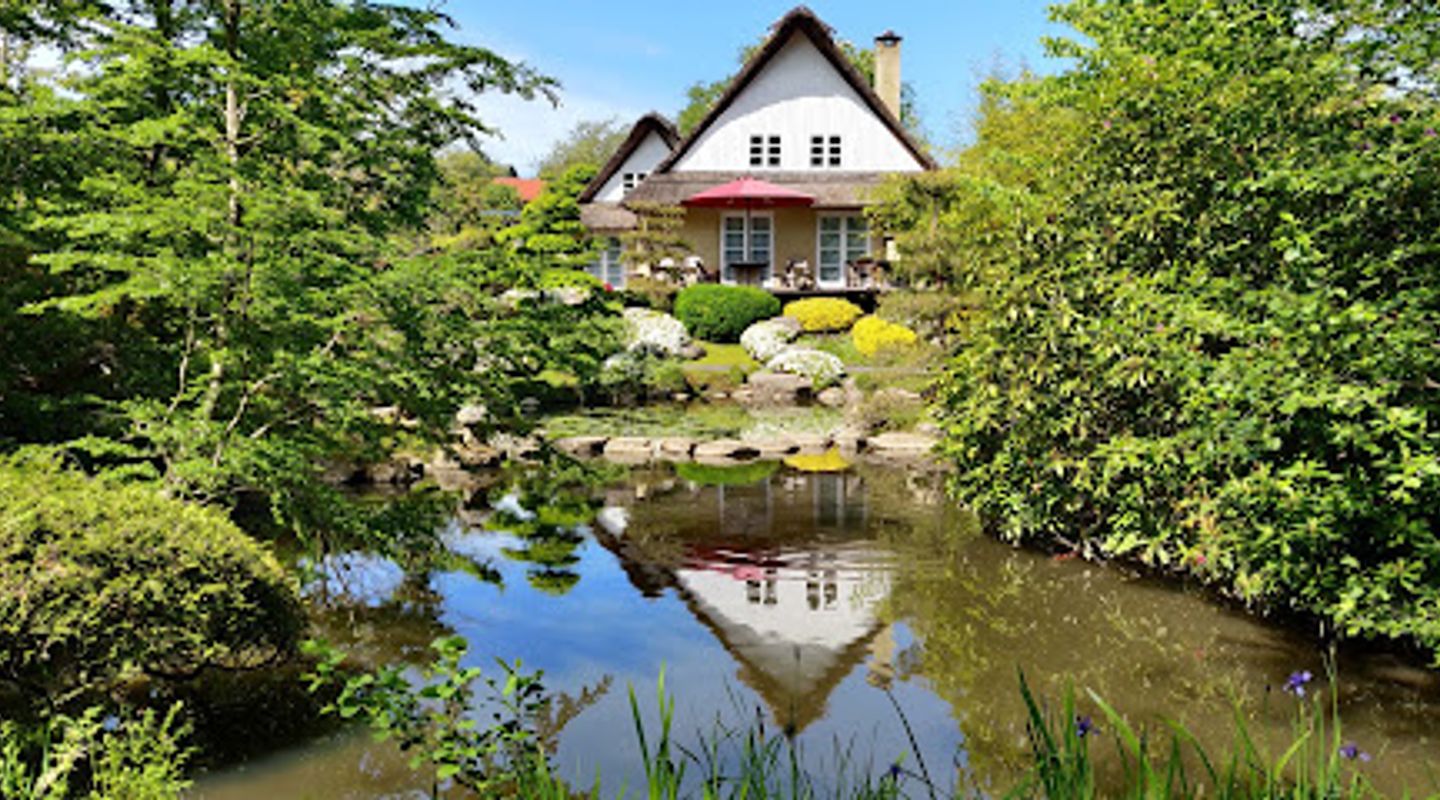
A brief summary of The Japanese Gardens
A tranquil 7,500 m² tapestry of ponds, pines and stone that brings eight classic Japanese garden styles to the gentle countryside of central Funen.
Tucked into the gentle countryside of central Funen, The Japanese Gardens in Broby offer 7,500 m² of meticulously crafted landscapes inspired by classic Japanese garden traditions. Eight distinct garden styles unfold along winding paths: from tranquil meditation corners and tea garden details to water features, ponds and stone compositions framed by over 5,000 trees and shrubs. A serene café serves Japanese‑inspired dishes, while a small shop and bonsai nursery complete this slice of Japan in Denmark.
On-site amenities
 Restrooms
 Drink options
 Drinking water
 Food options
 Seating areas
 Sheltered areas
 Picnic areas
 Trash bins
 Information boards
 Visitor centre
Opening hours
- Every day10 am–6 pm
Opening hours as listed on the venue’s Google Business Profile. Hours can change for services and special events, so check with the venue before you go.
- Address
- Vøjstrupvej 43, 5672 Broby
- Phone
- Website
Getting there
Car from Odense
Car from Faaborg
Bus via Broby from Odense
Cycling from nearby villages
Discover more about The Japanese Gardens
A slice of Japan amid Funen’s fields
The Japanese Gardens sit quietly in the rural landscape near Broby, yet the moment you enter, the mood shifts from Danish farmland to carefully composed Japanese calm. Designed after traditional principles, the gardens extend over roughly 7,500 m², enclosed enough to feel intimate but large enough to invite slow exploration. Gravel paths meander between bamboo, maples and evergreens, revealing one composed view after another.Water is a constant presence: ponds with koi and waterlilies, narrow streams threading under gently arched bridges, and small cascades that create a soft backdrop of sound. Carefully placed rocks, lanterns and stepping stones are not decorative afterthoughts but structural elements guiding the eye and the footsteps, just as in classical Japanese garden design.
Eight distinct garden worlds to wander
Rather than one homogeneous park, the site is divided into eight different garden types, each with its own rhythm and character. You can move from an open **view garden**, where broad vistas unfold across ponds and clipped shrubs, into a more intimate **tea garden** with narrower paths, stone basins and a sense of quiet anticipation.Elsewhere, a shady **forest garden** evokes mountain paths, while a **strolling garden** invites you to circle water features and islands, seeing the same elements from constantly shifting angles. There is a dedicated **water garden**, a more enclosed **courtyard garden**, a contemplative **temple garden** and, at the heart of it all, a **meditation garden** centred on stillness. Together they form a compact introduction to the diversity of Japanese garden culture.
Seasonal colours and meticulous planting
Planting is dense and deliberate, designed to carry interest from spring’s first buds to late autumn’s fading hues. More than 5,000 trees and shrubs, along with tens of thousands of groundcover plants, create layered textures. In May and June, rhododendrons and azaleas erupt in colour, echoed by irises edging the water. Later in the season, hydrangeas and hardy camellias pick up the baton, while Japanese cherries and acers bring both blossom and fiery autumn foliage.The pruning style is distinctly Japanese: pines and other evergreens are cloud-pruned into tiered silhouettes, while shrubs are clipped into soft, rounded forms. Stone lanterns, bridges and boulders are integrated into these plantings so that there is rarely a hard line between the garden’s natural and constructed elements.
Café, shop and quiet corners to linger
At the centre of the complex a bright, wood-and-glass building houses the café, shop and indoor seating, overlooking water and greenery. The menu leans into Japanese inspiration, with options such as sushi plates, rice dishes and Japanese-style meatballs, often alongside simpler cakes, buns and coffee. Food is plated with the same attention to presentation found in the garden layouts.You are welcome to slow down even further in sheltered pergolas and seating nooks, some designed for visitors bringing their own picnic. A small shop offers imports from Japan: porcelain, tea sets, glassware and ikebana pieces, alongside a modest plant area with bonsai, specialist shrubs and tools that appeal to garden enthusiasts.
Practical notes, access and who it suits
The gardens are a seasonal attraction, typically open from early May to the end of September with daily daytime hours; the café generally closes about an hour before the garden gates. Paths are mainly level gravel and paving, and the layout is broadly accessible, with benches dotted throughout for rest and contemplation.The site works equally well for a contemplative solo visit, a gentle family outing or a relaxed day trip for couples. Two to three hours allow enough time to stroll all the sections, pause at viewpoints and enjoy a meal. Because the experience is so weather-sensitive, clear or mildly cloudy days with little wind show the gardens at their best, when reflections in the ponds are sharp and the air carries the scent of flowers and damp stone.
Evendo Review Centre
 Google
Guest reviews
Best time to go
Quietest: Jan, Feb & Nov · before 9am or from 7pm
Busy times are Evendo estimates for a typical year, to help you plan. Actual crowds vary with events, school holidays and the weather.
Explore The Japanese Gardens on the map
A handpicked selection of must-see spots near The Japanese Gardens, mapped for you.
Get your free copy of our complete guide to The Japanese Gardens, delivered straight to you.
Everything on this page, from opening hours and how to get there to Eve’s tips and the best time to go, in one PDF you can read offline, print or share.
Already have an account? Sign in
Your The Japanese Gardens guide is ready.
We'll send it to · Not you? Sign out

Getting your guide ready…
We are putting together a fresh copy of the The Japanese Gardens guide. This can take up to a minute.
This can take a few moments. If your browser asks, choose Allow so the download can start. You'll find the guide in your Downloads folder.
Nothing happened? Download it again
Sorry, the guide is taking longer than usual. Please try again in a minute, or get it by email instead.
Other nearby places you may find interesting
The closest places of the same kind, if this one is not quite what you had in mind.
-
-
-
-
-


Swipe for more places
More to explore near The Japanese Gardens

 Best experiences near The Japanese Gardens
 Best hotels near The Japanese Gardens
 Best landmarks near The Japanese Gardens
 Best attractions near The Japanese Gardens
 Best shops near The Japanese Gardens
 Best restaurants near The Japanese Gardens
 Best bars near The Japanese Gardens
Do you manage this location?
Take control to get all the benefits, like improved information, better appearance, and stronger visibility across AI-powered discovery.
Explore more
Explore more of Funen
Discover Funen, Denmark's lush island treasure, where fairy tales come to life amidst scenic landscapes, historic castles, and vibrant cultural heritage.
Explore Funen
Explore more of Denmark
Discover Denmark: A perfect blend of history, modern design, and the cozy concept of hygge. Explore vibrant cities, serene landscapes, and world-class cuisine.
Explore Denmark