Gunderslevholm Gods Travel Guide
Free Guide: A centuries-old neoclassical estate commanding 2,000 hectares of Danish countryside and aristocratic heritage.


A brief summary of Gunderslevholm Gods
A centuries-old neoclassical estate commanding 2,000 hectares of Danish countryside and aristocratic heritage.
A magnificent neoclassical estate spanning over 2,000 hectares near Næstved in southeastern Denmark, Gunderslevholm Gods represents centuries of Danish aristocratic heritage. Originally built as a Baroque mansion in 1729 and later refined in the neoclassical style, this grand manor house sits on elevated ground overlooking the Susaa river valley. The estate has been owned by the de Neergaard family since 1803 and remains one of Denmark's most impressive private estates, combining architectural elegance with extensive parklands and natural beauty.
On-site amenities
 Parking
 Information boards
- Address
- Gunderslevvej 13, 4160 Herlufmagle
- Phone
- Website
Getting there
Car from Næstved
Public transport from Næstved
Bicycle from Herlufmagle village
Discover more about Gunderslevholm Gods
A Neoclassical Masterpiece with Medieval Roots
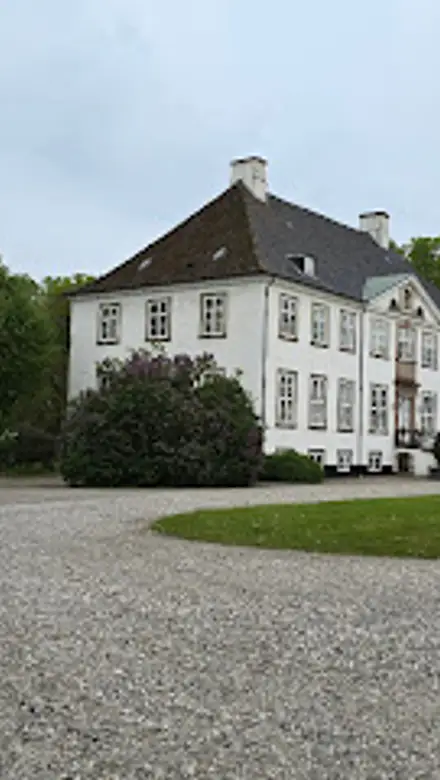
Gunderslevholm Gods stands as one of Denmark's most significant private estates, combining centuries of history with architectural refinement. The main building, constructed in 1729 as a Baroque mansion for Carl Adolph von Plessen, was transformed in 1787 into a neoclassical structure that defines the property today. The two-storey facade spans nine bays and is crowned with a triangular pediment, while the hipped roof is clad in distinctive blue-glazed tiles that catch the light across the surrounding landscape. Positioned on high ground just west of the Susaa river, the manor commands views across its vast holdings.
Medieval Foundations and Aristocratic Legacy
The estate's history stretches back to the Middle Ages, when it was located in the village of Gunderslevmagle. The first documented owner, Niels Pedersen, was followed by his sons Peder Nielsen and Jens Nielsen, who sold the property to Johannes Mogensen Grubbe, a district judge of Zealand, in 1333. Grubbe constructed a fortified house on the estate, though it was destroyed by King Valdemar IV's troops during a conflict over allegiances. Over subsequent centuries, the property passed through the hands of powerful Danish families, including the Gøye family, whose member Mogens Gøye served as headmaster of the nearby Herlufsholm Boarding School from 1609. The estate's significance grew as it accumulated vast landholdings across Zealand.
The De Neergaard Era and Modern Stewardship
Since 1803, Gunderslevholm has been owned by members of the de Neergaard family, establishing a continuity of stewardship spanning over two centuries. The current owners, chamberlain Claus Johan Thomas de Neergaard and Christoffer Johan Thomas de Neergaard, maintain the estate as a living testament to Danish heritage. Today, Gunderslevholm covers 2,084 hectares of land and 272 hectares of lake, making it an expansive landscape of forests, waterways, and cultivated grounds that reflect both historical preservation and contemporary land management.
Architectural Character and Aesthetic Appeal
The manor's neoclassical design exemplifies 18th-century Danish aristocratic taste, with its symmetrical proportions and refined detailing reflecting Enlightenment ideals. The blue-glazed roof tiles are particularly distinctive, creating a striking visual element visible across the estate's grounds. The building's elevated position and orientation toward the river valley create a commanding presence within the landscape, while the surrounding parklands and water features enhance the property's romantic and picturesque qualities. The estate's scale and architectural coherence make it a significant example of Danish manor house design.
Landscape and Natural Setting
The estate's true magnificence lies in its integration with the surrounding landscape. Positioned 12 kilometres northwest of Næstved in southeastern Denmark, Gunderslevholm occupies a landscape of exceptional natural beauty. The Susaa river, one of Denmark's most important waterways, flows through the property, creating scenic vistas and supporting diverse ecosystems. The extensive forests, lakes, and cultivated grounds provide a varied environment that has been shaped by centuries of careful stewardship, balancing productive land use with aesthetic and ecological considerations.
Evendo Review Centre
 Google
Guest reviews
Best time to go
Quietest: Jan, Feb & Dec · before 6am or at 10pm
Busy times are Evendo estimates for a typical year, to help you plan. Actual crowds vary with events, school holidays and the weather.
Explore Gunderslevholm Gods on the map
A handpicked selection of must-see spots near Gunderslevholm Gods, mapped for you.
Get your free copy of our complete guide to Gunderslevholm Gods, delivered straight to you.
Everything on this page, from opening hours and how to get there to Eve’s tips and the best time to go, in one PDF you can read offline, print or share.
Already have an account? Sign in
Your Gunderslevholm Gods guide is ready.
We'll send it to · Not you? Sign out

Getting your guide ready…
We are putting together a fresh copy of the Gunderslevholm Gods guide. This can take up to a minute.
This can take a few moments. If your browser asks, choose Allow so the download can start. You'll find the guide in your Downloads folder.
Nothing happened? Download it again
Sorry, the guide is taking longer than usual. Please try again in a minute, or get it by email instead.
Other nearby places you may find interesting
The closest places of the same kind, if this one is not quite what you had in mind.
-
-
-
-
-


Swipe for more places
More to explore near Gunderslevholm Gods

 Best experiences near Gunderslevholm Gods
 Best hotels near Gunderslevholm Gods
 Best landmarks near Gunderslevholm Gods
 Best attractions near Gunderslevholm Gods
 Best shops near Gunderslevholm Gods
 Best restaurants near Gunderslevholm Gods
 Best bars near Gunderslevholm Gods
Do you manage this location?
Take control to get all the benefits, like improved information, better appearance, and stronger visibility across AI-powered discovery.
Explore more
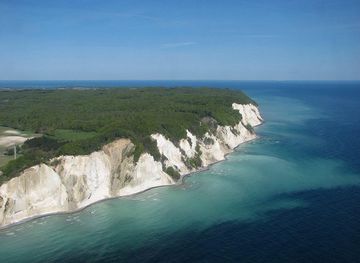
Explore more of South Zealand
Discover South Zealand, where dramatic cliffs, historic castles, and charming coastal towns create the perfect Danish escape.
Explore South Zealand
Explore more of Denmark
Discover Denmark: A perfect blend of history, modern design, and the cozy concept of hygge. Explore vibrant cities, serene landscapes, and world-class cuisine.
Explore Denmark