Bunker Museum Area, Hanstholm
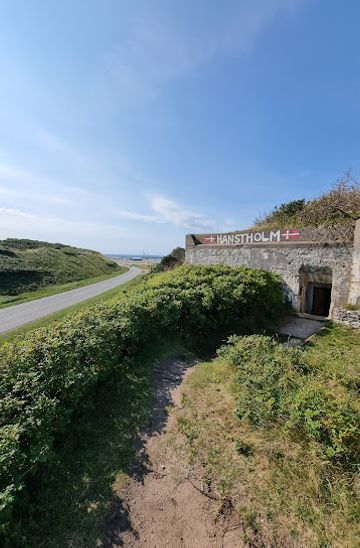
Wind, dunes and concrete bunkers meet on Hanstholm’s headland, where a vast WWII fortress now forms an open-air museum in the wild light of Denmark’s northwest coast.
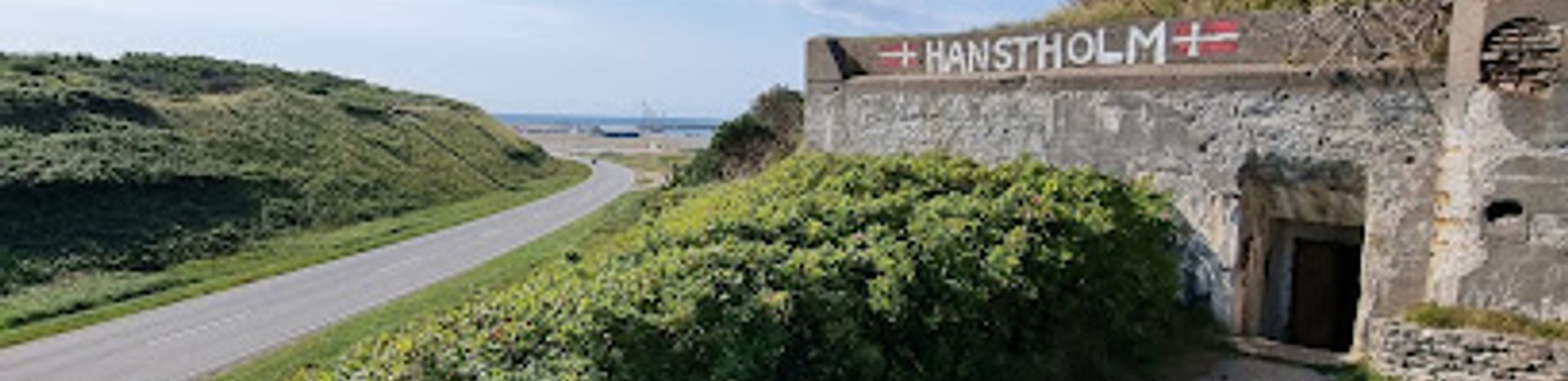
Set amid windswept dunes on Denmark’s northwest coast, the Bunker Museum area at Hanstholm is part of Northern Europe’s largest World War II coastal fortress. Here concrete bunkers, gun emplacements and ammunition shelters lie scattered through heath and forest, remnants of the German Atlantic Wall that once guarded the Skagerrak strait. Today, trails and open-air remains invite you to wander between history and wild North Sea landscapes in one evocative setting.
A brief summary to Bunker
- Hanstholm, 7730, DK
- Duration: 1.5 to 4 hours
- Mid ranged
-
 Outdoor
- Mobile reception: 4 out of 5

Know before you go
Hi, I'm Eve. Here are a few practical things to know before exploring Bunker.
- Bring a good flashlight or headlamp if you plan to explore interior bunkers beyond the main museum; many rooms are unlit and floors can be uneven.
- Wear windproof layers and sturdy shoes, as the site is exposed to strong North Sea winds and many paths cross soft sand or rough ground.
- Allow extra time to follow one of the marked trails into the surrounding dunes to see more remote bunkers and enjoy wider coastal views.
- Check seasonal opening times if you want to combine the outdoor area with the indoor museum exhibits and the ammunition train.
Do you manage this location?
Take control to get all the benefits, like improved information, better appearance, and stronger visibility across AI-powered discovery. Learn more
Activate your presenceOther nearby places you may find interesting
Getting There
-
Car from Thisted
From Thisted, driving to the bunker area at Hanstholm typically takes 30–40 minutes. The route follows main regional roads across gently hilly countryside and is straightforward in all seasons, though winds can be strong near the coast. Parking is available close to the museum complex and main bunkers, and there is no separate fee for standard parking.
-
Regional bus within Thy
Regional buses connect Thisted and other Thy towns with Hanstholm in about 40–60 minutes, depending on the service and intermediate stops. Standard single adult fares are usually around 30–50 DKK, with discounts for children and travel cards. Services tend to be less frequent in the evenings and on weekends, so checking the timetable in advance is important.
-
Cycling in Thy National Park area
Confident cyclists can reach the bunker area from nearby coastal villages and from Thisted via a mix of minor roads and cycle-friendly routes in 60–90 minutes. The terrain is mostly gentle but exposed, and strong headwinds are common along the North Sea, so plan extra time. Cycling is free and offers flexible access to the wider dune landscape around the fortifications.
For the on-the-go comforts that matter to you
-
 Restrooms
-
 Drink Options
-
 Drinking Water
-
 Food Options
-
 Seating Areas
-
 Picnic Areas
-
 Trash Bins
-
 Information Boards
-
 Visitor Center
Discover more about Bunker
Concrete Giants Above the Skagerrak
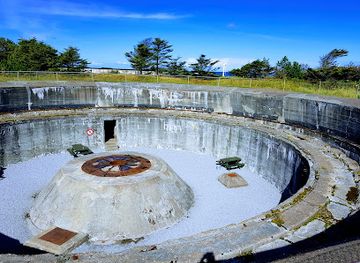
The bunker landscape at Hanstholm is the visible remains of one of Northern Europe’s most formidable World War II fortresses. Built by German forces from 1941, this battery worked together with heavy guns in Norway to control the entrance to the Skagerrak strait, effectively sealing off a vital maritime gateway. Massive 38 cm naval guns once sat in armoured positions here, their 110‑ton barrels capable of firing shells more than 50 km out to sea.Today the guns are gone, but their circular emplacements, ammunition bunkers and observation posts still dominate the dunes. Walking between these structures gives a vivid sense of the scale and ambition of the Atlantic Wall, the long chain of fortifications stretching from Norway to the French coast that this site helped anchor.Life Inside the Underground Maze
Beneath the sand and scrub lies a 2,500 m² bunker complex where soldiers once worked, slept and waited. In nearby museum bunkers, several rooms have been restored with bunks, mess tables and equipment, showing how crews lived in a world of concrete corridors and steel doors. Narrow passages lead to communication rooms, ammunition stores and technical spaces that powered the giant guns.It is easy to imagine the constant hum of generators, the smell of oil and the tension of an outpost braced for attack that never came. Exhibitions in the documentation centre above the bunker illuminate daily routines, from sentry duties and drills to letters home, revealing how a remote Danish headland became a closed military zone under occupation.Occupied Hanstholm and the Atlantic Wall
The fortification reshaped Hanstholm itself. Before the war, this was a small coastal community; during the occupation, large parts of the town were evacuated or restricted as construction intensified. Hundreds of bunkers and positions spread across the dunes and farmland, turning everyday landscapes into a fortified frontier.Interpretive displays in the wider museum area explore how local civilians and German soldiers coexisted in the shadow of the concrete. Stories of requisitioned homes, controlled movement and the post‑war years of dismantling and adaptation show how the Atlantic Wall left both physical and social scars. The wider region still carries traces of this era, from isolated bunkers in fields to ruined coastal batteries further along the shore.Open-Air Museum in Wind and Heath
Outside the main museum complex, the surrounding terrain has effectively become an open‑air museum. Waymarked paths thread through heather, grass and low forest, linking scattered bunkers, observation posts and trench lines. Many structures are open, allowing you to step inside dark rooms where sound is muffled and the sea wind fades to a distant roar.In the dunes south of town, the Hanstholm I battery forms another striking cluster of bunkers and gun pits. Here, the empty concrete shells stand against wide skies, sometimes half‑buried or tilted by drifting sand. Exploring on foot, you move constantly between exposed coastal panoramas and enclosed concrete spaces, an alternation that keeps the experience both physical and reflective.North Sea Atmosphere and Coastal Scenery
The setting is as much part of the appeal as the history. On blustery days the wind carries the scent of salt and dune grass across the site, and the low profile of the bunkers blends into the rolling terrain. From higher points you can glimpse the North Sea and, inland, the fringes of Thy National Park, one of Denmark’s great wild landscapes.Birdsong, rustling pines and the distant rumble of waves soften the military lines of concrete and steel. Picnic tables and open clearings provide places to pause, while shifting light over the dunes makes repeat visits feel different in every season. The contrast between austere wartime architecture and the resilient coastal environment is at the heart of Hanstholm’s character.Exploring at Your Own Pace
The bunker area is well suited to unhurried exploration. Short loops near the museum link several key structures, ideal if you have limited time or are travelling with children. Longer routes lead further into the dune landscape and towards additional batteries for those who want to spend several hours outdoors.Footpaths are generally easy but can be sandy, uneven and exposed to weather, so sturdy shoes and layered clothing are useful year‑round. Simple information boards at selected points help you make sense of what you are seeing without disturbing the quiet, contemplative mood that pervades this unusual blend of historic site and coastal nature.Explore the best of what Bunker has to offer













More about North Jutland
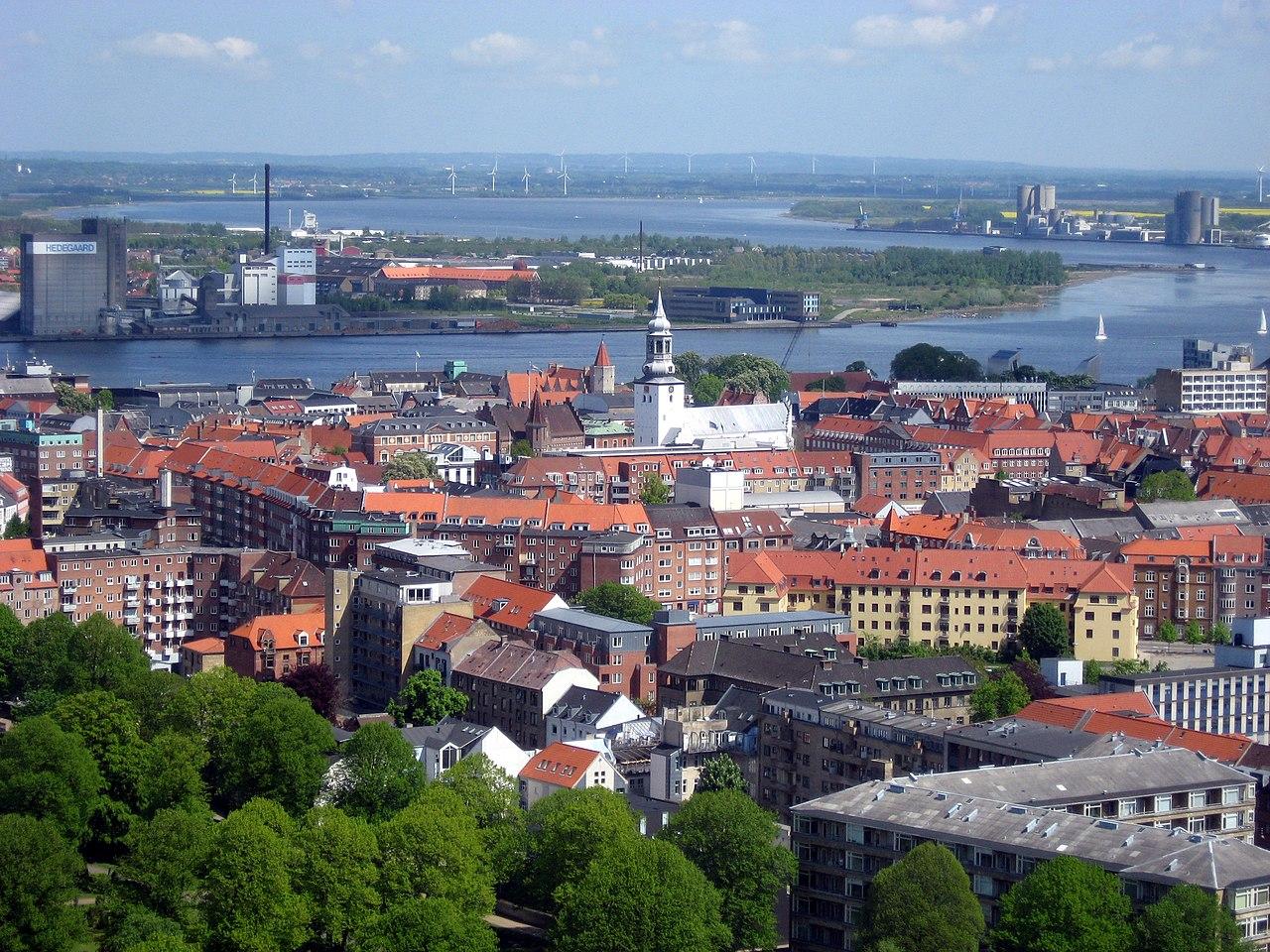
Discover North Jutland: Denmark's northernmost region, renowned for its stunning coastlines, rich Viking history, vibrant culture, and outdoor adventures.
Tell me more about North Jutland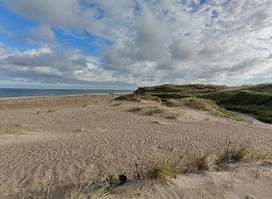
Raw North Sea surf, wind-carved dunes and a laid-back village vibe make Klitmøller Beach the salty heart of Denmark’s “Cold Hawaii” coastline year-round.
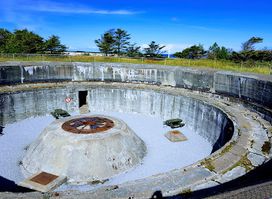
Northern Europe’s largest WWII coastal fortress, where colossal guns, concrete bunkers and wild North Sea dunes meet on the windswept edge of Denmark.