

Klitmøller Beach Travel Guide
Free Guide: Raw North Sea surf, wind-carved dunes and a laid-back village vibe make Klitmøller Beach the salty heart of Denmark’s “Cold Hawaii” coastline year-round.


A brief summary of Klitmøller Beach
Raw North Sea surf, wind-carved dunes and a laid-back village vibe make Klitmøller Beach the salty heart of Denmark’s “Cold Hawaii” coastline year-round.
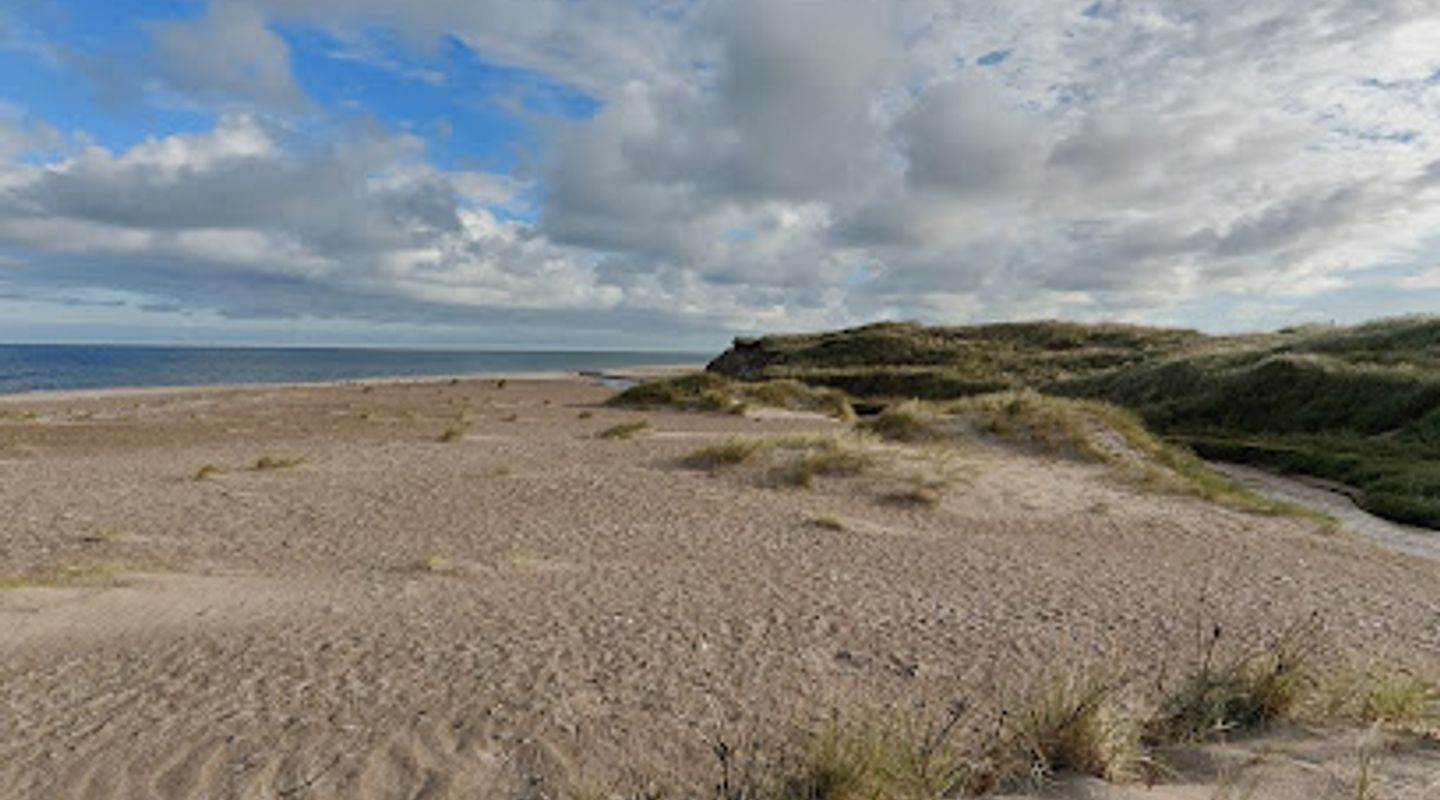
Klitmøller Beach, on Denmark’s wild North Sea coast near Thisted, is the salty heart of “Cold Hawaii” – a long, curving bay framed by dunes, heather and low buildings. Known for powerful wind and clean, curling waves shaped by offshore reefs, it draws surfers, windsurfers and kitesurfers from across Europe. Between sessions, visitors wander the stony shore, watch fishing boats and enjoy big skies, bracing air and sunsets that set the water glowing.
On-site amenities
 Restrooms
 Seating areas
 Picnic areas
 Trash bins
 Information boards
- Address
- Ørhagevej 183-169, 7700 Thisted
Getting there
Car from Thisted
Regional bus from Thisted
Car from Hanstholm and the northwest coast
Cycling within Thy and Klitmøller
Discover more about Klitmøller Beach
Where the North Sea Shapes a Surf Town
Klitmøller Beach curves gently along the North Sea just west of the small town of Klitmøller, forming one of the few sheltered bays on this otherwise straight, wind-battered coastline. Low houses and surf shacks sit only a few metres behind the shore, but step onto the beach and the built world quickly slips from focus. Ahead is a wide horizon of steel-blue water and restless waves, behind you a backdrop of dunes and heath that hints at the vast Thy National Park.The beach itself is a mix of compact sand, coarser gravel and rounded stones carried in from an offshore limestone reef. It is not a classic palm-fringed strand; instead it feels raw, northern and elemental, built for big skies, whitecaps and the smell of salt and seaweed. On clear days, the light can be dazzling as it bounces off wet rocks and spindrift, while in rougher weather the shoreline turns dramatic, with foaming surf and a constant roar in the background.
The Cold Hawaii Waves and Wind
Klitmøller is the unofficial capital of “Cold Hawaii”, a chain of surf spots stretching along the Thy coast between Hanstholm and Vorupør. Here two reefs lying just offshore organise the swell from the open North Sea into long, rideable waves that roll into the bay, creating conditions prized by surfers and windsurfers. Strong winds from many directions are channelled into clean lines and steep faces, and on good days the water becomes a moving playground of sails and boards.The same forces that make the surf so good also demand respect. The water deepens sharply only a few steps from shore and currents around the headland can be powerful, especially when the wind is up. For strong swimmers, summer offers bracing dips and body-surfing close in, but it remains a cold-water environment where exposure suits and caution are part of the culture. For those who would rather stay dry, it is just as compelling to watch the action from the sand or from the low dunes nearby.
Dunes, Heath and the Edge of Thy National Park
Behind the beach, the landscape quickly shifts from stones and sand to a patchwork of marram grass, heather, crowberry and low shrubs typical of the West Jutland dune heath. The terrain rises gently into undulating ridges that catch the wind and provide natural viewpoints back over the bay. On quieter days you may hear more birds than people, with waders along the shoreline and migratory species passing overhead on their way across the North Sea.This shoreline forms part of the coastal edge of Thy National Park, Denmark’s first national park, and the sense of space is unmistakable. Even with surfers concentrated around the main break, it is easy to walk north or south along the waterline and find quieter stretches where only the sound of waves and wind remains. Inland, trails wind through heath and woodland, giving a taste of the larger protected landscape that frames Klitmøller.
Beach Life Between Boats and Boards
Klitmøller’s roots lie in fishing rather than surfing, and traces of that heritage still appear around the beach. In parts of the bay, traditional fishing boats are still winched up onto the sand, using the relatively calmer water behind the reef to land their catch. Net sheds, simple slipways and working gear lend the place a lived-in feel and underline the connection between the village and the sea.Along the beachfront, surf schools, rental shops and casual eateries create a low-key, maritime atmosphere. Outside of the stormiest months, the shoreline becomes a living stage: instructors leading beginners through basic drills in shallow water, experienced riders carving turns further out, walkers tracing the tideline and children building stone towers or collecting shells and driftwood. Even when the air is cool, there is often a lingering, laid-back energy that feels distinctly different from other Danish coastal towns.
Experiencing the Beach Through the Seasons
Summer brings the mildest water temperatures and the longest days, encouraging long evening walks and sunset watching as the sky turns from pale blue to deep orange over the North Sea. This is also when the surf scene is most visible, with colourful boards stacked on car roofs and wetsuits hanging to dry near holiday homes. Facilities such as seasonal food options and beach toilets at key access points make it easy to linger for hours.Outside the main season, Klitmøller Beach takes on a more austere beauty. Autumn storms whip the waves into dramatic peaks, winter brings crisp air and fewer people, and spring light reveals subtle colours in the dunes and heath. With the right clothing, the beach remains rewarding year-round, whether you are here to chase waves, photograph shifting weather or simply stand in the wind and feel the full force of the North Sea.
Evendo Review Centre
 Google
Guest reviews
Best time to go
Quietest: Jan, Feb & Dec · before 6am
Busy times are Evendo estimates for a typical year, to help you plan. Actual crowds vary with events, school holidays and the weather.
Explore Klitmøller Beach on the map
A handpicked selection of must-see spots near Klitmøller Beach, mapped for you.
Get your free copy of our complete guide to Klitmøller Beach, delivered straight to you.
Everything on this page, from opening hours and how to get there to Eve’s tips and the best time to go, in one PDF you can read offline, print or share.
Already have an account? Sign in
Your Klitmøller Beach guide is ready.
We'll send it to · Not you? Sign out

Getting your guide ready…
We are putting together a fresh copy of the Klitmøller Beach guide. This can take up to a minute.
This can take a few moments. If your browser asks, choose Allow so the download can start. You'll find the guide in your Downloads folder.
Nothing happened? Download it again
Sorry, the guide is taking longer than usual. Please try again in a minute, or get it by email instead.
Other nearby places you may find interesting
The closest places of the same kind, if this one is not quite what you had in mind.
-
-
-
-
-


Swipe for more places
More to explore near Klitmøller Beach

 Best experiences near Klitmøller Beach
 Best hotels near Klitmøller Beach
 Best landmarks near Klitmøller Beach
 Best attractions near Klitmøller Beach
 Best shops near Klitmøller Beach
 Best restaurants near Klitmøller Beach
 Best bars near Klitmøller Beach
Do you manage this location?
Take control to get all the benefits, like improved information, better appearance, and stronger visibility across AI-powered discovery.
Explore more

Explore more of Thy National Park
Discover Thy National Park, Denmark's first national park, a coastal wilderness offering diverse landscapes, rich wildlife, and countless outdoor activities for nature lovers.
Explore Thy National Park
Explore more of Denmark
Discover Denmark: A perfect blend of history, modern design, and the cozy concept of hygge. Explore vibrant cities, serene landscapes, and world-class cuisine.
Explore Denmark
