Udsigtspunkt Hanstholm
A modest Hanstholm lookout with a mighty view over Denmark’s largest dune heath, where wind, wild landscape and distant sea meet under a vast North Jutland sky.
Simply called “Udsigtspunkt” on maps, this modest viewpoint on the edge of Hanstholm opens onto one of Denmark’s wildest panoramas. From the low platform you look out over Hanstholm Vildtreservat and the northern reaches of Nationalpark Thy – a vast mosaic of dunes, heathland, wetlands and distant North Sea. Wind, big skies and shifting light define the experience, making this a quiet, contemplative stop on any journey along the North Jutland coast.
A brief summary to Udsigtspunkt
- Hanstholm, 7730, DK
- Duration: 0.5 to 1.5 hours
- Free
-
 Outdoor
- Mobile reception: 4 out of 5

Know before you go
Hi, I'm Eve. Here are a few practical things to know before exploring Udsigtspunkt.
- Visit around sunrise or late afternoon for softer light, better chances of spotting red deer and birds of prey, and more dramatic shadows across the dune landscape.
- Bring a windproof layer year‑round; the exposed position means it can feel significantly colder and windier than in Hanstholm town, even on seemingly calm days.
- Pack binoculars to fully appreciate details in Hanstholm Vildtreservat, from distant deer herds and wading birds to subtle features like pools and dune ridges.
Do you manage this location?
Take control to get all the benefits, like improved information, better appearance, and stronger visibility across AI-powered discovery. Learn more
Activate your presenceOther nearby places you may find interesting
Getting There
-
Car
From central Hanstholm, driving to the viewpoint typically takes 5–10 minutes along local roads through the outskirts of town and adjacent farmland. The route is short but exposed to wind and occasional drifting sand in stormy weather. Parking near the viewpoint is free, but spaces are limited to a small roadside area, and there are no formal marked bays. In peak summer and on clear autumn weekends, be prepared to share the roadside with other visitors and allow extra time to turn and re‑join the main road safely.
-
Bicycle
Cycling from Hanstholm’s harbour or town centre usually takes 15–25 minutes, following quiet local roads and minor lanes across gently rolling ground. The distance is manageable for most cyclists, but strong westerly winds can make the return leg noticeably harder, especially on standard city bikes. There are no dedicated bike racks at the viewpoint; you will need to leave your bicycle off the narrow verge without blocking access. Good lights and high‑visibility clothing are recommended outside daylight hours, as roadside lighting is sparse.
-
On foot
Walking from the residential edge of Hanstholm to the viewpoint typically takes 30–50 minutes, depending on your starting point and pace. The approach uses a mix of paved roads and country lanes with modest inclines, but the final stretch is exposed and can feel strenuous in strong wind or driving rain. Footpaths may be uneven or muddy after heavy weather, so sturdy footwear is advisable. This is a realistic option for reasonably fit walkers; those with limited mobility may prefer to arrive by car or bicycle instead.
For the on-the-go comforts that matter to you
-
 Trash Bins
-
 Information Boards
-
 Seating Areas
Discover more about Udsigtspunkt
Where Hanstholm Meets the Wild Heath
Perched just inland from the North Sea, this unassuming viewpoint outside Hanstholm is a gateway to one of Denmark’s most dramatic landscapes. A short step up from the surrounding ground lifts you enough to see over the nearby vegetation and into the great openness of Hanstholm Vildtreservat, the country’s largest continuous protected dune heath. What looks at first like a simple rise in the terrain quickly reveals its value: from here the land seems to roll away in soft waves of sand, heather and grass, interrupted only by scattered pines and low, weather‑bent shrubs.The sense of space is immediate. On clear days the horizon feels unusually far, with the sea appearing as a thin blue band beyond the dunes. Even on hazy afternoons the transition from cultivated land to wild heath is striking, and the viewpoint sits right on this threshold.Layers of Sand, Sea and Deep Time
The scenery that unfolds below the platform has been shaped over thousands of years. Much of the heathland rests on an uplifted seabed from the Stone Age, when the area was dotted with islands rather than dunes. As sea levels fell and winds grew stronger, sand migrated inland, building the ridges and hollows you now see stitched together in a patchwork of dry ridges and wet depressions.These low, shimmering pools and marshy pockets between the dunes are more than just picturesque details. They host rare plants and a wealth of insects, drawing waders and other birdlife. Standing at the viewpoint, you read the landscape as a series of muted colours: pale sand, rusty heather, dark conifers and, in late summer, splashes of purple as the heath comes into bloom.Wildlife on the Move Below You
Hanstholm Vildtreservat is renowned for its large population of red deer, and this viewpoint offers a good chance of spotting them, especially in the soft light of early morning or evening. With patience you may see a line of deer moving across the heath, pausing in the shallow basins where water lingers. Overhead, birds of prey use the rising air along the dune edges; buzzards are frequent, and with luck you might glimpse a sea eagle or osprey circling high above the open terrain.Closer at hand, the soundtrack is often simple: wind in the grasses, the distant pulse of waves, and the sharp calls of skylarks and meadow pipits. The absence of traffic and urban noise makes even small sounds stand out, reinforcing the impression that this edge of Hanstholm leans straight into true wildland.Weather, Wind and Changing Light
Conditions at the viewpoint rarely feel static. Westerly winds funnel across the heath, sometimes arriving as a steady breeze, sometimes as powerful gusts that make you brace your stance on the platform. Clouds race overhead, throwing fast‑moving shadows across the dunes and pools, continually redrawing the view.On bright days the light can be almost harsh, highlighting every ripple in the sand. In mist or low cloud the scene grows softer and more mysterious, with shape replacing colour as the main impression. Winter brings a stripped‑back palette and, occasionally, frost or light snow that emphasise the underlying structure of the landscape.A Quiet Pause on the Edge of a National Park
Although Nationalpark Thy encompasses a wide sweep of the North Jutland coast, few places let you grasp its scale as quietly and quickly as this small outlook. There are no grand structures, just a practical vantage point and a short path linking it to the nearby road and fields. That simplicity is part of the appeal: you can step out of a busy day, climb a few steps and suddenly look into a near‑wilderness that stretches for kilometres.It is a natural pause point on longer walks through the coastal hinterland or a brief detour for those exploring Hanstholm, its harbour and lighthouse. Many visitors linger longer than planned, tracing lines of old dunes across the horizon or watching light play over the heath until the next change in weather arrives.Reading the Landscape, Respecting Its Calm
Spending time here invites a slower way of looking. You begin to notice how human presence fades rapidly beyond the immediate surroundings; tracks and fences stop, replaced by the soft geometry of dunes and the irregular glint of water. The viewpoint serves as a reminder that this is a protected environment, managed to balance access with the needs of wildlife.By keeping to marked paths, staying gentle in noise and movement, and leaving no trace, you help preserve the quiet character that makes this outlook special. It is not a place of spectacle in the usual sense, but of gradual discovery, where the longer you stand, the more detail and life emerge from what first appears as a simple stretch of northern heath.Explore the best of what Udsigtspunkt has to offer













More about North Jutland
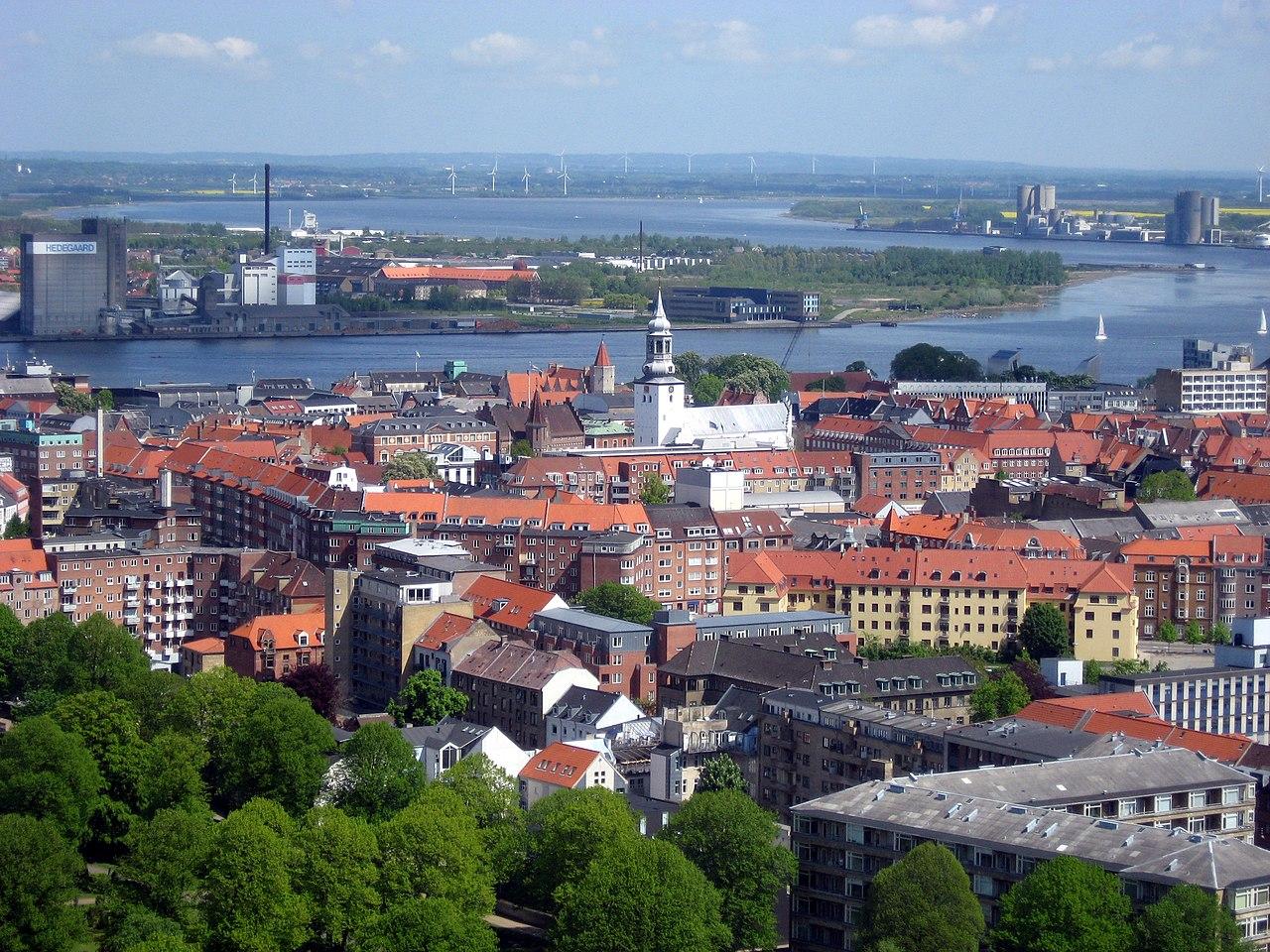
Discover North Jutland: Denmark's northernmost region, renowned for its stunning coastlines, rich Viking history, vibrant culture, and outdoor adventures.
Tell me more about North Jutland
Discover Sneglehuset in Thyborøn: A unique museum adorned with intricate seashell designs, showcasing maritime heritage and local artistry.
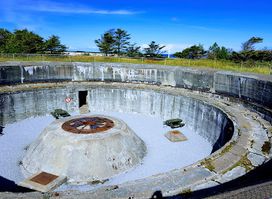
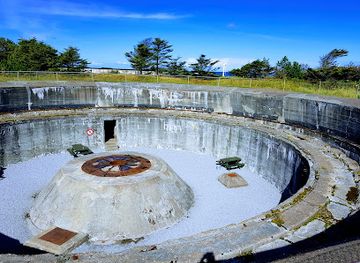
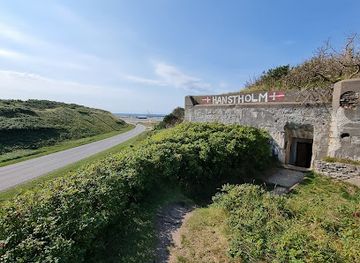
Northern Europe’s largest WWII coastal fortress, where colossal guns, concrete bunkers and wild North Sea dunes meet on the windswept edge of Denmark.