

Varde (Cairn) Travel Guide
Free Guide: A modest Bronze Age burial mound set in the windswept heath of Thy National Park, where quiet paths and big skies reveal the depth of Denmark’s ancient past.


A brief summary of Varde (Cairn)
A modest Bronze Age burial mound set in the windswept heath of Thy National Park, where quiet paths and big skies reveal the depth of Denmark’s ancient past.
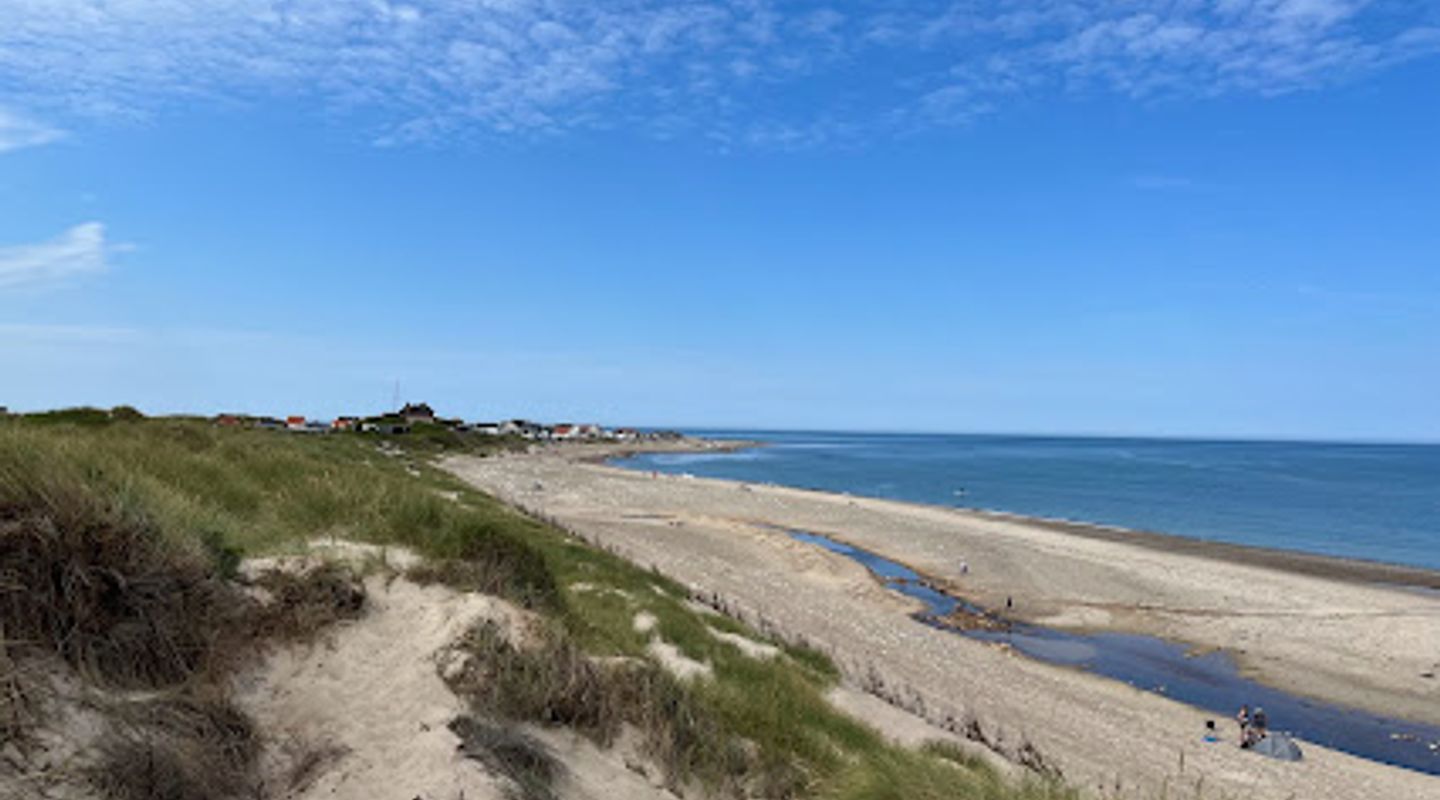
Set just outside the coastal town of Thisted, Varde is a Bronze Age burial cairn tucked into the dune heath of Thy National Park. This low, grass-covered mound may look modest at first glance, but it forms part of Denmark’s prehistoric landscape, where ancient tombs dot the sandy ridges above the North Sea. Surrounded by windswept heath, pines and big skies, it is a quiet, atmospheric stop for walkers exploring the national park and those curious about early Nordic history.
On-site amenities
 Trash bins
 Information boards
Opening hours
- Every dayOpen 24 hours
Opening hours as listed on the venue’s Google Business Profile. Hours can change for services and special events, so check with the venue before you go.
- Address
- Ørhagevej 152A, 7700 Thisted
Getting there
Car from Thisted
Regional bus plus walk
Bicycle from Thisted
Discover more about Varde (Cairn)
An ancient mound in Denmark’s wild northwest
Varde Cairn sits on the edge of Thy National Park, a landscape of dunes, heath and conifer forest that is often described as Denmark’s wild west. Here, on a sandy rise above the surrounding heathland, the low, rounded mound marks a Bronze Age burial site. The structure is subtle rather than monumental, but once you know what you are looking at, it becomes a powerful reminder that people have moved through and shaped this coast for more than three thousand years.From the cairn you can sense the reasons prehistoric communities chose these heights. Even today the air is salty and clear, the wind rarely still, and the horizon feels vast. In the Bronze Age, such elevated spots overlooking travel routes and grazing land were natural places to honour the dead, visible to anyone passing through the landscape.
Bronze Age rituals in a coastal setting
Burial mounds like Varde were typically raised over timber chambers or stone-lined cists containing cremations or inhumations, often accompanied by bronze weapons, jewellery or tools. While the interior here is not accessible, the mound’s size and position echo countless similar cairns across Jutland, part of a network of ritual sites that once structured daily life and belief.For the communities who built it, a mound was more than a grave. It was a territorial marker and a link between the living and ancestral spirits. Standing beside Varde, with the sound of the wind in the grasses and the distant rush of the North Sea, it is easy to imagine fires burning on the ridge, ceremonies unfolding at twilight and generations returning to the same spot to maintain a bond with their predecessors.
Part of the living landscape of Thy National Park
Modern protection has folded Varde into the wider mosaic of Thy National Park, Denmark’s first national park and one of its largest continuous dune heath areas. Around the mound, the heath is dominated by heather, crowberry, lichens and rough grasses, punctuated by knotty pines and occasional scrub. Red deer, roe deer and foxes slip through the vegetation, and birdlife can be rich, especially around nearby lakes and wetlands.The light is a major part of the experience. On clear days, clouds race low across the sky and the colours of the heath shift from silver to rust. In late summer, blooming heather wraps the mound in purple tones. In winter, frost and snow flatten sound and colour, lending the cairn a stark, almost otherworldly presence. Each season alters how this ancient feature sits within its surroundings.
A quiet pause on a day of walking
Varde is often visited as a short detour on longer walks through the national park. Paths in the area are generally sandy and undulating, sometimes soft underfoot where dune ridges run, sometimes firm across patches of plantation forest. There are no facilities immediately at the mound, but information about the park’s nature and prehistory can be found at nearby visitor centres and trailheads.Because the cairn is exposed, weather plays a defining role in your visit. On bright days the open views invite you to linger; in strong winds you may find yourself huddling behind the lee side of the mound for shelter. Either way, the site encourages an unhurried pace—time to look closely at plants underfoot, listen to skylarks or distant geese, and let the long history of the place sink in.
Reflecting on time and traces
What stays with many visitors is the contrast between Varde’s modest appearance and the depth of time it represents. There are no dramatic ruins here, only a low swell in the land, yet this gentle rise has outlasted entire cultures, kingdoms and technologies. The cairn invites a different kind of attention: not spectacle, but quiet observation of how human stories become part of a larger natural rhythm.Standing by the mound, you share the same wind and light that Bronze Age communities once knew. The heath still grows, the sea still shapes the dunes, and the cairn remains as a simple, enduring marker. It is this continuity—subtle, but profound—that makes Varde a rewarding stop within the wide horizons of Thy.
Evendo Review Centre
 Google
Guest reviews
Best time to go
Quietest: Jan, Feb & Dec · before 7am or from 8pm
Busy times are Evendo estimates for a typical year, to help you plan. Actual crowds vary with events, school holidays and the weather.
Explore Varde (Cairn) on the map
A handpicked selection of must-see spots near Varde (Cairn), mapped for you.
Get your free copy of our complete guide to Varde (Cairn), delivered straight to you.
Everything on this page, from opening hours and how to get there to Eve’s tips and the best time to go, in one PDF you can read offline, print or share.
Already have an account? Sign in
Your Varde (Cairn) guide is ready.
We'll send it to · Not you? Sign out

Getting your guide ready…
We are putting together a fresh copy of the Varde (Cairn) guide. This can take up to a minute.
This can take a few moments. If your browser asks, choose Allow so the download can start. You'll find the guide in your Downloads folder.
Nothing happened? Download it again
Sorry, the guide is taking longer than usual. Please try again in a minute, or get it by email instead.
Other nearby places you may find interesting
The closest places of the same kind, if this one is not quite what you had in mind.
-
-
-
-
-


Swipe for more places
More to explore near Varde (Cairn)

 Best experiences near Varde (Cairn)
 Best hotels near Varde (Cairn)
 Best landmarks near Varde (Cairn)
 Best attractions near Varde (Cairn)
 Best shops near Varde (Cairn)
 Best restaurants near Varde (Cairn)
 Best bars near Varde (Cairn)
Do you manage this location?
Take control to get all the benefits, like improved information, better appearance, and stronger visibility across AI-powered discovery.
Explore more

Explore more of Thy National Park
Discover Thy National Park, Denmark's first national park, a coastal wilderness offering diverse landscapes, rich wildlife, and countless outdoor activities for nature lovers.
Explore Thy National Park
Explore more of Denmark
Discover Denmark: A perfect blend of history, modern design, and the cozy concept of hygge. Explore vibrant cities, serene landscapes, and world-class cuisine.
Explore Denmark
