
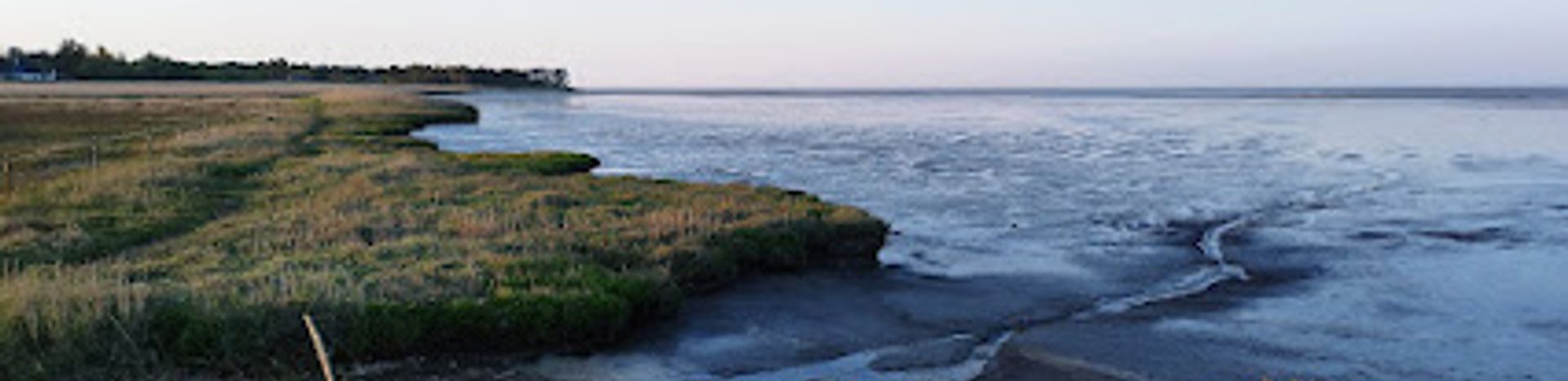
Wadden Sea National Park (Nationalpark Vadehavet)
A vast UNESCO-listed tidal wilderness of mudflats, dunes, birds and seals where Denmark’s largest national park lives by the rhythm of wind, light and tide.
Stretching along the west coast of South Jutland, Wadden Sea National Park is Denmark’s largest national park and part of a vast UNESCO World Heritage landscape shared with Germany and the Netherlands. Here, immense tidal flats, salt marshes, sandbanks and some of Europe’s widest beaches create a dynamic world of mudflats, migratory birds, common seals and star-filled Dark Sky nights. From wind-scoured dunes on Rømø and Fanø to the tidal island of Mandø and historic marshland towns, this is a place for slow, nature-focused exploration in constantly changing light and tide.
A brief summary to Wadden Sea National Park
- DK
- +4572543634
- Visit website
- Duration: 2 to 48 hours
- Free
-
 Outdoor
- Mobile reception: 3 out of 5
- Monday 12 am-12 am
- Tuesday 12 am-12 am
- Wednesday 12 am-12 am
- Thursday 12 am-12 am
- Friday 12 am-12 am
- Saturday 12 am-12 am
- Sunday 12 am-12 am
Local tips
- Plan key activities around the tide tables; mudflat walks, Mandø access, seal sandbanks and some beaches are only safely accessible at specific water levels.
- Pack windproof layers, rubber boots or sturdy waterproof shoes, and a dry bag for electronics—the exposed coast can feel chilly and wet even in summer.
- Join guided tours for mudflat hiking, Black Sun starling shows or oyster picking; guides know safe routes and sensitive wildlife zones.
- Bring binoculars or a spotting scope for bird and seal watching; many of the most impressive wildlife spectacles unfold at a distance.
- Allow extra time for slow travel between islands and dike landscapes; the beauty of the park lies in unhurried walks and lingering at viewpoints.

For the on-the-go comforts that matter to you
- Restrooms
- Drinking Water
- Food Options
- Seating Areas
- Sheltered Areas
- Picnic Areas
- Trash Bins
- Information Boards
- Visitor Center
Getting There
-
Regional train and bus from Esbjerg
From Esbjerg, regional trains connect to Ribe in about 30–35 minutes, usually at least once per hour during the day. From Ribe, local buses serve various Wadden Sea National Park access points and dike stretches in roughly 20–40 minutes, depending on the stop. A combined one-way train and bus journey within the region typically costs around 60–120 DKK per adult, with discounts for children and railcards. Services run year-round but are less frequent in evenings and on weekends, so check timetables in advance.
-
Car access via South Jutland coastal roads
Driving from Esbjerg to key park areas such as Rømø or the Ribe marshes typically takes 45–75 minutes via well-maintained regional roads. There is no entrance fee for the national park, but you may pay 10–40 DKK per hour at some beach or dike car parks, while other parking areas remain free. In stormy weather or during very high tides, access to low-lying stretches and tidal roads can be restricted, and strong winds on exposed causeways demand cautious driving.
-
Bus and ferry to Fanø island
City buses from central Esbjerg reach the ferry terminal in about 10–15 minutes. The short ferry crossing to Fanø takes roughly 12 minutes and runs many times per day in high season and regularly the rest of the year. A foot passenger ticket generally falls in the 30–60 DKK return range, with higher prices for vehicles. Once on Fanø, local buses, rental bikes and walking routes provide access to beaches, dunes and dike paths; services can thin out in winter and later in the evening.
-
Guided mudflat and Mandø tours
Several local operators in the Wadden Sea region offer guided mudflat walks and excursions to Mandø and other tidal areas, typically lasting 2–4 hours. Tours usually depart from accessible meeting points near dikes or villages and include safety briefings, interpretation and route planning based on that day’s tide tables. Prices often range from 150–400 DKK per adult, with reduced rates for children. Some trips operate only between spring and autumn and may be cancelled in poor weather or if tidal conditions are unsuitable.
Wadden Sea National Park location weather suitability
-
 Any Weather
-
 Clear Skies
-
 Windy Conditions
-
 Mild Temperatures
-
 Cold Weather
-
 Hot Weather
- Snow
Discover more about Wadden Sea National Park
Denmark’s great tidal wilderness
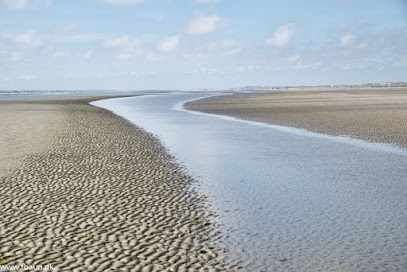
Wadden Sea National Park protects the Danish stretch of the Wadden Sea, an immense intertidal landscape running from Blåvandshuk south to the German border. Twice a day, billions of cubic metres of water surge in and out, exposing vast mudflats and sandbars before covering them again in shallow sea. This rhythm of tide, wind and light shapes everything you see: rippled sands, winding tidal channels and salt-stunted meadows behind the dikes. Recognised as part of a transnational UNESCO World Heritage Site, the park is celebrated as one of the world’s largest unbroken systems of sand and mudflats. It is both raw seascape and carefully protected nature reserve, where the boundary between land and ocean is never fixed and the horizon seems impossibly wide.Bird highways and seal colonies
The Wadden Sea is one of the planet’s most important refuelling stations for migratory birds. Each year, around ten to twelve million birds pause here to feed, moult or overwinter, turning the sky into a living cloud during spring and autumn passages. On dikes and marsh trails you may spot knots, sandpipers, avocets and brent geese probing the mud, while birds of prey patrol above. The shallow, food-rich waters also host Denmark’s largest population of common seals. Boat and shore-based viewing trips focus on sandbanks where seals haul out to rest, often with pups in summer. Beneath the surface, nursery grounds for key fish species thrive, making the park a critical engine for marine life along the North Sea coast.Islands of dunes, beaches and dark skies
Within the park lie the dune and marsh islands of Fanø, Mandø and Rømø, each with its own character. Rømø is famed for one of Europe’s widest sandy beaches, where the wind races across hard-packed sand and the sea seems a long way off at low tide. Fanø mixes wide shores with heathland and charming villages, while Mandø, reachable only at low tide, feels deliciously remote and is one of Denmark’s best Dark Sky areas. Dunes up to around 20 metres high fringe the seaward sides of these islands, giving sheltered hollows of marram grass and sea holly. Behind the dunes, salt marshes, polders and reclaimed kogs reveal centuries of human effort to live with the restless sea, without diminishing the sense of elemental nature.Experiences shaped by tide and season
Visiting the Wadden Sea is less about ticking sights and more about tuning into cycles. Guided mudflat walks lead you out over the seabed at low tide, where lugworm casts, shells and oyster banks dot the glistening surface and the silence is broken only by wind and birds. In autumn and spring, specialised tours seek the “Black Sun” phenomenon, when vast flocks of starlings twist and fold over the marshes before settling to roost. Year-round, dike-top paths, beach walks and cycling routes offer easy ways to experience the open landscape. In stormy weather the outer coast can feel wild and dramatic, while calm days reveal mirror-like shallows and intricate patterns in the sand. Visitor centres and exhibitions, notably the Wadden Sea Centre, help decode the ecology, tides and cultural history before you head back out into the elements.A protected landscape with deep roots
Behind the apparent emptiness lies a landscape layered with stories. Ice ages, meltwater and marine deposits created the low-lying coast; later, dikes, drainage and polders turned marshes into grazing land. Historic towns and farmsteads sit just beyond the sea’s reach, their livelihoods long tied to fishing, shipping, agriculture and, in earlier centuries, whaling. As a national park and World Heritage Site, the area is managed with strict zoning and a strong conservation ethos. Access rules, marked paths and seasonal restrictions in bird breeding areas allow people and wildlife to coexist in a fragile environment. For visitors, that means the freedom to roam beaches, marsh edges and islands, provided you tread lightly and let the tides set the pace of your stay.Iconic landmarks you can’t miss

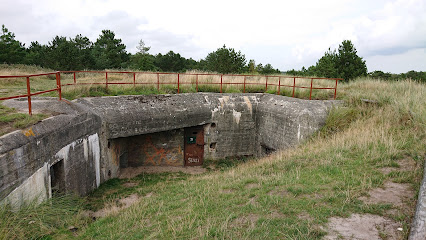
Bunker
10.3 km
A concrete relic of World War II occupation, standing silent in Denmark's westernmost forest.
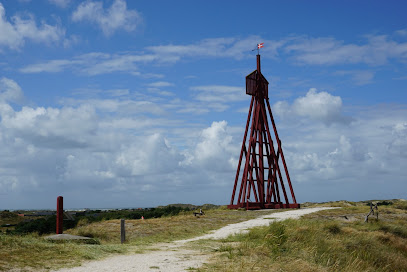
Æ Kåver
11.9 km
Reborn wooden seamark on Fanø’s southern edge, Æ Kåver recalls 17th‑century seafaring in a wild Wadden Sea landscape of wind, sand and wide horizons.
Sønderho Church
12.2 km
An 18th‑century island church filled with Denmark’s largest flotilla of votive ships, anchoring Sønderho’s seafaring history in a tranquil Wadden Sea village.
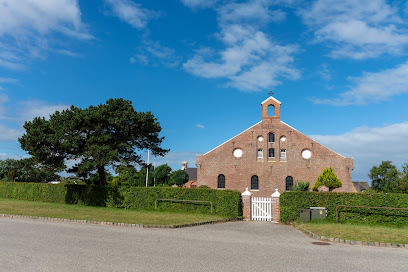
Gamle Redningsstation
14.7 km
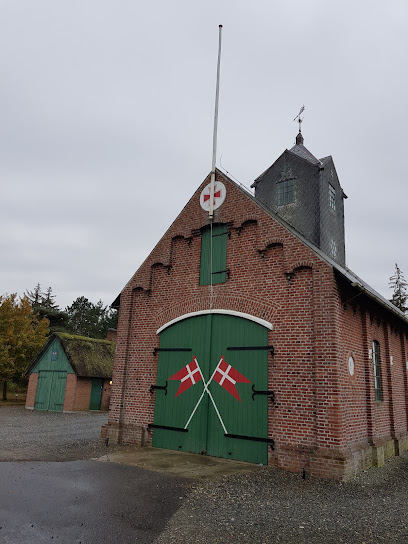
Compact red-brick lifeboat station turned firehouse, telling Rømø’s quietly dramatic story of storms, shipwrecks and island resilience along the Wadden Sea.
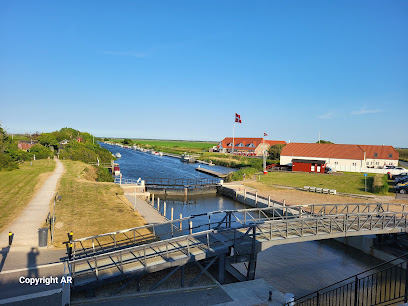
Kammerslusen Ribe
15.8 km
Discover Copenhagen's Black Diamond: A fusion of modern architecture and cultural heritage on the waterfront.
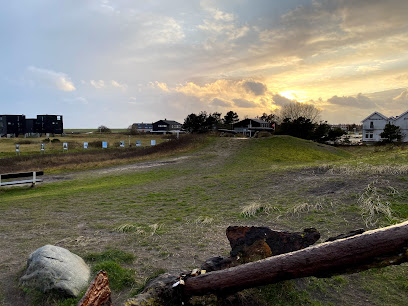
Kanonenhügel
17.6 km
A modest grassy mound above Havneby harbour where two 17th‑century cannons, wide Wadden Sea views and Rømø’s maritime past quietly meet.
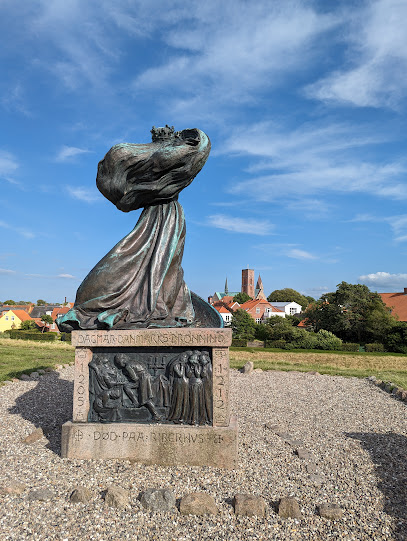
Queen Dagmar of Bohemia
19.2 km
A contemplative statue on Ribe’s former castle hill, honouring the gentle 13th‑century Queen Dagmar where her life and legend became entwined with Denmark’s history.
Faldne fra Sønderjyske Krige, Ribe
19.5 km
A solemn memorial to soldiers lost in Denmark's 19th-century Schleswig Wars, set in historic medieval Ribe.
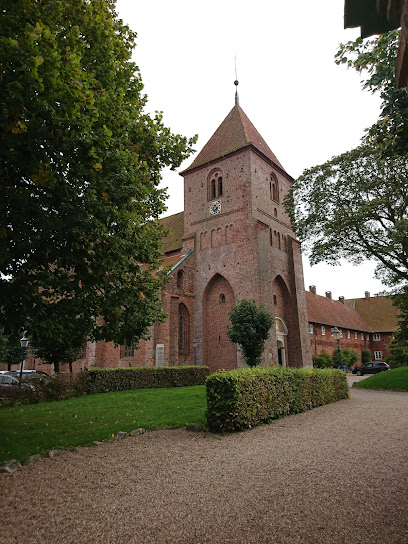
Museet Ribes Vikinger
19.7 km
A graceful neo-Gothic Anglican church in central Copenhagen, St Alban’s offers British heritage, tranquil interiors, and a picturesque setting amid city icons.
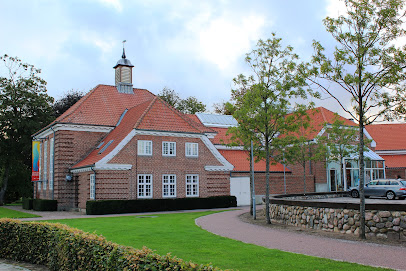
Galgebakken
20.5 km
Denmark's haunting reminder of the witch hunts that claimed eleven lives in Ribe between 1572 and 1652.
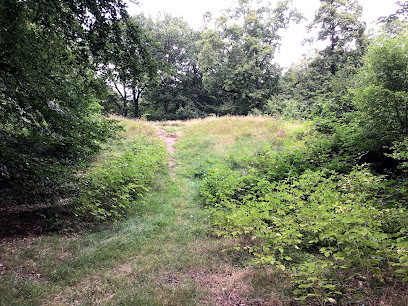
Northernmost point of Germany
20.9 km
Explore the Northernmost Point of Germany, a breathtaking coastal landmark where the North Sea meets stunning landscapes, rich history, and adventure.
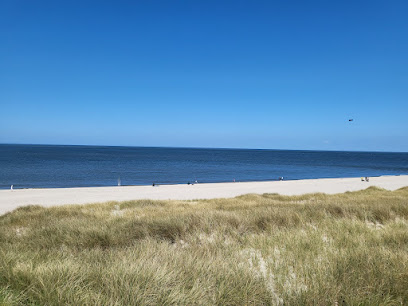
Rindby Strand
21.0 km
Wild, sandy expanse on Fanø’s west coast renowned for kite flying, gentle tides, unique drive-on access, and the elemental beauty of North Sea sunsets.

Rindby beach
21.2 km
Expansive sandy shores, coastal adventures, and authentic Danish holiday spirit—experience Rindby Beach, Fanø’s iconic North Sea escape with space for all.
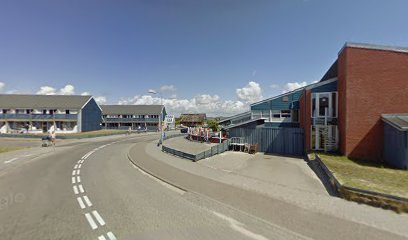
Gedenkstein
22.5 km
A solemn maritime memorial honoring Fanø's lost sailors and the human cost of the island's golden age.

Mindesten for Det Økumeniske Kirkemøde 1934
23.0 km
Where global faith leaders stood against tyranny in 1934, commemorated by a solemn waterfront stone.
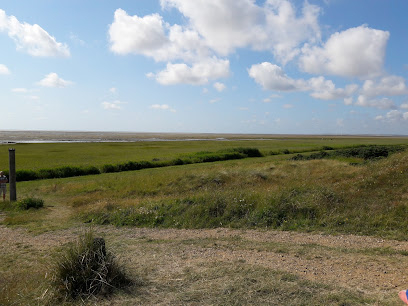
Unmissable attractions to see

stormflodssøjlen mandø
4.3 km
A solitary wooden column in Mandø’s dunes quietly records centuries of dramatic storm surges, turning a peaceful Wadden Sea shoreline into a vivid lesson in the sea’s power.

Mandø Centret
4.4 km
A historic Danish Baroque castle in Tønder, seamlessly blending royal heritage, elegant gardens, and modern-day royal presence near the Danish-German border.
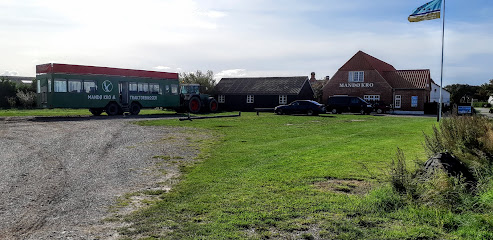
Mandø Museum
4.5 km
Step into a 19th‑century skipper’s home on tiny Mandø and discover how generations of islanders shaped their lives around tides, seafaring and the Wadden Sea.
Mandø Mølle
4.9 km
Compact black‑and‑white windmill and island landmark on tide‑bound Mandø, where Wadden Sea skies, dikes and village history meet in one evocative viewpoint.
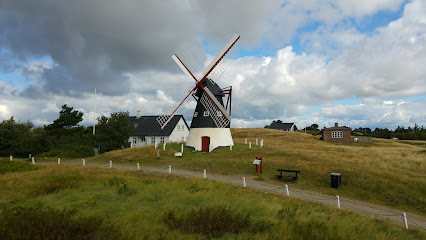
Juvre Sand
6.4 km
A vast off-limits tidal landscape at Rømø’s northern tip, where bird-filled Wadden Sea flats double as a Danish military training ground watched from a safe dyke-top perch.
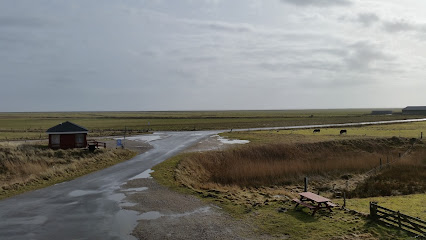
Rømø shooting area
7.6 km
Vast dunes and heathland at Rømø’s wild northern tip, where military training grounds and protected nature meet under the wide Wadden Sea sky.
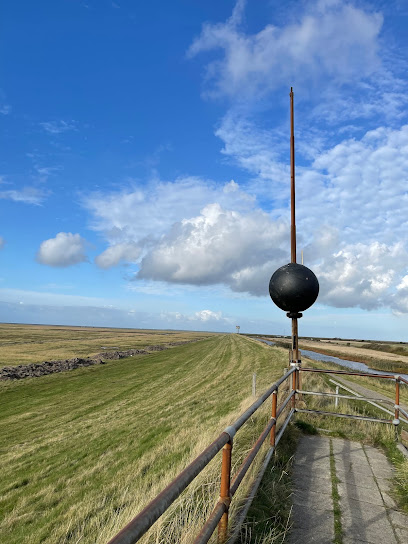
Havegærde Af Hvalunderkæber
8.3 km
A surreal village fence of towering whale jawbones, Havegærde Af Hvalunderkæber turns a Juvre farmhouse garden into a powerful reminder of Rømø’s whaling past.
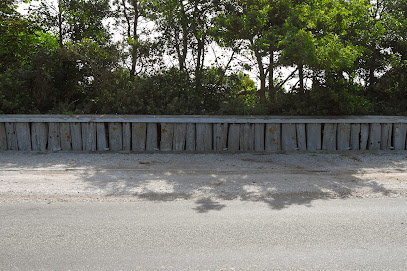
Hvalkæbehegn ved Hvalfangergården
8.3 km
A modest Rømø farmhouse fence built from towering whale jawbones, preserving the island’s dramatic whaling past in a single, striking roadside stop.
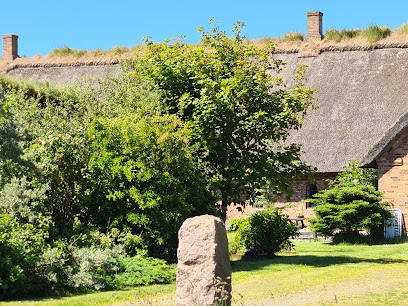
Turbåden Mandøpigen
8.8 km
Intimate Wadden Sea crossings by Turbåden Mandøpigen, gliding between Rømø, Mandø and the mainland past seals, oysters and vast tidal landscapes.
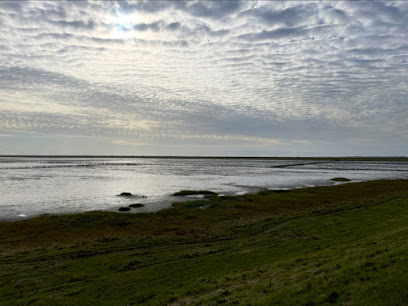
Nationalmuseets Kommandørgård
9.1 km
Step inside an 18th‑century sea captain’s farm on Rømø, where Dutch tiles, whaling history and wide Wadden Sea views bring Denmark’s maritime past to life.
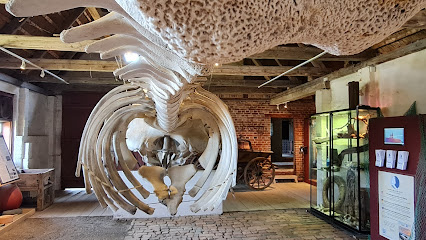
Famous Rømø Beach
9.8 km
An immense North Sea strand where you can drive on the sand, chase the wind with kites and sails, and wander for kilometres between dunes, sky and sea.
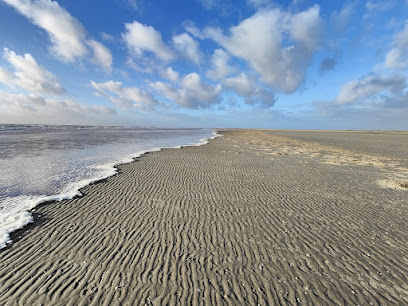
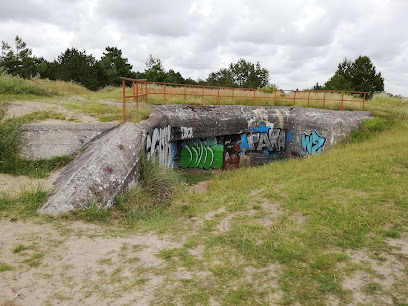
Garagebunker
10.0 km
A low concrete wartime bunker half-hidden in Rømø’s dunes, the Garagebunker quietly reveals the island’s strategic past amid heather, pines and North Sea wind.
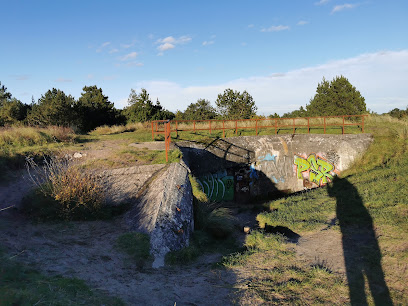
Mammutbunkeren
10.1 km
A colossal World War II radar bunker half-buried in Rømø’s dunes, Mammutbunkeren offers a stark, atmospheric encounter with coastal military history.
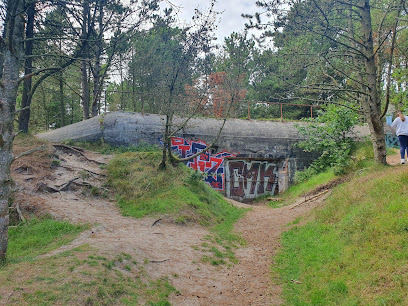
Bunker und Bunkertour Römö
10.2 km
Guided wartime exploration beneath the pines of Rømø, where hidden Second World War bunkers and radar relics meet tranquil dunes, heather and coastal forest.
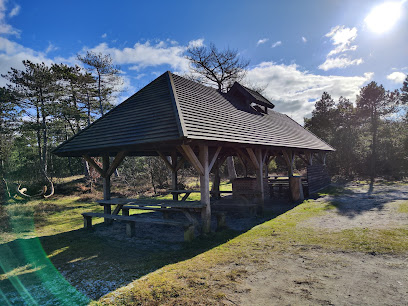
Bålpladsen
10.3 km
A rustic campfire circle amid Rømø’s dunes and heather, where woodsmoke, wide skies and simple outdoor cooking create an authentic taste of Danish hygge.
Essential places to dine

KlitHus Mandø
4.4 km
Cozy island inn, café and restaurant at the heart of Mandø, pairing simple coastal rooms and home‑style Danish cooking with the wild drama of the Wadden Sea.

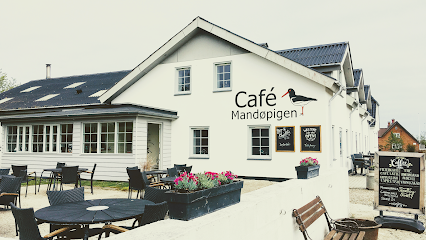
Mandøpigen: Cafe, Turbåd & Lejligheder
4.5 km
Cosy barn‑café and light holiday apartments in the heart of Mandø, serving Wadden Sea flavours just below the dunes of this tide‑shaped island.
Mandø Kro I/S
4.7 km
Atmospheric village inn on the tidal island of Mandø, pairing classic Danish comfort food with simple rooms and vast Wadden Sea horizons outside the door.

Asia kitchen(Sushi , Wok, Buffet)
10.5 km
Casual sushi, wok and buffet dining at Lakolk Butikscenter, pairing Asian comfort food with the windswept dunes and wide beaches of Rømø’s North Sea coast.
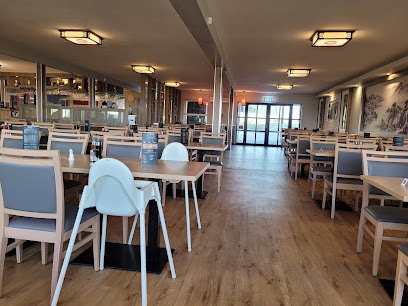
Café Fru Dax
10.6 km
Lively beachside café at Lakolk on Rømø, famed for towering soft ice, generous café dishes and an easygoing seaside atmosphere steps from the wide sandy shore.
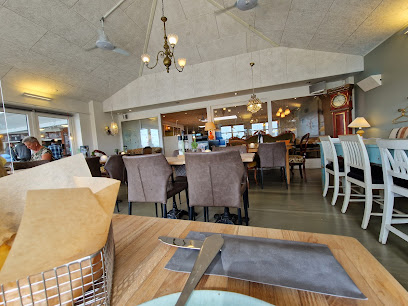
Café Hr. Dax
10.6 km
Casual seaside café-restaurant in Lakolk Butikscenter, serving hearty comfort food and sweet treats just behind Rømø’s vast, windswept Lakolk Beach.
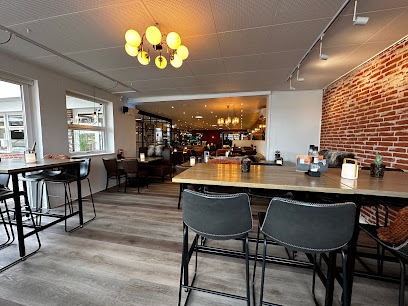
Cafeteria Lakolk
10.6 km
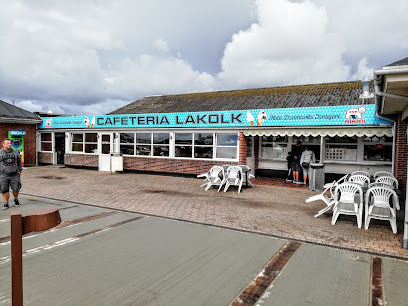
Straightforward seaside canteen in Lakolk Butikscenter, serving hearty beach-holiday favourites just a short walk from Rømø’s famously wide, wind-swept sands.
Rømø Pizza & Pasta Restaurant
10.6 km
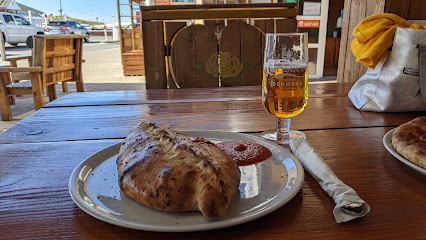
Casual Italian-style pizzas and pastas in the heart of Lakolk Butikscenter, ideal for hungry beachgoers and holiday families on windswept Rømø.
Roland Imbiss
10.6 km
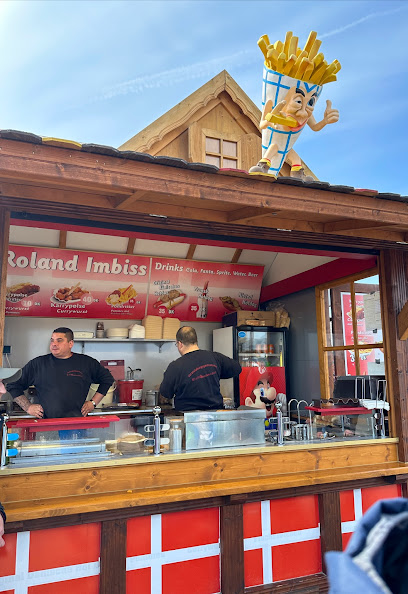
Beachside grill at Lakolk Strand serving hearty, no-fuss takeaway to sandy, windblown Rømø beachgoers a few steps from the roaring North Sea.
Sønderho Kro
12.0 km
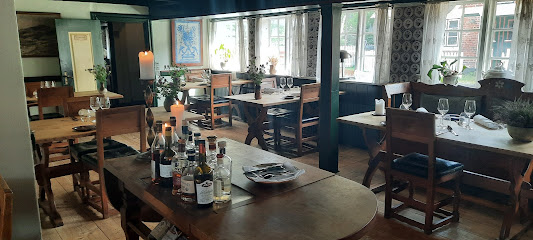
Historic 18th‑century inn on Fanø where thatched-roof charm, gourmet Danish cuisine and Wadden Sea landscapes come together in the heart of Sønderho.
Restaurant/Café Fajancen
12.0 km
Cosy family-run bistro in historic Sønderho, serving Danish–French classics made from local Fanø and Danish ingredients in warmly lit, intimate village-house surroundings.
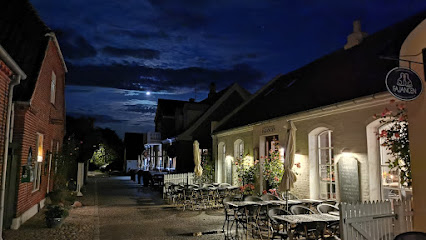
Cafe Nanas Stue
12.1 km
Historic thatched café in Sønderho blending Fanø comfort food, Dutch tile art and intimate music evenings in one atmospheric village living room.
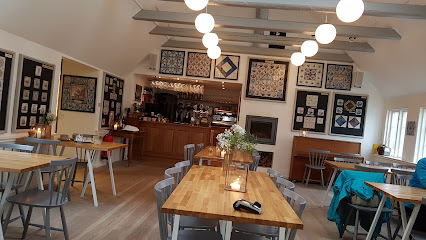
Tre Søstre
12.2 km
A cosy island café in Sønderho serving good coffee, simple local bites and creamy ice cream, perfect for a slow midday pause on windswept Fanø.

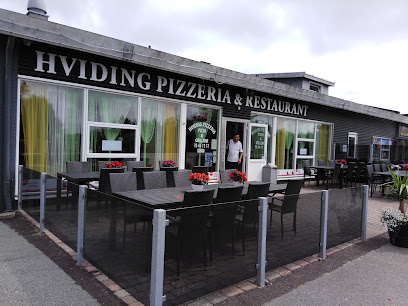
Hviding Pizzeria og Restaurant
15.0 km
Roadside pizzeria and grill in Hviding serving generous pizzas and simple comfort food to locals and travellers between Ribe, Esbjerg and the southern border.
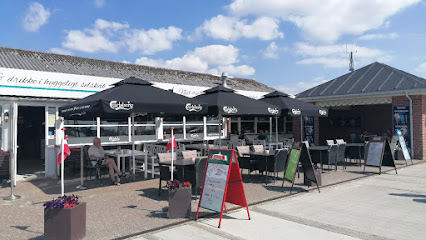
Café Retro Brøns Kro
15.5 km
Retro-themed Danish inn and café celebrating 1970s nostalgia with fresh local cuisine and vintage charm.
Markets, malls and hidden boutiques

Metropolis Drachen
10.5 km
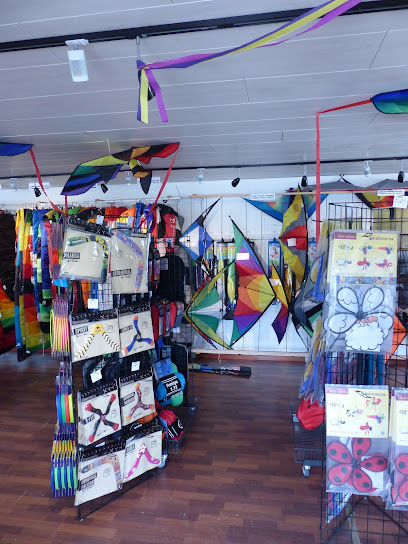
Specialist kite shop in Lakolk Butikscenter, where Rømø’s steady North Sea winds, colourful kites and practical advice meet just behind the island’s vast beach.
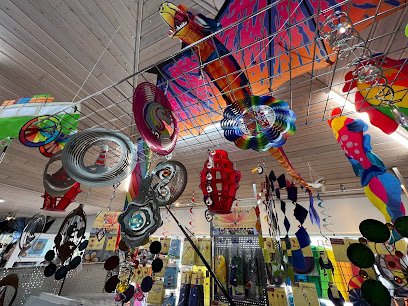
Rømø Lys
10.5 km
Handcrafted candles, Danish design and gourmet gift baskets in a cosy Lakolk shop, just steps from Rømø’s vast North Sea beach.
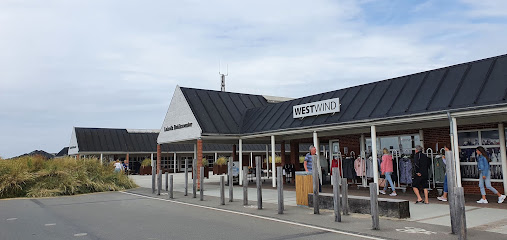
By Vicky
10.5 km
Contemporary women's fashion and footwear on Denmark's island of Rømø, with 16+ years of style expertise.
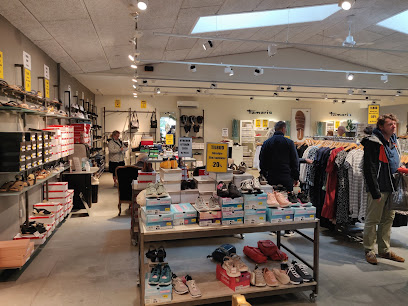
Westwind Lakolk
10.5 km
Premium outdoor apparel and gear steps from Denmark's widest beach on windswept Rømø island.
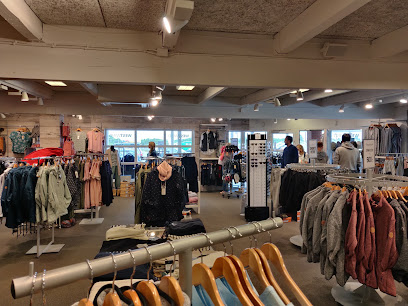
Ny Form Rømø
10.5 km
Affordable sportswear and outdoor gear at the birthplace of Ny Form, perfectly tuned to Rømø’s wind, sand and sea-focused holiday life.
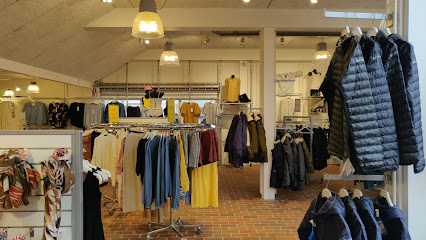
Rømø Bolsjeri og Ishus
10.6 km
Cheerful seaside sweet shop and ice-cream house where traditional Danish boiled candy and generous cones meet Rømø’s windswept beach holiday vibe.
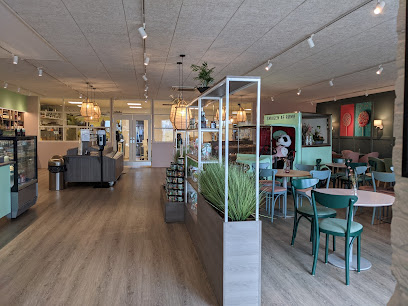
Butik Rømø
10.6 km
Toys, airsoft gear, and kites in charming Lakolk Butikscenter near the beach.
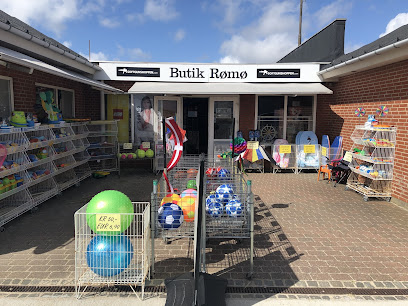
Lakolk Butikscenter
10.6 km
Laid-back coastal shopping, cafés and beach essentials at the sandy heart of Rømø, just a short stroll from the sweeping drive-on shores of Lakolk Beach.
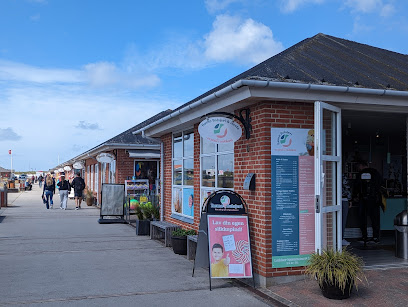
Elisabeth v/Arie Levi
10.6 km
Handcrafted leather and travel goods in Rømø's coastal shopping heart, steps from Denmark's widest beach.
Ib's Gavecenter v/Mona Pedersen Ib
10.6 km
Cosy coastal gift shop in Lakolk Butikscenter, offering seaside souvenirs, Danish home décor and thoughtful keepsakes just moments from Rømø’s wide sandy beach.

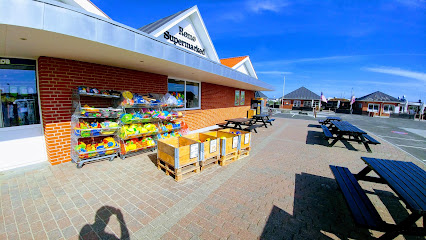
Rømø Supermarked
10.6 km
Practical island supermarket in Lakolk Butikscenter, supplying beachgoers and holiday homes on Rømø with everyday groceries in a relaxed coastal setting.
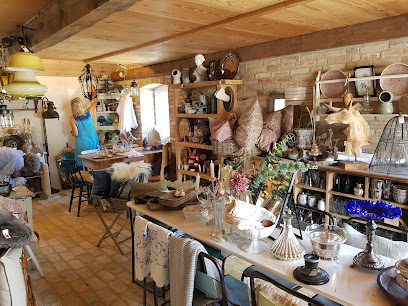
Cafe Hattesgaard
11.2 km
Atmospheric café-meets-antique emporium set in a historic farmhouse on Rømø, known for legendary cakes, local hospitality, and one-of-a-kind vintage finds.
Silken
12.1 km
Intimate silk atelier and boutique on Fanø, where decades of craftsmanship turn Asian fabrics into timeless, island-made garments in a calm, gallery-like setting.

Elisabeth
12.9 km
A cozy Fanø clothing boutique offering understated Scandinavian style, curated island-ready outfits, and a calm coastal atmosphere in an intimate setting.
Den-Gamle-Gaard
13.2 km
A characterful farmhouse antique store near Skærbæk, brimming with Danish teak, vintage furniture and curios that turn browsing into a relaxed rural treasure hunt.
Essential bars & hidden hideouts

Klubben 1811
19.3 km
Casual, spacious bar in Ribe’s old town, mixing sports, pool and cold beer in a bright, easygoing setting just steps from the city’s medieval streets.
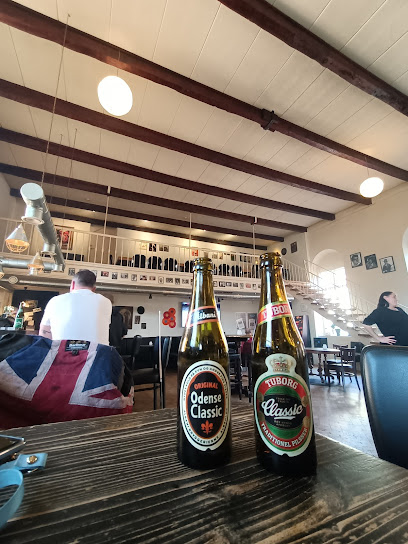
Termansens
19.3 km
Intimate jazz and live music in a centuries-old townhouse, where Ribe’s historic charm meets cozy, small-scale culture house vibes after dark.
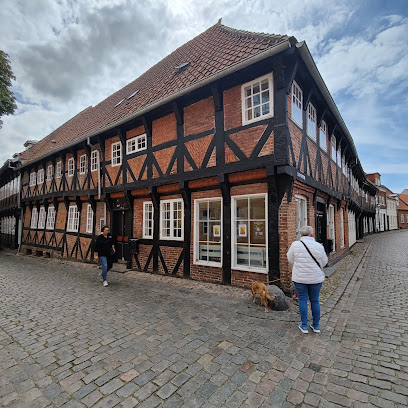
Stenbohus
19.4 km
Cosy, timeworn bar in the heart of Ribe, blending historic surroundings with easygoing drinks, local character and relaxed late‑night atmosphere.
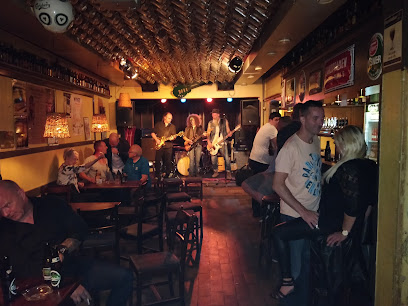
Strygejernet
19.4 km
Intimate corner pub in Ribe’s old town, pairing rustic coziness, smoke-free comfort and friendly bar life with simple drinks, games and unhurried evenings.
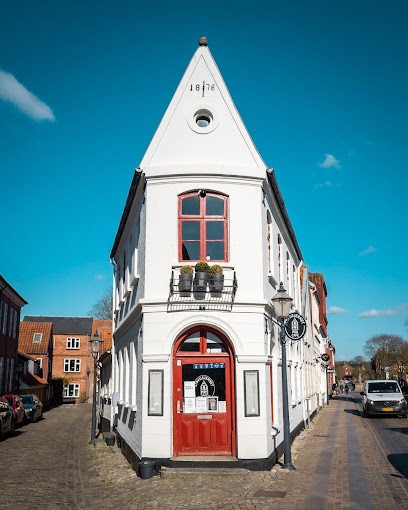
Mødestedet
19.5 km
Cozy wine bar on Skærbæk’s main street, where locals and visitors share unhurried glasses of wine, simple snacks and relaxed conversation from day to evening.
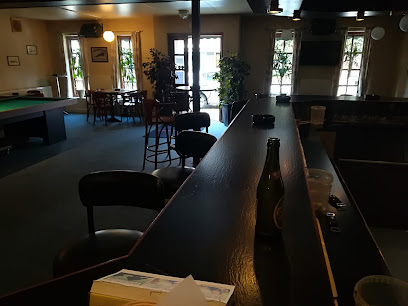
Bodega Pubs v/ Kim
19.6 km
Cozy local bodega in Skærbæk serving cold beer, simple drinks, and laid-back Danish bar culture in a friendly, down-to-earth neighborhood setting.
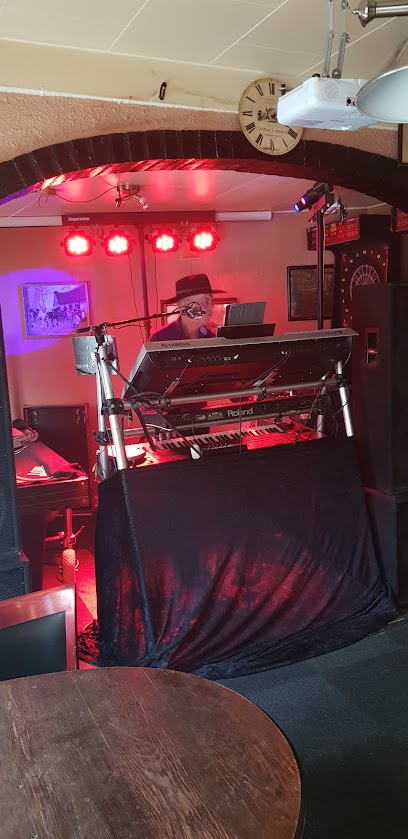
Café Valdemar
19.7 km
A compact late‑night bar and disco in the heart of historic Ribe, blending casual drinks, chart‑driven beats and a friendly weekend crowd on Sct Nicolaj Gade.
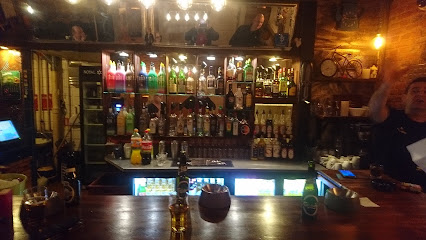
Vin For Dig Ribe
19.8 km
Cosy neighbourhood wine shop and intimate vinbar in Ribe, pairing curated bottles with generous takeaway tapas and relaxed Danish hygge.
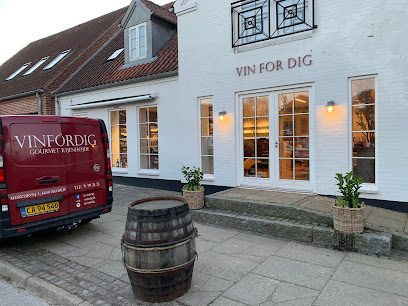
Kabyssen
21.5 km
Fanø's cherished community bar serving authentic Danish island hospitality with live music and genuine warmth.
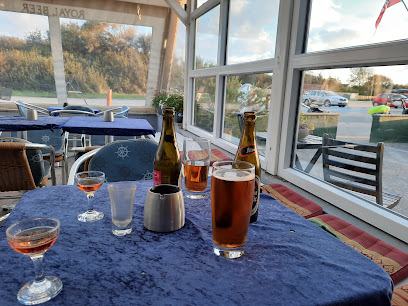
Grosmann's
23.4 km
Small-town Danish hygge in a tiny cocktail bar on Kirkegade, where classic drinks, warm lighting and everyday village life meet in laid-back South Jutland style.
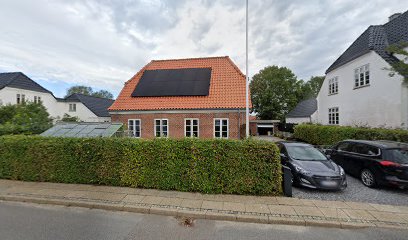
Hjørnekroen
23.8 km
Cosy corner bar in Nordby where Fanø’s island life, live music nights and classic Danish bodega charm come together over draught beer and easy conversation.
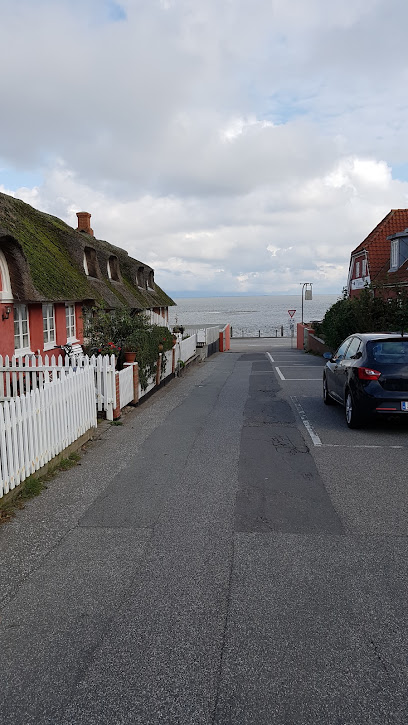
Dokken City Beach
24.8 km
A pocket of sand, deckchairs and drinks on Esbjerg Harbour, Dokken City Beach turns the working waterfront into a relaxed urban seaside escape.
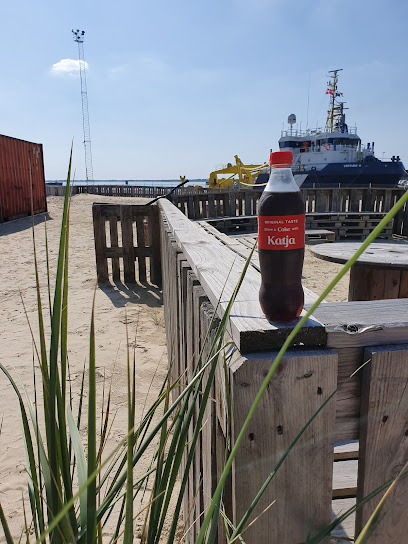
Dowdi Pub Bar
25.1 km
Old-school brown pub in central Esbjerg with inexpensive beers, wood‑panelled charm and a relaxed, local crowd from daytime regulars to late‑night lingerers.
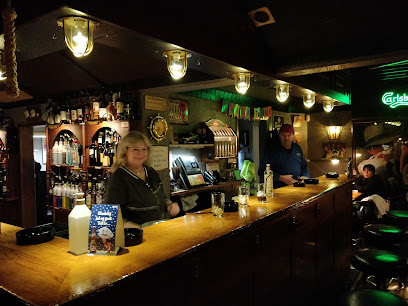
SoHo - Bar & Cocktails
25.1 km
Adults-focused cocktail bar tucked inside Esbjerg Street Food’s old theatre hall, pairing crafted drinks, modern design and a lively, central city atmosphere.
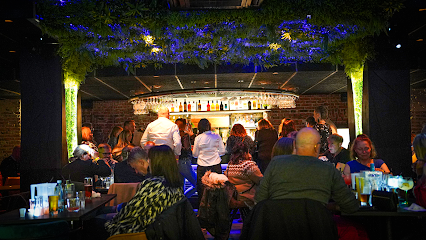
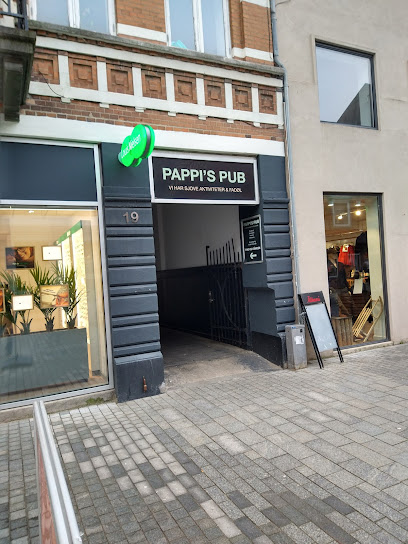
Pappi's pub
25.2 km
Unpretentious, drinks-first bar on Kongensgade offering a simple Danish pub vibe, easy prices and a central stop-off point in the heart of Esbjerg.
Nightclubs & after hour spots

Club Fanø Rindby
21.5 km
Vital hub for kite sports, fatbiking, and Nordic coastal adventure on Fanø, pairing local expertise with welcoming spirit in the island’s scenic Rindby beach area.
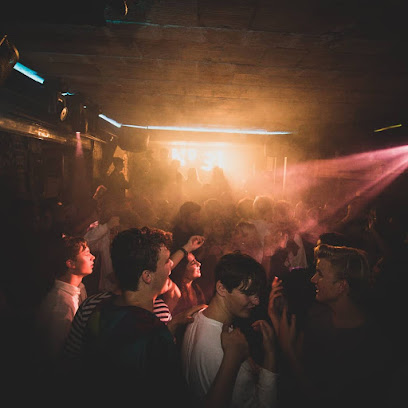
No.31 - Bar & Natklub
25.3 km
Compact, high-energy nightclub on Esbjerg’s Skolegade, blending late-night bar vibes, loud DJ sets and a youthful dance floor in the heart of the city.
Bilka-søen
30.1 km
Esbjerg's energetic nightclub delivering vibrant music, dancing, and social entertainment in a lively atmosphere.
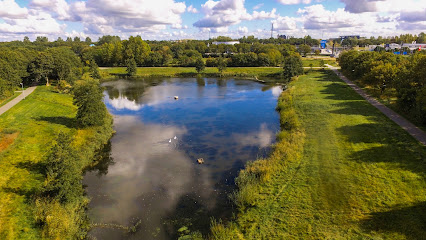
Rotes Kliff
33.5 km
Experience the vibrant nightlife of Rotes Kliff in Sylt, a premier disco club and cocktail bar perfect for unforgettable evenings.
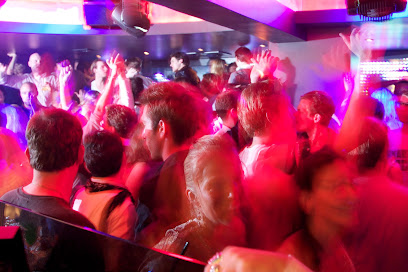
P2 Champagne & Cocktail Tønder
41.4 km
Intimate champagne and cocktail lounge bringing late-night sparkle and city-style glamour to the historic heart of Tønder.
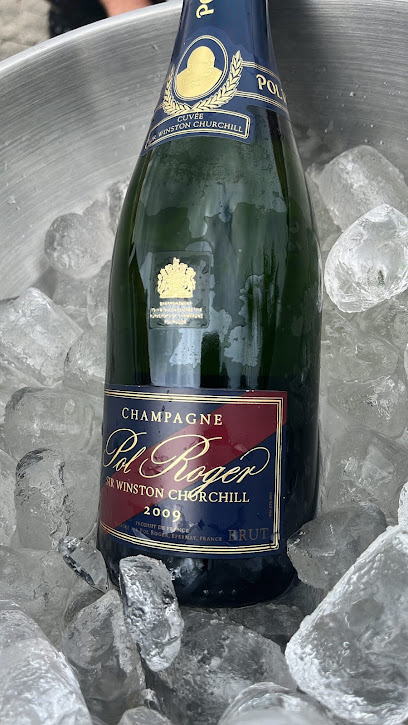
Al Capone
41.4 km
Tønder’s sole nightclub, Al Capone blends a rustic 1920s‑inspired mood, late‑night beats and strong drinks into an intimate speakeasy‑style party den.
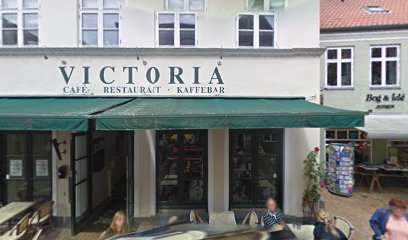
Crazy Daisy Vejen
48.1 km
High-energy disco club in central Vejen, bringing late-night music, dancing and big-city nightclub vibes to a compact South Jutland town.
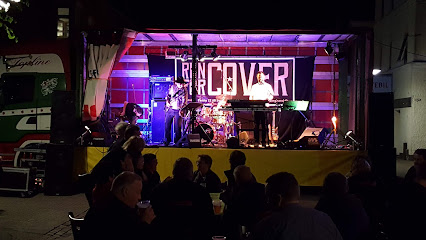
Fishi
54.9 km
Compact, no-frills nightclub in Vejen with loud beats, simple drinks and a friendly small-town crowd that keeps the dance floor moving late into the night.
Liglad Day & Nightlife
63.5 km
Compact late-night club on Grindsted’s main street, mixing local vibes, DJs and simple drinks for weekend nights that run into the early hours.
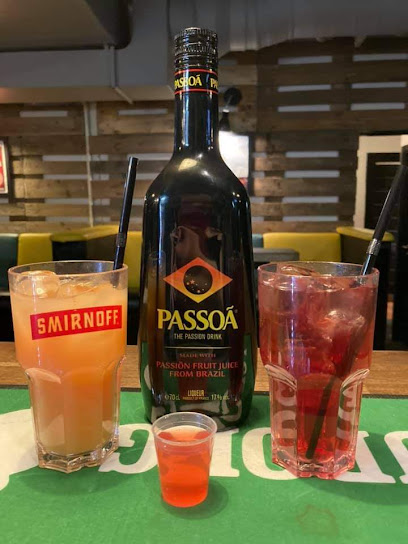
NewsBar - Shakespeare Nightclub & Eventhouse
63.9 km
Ølgod's premier nightclub and event venue, where celebration and community connection meet.
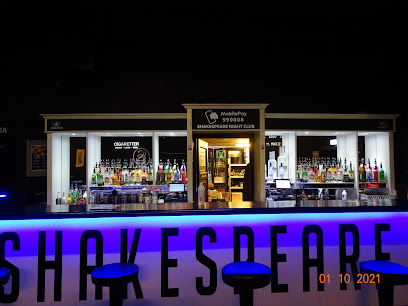
Koldingtivet Engen
67.2 km
Compact Kolding disco where locals pack the dance floor, mainstream hits fill the speakers and late-night energy turns a modest venue into a full-bodied club night.
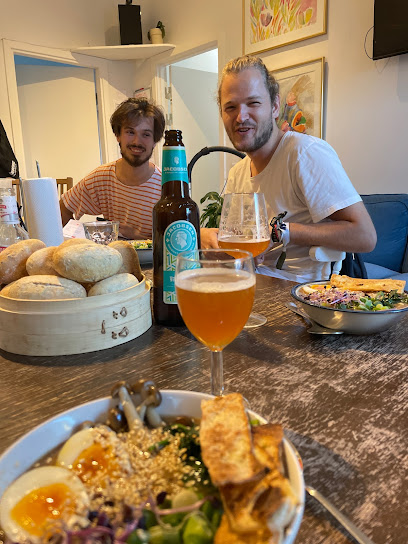
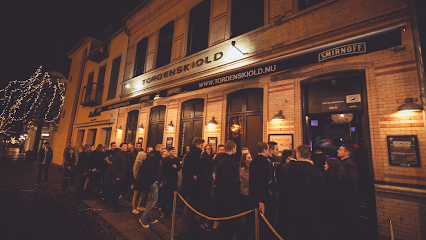
Discoteque Tordenskiold
67.6 km
Kolding's legendary two-floor discotheque and cultural institution since 1973.
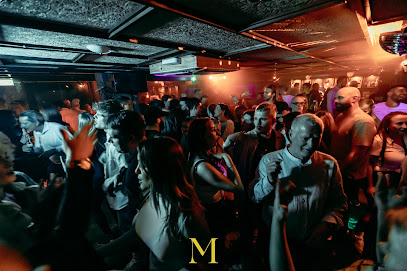
Mørks Kælder
67.8 km
Modern basement nightclub in central Kolding, pouring drinks and classic dance tunes for a grown-up crowd late into the weekend night.
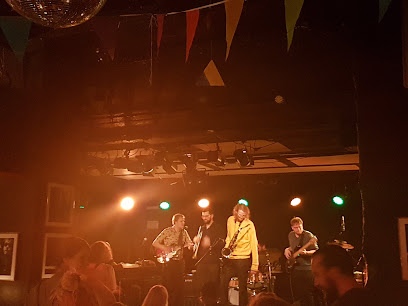
Pitstop
68.0 km
Small, central and loud, Pitstop is Kolding’s alternative live music stronghold, blending intimate gigs, late-night dancing and laid-back bar vibes in a historic building.
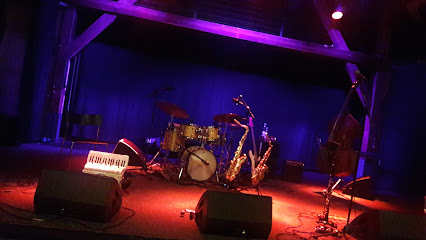
Jazz 6000
68.2 km
An essential stop in Kolding for jazz lovers, Jazz 6000 brings world-class live music, community spirit, and a cozy club atmosphere to southern Denmark.
For the vibe & atmosphere seeker
- Tranquil
- Zen
- Scenic
- Unique
- Relaxing
- Adventure Photo Shoot
- Fun-filled
For the design and aesthetic lover
- Minimalist Designs
- Rustic Designs
For the architecture buff
- Parks & Gardens
- Viewpoints
- Heritage Neighborhoods
For the view chaser and sunset hunter
- Iconic Views
- Panoramas
- Sunset Spots
- Stargazing
- Waterfront
For the social media creator & influencer
- Photo Spots
- Selfie Spots
- Reel-Friendly
- Architectural Shots
- Instagrammable
- Viral Moments
For the eco-conscious traveler
- Sustainable
- Protected Area
- Nature Reserve
- National Park
- Public-Transport Accessible
- Leave-No-Trace Critical
- Locally Managed
- Wildlife Habitat
- Low Impact
For the kind of experience you’re after
- Mindfulness
- Meditation Spot
- Spiritual / Energy Spot
- Myth & Legends
- Cultural Heritage
- Photowalk
- Adventure Photo Shoot
- Nature Escape
- Roadtrip Stop
- Day Trip
- Weekend Getaway
- Festival / Event Nearby
For how adventurous you want the journey to be
- Easy Access
- Requires Hike
- Seasonal Only
- Remote
Location Audience
- Family Friendly
- Senior Friendly
- Child Friendly
- Teen Friendly
- Solo Friendly
- Couple Friendly
- Solo Female Friendly
- Vegetarian Friendly
- Vegan Friendly
- LGBT Friendly


