

Fort Lauderdale Beach, Florida Travel Guide
Discover Fort Lauderdale Beach: Pristine sands, clear waters, lively promenade, and vibrant nightlife. Perfect for sunbathing, water sports, family fun, and unforgettable experiences.
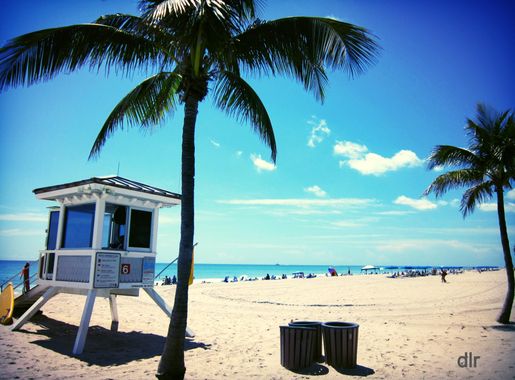
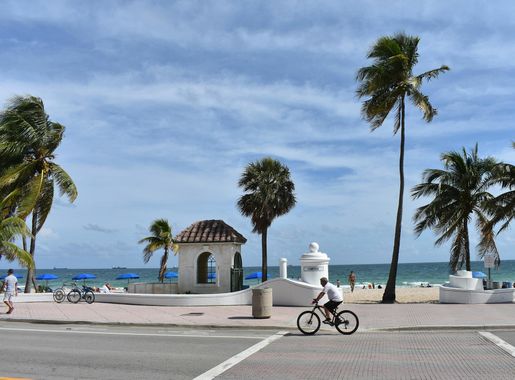
Fort Lauderdale Beach, located in sunny Florida, is a paradise for beach lovers. Known for its pristine white sands and clear blue waters, this destination offers a perfect blend of relaxation and adventure. The beach stretches for miles, providing ample space for sunbathing, swimming, and beach sports. You can enjoy a peaceful walk along the shore, collect seashells, or simply bask in the glorious Florida sun. The beach is lined with a lively promenade, featuring numerous shops, cafes, and restaurants. This bustling area is perfect for those who want to enjoy a meal with a view or indulge in some retail therapy. Fort Lauderdale Beach is also famous for its vibrant nightlife, with a plethora of bars and clubs that come alive after sunset. Water sports enthusiasts will find a haven here, with opportunities for jet skiing, parasailing, and snorkeling. The nearby coral reefs are a popular spot for diving, offering a glimpse into the underwater world. Families can enjoy the beach's playgrounds and picnic areas, making it a great destination for all ages. Whether you're looking to relax or seek adventure, Fort Lauderdale Beach has something for everyone.

Know before you go
Hi, I'm Eve. Here are a few practical things to know before exploring Fort Lauderdale Beach.
- Visit early in the morning to find a good spot on the beach and avoid crowds.
- Bring sunscreen and a hat to protect yourself from the strong Florida sun.
- Rent a bike or scooter to explore the scenic promenade with ease.
- Check out the local events calendar for beach festivals and live music.
- Take a water taxi for a unique way to explore the coastline and nearby attractions.
Explore Fort Lauderdale Beach: Things to Do, Places to Eat, Hotels & More
Handpicked recommendations for top attractions, local dining, accommodations, and more

Best attractions in Fort Lauderdale Beach
Top-rated picks
Best Attractions

Las Olas Beach
Discover the beauty of Las Olas Beach, a vibrant coastal gem in Fort Lauderdale with sandy shores, water sports, and lively dining options.

Hugh Taylor Birch State Park
Explore the serene beauty of Hugh Taylor Birch State Park, a nature preserve in Fort Lauderdale offering hiking, kayaking, and diverse wildlife experiences.

Fort Lauderdale Beaches
Discover the stunning Fort Lauderdale Beaches, where golden sands meet vibrant culture, creating the perfect tropical getaway.

Las Olas Oceanside Park
Explore the beauty and tranquility of Las Olas Oceanside Park, a premier destination for relaxation and recreation on Fort Lauderdale's stunning coastline.

Best landmarks in Fort Lauderdale Beach
Top-rated picks
Best Landmarks

Las Olas Beach
Experience the beauty and vibrancy of Las Olas Beach in Fort Lauderdale, where golden sands meet the lively atmosphere of coastal fun.

Hugh Taylor Birch State Park
Experience the natural beauty and tranquility of Hugh Taylor Birch State Park, a lush oasis in Fort Lauderdale, perfect for outdoor enthusiasts and nature lovers.

Fort Lauderdale Beaches
Discover the stunning golden sands and vibrant atmosphere of Fort Lauderdale Beaches, a perfect destination for relaxation and adventure in Florida.

Sebastian Street Beach
Experience the sun-drenched shores of Sebastian Street Beach in Fort Lauderdale, where vibrant culture meets serene coastal beauty, perfect for relaxation and adventure.

Best restaurants in Fort Lauderdale Beach
Top-rated picks
Best Restaurants

Evelyn's
Experience exquisite Mediterranean cuisine at Evelyn's in Fort Lauderdale; where fine dining meets stunning ocean views.

Kousine Fort Lauderdale
Discover the vibrant flavors of Peru at Kousine Fort Lauderdale—a must-visit destination for seafood lovers and vegetarians alike.

Thai On The Beach
Experience authentic Thai cuisine at Thai On The Beach in Fort Lauderdale - where vibrant flavors meet breathtaking ocean views.

Coconuts
Experience fresh seafood delights at Coconuts in Fort Lauderdale – where every meal comes with breathtaking waterfront views.

Best bars in Fort Lauderdale Beach
Top-rated picks
Best Bars

Parrot Lounge
Experience the best of Fort Lauderdale's nightlife at Parrot Lounge, where delicious cocktails meet a vibrant atmosphere and sports excitement.

Fort Liquordale | On The Beach
Discover Fort Liquordale: A beachfront bar offering exquisite cocktails and breathtaking ocean views, perfect for your next getaway.

Living Room At The W Hotel
Discover the stylish Living Room At The W Hotel, a premier bar in Fort Lauderdale offering exquisite cocktails and a chic beachside atmosphere.

Con Murphy's Ocean Bar & Grill
Discover the perfect blend of Irish hospitality and coastal cuisine at Con Murphy's Ocean Bar & Grill in Fort Lauderdale!


Best shops in Fort Lauderdale Beach
Top-rated picks
Best Shops

ISLAND STYLE - Resort Wear
Discover unique resort wear, swimwear, and accessories at Island Style, your ultimate boutique destination in Fort Lauderdale.

Wonderland
Explore Wonderland in Fort Lauderdale for unique gifts, stylish women's clothing, and charming home goods in a delightful shopping atmosphere.

The Galleria at Fort Lauderdale
Discover luxury and leisure at The Galleria at Fort Lauderdale, a premier shopping destination with top brands and dining options.

Beach Place
Discover the vibrant Beach Place in Fort Lauderdale, where shopping meets ocean views and delightful dining experiences await.

Explore Fort Lauderdale Beach on the Map
A handpicked selection of must-see spots in Fort Lauderdale Beach, mapped for you.
Fort Lauderdale Beach Essentials
-
Fort Lauderdale Beach is located in Fort Lauderdale, Florida. The nearest airport is Fort Lauderdale-Hollywood International Airport (FLL), approximately 5 miles away. From the airport, you can take a taxi, rideshare service, or shuttle to your hotel or directly to the beach. Alternatively, Miami International Airport (MIA) is about 30 miles away, and you can rent a car or take a shuttle service to Fort Lauderdale.
-
Once in Fort Lauderdale, you have various transportation options. The Sun Trolley offers a convenient and affordable way to navigate the beach area and downtown. Biking is also popular, with bike rental stations available along the beach. For longer distances, taxis, rideshares, and rental cars are readily available. Water taxis offer a unique way to explore the city's waterways and reach various attractions.
-
The official currency is the US Dollar (USD). Credit and debit cards are widely accepted in hotels, restaurants, and shops. There are numerous ATMs available along the beach and in the city for cash withdrawals. It's advisable to carry some cash for smaller establishments or tips.
-
Fort Lauderdale Beach is generally safe for tourists. However, it's important to stay vigilant, especially at night. Avoid isolated areas, and stick to well-lit, populated places. Be cautious with your belongings, particularly in crowded areas. Some neighborhoods to be cautious around include parts of Sistrunk Boulevard and areas west of Andrews Avenue.
-
In case of an emergency, dial 911 for immediate assistance. There are several hospitals and medical clinics in Fort Lauderdale, including Broward Health Medical Center. It's recommended to have travel insurance that covers medical emergencies. Pharmacies are also readily available for minor health issues.
-
Fashion: Do wear light, breathable clothing suitable for the beach. Don't forget sunscreen and a hat. Religion: Do respect local religious practices. While Fort Lauderdale is quite liberal, modest attire is appreciated in places of worship. Public Transport: Do use the Sun Trolley for an affordable and convenient way to get around. Don't be loud or disruptive on public transport. Greetings: Do greet people with a friendly 'hello' or 'hi.' A handshake is also common. Eating & Drinking: Do try local seafood and beachside eateries. Don't leave a small tip; 15-20% is standard in restaurants.
-
To experience Fort Lauderdale Beach like a local, visit the Las Olas Boulevard for dining, shopping, and nightlife. Try the local seafood at casual beachside shacks. Attend a local event or festival to immerse yourself in the community. Renting a bicycle or using the water taxi can provide unique perspectives of the area.
When is the best time to visit Fort Lauderdale Beach?
Useful Local Phrases for Fort Lauderdale Beach
You don't need to speak the language perfectly. Even learning a few simple words can make conversations warmer—and locals usually appreciate the effort.
— Eve

Here are the phrases I use most often in Fort Lauderdale Beach. Try a few—you'll be surprised how far they go! 😊
❤️
-
- HelloHey there
[hey th-air] - GoodbyeSee ya
[see yuh] - YesYeah
[yeh] - NoNah
[nah] - Please/You're welcomePlease/No worries
[pleez/no wuhr-eez] - Thank youThanks
[thanks] - Excuse me/SorryPardon me/My bad
[pahr-dun me/my bad] - How are you?How's it going?
[hows it goh-ing?] - Fine. And you?Good. You?
[good. yuh?] - Do you speak English?You speak English?
[yuh speak ing-lish?] - I don't understandI don't get it
[I dont get it]
- HelloHey there
-
- I'd like to see the menu, pleaseCan I check out the menu?
[can I chek out the menu?] - I don't eat meatI'm vegetarian
[Im veg-eh-tair-ee-an] - Cheers!Cheers!
[Cheers!] - I would like to pay, pleaseI'll pay now, thanks
[Ill pay now, thanks]
- I'd like to see the menu, pleaseCan I check out the menu?
-
- Help!Help!
[Help!] - Go away!Get lost!
[get lost!] - Call the Police!Call the cops!
[Call the cops!] - Call a doctor!Get a doctor!
[Get a doctor!] - I'm lostI'm lost
[Im lost] - I'm illI'm sick
[Im sick]
- Help!Help!
-
- I'd like to buy...I wanna buy...
[I wanna buy...] - I'm just lookingI'm just browsing
[Im just brows-ing] - How much is it?How much does it cost?
[how much duz it cost?] - That's too expensiveThat's way too much
[thats way too much] - Can you lower the price?Can you do a deal?
[Can you do a deal?]
- I'd like to buy...I wanna buy...
-
- What time is it?What's the time?
[whats the time?] - It's one o'clockIt's one
[Its one] - Half past (10)Half past ten
[Half past ten] - MorningMorning
[Morning] - AfternoonAfternoon
[Afternoon] - EveningEvening
[Evening] - YesterdayYesterday
[Yesterday] - TodayToday
[Today] - TomorrowTomorrow
[Tomorrow] - 1One
[One] - 2Two
[Two] - 3Three
[Three] - 4Four
[Four] - 5Five
[Five] - 6Six
[Six] - 7Seven
[Seven] - 8Eight
[Eight] - 9Nine
[Nine] - 10Ten
[Ten]
- What time is it?What's the time?
-
- Where's a/the...?Where's the...?
[Wheres the...?] - What's the address?What's the address?
[Whats the address?] - Can you show me (on the map)?Can you show me (on the map)?
[Can you show me (on the map)?] - When's the next (bus)?When's the next (bus)?
[Whens the next (bus)?] - A ticket (to ....)A ticket (to ....)
[A ticket (to ....)]
- Where's a/the...?Where's the...?
History of Fort Lauderdale Beach
-
Fort Lauderdale Beach's history dates back thousands of years with the presence of Native American tribes such as the Tequesta. The area was greatly influenced by the Seminole Wars in the early 19th century. These conflicts between the Seminole tribe and the United States Army led to the establishment of a series of forts, including the one after which the city of Fort Lauderdale is named. The original Fort Lauderdale was built in 1838 and was an important military post during the Second Seminole War.
-
The 1920s marked a significant transformation for Fort Lauderdale Beach. Following the end of World War I, the area saw an influx of tourists and developers. The Florida land boom of the 1920s brought ambitious projects and luxurious hotels to the region. The iconic Elbo Room, established in 1938, became one of the first beachside bars, setting the stage for Fort Lauderdale's reputation as a vibrant and lively destination.
-
During World War II, Fort Lauderdale Beach played a crucial role as a training ground for the United States Navy. The Naval Air Station Fort Lauderdale was established in 1942, and it became a key site for training naval aviators, including the future President George H.W. Bush. The war effort brought increased activity and development to the area, shaping its post-war growth.
-
The 1960s and 1970s saw Fort Lauderdale Beach earning its reputation as the 'Spring Break Capital of the World.' The city's beaches became a hotspot for college students from across the nation seeking sun, sand, and entertainment. The 1960 film 'Where the Boys Are' romanticized Fort Lauderdale Beach as the ultimate spring break destination, further boosting its popularity. However, by the mid-1980s, the city began to shift its focus towards attracting a more family-friendly crowd.
-
In recent decades, Fort Lauderdale Beach has undergone a significant transformation. Efforts to revitalize the beachfront have led to the construction of upscale hotels, fine dining restaurants, and cultural attractions. The Fort Lauderdale Beach Park and the Las Olas Oceanside Park have become central hubs for festivals, concerts, and community events. The city's commitment to preserving its history while embracing modernity is evident in its thriving arts scene and diverse cultural offerings.
Neighbouring destination travel guides
Browse our curated selection of top destinations, scenic points, and must-visit spots in the area.




Your all‑in‑one travel companion app
Explore expert travel guides, compare and book tours, experiences, hotels, and more—all from the palm of your hand. Download now for seamless trip planning wherever your wanderlust takes you.


Explore More of Gold Coast

Looking beyond Fort Lauderdale Beach? Discover Gold Coast for broader travel guides, local hot-spots, and regional highlights.
Explore Gold CoastExplore More of Florida

Looking beyond Fort Lauderdale Beach? Discover Florida for broader travel guides, local hot-spots, and regional highlights.
Explore FloridaFort Lauderdale Beach in Photos
Browse through our photo collection highlighting the charm and character of the destination.




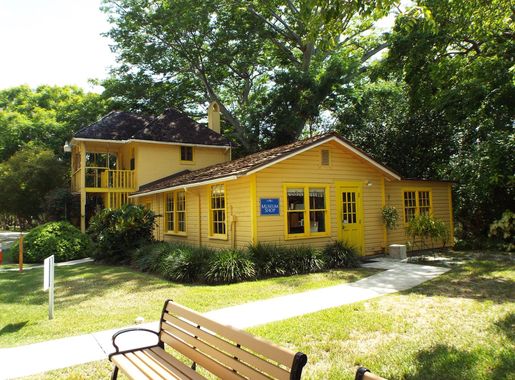
The Enchanting Shores of Fort Lauderdale Beach
Fort Lauderdale Beach, located in sunny Florida, is a paradise for beach lovers. Known for its pristine white sands and clear blue waters, this destination offers a perfect blend of relaxation and adventure. The beach stretches for miles, providing ample space for sunbathing, swimming, and beach sports. You can enjoy a peaceful walk along the shore, collect seashells, or simply bask in the glorious Florida sun. The beach is lined with a lively promenade, featuring numerous shops, cafes, and restaurants. This bustling area is perfect for those who want to enjoy a meal with a view or indulge in some retail therapy. Fort Lauderdale Beach is also famous for its vibrant nightlife, with a plethora of bars and clubs that come alive after sunset. Water sports enthusiasts will find a haven here, with opportunities for jet skiing, parasailing, and snorkeling. The nearby coral reefs are a popular spot for diving, offering a glimpse into the underwater world. Families can enjoy the beach's playgrounds and picnic areas, making it a great destination for all ages. Whether you're looking to relax or seek adventure, Fort Lauderdale Beach has something for everyone.