

Wazemmes (Lille) Travel Guide - Free
Explore Wazemmes in Lille with Evendo's free guide. Find the best shops, historic streets, restaurants, and gems on web or mobile.


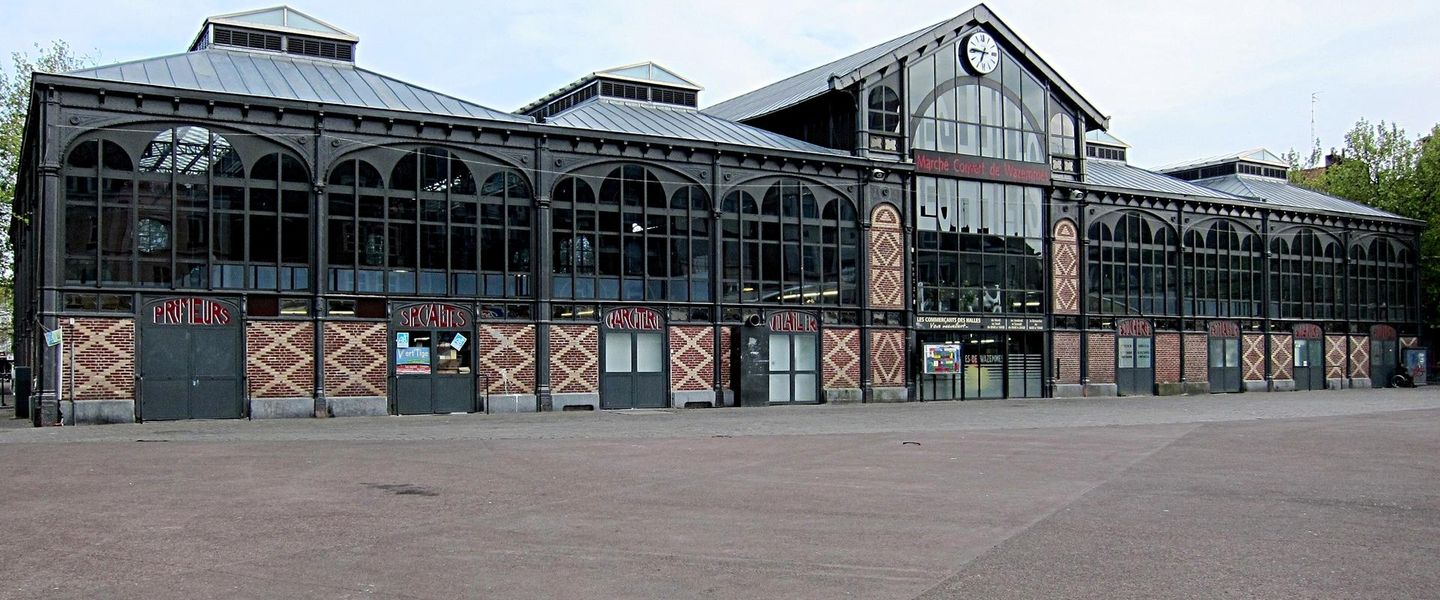


Wazemmes in Lille combines a celebrated market, textile-era streets, global flavours, independent shops and welcoming cafés with a distinctly local rhythm.
Market Life and Local Character
South-west of Lille’s historic centre, Wazemmes is a densely lived-in quarter defined by the market around Place Nouvelle Aventure, the long commercial stretch of rue Léon Gambetta and a network of streets shaped by nineteenth-century industry. On market days, stalls spread across the square and surrounding roads with produce, flowers, clothing, household goods and inexpensive prepared food, creating a public scene that belongs as much to residents as to visitors. Les Halles de Wazemmes provide a more permanent food-market setting, while cafés and small shops keep the district active beyond trading hours.Read more about Wazemmes
Industrial Roots and Cultural Change
Music, Food and Everyday Streets
Best attractions in Wazemmes
Wazemmes’s principal attraction is the Marché de Wazemmes, whose stalls around Place Nouvelle Aventure turn the neighbourhood into one of Lille’s most recognisable public spaces on trading days. The covered Les Halles de Wazemmes offer a more permanent food-market experience, with produce and prepared foods reflecting the district’s broad culinary influences. Rue Léon Gambetta is the main exploratory route, lined with shops, cafés and everyday businesses rather than a formal sequence of monuments. The Maison Folie Wazemmes occupies a former textile site and hosts changing cultural activity, while the Église Saint-Pierre-Saint-Paul adds nineteenth-century architectural presence. A walk through the side streets reveals working-class housing, small gardens and remnants of industrial Lille, making ordinary urban fabric part of the sightseeing experience.
-
Tourist attraction
Zoo de Lille
Discover the Zoo de Lille, an urban paradise filled with diverse wildlife, lush landscapes, and family-friendly adventures in the heart of Lille.
17 min walk · 1.4 km from neighbourhood centre
-
Tourist attraction
Palais des Beaux Arts
Explore the artistic legacy of Europe at Palais des Beaux Arts, Lille's premier art museum with masterpieces from the Renaissance to modern times.
12 min walk · 1.0 km from neighbourhood centre
-
Tourist attraction
Jardin Vauban
Experience the tranquility of Jardin Vauban in Lille, a lush garden retreat filled with vibrant flora and charming pathways, perfect for relaxation and exploration.
15 min walk · 1.2 km from neighbourhood centre
-
Tourist attraction
Parc de la Citadelle
Discover the lush tranquility of Parc de la Citadelle, a historic park in Lille offering beauty, relaxation, and family-friendly activities.
17 min walk · 1.4 km from neighbourhood centre


Best landmarks in Wazemmes
The Marché de Wazemmes and Les Halles de Wazemmes are landmarks of social and commercial life as much as places to buy food. Together they express the neighbourhood’s long connection with everyday trade and its continuing role as a meeting point. The Église Saint-Pierre-Saint-Paul provides a prominent nineteenth-century religious building within the district, contrasting with the low-rise commercial streets around it. The Maison Folie Wazemmes is significant for the way it gives a former textile site a cultural function, preserving a link with the area’s industrial past without treating that history as a museum piece. Elsewhere, brick façades, compact workers’ housing and altered industrial premises form a less monumental but highly characteristic landscape, recording Wazemmes’s development from expanding suburb to established Lille quarter.
-
Zoo
Zoo de Lille
Discover diverse wildlife in the heart of Lille at the enchanting Zoo de Lille, a perfect family destination for fun and learning.
17 min walk · 1.4 km from neighbourhood centre
-
Museum
Palais des Beaux Arts
Explore masterpieces from antiquity to the 20th century at one of France's largest fine arts museums, located in the heart of Lille.
12 min walk · 1.0 km from neighbourhood centre
-
Garden
Jardin Vauban
Escape to Lille's enchanting Jardin Vauban: a historic garden oasis with winding paths, serene ponds, and cultural delights.
15 min walk · 1.2 km from neighbourhood centre
-
Market
Marché de Wazemmes
Experience the vibrant atmosphere & diverse offerings of Lille's Marché de Wazemmes, a historic market with local & international flavors.
1 min walk · 0.1 km from neighbourhood centre


Explore Wazemmes on the map
A handpicked selection of must-see spots in Wazemmes, mapped for you.
Best hotels in Wazemmes
Best restaurants in Wazemmes
Eating in Wazemmes is closely tied to its market culture and international population. Around Place Nouvelle Aventure, Les Halles and rue Léon Gambetta, visitors encounter food shops, bakeries, cafés and restaurants serving French cooking alongside North African, Middle Eastern and other globally influenced dishes. The neighbourhood is particularly useful for informal eating: market produce, filled breads, pastries, couscous-oriented cooking and inexpensive prepared foods sit alongside familiar Lille café fare. Independent businesses change over time, so the most reliable way to explore is to follow the concentration of shops and counters rather than search for a single signature restaurant. The area’s culinary identity comes from proximity and variety, with traders, residents and visitors sharing the same commercial streets. It is a place to browse ingredients and eat casually as much as to plan a formal meal.
-
French
Chez Max Bistrot Lillois
Experience authentic French cuisine at Chez Max Bistrot Lillois in Lille - where culinary tradition meets modern flair.
8 min walk · 0.6 km from neighbourhood centre
-
Hamburger
Le Bon Jeune
Experience gourmet hamburgers at Le Bon Jeune in Lille - where quality meets creativity in halal fast food.
6 min walk · 0.5 km from neighbourhood centre
-
Moroccan
La Mamounia
Discover the essence of Moroccan cuisine at La Mamounia – where every meal is a celebration of flavors and traditions.
6 min walk · 0.5 km from neighbourhood centre
-
Restaurant
Le Chat qui Fume
Experience exquisite French cuisine at Le Chat qui Fume in Lille – where tradition meets innovation in every dish.
6 min walk · 0.5 km from neighbourhood centre


Best bars in Wazemmes
Wazemmes is not Lille’s principal nightclub district, but its evenings retain a social character through cafés, bars, restaurants and cultural events. Rue Léon Gambetta and the streets around the market provide the main concentration of places for an unhurried drink or informal meal, while the Maison Folie Wazemmes can bring concerts, performances and exhibitions to the former industrial quarter. Nightlife here is generally more local and mixed-use than club-focused: residents share the area with diners, students and visitors attending a programme or event. The atmosphere changes considerably after market activity ends, with residential streets becoming quieter than the commercial core. Anyone seeking late-night dancing may need to continue towards other parts of central Lille rather than expect Wazemmes to function as a dedicated entertainment zone.
-
Bar
Le Cirque
Experience the vibrant atmosphere and diverse menu at Le Cirque, Lille's premier bar and restaurant for tourists and locals alike.
5 min walk · 0.4 km from neighbourhood centre
-
Bar
Uno's Bar
Discover the lively atmosphere of Uno's Bar in Lille, where local brews and delightful cocktails await in an inviting setting.
3 min walk · 0.3 km from neighbourhood centre
-
Bar
Base Camp
Experience Lille's vibrant nightlife at Base Camp, a lively bar offering creative cocktails and a welcoming atmosphere in the heart of the city.
11 min walk · 0.9 km from neighbourhood centre
-
Bar
Le W / Wazemmes
Discover Le W / Wazemmes, a vibrant bar in Lille offering an exceptional selection of cocktails, wines, and beers in a lively atmosphere.
2 min walk · 0.2 km from neighbourhood centre


Best nightclubs in Wazemmes
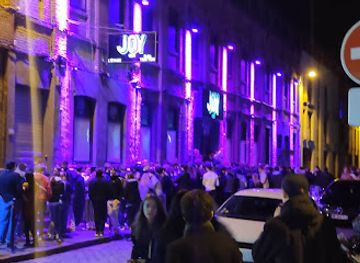
Wazemmes is not Lille’s principal nightclub district, but its evenings retain a social character through cafés, bars, restaurants and cultural events. Rue Léon Gambetta and the streets around the market provide the main concentration of places for an unhurried drink or informal meal, while the Maison Folie Wazemmes can bring concerts, performances and exhibitions to the former industrial quarter. Nightlife here is generally more local and mixed-use than club-focused: residents share the area with diners, students and visitors attending a programme or event. The atmosphere changes considerably after market activity ends, with residential streets becoming quieter than the commercial core. Anyone seeking late-night dancing may need to continue towards other parts of central Lille rather than expect Wazemmes to function as a dedicated entertainment zone.
-
Disco club
Le Network
Discover the electrifying nightlife of Lille at Le Network, a premier disco club where music and dance unite in a vibrant atmosphere.
10 min walk · 0.8 km from neighbourhood centre
-
Night club
The Room
Discover the electrifying nightlife at The Room, Lille's premier night club, where vibrant music and unforgettable experiences await every night.
10 min walk · 0.8 km from neighbourhood centre
-
Disco club
JOY CLUB LILLE
Discover the electrifying nightlife at JOY CLUB LILLE, where vibrant music and lively crowds create unforgettable nights in the heart of Lille.
9 min walk · 0.8 km from neighbourhood centre
-
Night club
La Maison
Discover the electrifying nightlife of Lille at La Maison, a top-rated night club offering unforgettable experiences and vibrant entertainment.
9 min walk · 0.7 km from neighbourhood centre



Best shops in Wazemmes
Shopping in Wazemmes is centred on the open-air market, Les Halles and rue Léon Gambetta rather than a conventional luxury retail boulevard. The market combines fruit and vegetables, flowers, clothing, household goods and miscellaneous bargains, with the precise offer varying by trader and day. Les Halles concentrate food shopping in a permanent indoor setting, while Gambetta’s independent businesses include bakeries, specialist food shops, cafés and retailers serving the neighbourhood’s varied communities. Visitors will find more practical and everyday commerce than carefully curated souvenirs, and that is part of the area’s character. Browse respectfully, compare produce and look into the side streets for small businesses that reflect the district’s North African, French and wider international influences. Retail activity is strongest around the market and main commercial axis, with quieter residential streets beyond.
-
Gift shop
el MARKET
Discover unique gifts and local treasures at el MARKET, a delightful shop in the heart of Lille offering clothing and home goods.
7 min walk · 0.5 km from neighbourhood centre
-
Store
AJU Concept Store — Boutique & Coffee Shop - Lille
Discover AJU Concept Store in Lille: a boutique haven for clothing, bubble tea, and unique finds in a cozy and creative atmosphere.
4 min walk · 0.3 km from neighbourhood centre
-
Vintage clothing store
Funny Vintage
Explore the unique selection of retro clothing and fashion accessories at Funny Vintage, a must-visit destination in Lille for vintage lovers.
7 min walk · 0.6 km from neighbourhood centre
-
Clothing store
REPUBLIC VINTAGE
Explore vintage fashion and unwind with exquisite teas at Republic Vintage, a charming shopping and tea experience in the heart of Lille.
2 min walk · 0.2 km from neighbourhood centre


Wazemmes essentials
Getting There
Getting Around
Safety
Emergency Situations
Do's and Don'ts
Local Tips

From Eve
Local phrases worth knowing
You don't need to get them perfect. A few words go a long way, and locals appreciate the effort.
Basics
| English | Local | Say it |
|---|---|---|
| Hello | Bonjour | [bohn-zhoor] |
| Goodbye | Au revoir | [oh ruh-vwahr] |
| Yes | Oui | [wee] |
| No | Non | [nohn] |
| Please/You're welcome | S'il vous plaît/De rien | [seel voo pleh/duh ryen] |
| Thank you | Merci | [mehr-see] |
| Excuse me/Sorry | Excusez-moi/Désolé | [ehk-skuh-zay mwah/dey-zoh-lay] |
| How are you? | Comment ça va? | [koh-mohn sah vah] |
| Fine. And you? | Bien. Et vous? | [byen. eh voo] |
| Do you speak English? | Parlez-vous anglais? | [par-lay voo ahn-glay] |
| I don't understand | Je ne comprends pas | [zhuh nuh kohm-prahn pah] |
Eating & Drinking
| English | Local | Say it |
|---|---|---|
| I'd like to see the menu, please | Je voudrais voir le menu, s'il vous plaît | [zhuh voo-dray vwahr luh muh-nyuh, seel voo pleh] |
| I don't eat meat | Je ne mange pas de viande | [zhuh nuh mahnj pah duh vee-ahnd] |
| Cheers! | Santé! | [sahn-tay] |
| I would like to pay, please | Je voudrais payer, s'il vous plaît | [zhuh voo-dray pay-ay, seel voo pleh] |
Emergencies
| English | Local | Say it |
|---|---|---|
| Help! | À l'aide! | [ah layd] |
| Go away! | Allez-vous en! | [ah-lay vooz ahn] |
| Call the Police! | Appelez la police! | [ah-peh-lay lah poh-lees] |
| Call a doctor! | Appelez un médecin! | [ah-peh-lay uh meh-deh-sahn] |
| I'm lost | Je suis perdu | [zhuh swee pair-doo] |
| I'm ill | Je suis malade | [zhuh swee mah-lahd] |
Shopping
| English | Local | Say it |
|---|---|---|
| I'd like to buy... | Je voudrais acheter... | [zhuh voo-dray ah-sheh-tay] |
| I'm just looking | Je regarde juste | [zhuh ruh-gahrd juhst] |
| How much is it? | Combien ça coûte? | [kohm-byen sah koot] |
| That's too expensive | C'est trop cher | [say troh shehr] |
| Can you lower the price? | Pouvez-vous baisser le prix? | [poo-veh voo bey-say luh pree] |
Time & Numbers
| English | Local | Say it |
|---|---|---|
| What time is it? | Quelle heure est-il? | [kehl uhr eh-teel] |
| It's one o'clock | Il est une heure | [eel eh oon uhr] |
| Half past (10) | Dix heures et demie | [dees uhr eh duh-mee] |
| Morning | Matin | [mah-tahn] |
| Afternoon | Après-midi | [ah-pray mee-dee] |
| Evening | Soir | [swahr] |
| Yesterday | Hier | [yehr] |
| Today | Aujourd'hui | [oh-zhoor dewee] |
| Tomorrow | Demain | [duh-mahn] |
| 1 | Un | [uhn] |
| 2 | Deux | [duh] |
| 3 | Trois | [twah] |
| 4 | Quatre | [kah-truh] |
| 5 | Cinq | [sank] |
| 6 | Six | [sees] |
| 7 | Sept | [sept] |
| 8 | Huit | [weet] |
| 9 | Neuf | [nuff] |
| 10 | Dix | [dees] |
Transport & Directions
| English | Local | Say it |
|---|---|---|
| Where's a/the...? | Où est...? | [oo eh...] |
| What's the address? | Quelle est l'adresse? | [kehl eh lah-dress] |
| Can you show me (on the map)? | Pouvez-vous me montrer (sur la carte)? | [poo-veh voo muh mohn-tray (soor lah kart)] |
| When's the next (bus)? | Quand est le prochain (bus)? | [kahnd eh luh proh-shahn (boos)] |
| A ticket (to ....) | Un billet (pour ....) | [uhn bee-yay (poor)] |
History of Wazemmes
From Rural Commune to Industrial Suburb
Before its urban transformation, Wazemmes was a separate commune on the southern side of Lille, with agricultural land and scattered settlement. Lille’s expanding textile economy drew workshops, factories and workers into the area during the nineteenth century. The resulting growth produced dense housing, new commercial streets and a population whose daily life was closely tied to manufacturing. Wazemmes was annexed to Lille in 1858, a change that formalised its integration into the expanding city while leaving the former commune with a strong neighbourhood identity.
Textiles, Workers and New Streets
Industrialisation reshaped Wazemmes through textile production, associated trades and the circulation of workers between homes, workshops and markets. Brick buildings and modest housing gradually filled the area, while churches, schools and commercial premises followed the growing population. The quarter’s urban fabric still reflects this period: streets are generally compact, buildings are often close to the pavement and former industrial sites survive in altered form. The market developed as an important everyday institution, linking local food supply with the social life of an increasingly urban community.
Migration and a Changing Social Landscape
As Lille’s industrial economy changed during the twentieth century, Wazemmes experienced economic pressures, population movement and the arrival of new communities. Settlement from North Africa and elsewhere contributed to the neighbourhood’s contemporary cultural character, particularly through food businesses, cafés, shops and family life. These changes did not erase the older quarter but layered new languages, ingredients and commercial practices onto an inherited framework of markets and working streets. Wazemmes consequently became known for a public culture in which local commerce and migration are closely visible.
Cultural Regeneration and Continuity
Late twentieth- and early twenty-first-century investment brought renewed attention to Wazemmes’s buildings, public spaces and cultural facilities, while rising interest in central Lille affected property and retail patterns. The Maison Folie Wazemmes, created in a former textile site, expresses this cultural re-use of industrial heritage. At the same time, the Marché de Wazemmes, Les Halles and rue Léon Gambetta continue to anchor everyday commerce. The neighbourhood’s contemporary identity therefore rests on both change and continuity: cultural programming and new enterprises exist alongside long-established shops, residents and market traditions.
Wazemmes in Photos
Browse through our photo collection highlighting the charm and character of the destination.
Neighbourhoods near Wazemmes
The closest neighbourhoods to Wazemmes, if you have time for more than one stop.
-

-


Swipe for more neighbourhoods
Explore more

Explore more of Lille
Lille, France blends Flemish architecture, grand squares, museums, celebrated cuisine and lively northern culture beside historic European rail routes.
Explore Lille